.JPG "Exquisite Properties")
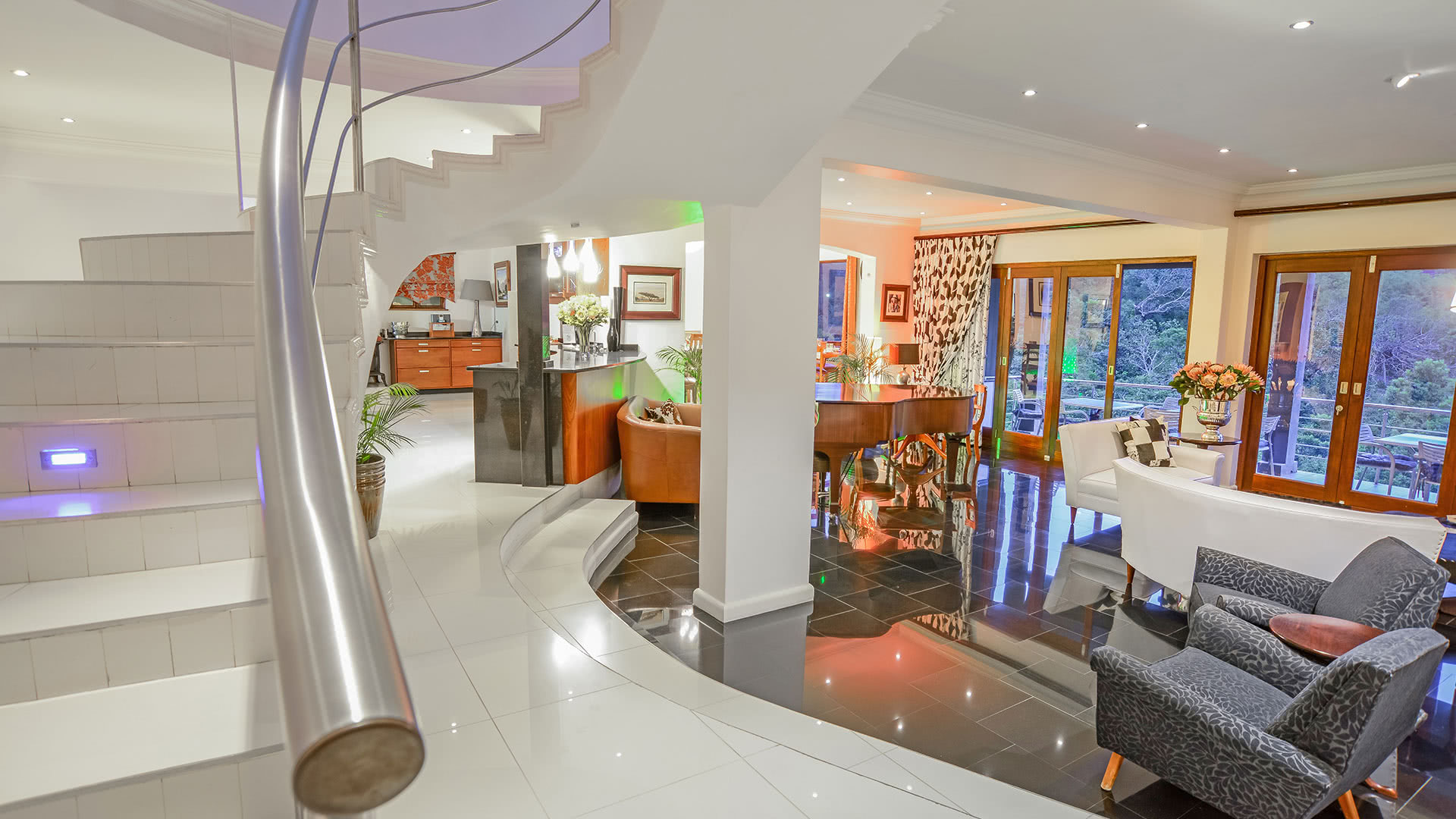
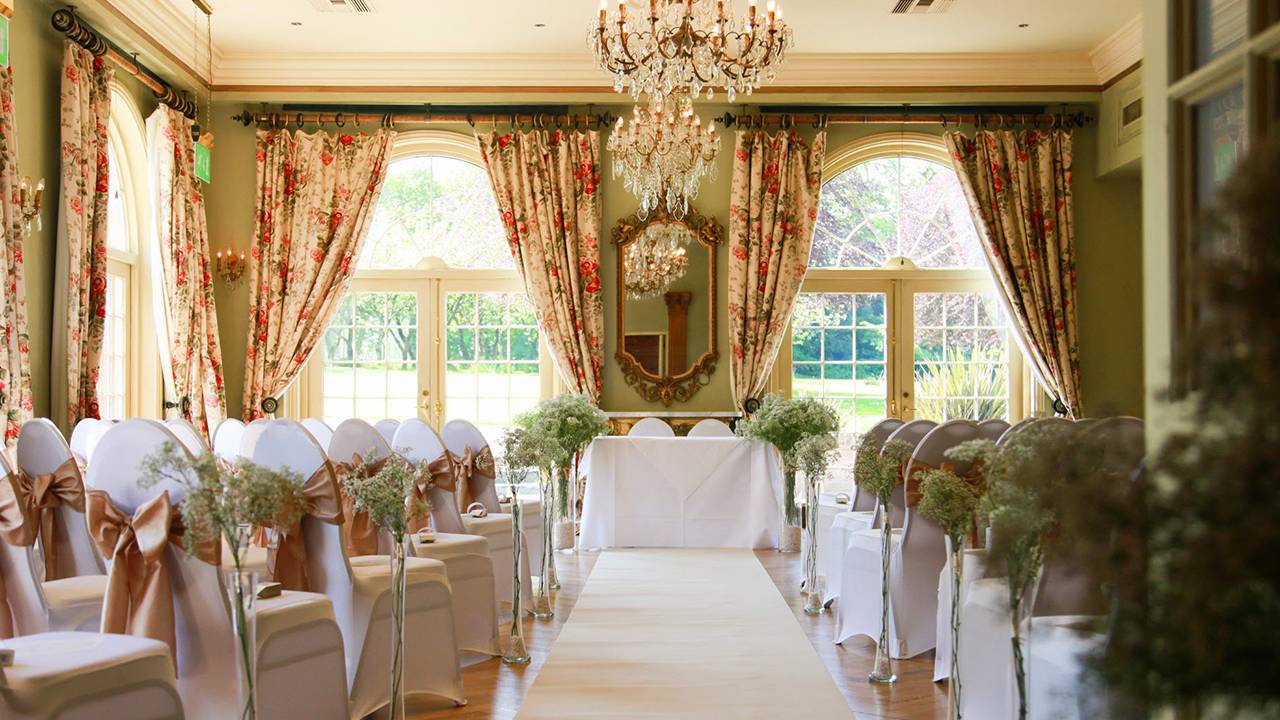
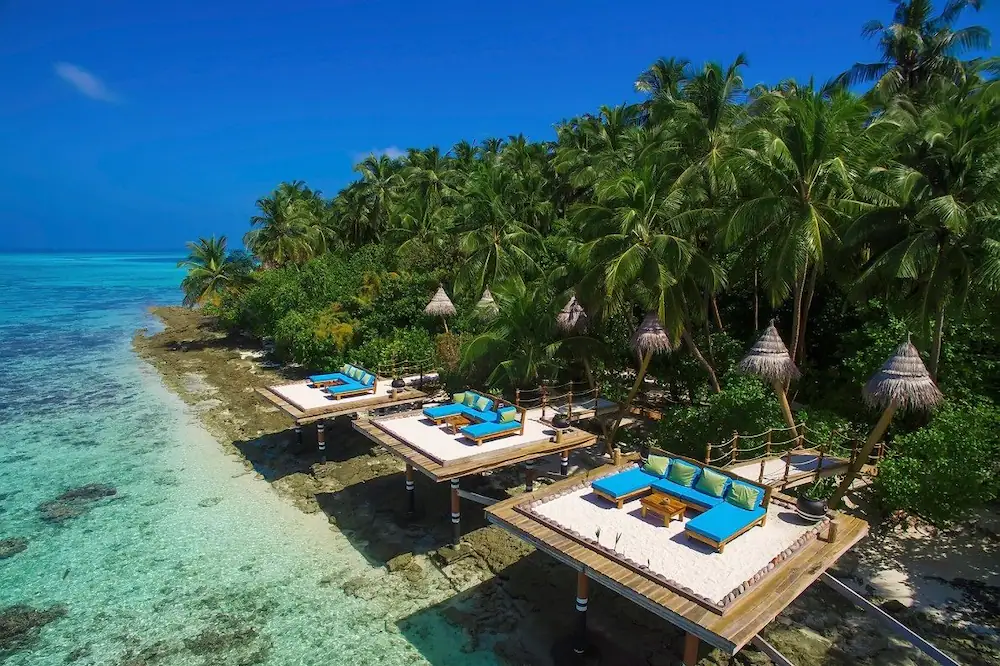
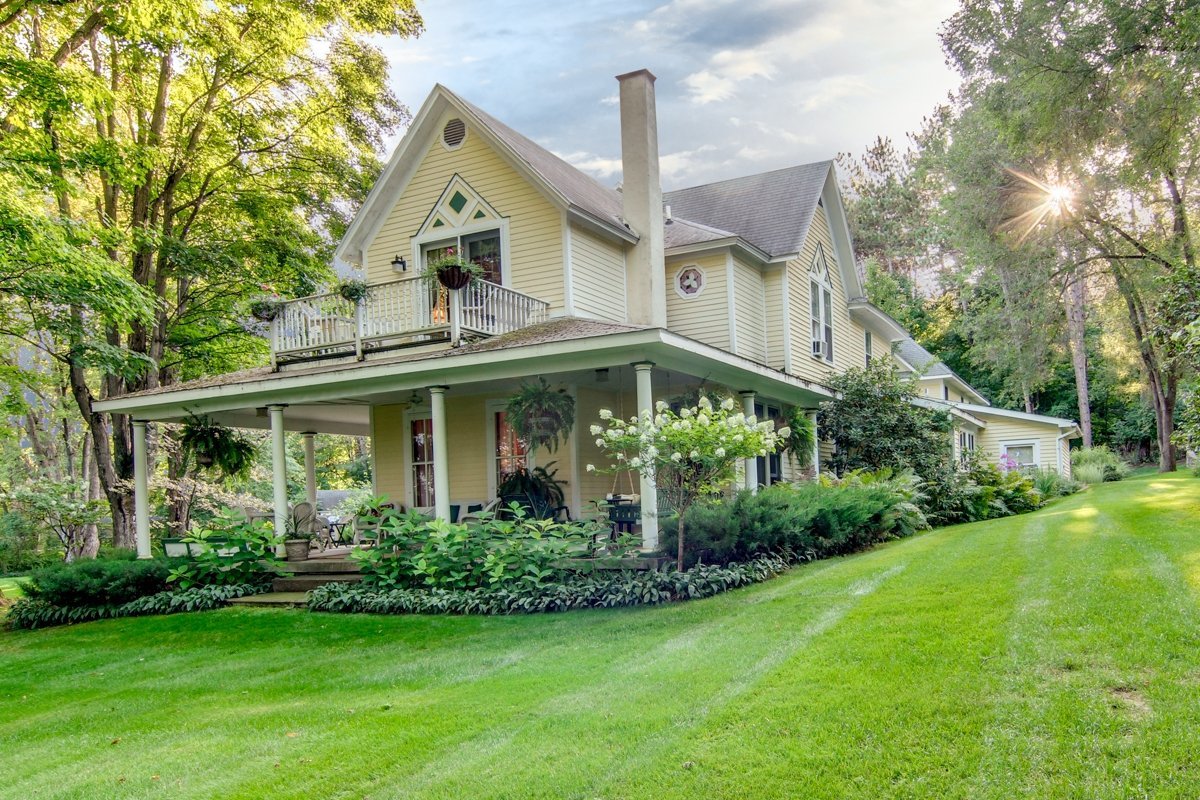
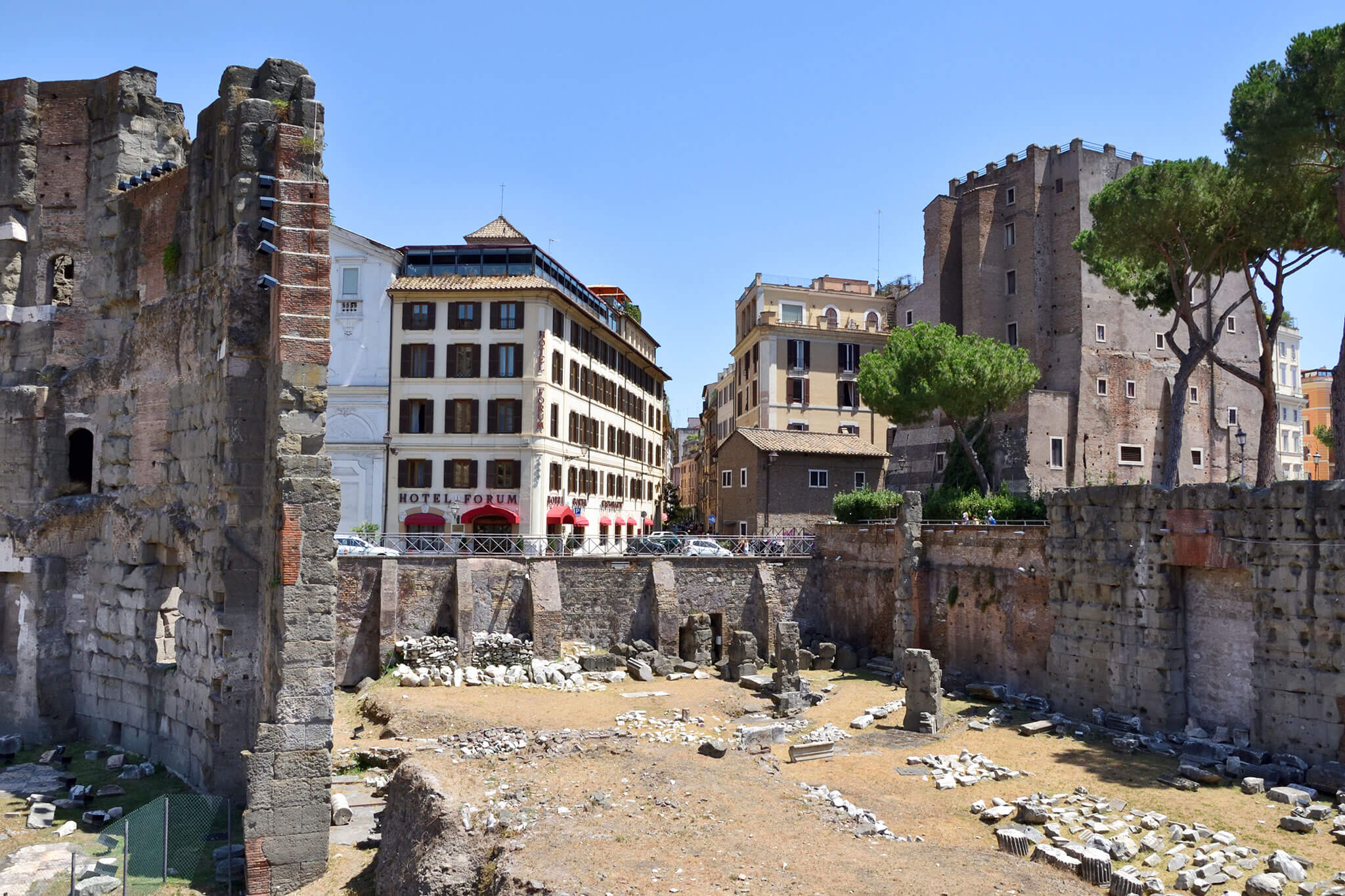

About
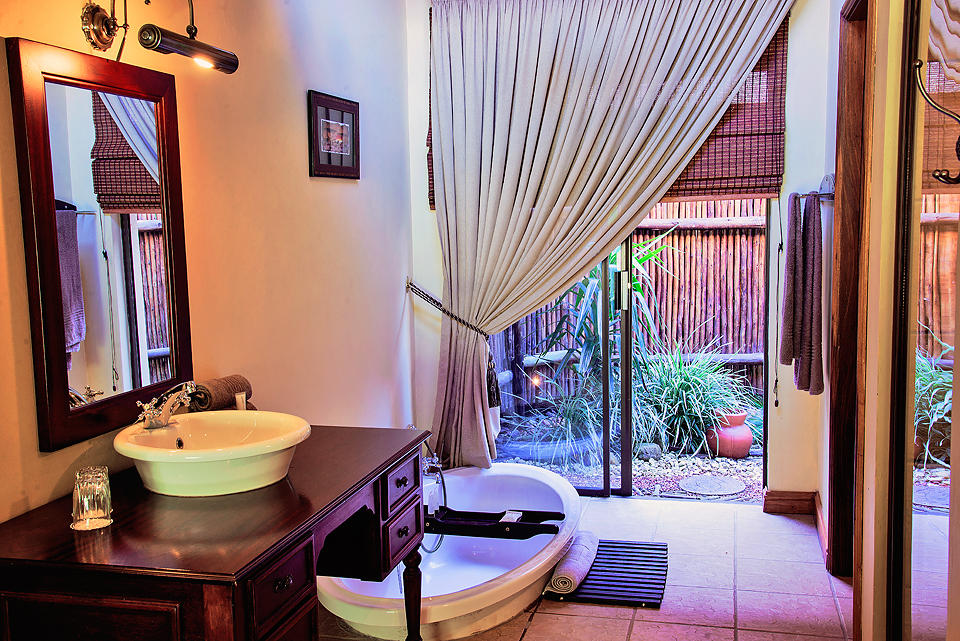
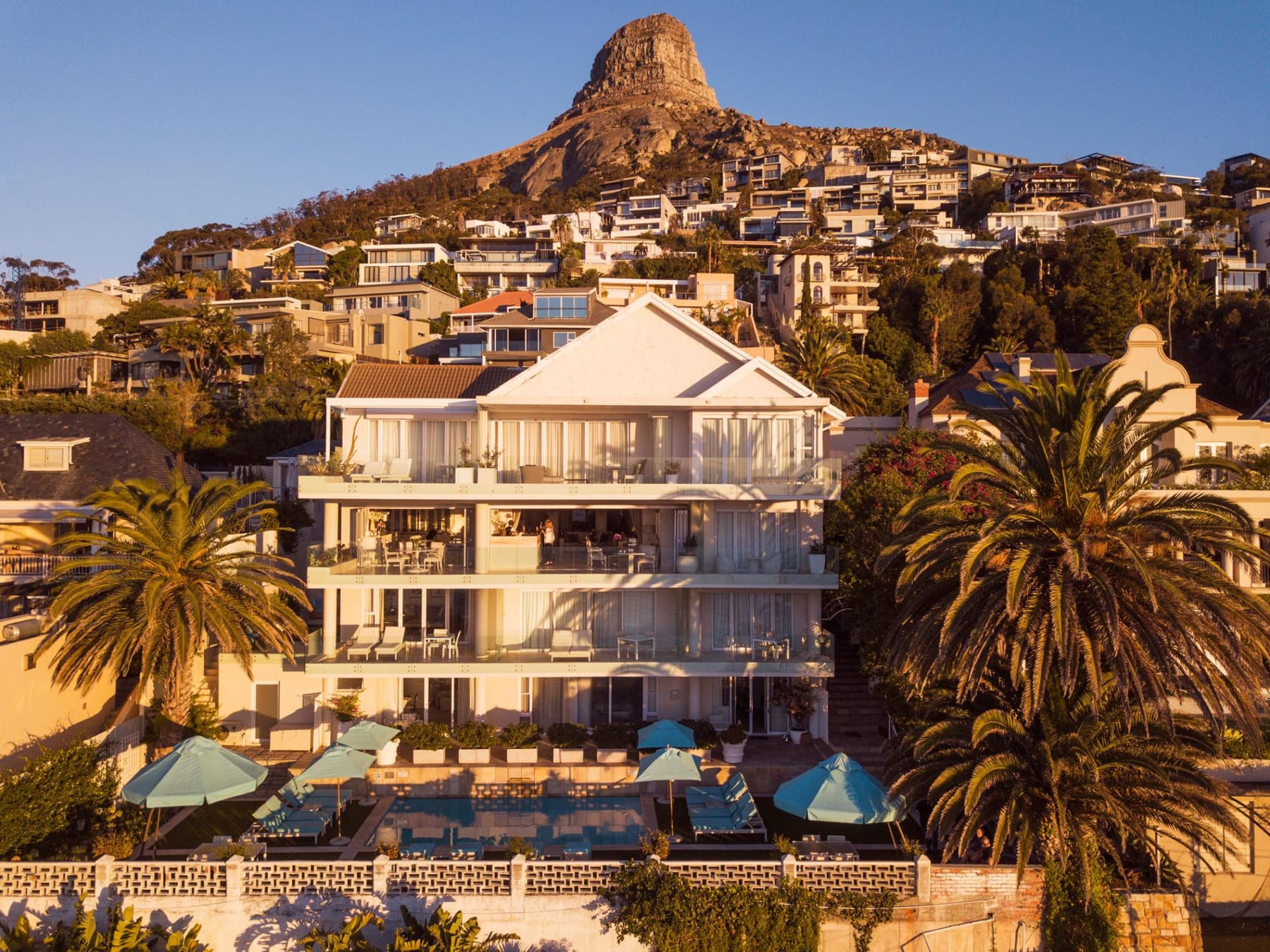
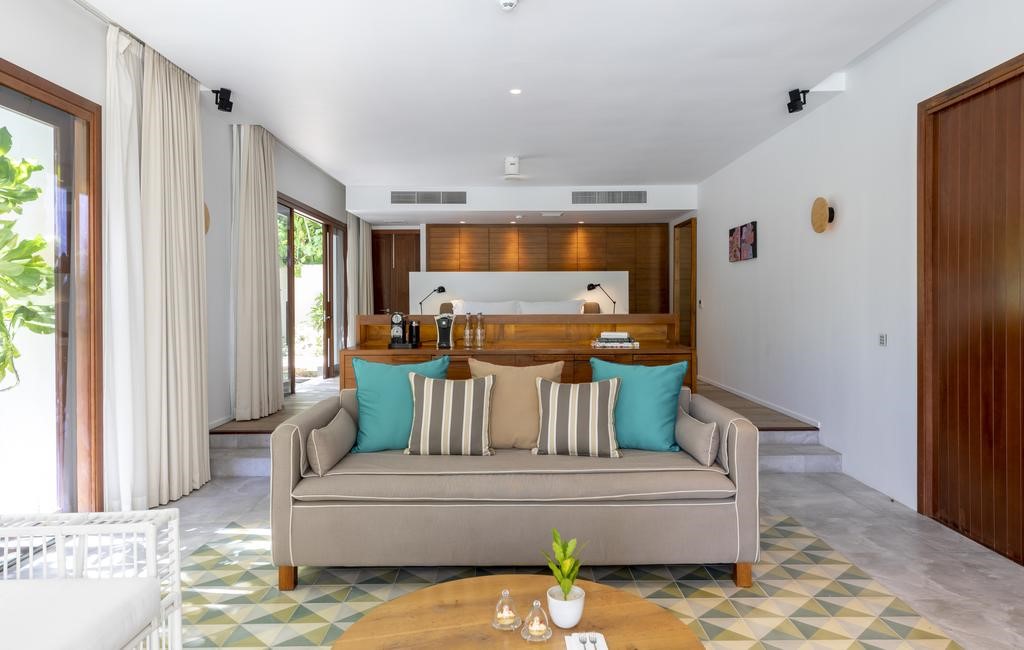
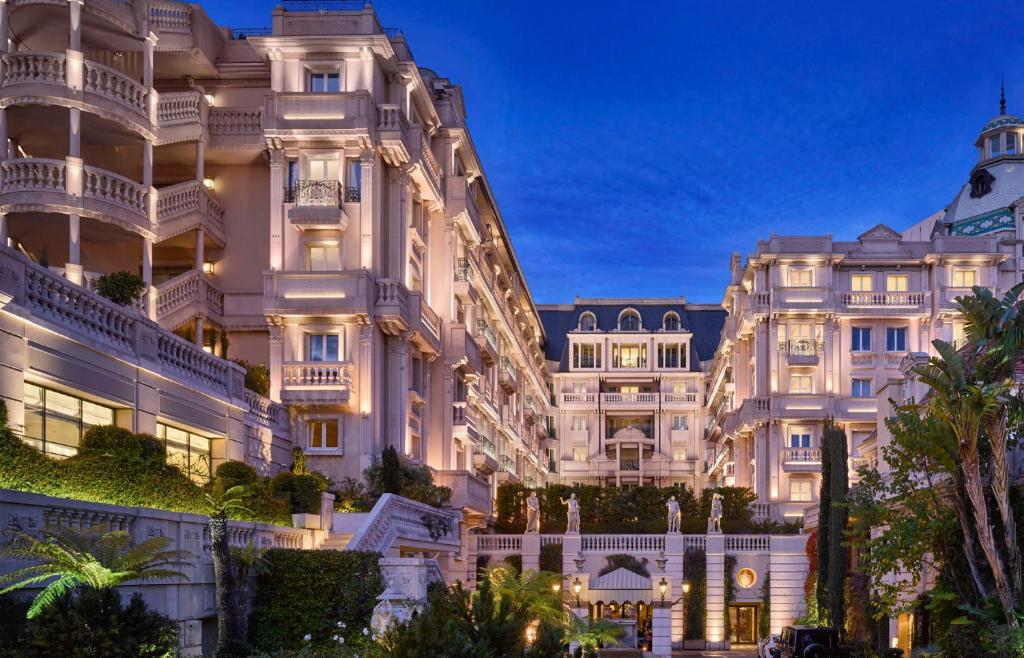
Distinctive and exceptional, the 80 guest rooms and suites, eight of which feature leafy terraces, offer a beguiling view across the rooftops of Paris. All these elements work in concert to give this venue its unique character.
CODAGE Spa – with two treatment rooms, a pool, sauna, hammam and gym – takes care of your wellbeing.
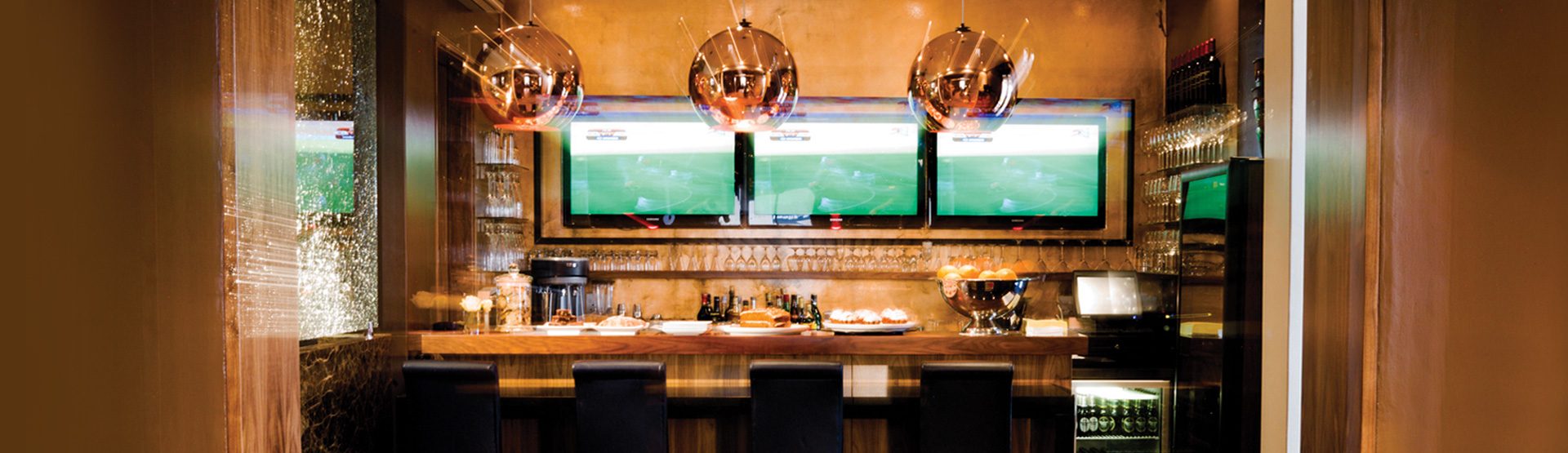
The warm and welcoming bar offers light meals and chocolate-infused breaks for you to savour.
The hotel also has a car park.
A journey through industrial chic
Behind the walls, a history of Industry
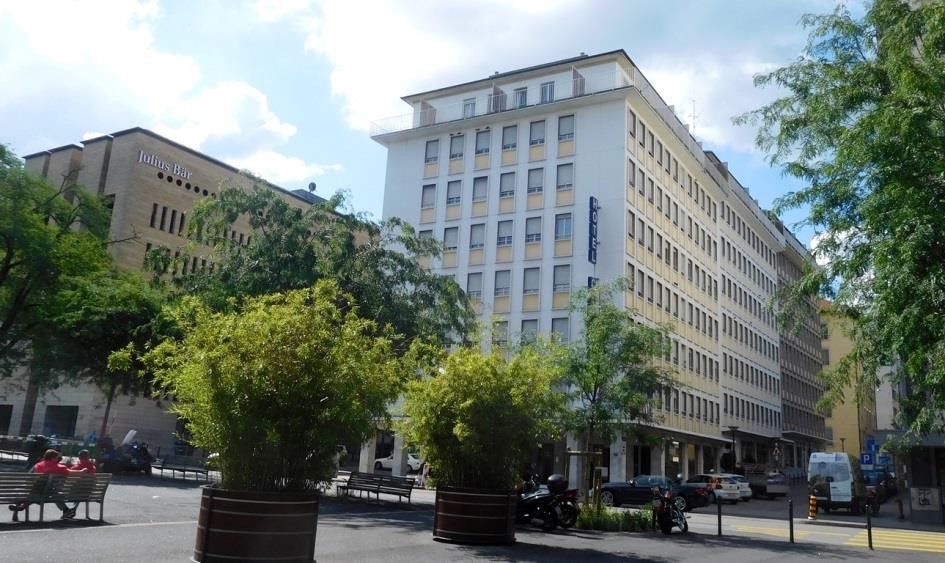
The philosophy of the hotel, located 22-24 Rue Faidherbe, is closely tied to that of the whole arrondissement. The emphasis on materials, whether raw or finely wrought, is one of the foundations of its style.
As early as 1926, our hotel settles here and provides the craftsmen of the industrious Faubourg Saint-Antoine with wood imported from Europe and more exotic lands. This joinery workshop, which will later give way to a chocolate factory, then becomes home to the life of a neighborhood where theworking class mixes with the craftsmen, combining expertise with industrial momentum.
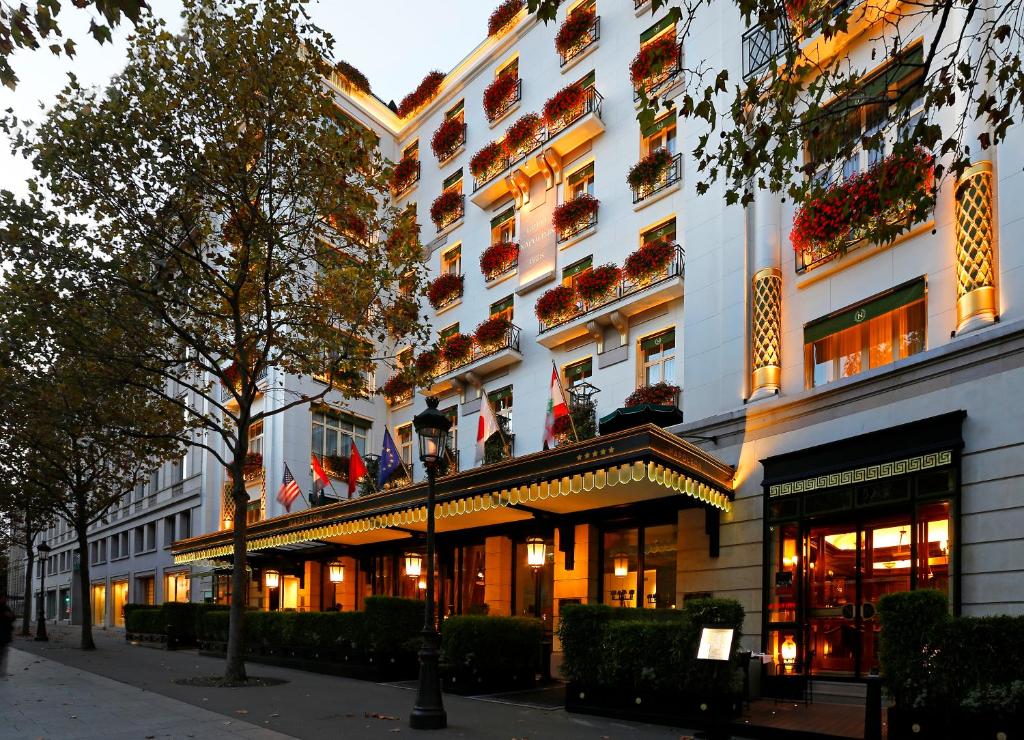
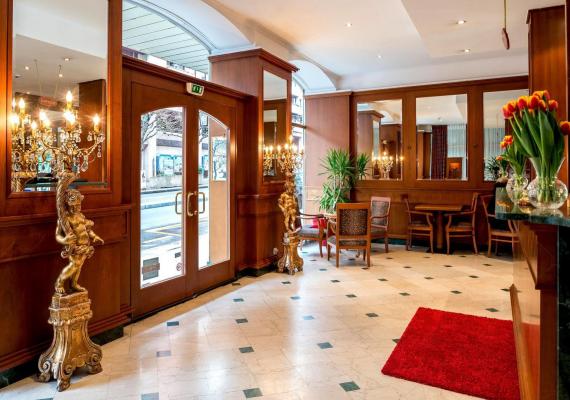
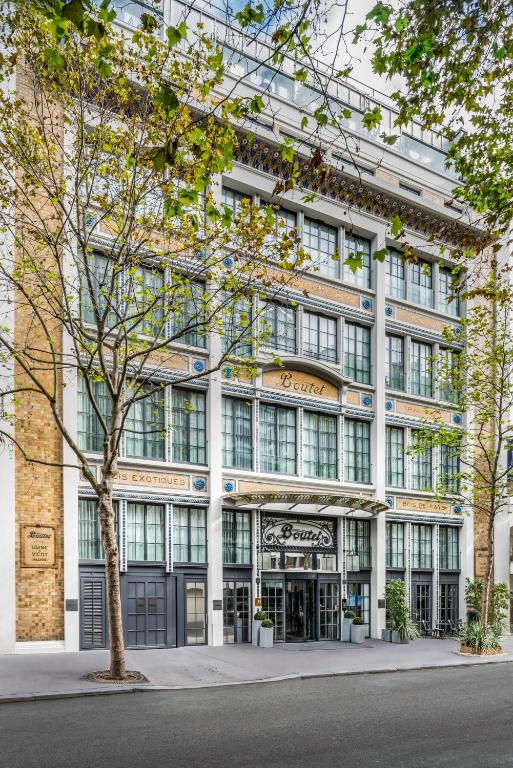
The gateway to this fascinating world, the hotel’s frontage embarks us in and of itself on a journey through time, a deep plungein the Paris of olden days. Fully renovated, it displays once again the beauty of the colors of its mosaics and the majesty of its Art Deco canopy.
After nightfall, the play of lights on the facade further enhances the delicacy of the work. Perfectly in keeping with the spirit of the hotel, it reveals a strong commitment to preserving the history of the place.
A legacy that is upheld even in the name of the hotel, which made his that of the joinery workshop, “Maison Boutet”.
A symbol of the philosophy of our hotel, this facade is one of the greatest successes of a renovation process that focused on the conservation of the industrial legacy of the building.
A proud industrial heritage
An emphasis on conviviality
Imbued in the farthest recesses of the hotel, its heritage as an industrial site and a place of craftsmanship was diligently protected. The manufacture was entirely revamped, while preserving the pith and marrow of the building, to make way for a hotel that embodies the very soul of Paris.
Wood and metal are given pride of place, echoing the traditional craftsmanship of the faubourgs. The choice of a raw architectural approach, with exposed steel and concrete structures, refers to the industrial heritage of the area. The hotel’s DNA lies in itsupholding an authentic nature: the sleekness of the shapes, the legitimacy of the resources used and the historic background of the place.
One of the challenges of the project lied in putting together the relevant décor. The furnishings, strictly functional, are the product of traditional handicraft. The visual design, efficient and sober, highlights the peculiarities of the building, while the apparentsimplicity of the place brings out the quality of the finishing and the detail of the work, giving it meaning.
In certain areas within the hotel, this “cleverly-thought spontaneity” assumes an urban style in an attempt to recreate the working-class feeling that once prevailed here and came to shape the very essence of the area.
In short, the appeal of our hotel in its contradictions, in the combination of traditional craftsmanship with the precision of the industrial world, of a minimalist spirit with thoroughly designed details and of a high-end institution with a working-class heart.
Rooms and Suites
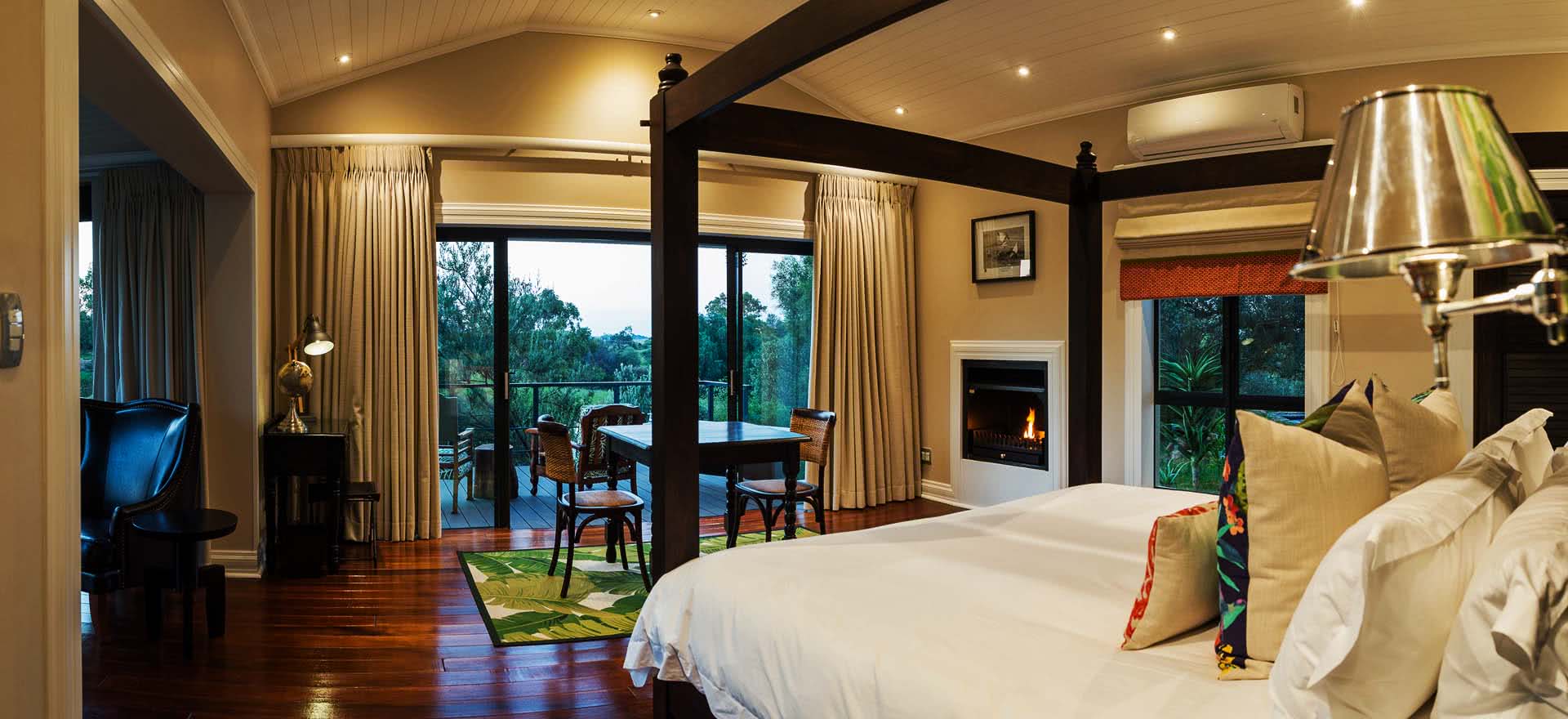
Each visit is a surprise at our hotel. Spread over six floors, the rooms stand out by their unique layout.
Each of them was designed with the utmost care by architect Vincent Bastie and designer Astrid Dieterlen.
Deluxe room - king bed
The 25sqm Deluxe rooms with a king bed accommodate you in a Parisian-style industrial ambiance. They offer you a deep sense of wellness and relaxation in the heart of Paris.
Features
Junior suite - King bed
Like the Superior and Deluxe Rooms, the spacious Junior suites with king bed are imbued with chic industrial style that brings you calm and serenity. Down to the last elegant detail, the architects and designers have worked together to preserve the essence of these historic spaces.
With parquet flooring in a chevron pattern, the L-shaped Teck suite is simply stunning. Much like a musical score, dark accents and white open spaces form a harmonious duo that, together with metallic patinas and deep walnut wood, sets the scene for a luxurious stay.
Features
Junior suite with terrace - King bed
Like the Superior and Deluxe rooms, the spacious Junior suites with terrace are imbued with chic industrial style that brings you calm and serenity. Down to the last elegant detail, the architects and designers have worked together to preserve the essence of these historic spaces.
Features
Deluxe Terrace suite
Take to the heights and admire the City of Lights from the private terrace of your Deluxe Suite. Relax in the steam shower before returning to your sitting area, where you can savor a cup of tea or coffee while admiring the breathtaking view.
Ebony suite
The dark woods of the Ebony Suite and the marble in the bathroom combine to create a chic milieu filled with elegance and nobility.
The hallway transforms into a playful stowage area, where each element seems to sprout organically from the walls.
Silky velvets add to the unique personality of this suite..
Teck suite
With parquet flooring in a chevron pattern, the L-shaped Teck Suite is simply stunning.
Much like a musical score, dark accents and white open spaces form a harmonious duo that, together with metallic patinas and deep walnut wood, sets the scene for a luxurious stay.
Features
Superior room - twin beds
The 20sqm Superior Room with twin beds accommodate you in a Parisian-style industrial ambiance. They offer you a deep sense of wellness and relaxation in the heart of Paris.
Features
Dining
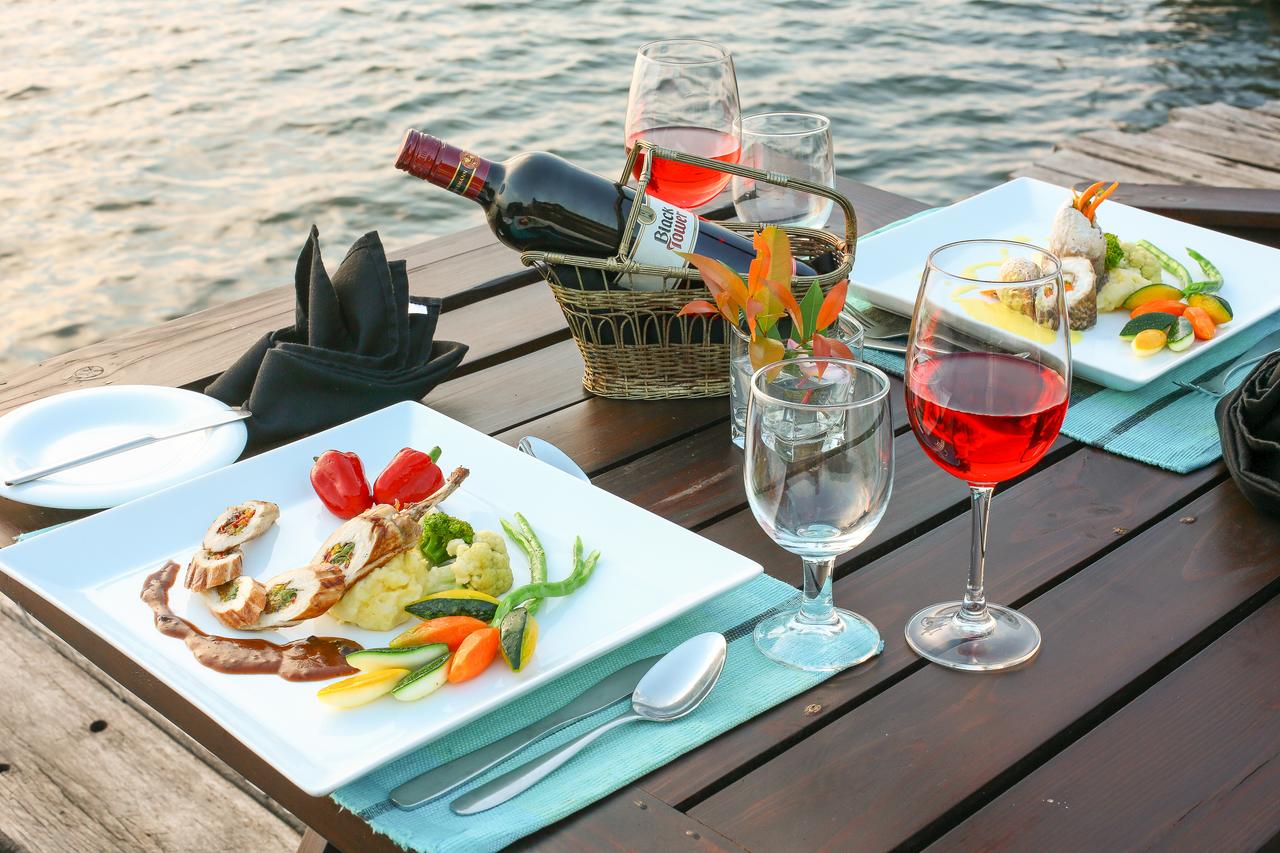
Make the most of the food and beverage options available at the hotel.
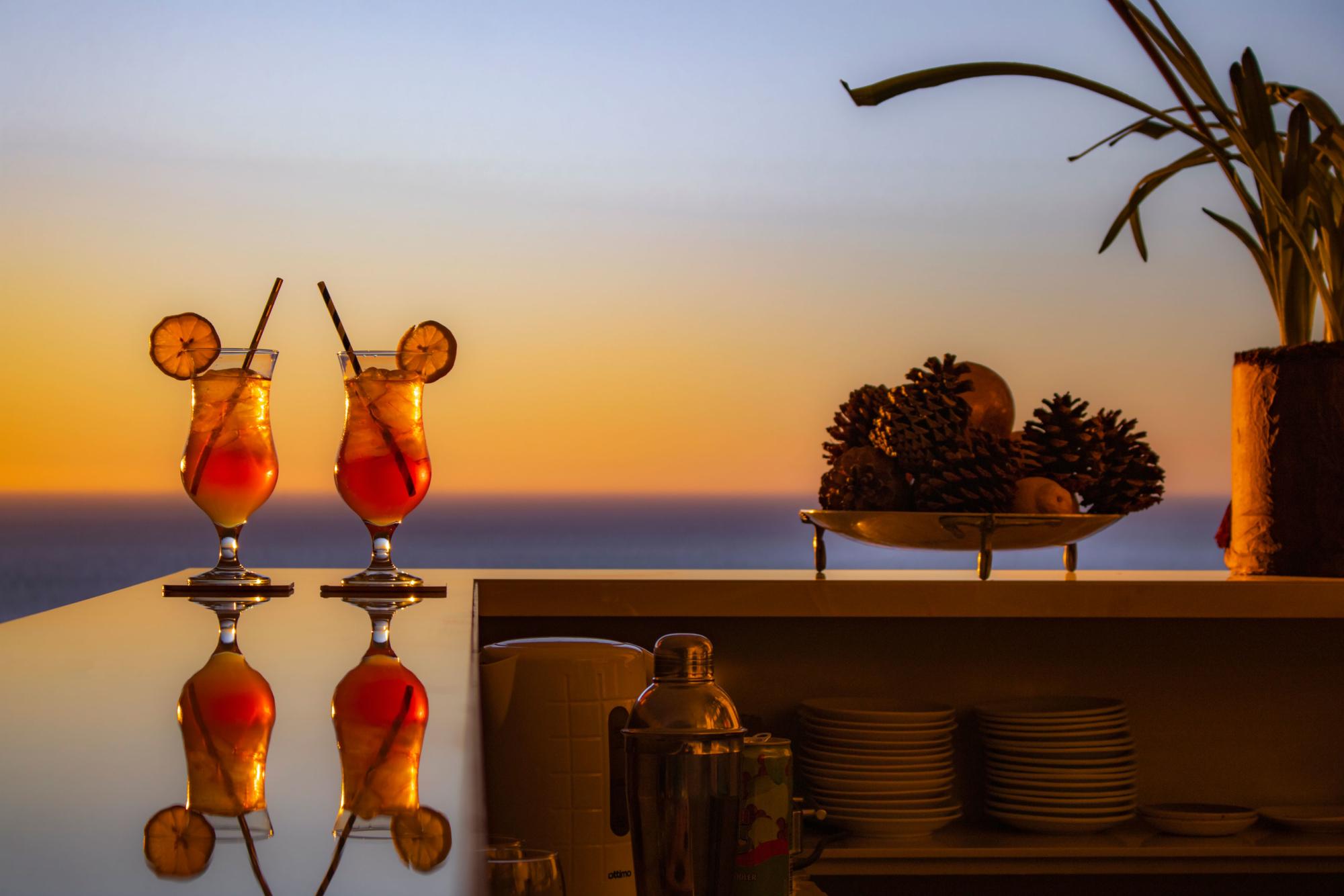
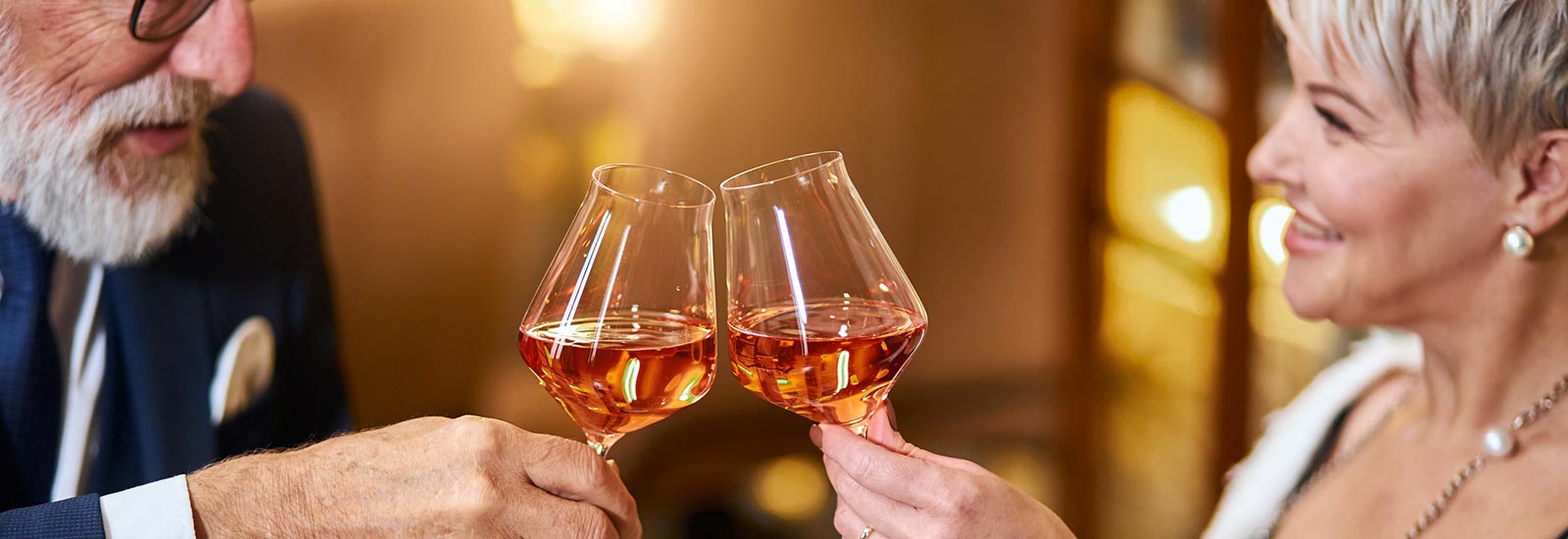
The cozy and friendly ambiance of our bar welcomes you from 8am to midnight. It is the ideal setting for sharing exclusive, privileged moments
Giving you the opportunity to linger over drinks with friends, to begin your evening on a high note, to rewrite history...
Order your favorite drink and dishes from the menu at the bar.
Restaurants & Bars
Breakfast
Maintaining a long tradition of hospitality, a buffet overflowing with sweet and savory options awaits you every morning in our breakfast room. Feast on breads and pastries, a salad of in-season fruits, smoked salmon and charcuterie, cheeses… The offerings are both decadent and light, with a selection of farm-fresh yogurts, refreshing fruit juices and scrambled eggs.
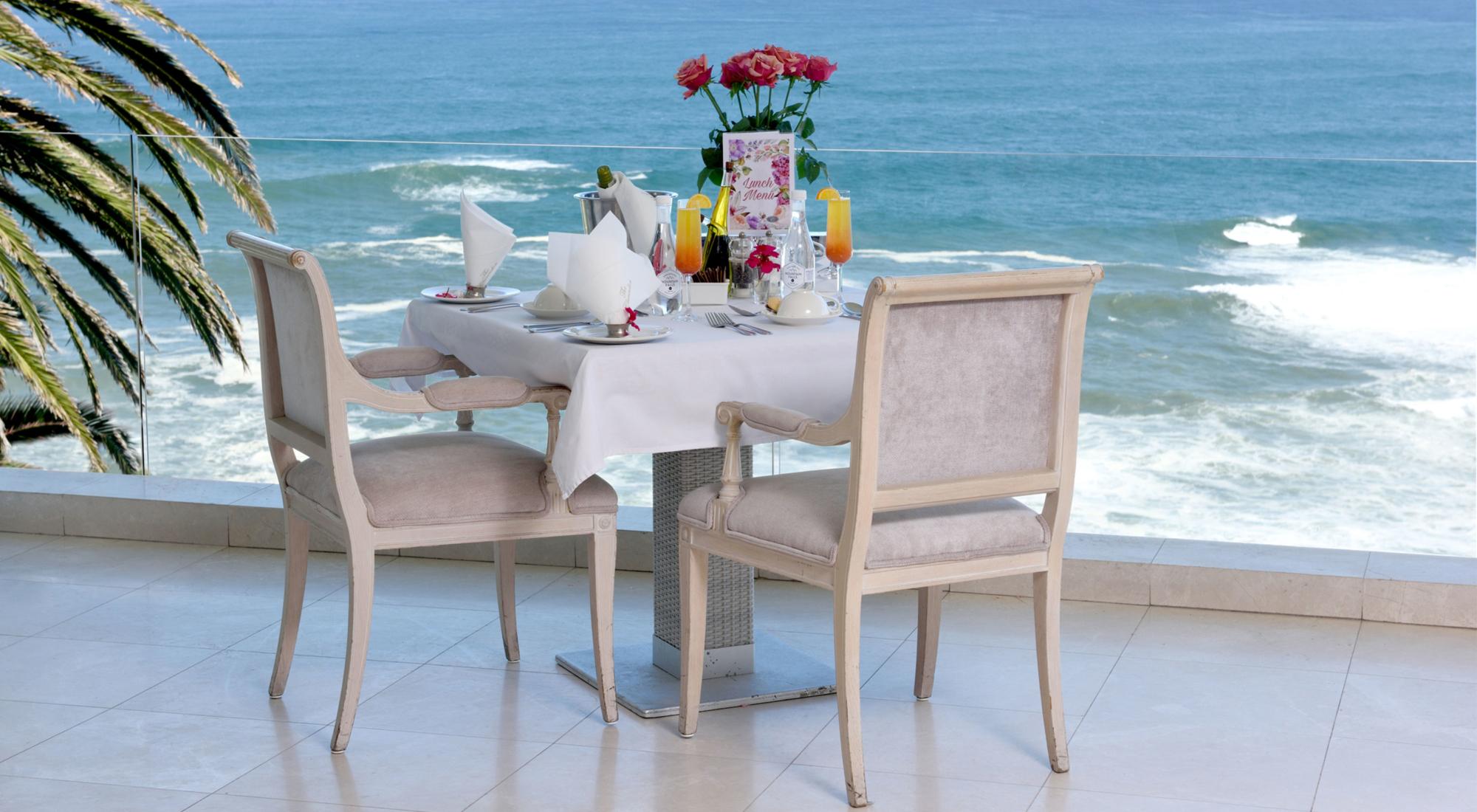
For a leisurely breakfast or a quick morning snack, on warm days we invite you to enjoy your meal on our express sunny patio.
Room Service
Our Room Service team is ready to serve you. Any time of the day or night, you can order a small snack or complete meal.
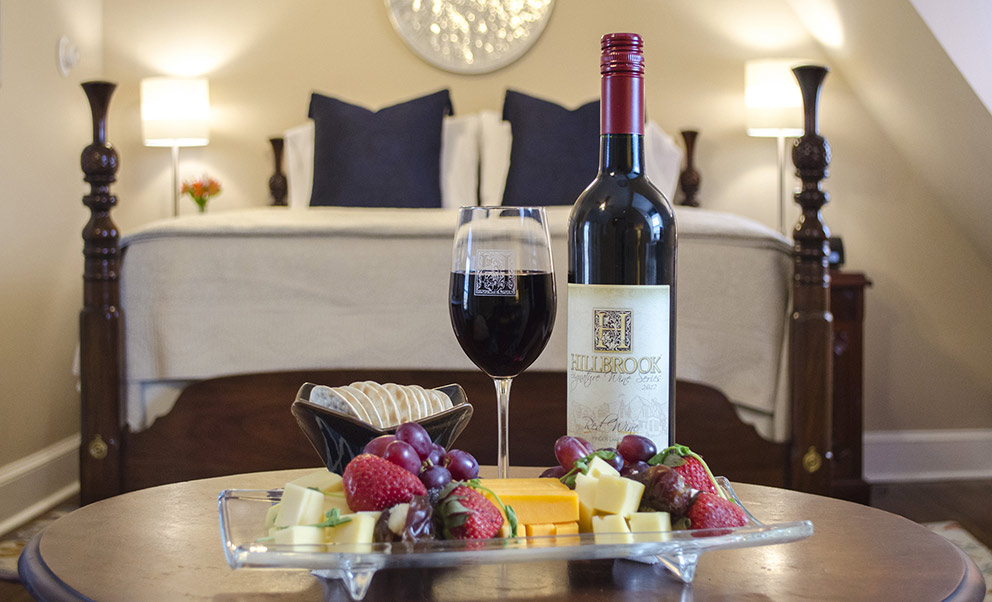
Enjoy dining in the comfort of your room, and pair your selection with one of our carefully curated wines.
The Afternoon Snack
The French have a tradition of le goûter, the afterschool snack. We proudly continue this tasty ritual with our hotel's snack from 4 to 6pm.
Discover our hot chocolate, accompanied by a sweet treat and a housemade madeleine. No need to deny yourself!
The Express Breakfast
Presenting The Express: a new version of our breakfast that is adapted to fit your morning routine.
Comprising a hot beverage, orange juice, yogurt, a pastry and bread, this concept by our hotel gives you the essentials for getting your day off to a great start.
Mixology Classes
Sign up for our mixology classes!
Our bartender will reveal the secrets of creating a perfect cocktail, from assembly techniques to presentation advice. You won’t want to miss this opportunity to chat with a master mixologist.
And the best part? At the end of each class, you get to enjoy the fruits of your labor.
Cocktail of the month
Every month, our team crafts a unique cocktail that reflects the latest trends as well as the heads bartender‘s artistry.
Banquets and Seminars
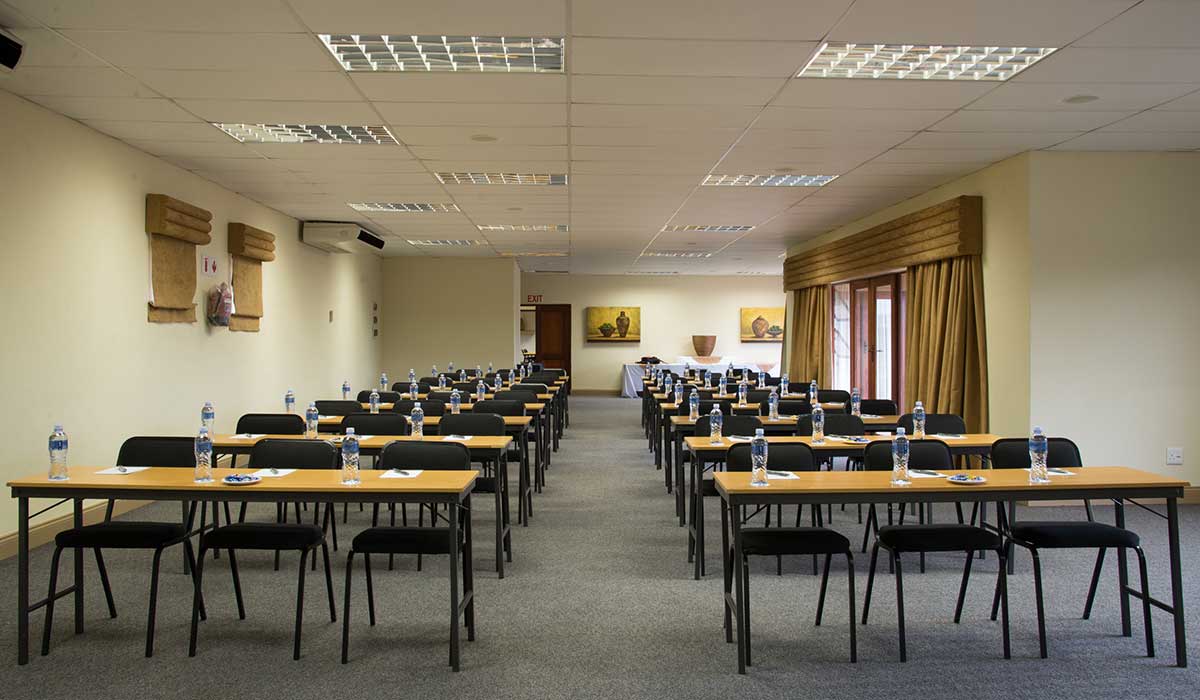
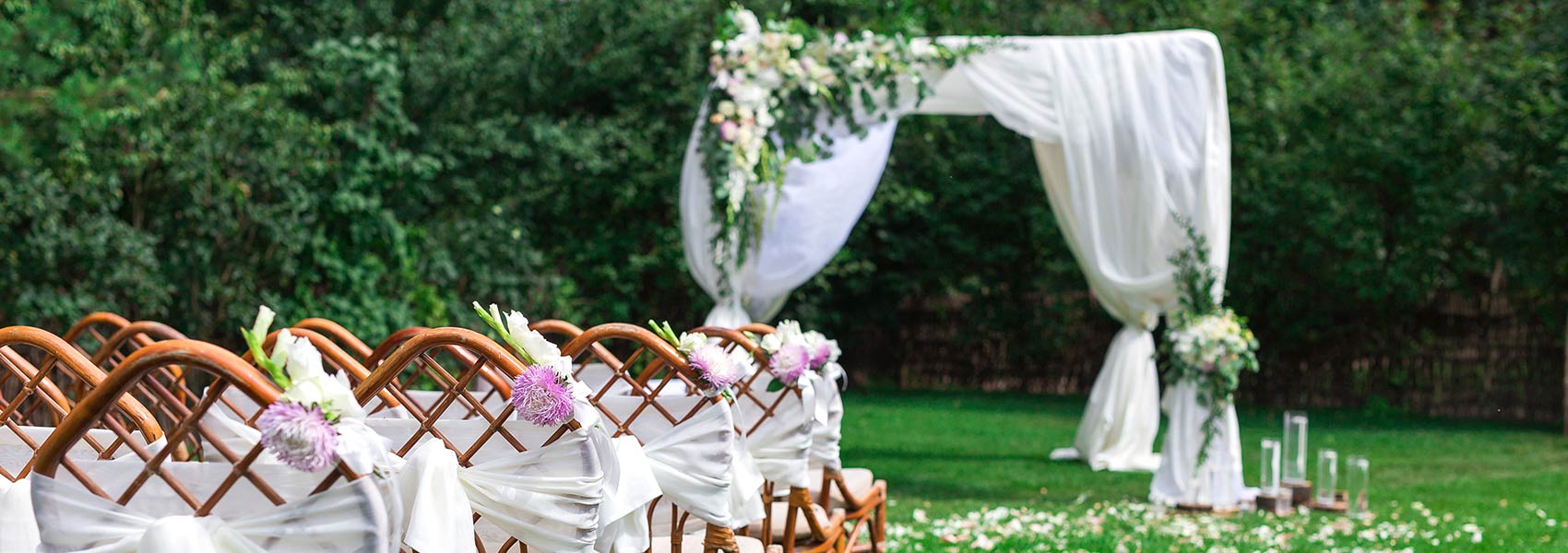
Whether you’re looking for a classic meeting room, a cool coworking space, or a venue for an afterwork event, you’ll appreciate Le Boutet for your banquets and seminars.
Our spacious and light-filled breakfast room is the perfect locale for your events. It opens onto two leafy terraces, so take full advantage this unique setting.
Make the space your own and transform it to suit your needs.
Spa
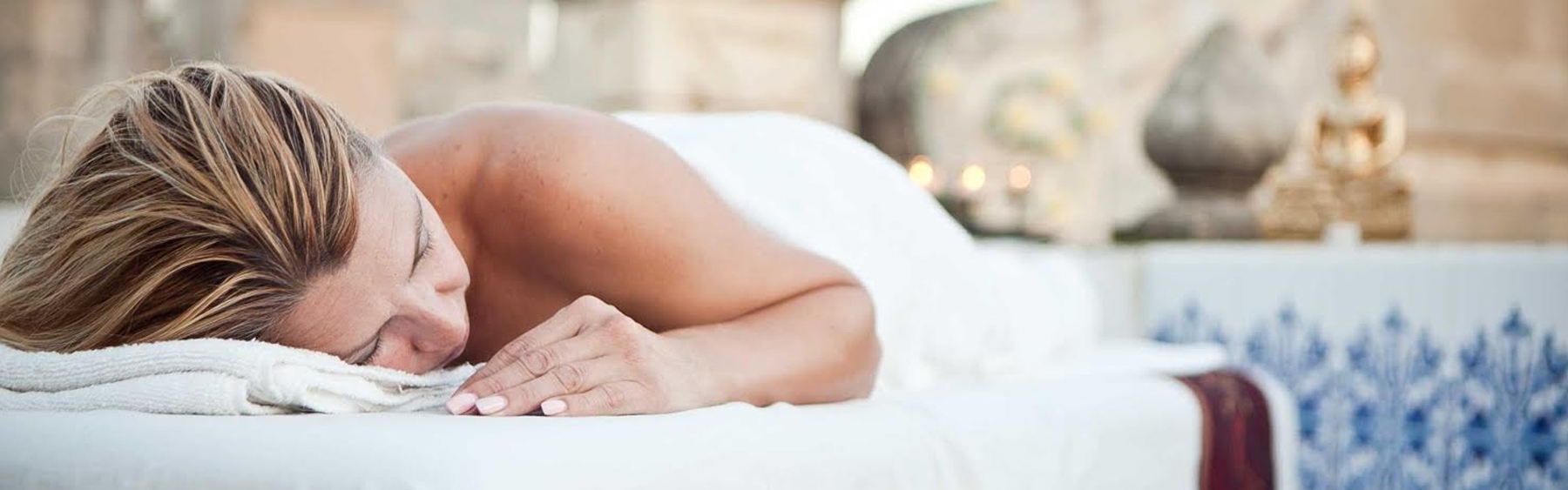
CODAGE SPA welcomes you daily from 9am to 8pm. Two treatment rooms, one of which is a double, invite you to unwind and liberate your senses. Indulge in memorable moments with a fabulous signature treatment using essences derived from wood – a nod to the history of our building, which once housed a woodworking factory.
Whether you’re in the mood for a massage or body scrub, the prestigious CODAGE label and its all-natural treatments lavish you with Zen-filled pampering. Each person’s skin is unique, which is why the brand’s concept is based on customization.
Thanks to a combination of several nutri-elements, the entire product line revolves around creating a formula for your individual treatment. This is the code of CODAGE.
Pool
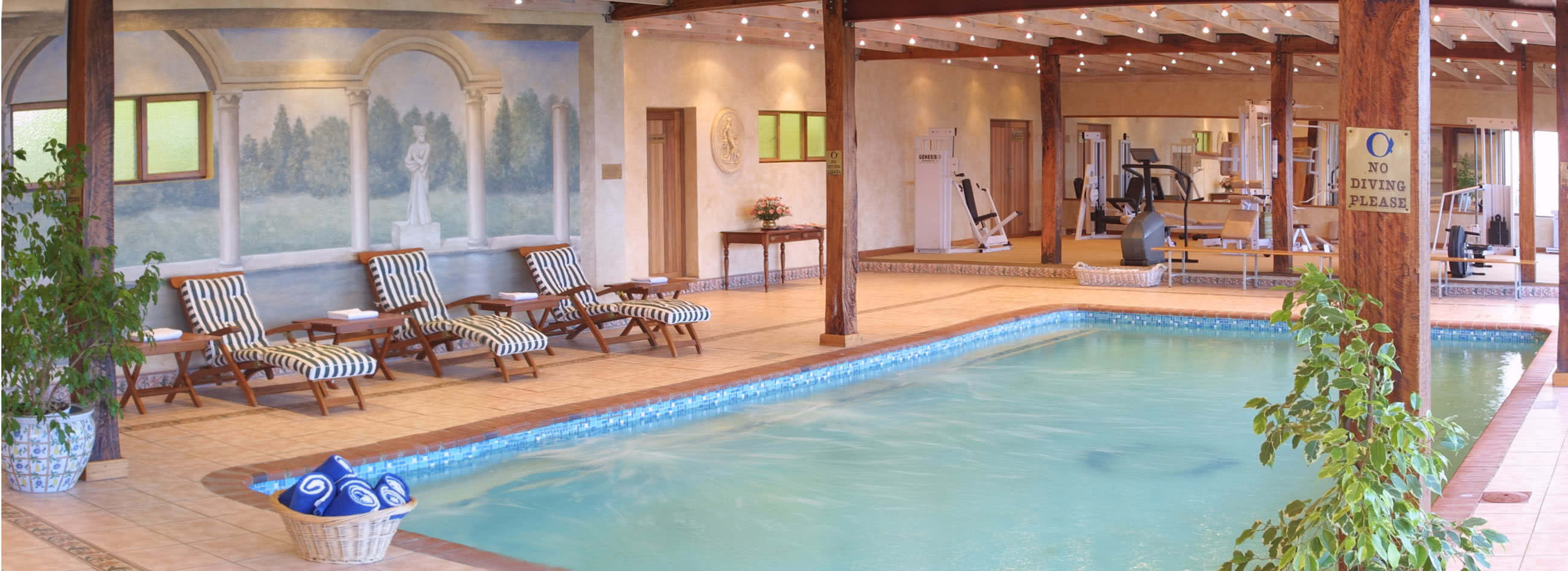
Covered across its entire surface with white and blue enameled tiles, the elegant relaxation area echoes the hotel’s iconic façade. As wanted by Astrid Dieterlen, the name “Boutet”, written in mosaic, proudly adorns the main wall.The 4x8m in door pool boast salights haft making it possible to bask in the sun at every time of the year. With its resistance jets, swimming becomes a vitalizing, stimulating exercise.
Everything here has been thought to take travelers on an exceptional, fulfilling experience. Witha steam room, a sauna and two luminotherapy showers, the well-being area is the ideal place to recharge one’s batteries.
Also discover our Too Fruit products for kids between the ages of 6 and 12. This line offers treatments specifically designed for delicate skin and adapted to children’s tastes and preferences. The organic-certified Too Fruit is the perfect ritual for taking care of their skin.
Paris
Paris is the capital and largest city of France, with an estimated city population of 2,048,472 in an area of 105.4 km2 (40.7 sq mi), and a metropolitan population of 13,171,056 as of January 2025. Located on the river Seine in the centre of the Île-de-France region, it is the largest metropolitan area and fourth-most populous city in the European Union (EU). Nicknamed the City of Light, partly because of its role in the Age of Enlightenment, Paris has been one of the world's major centres of finance, diplomacy, commerce, culture, fashion, and gastronomy since the 17th century.
Administratively, Paris is divided into twenty arrondissements (districts), each having their own cultural identity. Haussmann's renovation of Paris, which created new boulevards, parks, and public works, gave birth to a modern city known as the "capital of the 19th century". Paris is a major railway, motorway, and air-transport hub; in 2024 Charles de Gaulle Airport was the EU's busiest airport. Paris has one of the most sustainable transportation systems in the world and is one of only two cities that have received the Sustainable Transport Award twice. Its Art Nouveau-decorated Métro has become a symbol of the city. Paris is known for its museums and architectural landmarks: the Musée d'Orsay, Musée Marmottan Monet, and Musée de l'Orangerie are noted for their collections of French Impressionist art, while the Musée National d'Art Moderne, Musée Rodin, and Musée Picasso are noted for their collections of modern and contemporary art. Parts of the city along the Seine have been designated as a UNESCO World Heritage Site since 1991.
The President of France and both houses of the French Parliament sit in Paris. Paris is home to several United Nations organisations, including UNESCO, as well as other international organisations such as the OECD, the International Bureau of Weights and Measures (in neighbouring Saint-Cloud), the International Energy Agency, the Organisation internationale de la Francophonie, the International Federation for Human Rights, and the Fédération internationale de l'Automobile, along with European bodies such as the European Space Agency, the European Banking Authority, and the European Securities and Markets Authority. The city hosts many sporting events, such as the French Open, and is the home of the association football club Paris Saint-Germain and the rugby union club Stade Français. Paris has also hosted the Summer Olympics three times.
Etymology
The ancient oppidum that corresponds to the modern city of Paris was first mentioned in the mid-1st century BC by Julius Caesar as Lutetia Parisiorum ('Lutetia of the Parisii') and is later attested as Parision in the 5th century AD, then as Paris in 1265. During the Roman period, it was commonly known as Lutetia in Latin, which is interpreted as either stemming from the Celtic root *lukot- ('mouse'), or from *luto- ('marsh, swamp').
The name Paris is derived from its early inhabitants, the Parisii, a Gallic tribe from the Iron Age and the Roman period. The meaning of the Gaulish ethnonym remains debated. According to Xavier Delamarre, it may derive from the Celtic root pario- ('cauldron'). Alfred Holder interpreted the name as 'the makers' or 'the commanders', by comparing it to the Welsh peryff ('lord, commander'), both possibly descending from a Proto-Celtic form reconstructed as *kwar-is-io-. Alternatively, Pierre-Yves Lambert proposed to translate Parisii as the 'spear people', by connecting the first element to the Old Irish carr ('spear'), derived from an earlier *kwar-sā.
Residents of the city are known in English as Parisians and in French as Parisiens. They are also pejoratively called Parigots.
History
Origins
The Parisii people inhabited the Paris area from around the middle of the 3rd century BC. One of the area's major north–south trade routes crossed the Seine on the Île de la Cité, which gradually became an important trading centre. The Parisii traded with many river towns (some as far away as the Iberian Peninsula) and minted their own coins.
Julius Caesar conquered the Paris Basin for the Roman Republic in 52 BC and began the Roman settlement on Paris's Left Bank. The Roman town was originally called Lutetia (more fully, Lutetia Parisiorum, "Lutetia of the Parisii", modern French Lutèce). It became a prosperous city with a forum, baths, temples, theatres, and an amphitheatre.
By the end of the Western Roman Empire, the town was known as Parisius, a Latin name that would later become Paris in French. Christianity was introduced in the middle of the 3rd century AD by Saint Denis, the first Bishop of Paris: according to legend, when he refused to renounce his faith before the Roman occupiers, he was beheaded on the hill which became known as Mons Martyrum (Latin "Hill of Martyrs"), later "Montmartre", from where he walked headless to the north of the city; the place where he fell and was buried became an important religious shrine, the Basilica of Saint-Denis, and many French kings are buried there.
Clovis the Frank, the first king of the Merovingian dynasty, made the city his capital from 508. As the Frankish domination of Gaul began, there was a gradual immigration by the Franks to Paris, and the Parisian Francien dialects were born. Fortification of the Île de la Cité failed to avert sacking by Vikings in 845. Still, Paris's strategic importance—with its bridges preventing ships from passing—was established by successful defence in the Siege of Paris (885–886), for which the then Count of Paris (comte de Paris), Odo of France, was elected king of West Francia.[22] From the Capetian dynasty that began with the 987 election of Hugh Capet, Count of Paris and Duke of the Franks (duc des Francs), as king of a unified West Francia, Paris gradually became the largest and most prosperous city in France.
High and Late Middle Ages to Louis XIV
By the end of the 12th century, Paris had become the political, economic, religious, and cultural capital of France. Maurice de Sully, bishop of Paris, started the construction of the Notre Dame Cathedral in 1163, and was completed after 182 years. After the marshland between the river Seine and its slower 'dead arm' to its north was filled in from around the 10th century, Paris's cultural centre began to move to the Right Bank. In 1137, a new city marketplace (today's Les Halles) replaced the two smaller ones on the Île de la Cité and Place de Grève (Place de l'Hôtel de Ville). The latter location housed the headquarters of Paris's river trade corporation. This organisation later became, unofficially (although formally in later years), Paris's first municipal government.
In the late 12th century, Philip Augustus extended the Louvre fortress to defend the city against river invasions from the west, gave the city its first walls between 1190 and 1215, rebuilt its bridges to either side of its central island, and paved its main thoroughfares. In 1190, he transformed Paris's former cathedral school into a student-teacher corporation that would become the University of Paris and would draw students from all of Europe.
With 200,000 inhabitants in 1328, Paris, then already the capital of France, was the most populous city of Europe. By comparison, London in 1300 had 80,000 inhabitants. By the early fourteenth century, so much filth had collected inside urban Europe that French and Italian cities were naming streets after human waste. In medieval Paris, several street names were inspired by merde, the French word for "shit".
During the Hundred Years' War, Paris was occupied by England-friendly Burgundian forces from 1418, before being occupied outright by the English when Henry V of England entered the French capital in 1420; despite a 1429 effort by Joan of Arc to liberate the city, it would remain under English occupation until 1436.
In the late 16th century French Wars of Religion, Paris was a stronghold of the Catholic League, the organisers of 24 August 1572 St. Bartholomew's Day massacre in which thousands of French Protestants were killed. The conflicts ended when pretender to the throne Henry IV, after converting to Catholicism to gain entry to the capital, entered the city in 1594 to claim the crown of France. This king made several improvements to the capital during his reign: he completed the construction of Paris's first uncovered, sidewalk-lined bridge, the Pont Neuf, built a Louvre extension connecting it to the Tuileries Palace, and created the first Paris residential square, the Place Royale, now Place des Vosges. Despite Henry IV's efforts to improve city circulation, the narrowness of Paris's streets was a contributing factor in his assassination near Les Halles marketplace in 1610.
During the 17th century, Cardinal Richelieu, chief minister of Louis XIII, was determined to make Paris the most beautiful city in Europe. He built five new bridges, a new chapel for the College of Sorbonne, and a palace for himself, the Palais-Cardinal. After Richelieu died in 1642, it was renamed the Palais-Royal.
Due to the Parisian uprisings during the Fronde civil war, Louis XIV moved his court to a new palace, Versailles, in 1682. Although no longer the capital of France, arts and sciences in the city flourished with the Comédie-Française, the Academy of Painting, and the French Academy of Sciences. To demonstrate that the city was safe from attack, the king had the city walls demolished and replaced with tree-lined boulevards that would become the Grands Boulevards. Other marks of his reign were the Collège des Quatre-Nations, the Place Vendôme, the Place des Victoires, and Les Invalides.
18th and 19th centuries
Paris grew in population from about 400,000 in 1640 to 650,000 in 1780. A new boulevard named the Champs-Élysées extended the city west to Étoile, while the working-class neighbourhood of the Faubourg Saint-Antoine on the eastern side of the city grew increasingly crowded with poor migrant workers from other regions of France. Paris's role in education and sciences led Paris to be known as the City of Light during the age of Enlightenment in the 18th century.
In the summer of 1789, Paris became the centre stage of the French Revolution. On 14 July, a mob seized the arsenal at the Invalides, acquiring thousands of guns, with which it stormed the Bastille, a principal symbol of royal authority. The first independent Paris Commune, or city council, met in the Hôtel de Ville and elected a Mayor, the astronomer Jean Sylvain Bailly, on 15 July.
Louis XVI and the royal family were brought to Paris and incarcerated in the Tuileries Palace. In 1793, as the revolution turned increasingly radical, the king, queen, and mayor were beheaded by guillotine in the Reign of Terror, along with more than 16,000 others throughout France. The property of the aristocracy and the church was nationalised, and the city's churches were closed, sold, or demolished. A succession of revolutionary factions ruled Paris until 9 November 1799 (coup d'état du 18 brumaire), when Napoleon Bonaparte seized power as First Consul.
The population of Paris had dropped by 100,000 during the Revolution, but after 1799 it surged with 160,000 new residents, reaching 660,000 by 1815. Napoleon replaced the elected government of Paris with a prefect who reported directly to him. He began erecting monuments to military glory, including the Arc de Triomphe, and improved the neglected infrastructure of the city with new fountains, the Canal de l'Ourcq, Père Lachaise Cemetery and the city's first metal bridge, the Pont des Arts. The Arc de Triomphe was eventually completed in 1836.
During the Restoration, the bridges and squares of Paris were returned to their pre-Revolution names; the July Revolution in 1830 (commemorated by the July Column on the Place de la Bastille) brought to power a constitutional monarch, Louis Philippe I. The first railway line to Paris opened in 1837, beginning a new period of massive migration from the provinces to the city. In 1848, Louis-Philippe was overthrown by a popular uprising in the streets of Paris. His successor, Napoleon III, alongside the newly appointed prefect of the Seine, Georges-Eugène Haussmann, launched a huge public works project to build wide new boulevards, a new opera house, a central market, new aqueducts, sewers and parks, including the Bois de Boulogne and Bois de Vincennes. In 1860, Napoleon III annexed the surrounding towns and created eight new arrondissements, expanding Paris to its current limits.
During the Franco-Prussian War (1870–1871), Paris was besieged by the Prussian Army. Following several months of blockade, hunger, and then bombardment by the Prussians, the city was forced to surrender on 28 January 1871. After seizing power in Paris on 28 March, a revolutionary government known as the Paris Commune held power for two months, before being harshly suppressed by the French army during the "Bloody Week" at the end of May 1871.
In the late 19th century, Paris hosted two major international expositions: the 1889 Universal Exposition, which featured the new Eiffel Tower, was held to mark the centennial of the French Revolution; and the 1900 Universal Exposition gave Paris the Pont Alexandre III, the Grand Palais, the Petit Palais and the first Paris Métro line. Paris became the laboratory of Naturalism (Émile Zola) and Symbolism (Charles Baudelaire and Paul Verlaine), and of Impressionism in art (Courbet, Manet, Monet, Renoir).
20th and 21st centuries
By 1901, the population of Paris had grown to about 2,715,000. At the beginning of the century, artists from around the world, including Pablo Picasso, Modigliani, and Henri Matisse made Paris their home. It was the birthplace of Fauvism, Cubism and abstract art, and authors such as Marcel Proust were exploring new approaches to literature.
During the First World War, Paris sometimes found itself on the front line; 600 to 1,000 Paris taxis played a small but highly important symbolic role in transporting 6,000 soldiers to the front line at the First Battle of the Marne. The city was also bombed by Zeppelins and shelled by German long-range guns. In the years after the war, known as Les Années Folles, Paris continued to be a mecca for writers, musicians and artists from around the world, including Ernest Hemingway, Igor Stravinsky, James Joyce, Josephine Baker, Eva Kotchever, Henry Miller, Anaïs Nin, Sidney Bechet and Salvador Dalí.
In the years after the peace conference, the city was also home to growing numbers of students and activists from French colonies and other Asian and African countries, who later became leaders of their countries, such as Ho Chi Minh, Zhou Enlai and Léopold Sédar Senghor.
On 14 June 1940, the German army marched into Paris, which had been declared an "open city". On 16–17 July 1942, following German orders, the French police and gendarmes arrested 12,884 Jews, including 4,115 children, and confined them during five days at the Vel d'Hiv, from which they were transported by train to the extermination camp at Auschwitz. None of the children came back. On 25 August 1944, the city was liberated by the French 2nd Armoured Division and the 4th Infantry Division of the United States Army. General Charles de Gaulle led a huge and emotional crowd down the Champs Élysées towards Notre Dame de Paris and made a rousing speech from the Hôtel de Ville.
Paris became involved Algerian War for independence, which occurred in the 1950s and 1960s; in August 1961, the pro-independence FLN, targeted and killed 11 Paris policemen, leading to the imposition of a curfew on Muslims of Algeria (who, at that time, were French citizens). On 17 October 1961, an unauthorised but peaceful protest demonstration of Algerians against the curfew led to violent confrontations between the police and demonstrators, in which at least 40 people were killed. The anti-independence Organisation armée secrète (OAS) carried out a series of bombings in Paris throughout 1961 and 1962.
In May 1968, protesting students occupied the Sorbonne and put up barricades in the Latin Quarter. Thousands of Parisian blue-collar workers joined the students, and the movement grew into a two-week general strike. Supporters of the government won the June elections by a large majority. The May 1968 events in France resulted in the break-up of the University of Paris into 13 independent campuses. In 1975, the National Assembly changed the status of Paris to that of other French cities and, on 25 March 1977, Jacques Chirac became the first elected mayor of Paris since 1793. The Tour Maine-Montparnasse, the tallest building in the city at 57 storeys and 210 m (689 ft) high, was built between 1969 and 1973. It was highly controversial, and it remains the only building in the centre of the city over 32 storeys high. The population of Paris dropped from 2,850,000 in 1954 to 2,152,000 in 1990, as middle-class families moved to the suburbs. A suburban railway network, the RER (Réseau Express Régional), was built to complement the Métro; the Périphérique expressway encircling the city was completed in 1973. The bank of the Seine in the city centre, which includes the Louvre and the Eiffel Tower was classified as a UNESCO World Heritage Site in 1991.
Most of the postwar presidents of the Fifth Republic wanted to leave their own monuments in Paris; President Georges Pompidou started the Centre Georges Pompidou (1977), Valéry Giscard d'Estaing began the Musée d'Orsay (1986); President François Mitterrand had the Opéra Bastille built (1985–1989), the new site of the Bibliothèque nationale de France (1996), the Arche de la Défense (1985–1989) in La Défense, as well as the Louvre Pyramid with its underground courtyard (1983–1989); Jacques Chirac (2006), the Musée du quai Branly.
In the early 21st century, the population of Paris began to increase slowly again, as more young people moved into the city. It reached 2.25 million in 2011. In March 2001, Bertrand Delanoë became the first socialist mayor; he was re-elected in March 2008. Bertrand Delanoë also transformed a section of the highway along the Left Bank of the Seine into an urban promenade and park, the Promenade des Berges de la Seine, which he inaugurated in June 2013.
Cliff Jacobs (Nat Dpl Hotel Man (UJ). MPRE. GA Level 5 TEFL) Managing Principal / CEO Exquisite Hotel Consultants (Pty) Ltd Mobile: +27 (0) 84 413 1071 / +27 (0) 61 716 6951 Email: cliff@exquisitehotelconsultants.com Web: https://www.exquisitehotelconsultants.com © All rights reserved Terms and Conditions apply Scroll down to view our Hospitality Properties and Businesses for sale or lease or lease-to-buy or partnership arrangement or management agreement arrangement.


 Name: Apex Hospitality Services
 Hospitality Services
Apex Hospitality Services (AHS) is a professional hotel management and development company focused on delivering strong operational and financial performance. With experience across 17 hotels, including global brands,we consistently achieve high occupancy, competitive RevPAR, and market-leading results.
Our Values
Purpose & Mission
At AHS, we aim to create sustainable value for all stakeholders by optimizing hotel performance. Our mission is to elevate each property’s revenue, guest experience, and profitability through smart, creative, and authentic management practices. AHS excels in the smart-luxury and high-value lifestyle segment, delivering premium returns for owners.
Leadership
Core Services
Value for Owners
We transform underperforming assets through revenue improvements, operational efficiencies, and strategic guidance. Our tailored solutions—from full management to advisory services—enhance profitability, control costs, and increase long-term asset value across hotels, guesthouses, and lodges.
Get Started
Contact us for a discovery session to explore how AHS can unlock your property's full potential.
Martin: (+27) 828252211 : martin@thefairways.co.za
Paul: (+27) 828822777 : kelley@richland.co.za
 Name: BondExcel
 Mortgage Origination
We interface with all of the major banks in South Africa to ensure that you get the right home loan solution at the best possible rate.
Looking forward to assist you with your home loan application!
 Name: Businessentials For Hospitality
 Hospitality Consulting, Accounting, Bookkeeping and Payroll Services
 Name: Capital Efficiency Group
 Corporate Finance, Tax & Accounting and Treasury Services.
 Name: Cliffe Dekker Hofmeyr Inc
 Attorneys, Notaries and Conveyancers
 Name: D E I R D R E R E N N I E R S Interior Design
 Interior Design
 Name: De Leeuw Valuers Cape Town
 Property Valuation Services
 Name: E C Mobility
 International property, law and immigration
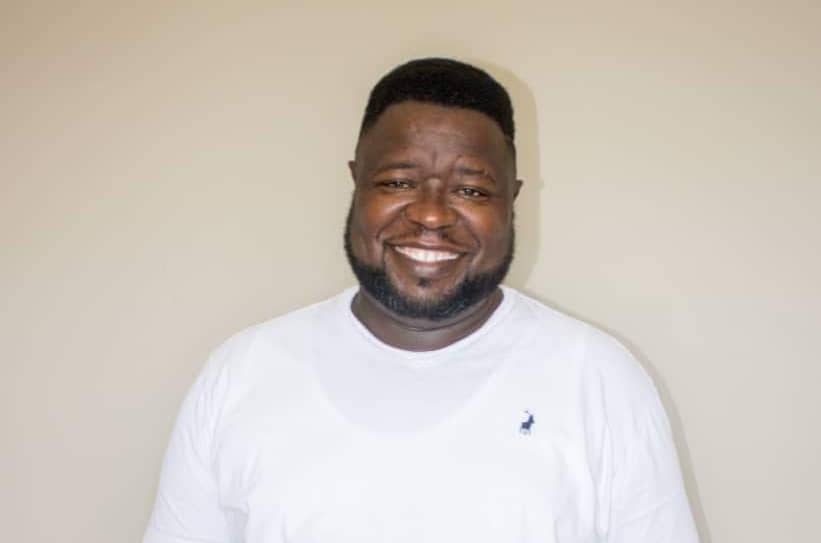 Name: Edward Tokolo Kasete
 Real Estate Specialist - Our Associate in Namibia
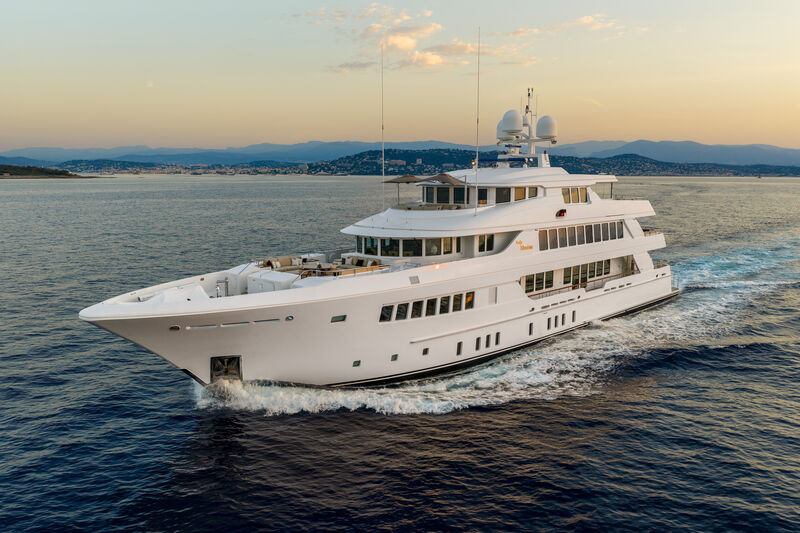
We offer an international platform of specialist hospitality property and/or business brokering services by listing and marketing for sale or lease or by investment partner arrangement or management agreement arrangement of a variety of hospitality products (i.e. hotels, resorts, boutique hotels, guest houses, guest lodges, B&Bs, game resorts, wine farms, yachts, cruise liners, etc) through our association with EC Mobility (in Portugal and Spain), BON Hotels (Africa), Giovanni Conti (Italy, North and East Africa, Sri Lanka), Nuno Boquinhas (Portugal, Azores, Madeira, Mozambique), Property 24, Seeff Property Services, Harcourts, Realnet, RE/MAX, Dogon Property Group, Rawson Estates, among many other prominent commercial estate agencies throughout Southern Africa - and now we are entering other African Countries on the East and West Coasts of Africa and moving further abroad! To date, Exquisite Hotel Consultants has a presence in over 80 countries - and counting...
Working with the above-mentioned agencies and others provides the largest possible reach nationally and internationally for all prospective buyers and sellers wishing to enter or exit the Hospitality Industry.
Sister websites have been opened in the following countries: United Kingdom: see www.exquisitehotelconsultants.co.uk, and in Germany: see www.exquisitehotelconsultants.de, and in the United States of America: see www.exquisitehotelconsultants.us.
Please note that several of our hospitality properties and/or businesses for sale or lease or through business partnership arrangements or management contracts are officially "Off-Market" - mainly for privacy reasons. Therefore, they are not listed as part of our hospitality properties/businesses for sale or lease stock. Please contact me for further details.
Should you be considering to sell or buy or lease or obtain a partnership arrangement or management agreement arrangement for your hotel, boutique hotel, resort, guest house, B&B, game lodge, game resort, guest farm, yacht or cruise liner etc, I would be most pleased to provide you with further details of our way of working to effectively market and sell your property(ies) and/or business(es).
 Name: Electrolux Professional
 Food Service, Beverage and Laundry Solutions
Electrolux Professional is a leading global provider of foodservice, beverage and laundry solutions, serving a wide range of customers globally, from restaurants and hotels to healthcare, educational and other service facilities.
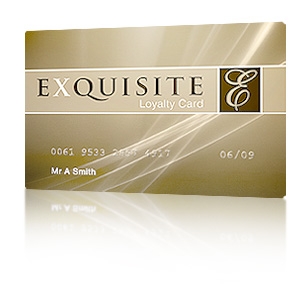 Name: Exquisite Card
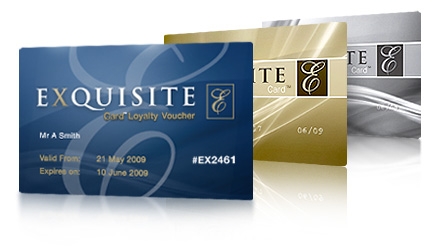
Launch of Exquisite Card Discount Loyalty Program for Accommodation & Car Hire
As an hotelier of some 40 years standing – 22 years of which as the original owner/operator of Villa Belmonte Manor House Hotel in Cape Town, I am so very pleased and proud to introduce our new venture, namely Exquisite Card™, to you, to meet the needs of Internet-driven travellers who have the power and inclination to plan their holidays or business trips themselves and accordingly reserve flights, accommodation and car hire, etc. directly with service providers.
Exquisite Card offers discounts to this new kind of traveller through a discount card and/or voucher, which entitles the holder to +-20% discount on accommodation - as well as a variety of excellent additional special offers from time to time (including additional discounts on food and beverages) - on more than 5000 four and five star-standard hotels, boutique hotels, guesthouses, lodges and self-catering rooms in twelve African countries, and increasing in numbers and generally, a spread of properties throughout Africa and the rest of the World on a daily basis. The card or voucher is purchased through a secure e-commerce portal at www.exquisitehotelconsultants.com
At a cost of R 390 for a one-year card, R 690 for a two-year card, or R29 for a daily voucher (yes, you can be a member of Exquisite Card™ for just one night if you wish!). This is an insignificant charge compared to the savings made on just one night’s accommodation and other tourism services like car hire and spa treatments etc. Note that we are also currently negotiating with domestic and foreign airlines, restaurants, hired car groups, etc for similar discounts.
How does it work? The cardholder searches the Exquisite Card website for partnering establishments and services, then books directly, stating the card or voucher number. The hotel then charges the client an average of 20% less than the published rate. Nearly two hundred top properties have already become Exquisite Card partners. If you’re wondering, “Where’s the catch?” there quite simply isn’t one. Hotels/Guesthouses want more business, travellers want to pay less and Exquisite Card™ discounts bring the two parties together and make everybody happy! All establishments and partners of Exquisite Card are expected to meet rigorous standards, because our members expect a high level of product and service.
So, please do browse the website and become a member of Exquisite Card™ when next you travel. Should you have any queries whatsoever, please do not hesitate to contact myself at (27) (21) 84 413 1071 or via email at cliff@exquisitehotelconsultants.co.za.
All the best
Cliff Jacobs
Managing Director - Exquisite Card (Pty) Ltd
 Name: Exquisite Hotel Consultants' Hospitality Training Department
 Learn to speak Hotel English (one-to-one online course)
Our TEFL trained tutors teach the following functions
The course consists of 21 lessons (4 to 5 one-hour lessons per month).
 Name: FVE Interiors
 Interior Design
 Name: Healing Earth
 Hotel Amenities - inspired by Africa
 Name: Hospitality Management Couple
International Hospitality Management Couple
Core Expertise
Career Objective
We are seeking a long-term live-in operational role within a boutique hospitality, luxury estate, riad, boutique hotel, lodge, or private property where we can take full responsibility for operations and contribute to sustainable growth and guest experience excellence.
 Name: Hospro
 Hospitality Consultancy and Procurement
 Name: Hotel Revenue Management
 Revenue (yield) Management
Online room inventory Distribution & Rates optimisation
Implementation of Best Available Rate (BAR), in conjunction with point 1 & 2
 Name: Indigo Real Estate Agency
 Real Estate Agency - Our Associate in Mozambique
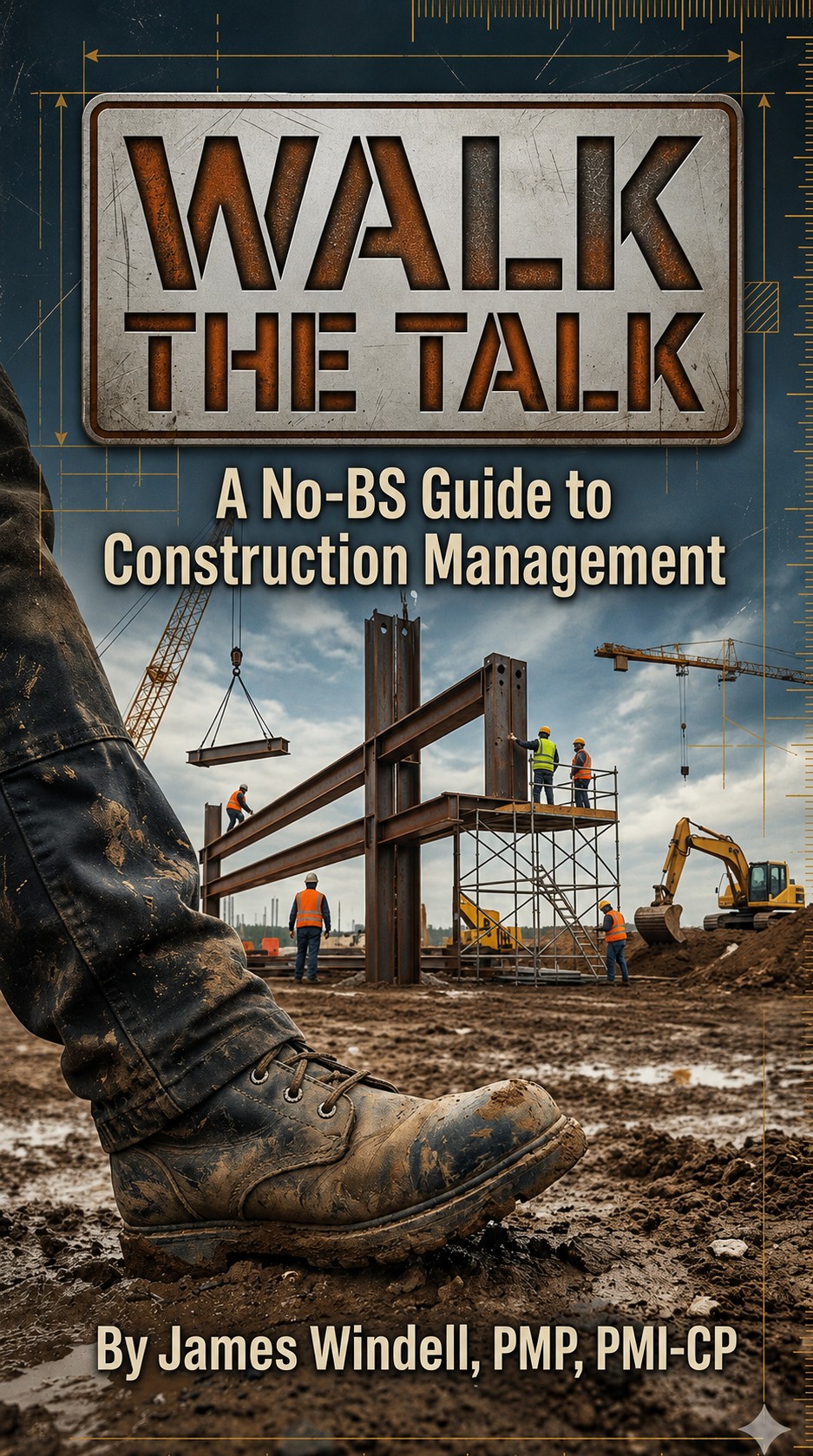 Name: James Windell - Construction Project Manager - PMP, PMI-CP
 Construction and Renovation
 Name: Lisa Dunn - Tourism Grading Assessor
 Tourism Grading Assessment
 Name: Ooba (Pty) Ltd
 Mortgage Origination
ooba offers you:
 Name: SK Sambu Tours & Transfers
 Johannesburg based Tours & Transfers Operator
We look forward to being of service to you.
Kind regards
King Sambu
 Name: Soul Private Collection
 Hotel Management and Marketing
 Name: The Dumb Butler Hospitality Suppliers
 Hotel Linen Suppliers
LUX Award Winners 2021 for The Best Hospitality Suppliers. We are a proudly South African brand established in 2006.
We Supply:
 Name: The High Street Auction Company
Property Auctioneers
Appreciating Property Value
 Name: Touch Point Retail
 Smart Interior Design
Cliff Jacobs (Nat Dpl Hotel Man (UJ). MPRE. GA Level 5 TEFL) Managing Principal / CEO Exquisite Hotel Consultants (Pty) Ltd Mobile: +27 (0) 84 413 1071 / +27 (0) 61 716 6951 Email: cliff@exquisitehotelconsultants.com Web: https://www.exquisitehotelconsultants.com © All rights reserved Terms and Conditions apply Scroll down to view our Hospitality Properties and Businesses for sale or lease or lease-to-buy or partnership arrangement or management agreement arrangement.