.JPG "Exquisite Properties")
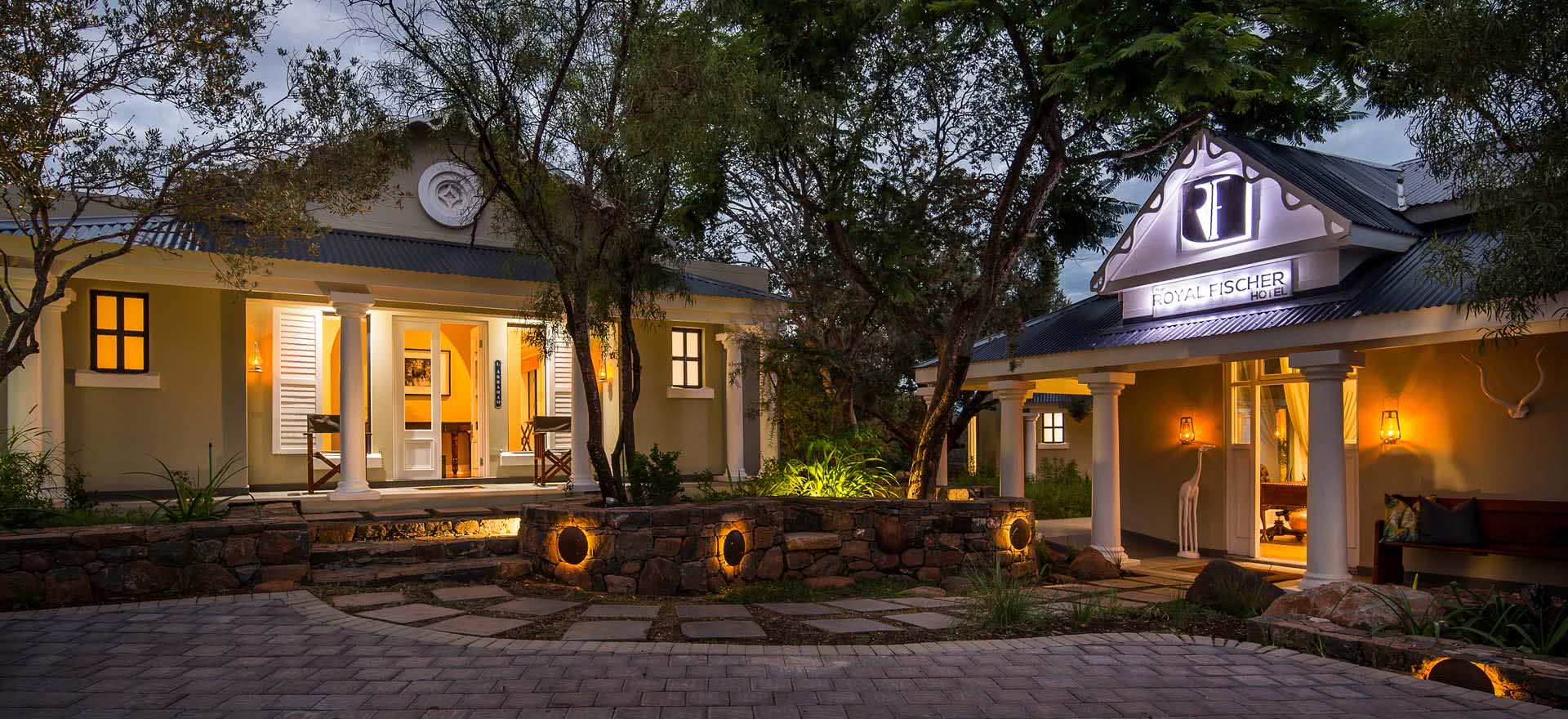
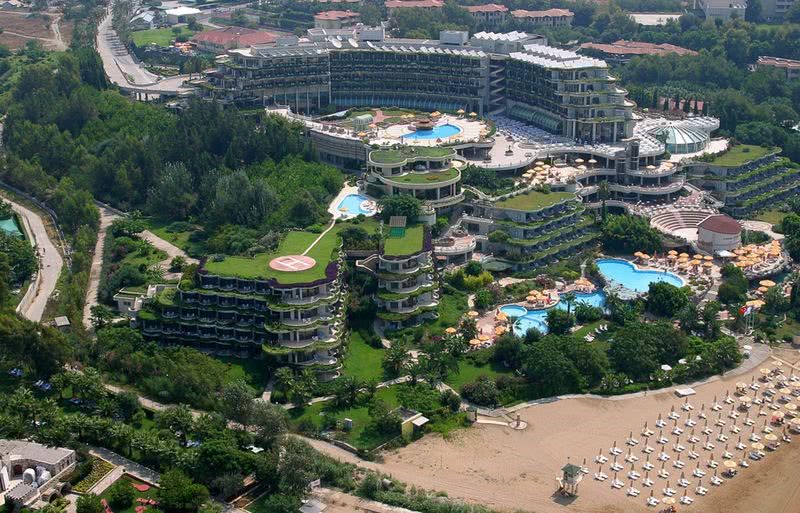
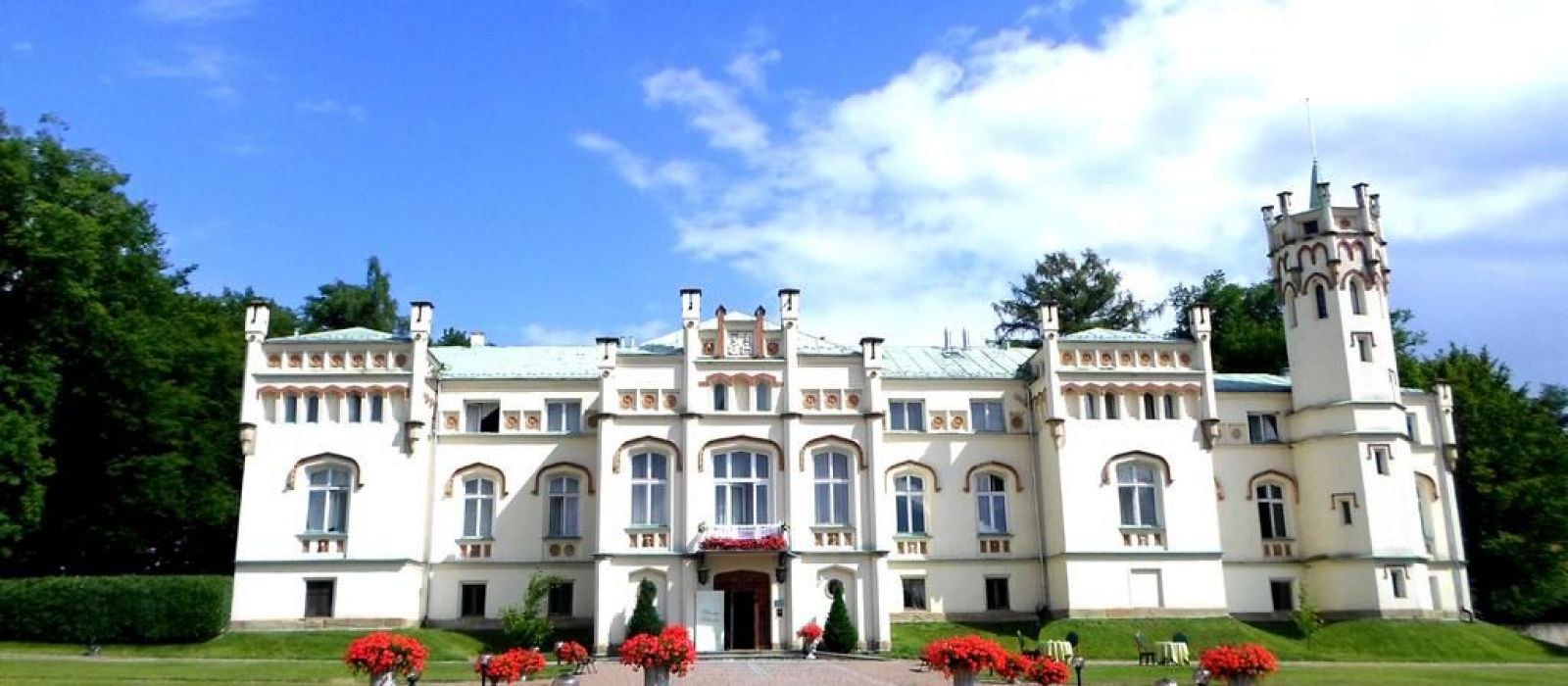
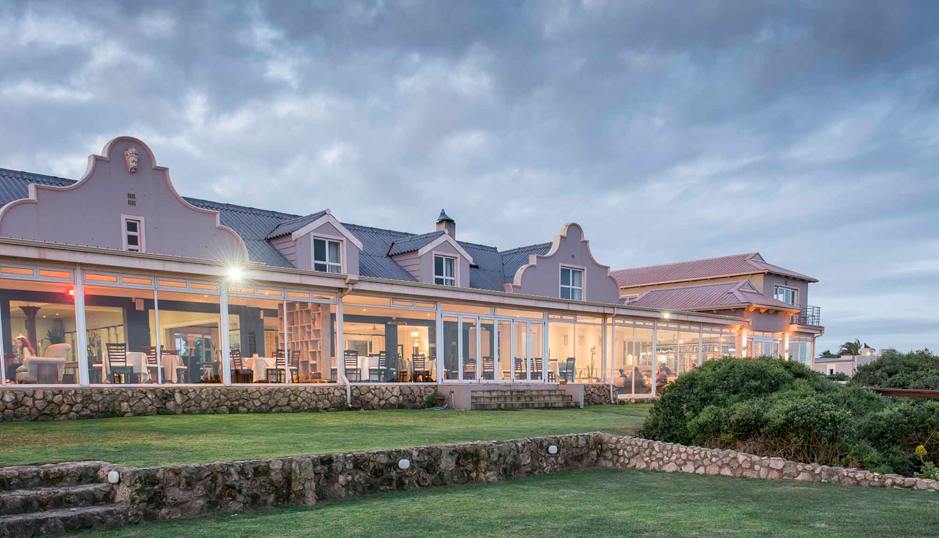
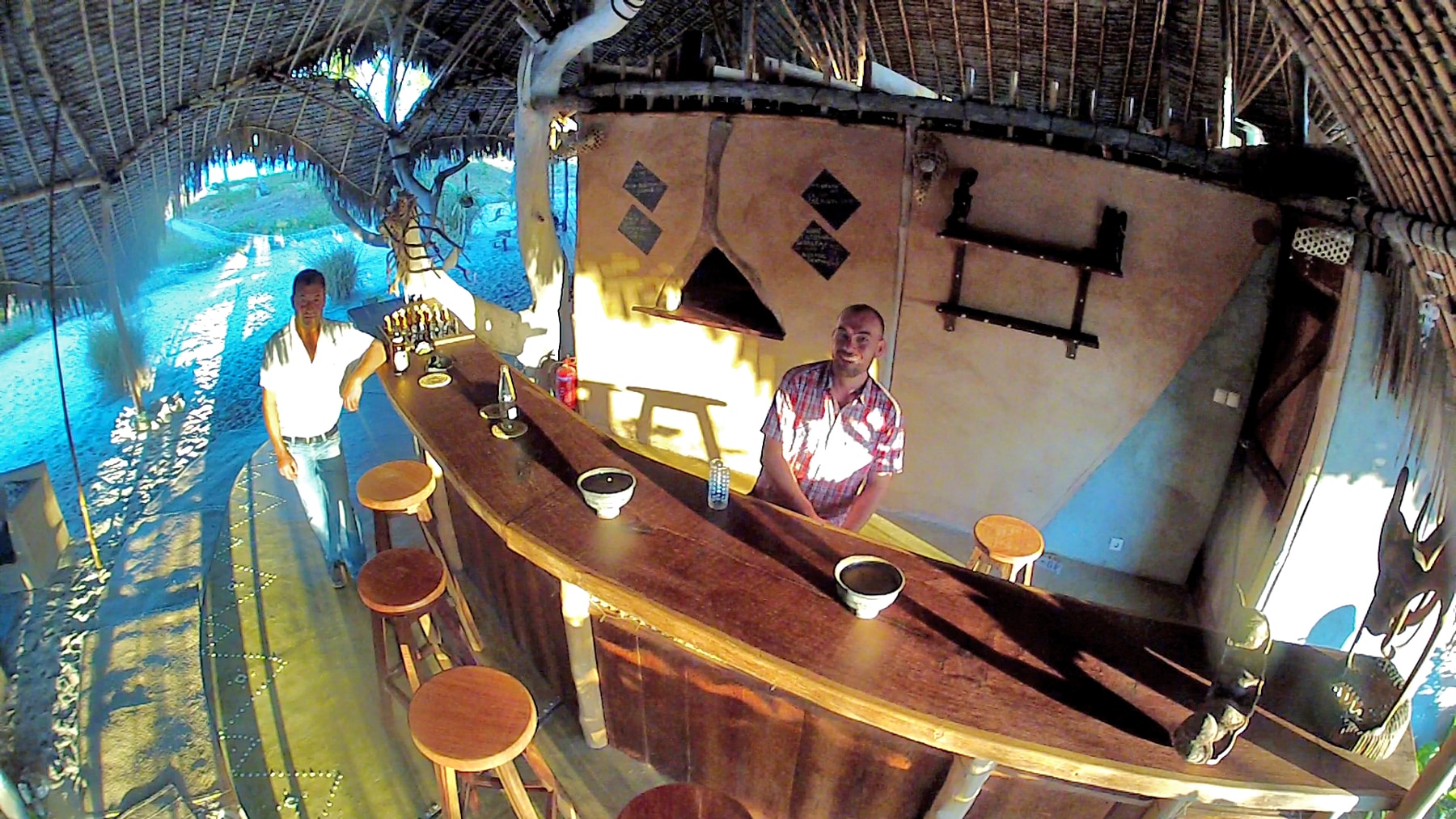
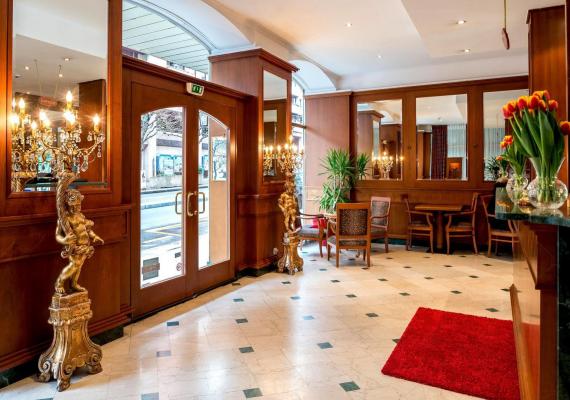
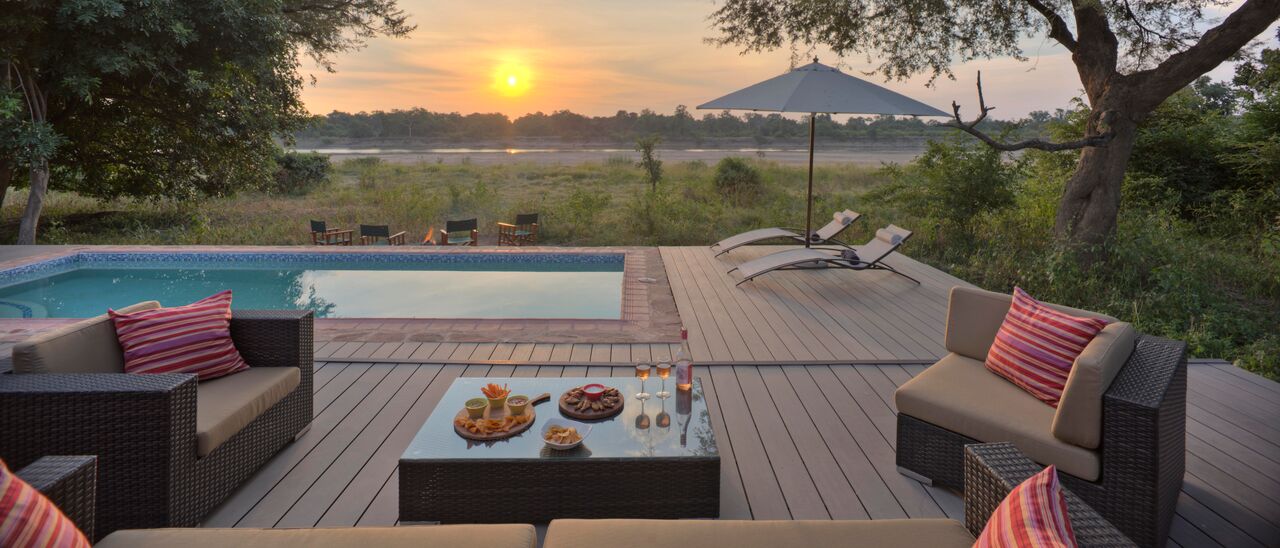
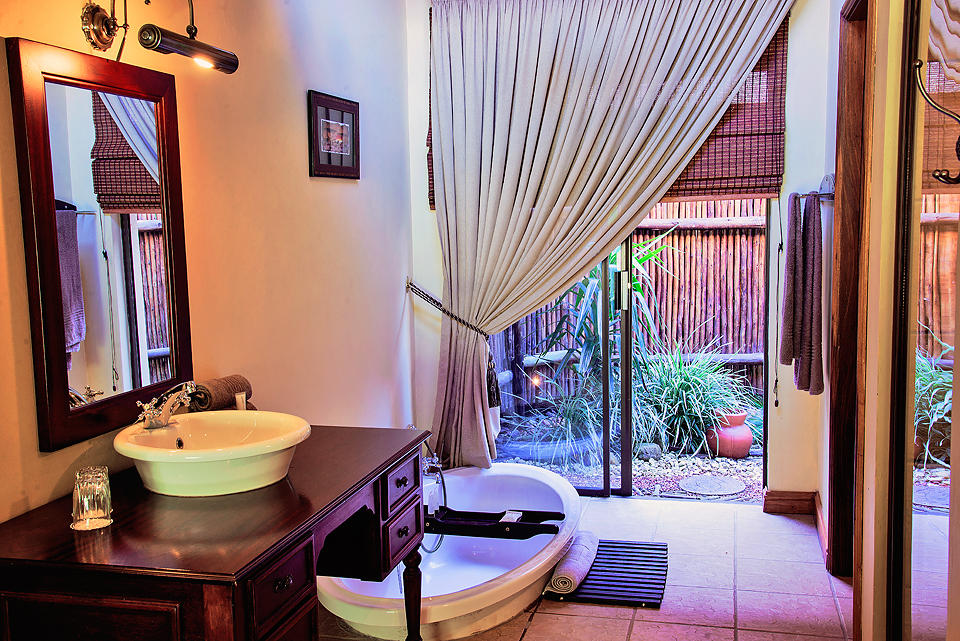
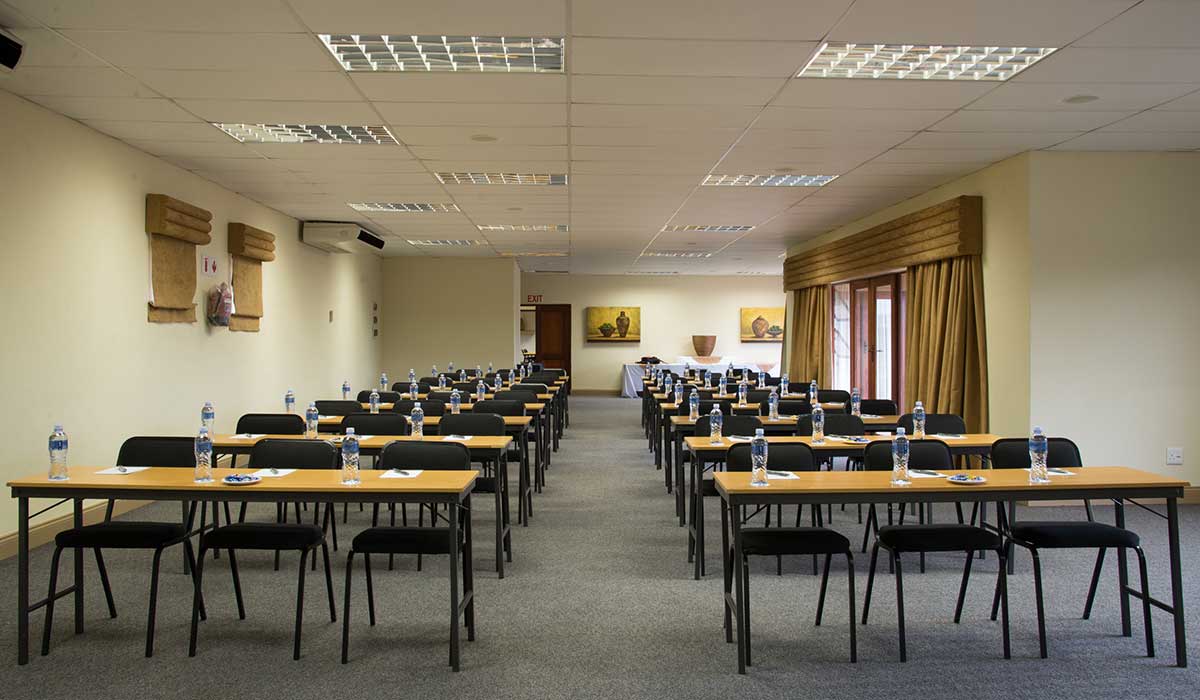
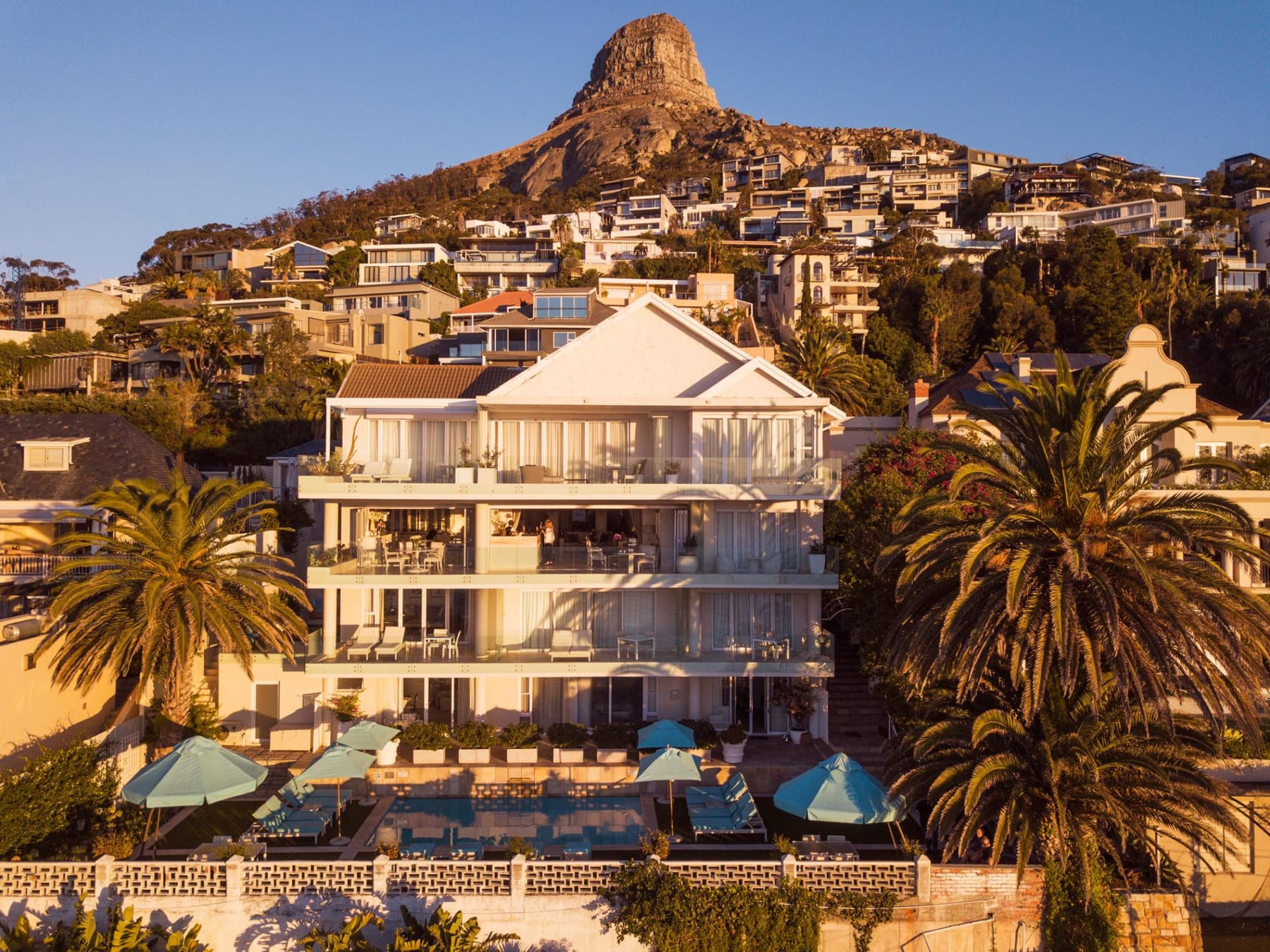
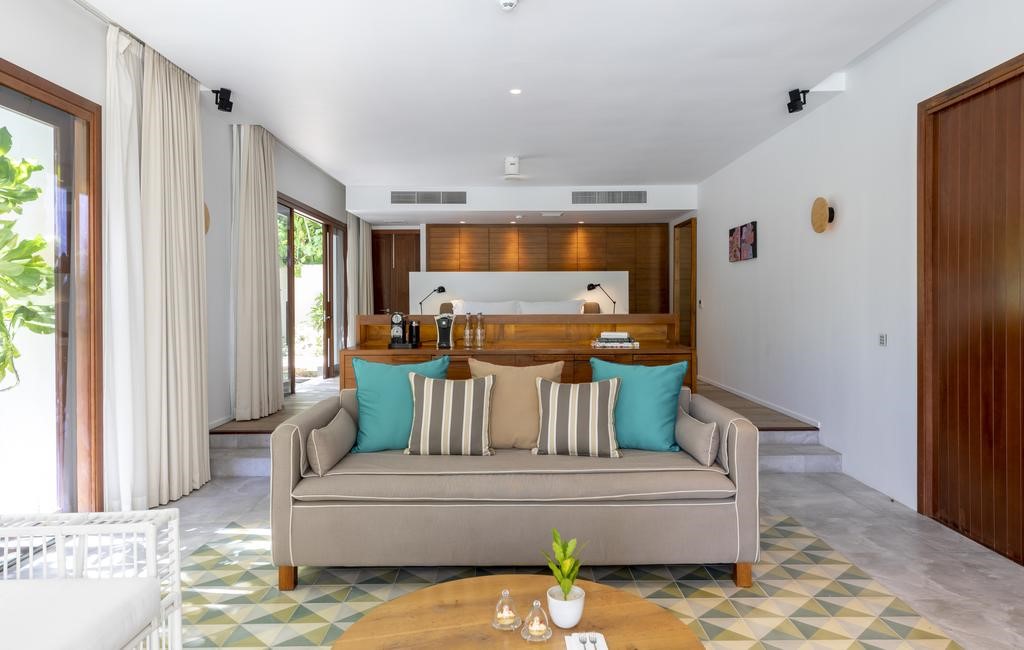

Lisbon, Portugal
Agent: Cliff Jacobs - Managing Principal Property Practitioner & CEO - Exquisite Hotel Consultants (Nat.Dpl.Hotel Man (UJ). M.P.R.E.)
Agent Cellphone: +27 (0) 84 413 1071 / +27 (0) 61 716 6951
Agent Office Number: +27 (0) 84 413 1071
Agent Email Address: cliff@exquisitehotelconsultants.com
Type: Hotel
Bedrooms: 84
Bathrooms: 84
Showers: 84
Parking: 0
Yield: Not Disclosed
TGCSA Rating:

Lisbon
Lisbon is the capital and most populous city of Portugal, with an estimated population of 575,739 as of 2024, within its administrative limits and 3,028,000 within the metropolis, as of 2025. Lisbon is mainland Europe's westernmost capital city (second overall after Reykjavík), and the only one along the Atlantic coast, the others (Reykjavík and Dublin) being on islands. The city lies in the western portion of the Iberian Peninsula, on the northern shore of the River Tagus. The western portion of its metro area, the Portuguese Riviera, hosts the westernmost point of Continental Europe, culminating at Cabo da Roca.
Lisbon is one of the oldest cities in the world and the second-oldest European capital city (after Athens), predating other modern European capitals by centuries. Settled by pre-Celtic tribes and later founded and civilized by the Phoenicians, Julius Caesar made it a municipium called Felicitas Julia, adding the term to the name Olissipo. After the fall of the Roman Empire, it was ruled by a series of Germanic tribes from the 5th century, most notably the Visigoths. Later it was captured by the Moors in the 8th century. In 1147, Afonso Henriques conquered the city and in 1255, it became Portugal's capital, replacing Coimbra. It has since been the political, economic, and cultural centre of the country.
As the political centre of the country, Lisbon hosts the government, Assembly of the Republic, Supreme Court of Justice, Armed Forces and residence of the head of state. It is also the centre of Portuguese diplomacy, with ambassadors from 86 countries residing in the city, as well as representations from Taiwan and Palestine. About 3.01 million people live in the Lisbon metropolitan area, which extends beyond the city's administrative area, making it the third largest metropolitan area in the Iberian Peninsula (after Madrid and Barcelona) as well as figuring amongst the 10 most populous urban areas in the European Union.[13][14] It represents approximately 28% of the country's population.
Lisbon is recognised as an alpha− level global city because of its importance in finance, commerce, fashion, media, entertainment, arts, international trade, education, and tourism. Lisbon is amongst the two Portuguese cities (the other being Porto) to be recognised as a global city, and it is also home to three companies in the Global 2000 (EDP Group, Galp Energia and Jerónimo Martins).Lisbon is one of the major economic centres in Europe, with a growing financial sector, with PSI-20 being part of Euronext, the largest center for debt and funds listings in the world. The Lisbon region has a higher GDP PPP per capita than any other region in Portugal. Its GDP PPP amounts to US$179 billion and thus $61,713 per capita. The city occupies the 40th place of highest gross earnings in the world.[20] Most of the headquarters of multinational corporations in Portugal are located in the Lisbon area.
The precise origin of the name is unknown. Lisbon's name may derive from Proto-Celtic or Celtic Olisippo, Lissoppo, or a similar name which other visiting ancient peoples such as the Phoenicians, Greeks, and Romans adapted accordingly, such as the pre-Roman appellation for the Tagus River, Lisso or Lucio. Classical authors writing in Latin and Greek, including Strabo, Solinus, and Martianus Capella, referred to popular legends that the city of Lisbon was founded by the mythical hero Ulysses (Odysseus). Lisbon's name was written Ulyssippo in Latin by the geographer Pomponius Mela, a native of Hispania. It was later referred to as "Olisippo" by Pliny the Elder and by the Greeks as Olissipo (Ὀλισσιπών) or Olissipona (Ὀλισσιπόνα).
Another claim repeated in historical literature is that the name of Lisbon could originate from a supposed ancient Phoenician term Alis-Ubbo, meaning "safe harbour" or "pleasant haven". Although modern archaeological excavations show there may have been Phoenician presence at this location since 1000 BC, this folk etymology completely lacks any evidence and "is never attested in ancient classical literature".
Lisbon's name is commonly abbreviated as "LX" or "Lx", originating in an antiquated spelling of Lisbon as Lixbõa. While the old spelling has since been completely dropped from usage and goes against modern language standards, the abbreviation is still commonly used.
History
Origins
During the Neolithic period, the region was inhabited by Pre-Celtic tribes, who built religious and funerary monuments, megaliths, dolmens and menhirs, which still survive in areas on the periphery of Lisbon. The Indo-European Celts invaded in the 1st millennium BC, mixing with the Pre-Indo-European population, thus giving rise to Celtic-speaking local tribes such as the Cempsi or Sefes.
Although the first fortifications on Lisbon's Castelo hill are known to be no older than the 2nd century BC, recent archaeological finds have shown that Iron Age people occupied the site from the 8th to 6th centuries BC. This indigenous settlement maintained commercial relations with the Phoenicians, which would account for the recent findings of Phoenician pottery and other material objects. Archaeological excavations made near the Castle of São Jorge (Castelo de São Jorge) and Lisbon Cathedral indicate there may have been a Phoenician presence at this location since 1000 BC, and it can be stated with confidence that a Phoenician trading post stood on a site now the centre of the present city, on the southern slope of the Castle hill. The sheltered harbour in the Tagus River estuary was an ideal spot for an Iberian settlement and would have provided a secure harbour for unloading and provisioning trading ships. The Tagus settlement was an important centre of commercial trade with the inland tribes, providing an outlet for the valuable metals, salt and salted-fish they collected, and for the sale of the Lusitanian horses renowned in antiquity.
According to a persistent legend, the location was named for the Greek mythical king of Ithaca, Ulysses, who founded the city when he sailed westward to the ends of the known world.
Following the defeat of Hannibal in 202 BC during the Punic wars, the Romans determined to deprive Carthage of its most valuable possession: Hispania (the Iberian Peninsula). The defeat of Carthaginian forces by Scipio Africanus in Eastern Hispania allowed the pacification of the west, led by Consul Decimus Junius Brutus Callaicus. Decimus obtained the alliance of Olissipo (which sent men to fight alongside the Roman Legions against the northwestern Celtic tribes) by integrating it into the empire, as the Municipium Cives Romanorum Felicitas Julia. Local authorities were granted self-rule over a territory that extended 50 km (31 mi); exempt from taxes, its citizens were given the privileges of Roman citizenship, and it was then integrated with the Roman province of Lusitania (whose capital was Emerita Augusta).
Lusitanian raids and rebellions during Roman occupation required the construction of a wall around the settlement. During Augustus' reign, the Romans also built a great theatre; the Cassian Baths (underneath Rua da Prata); temples to Jupiter, Diana, Cybele, Tethys and Idea Phrygiae (an uncommon cult from Asia Minor), in addition to temples to the Emperor; a large necropolis under Praça da Figueira; a large forum and other buildings such as insulae (multi-storied apartment buildings) in the area between Castle Hill and the historic city core. Many of these ruins were first unearthed during the mid-18th century (when the recent discovery of Pompeii made Roman archaeology fashionable among Europe's upper classes).
The city prospered as piracy was eliminated and technological advances were introduced, consequently Felicitas Julia became a center of trade with the Roman provinces of Britannia (particularly Cornwall) and the Rhine. Economically strong, Olissipo was known for its garum (a fish sauce highly prized by the elites of the empire and exported in amphorae to Rome), wine, salt, and horse-breeding, while Roman culture permeated the hinterland. The city was connected by a broad road to Western Hispania's two other large cities, Bracara Augusta in the province of Tarraconensis (Portuguese Braga), and Emerita Augusta, the capital of Lusitania. The city was ruled by an oligarchical council dominated by two families, the Julii and the Cassiae, although regional authority was administered by the Roman Governor of Emerita or directly by Emperor Tiberius. Among the majority of Latin speakers lived a large minority of Greek traders and slaves.
Olissipo, like most great cities in the Western Empire, was a center for the dissemination of Christianity. Its first attested Bishop was Potamius (c. 356), and there were several martyrs during the period of persecution of the Christians: Verissimus, Maxima, and Julia are the most significant examples. By the time of the Fall of Rome, Olissipo had become a notable Christian center
Middle Ages
Following the disintegration of the Western Roman Empire, there were barbarian invasions; between 409 and 429 the city was occupied successively by Sarmatians, Alans and Vandals. The Germanic Suebi, who established a kingdom in Gallaecia (modern Galicia and northern Portugal), with its capital in Bracara Augusta, also controlled the region of Lisbon until 585. In 585, the Suebi Kingdom was integrated into the Germanic Visigothic Kingdom of Toledo, which comprised all of the Iberian Peninsula: Lisbon was then called Ulishbona.
On 6 August 711, Lisbon was taken by the Muslim forces of the Umayyad Caliphate. These conquerors built many mosques and houses, rebuilt the city wall (known as the Cerca Moura) and established administrative control, while permitting the diverse population of Muwallads, Arabs, Berbers, Mozarabs, Saqaliba, and Jews to maintain their socio-cultural lifestyles. Mozarabic was the native language spoken by most of the Christian population although Arabic was widely known as spoken by all religious communities. Islam was the official religion practised by the Arabs, Berbers, Saqaliba and Muwallad.
The ancient Muslim influence is still visible in the Alfama district, an old quarter of Lisbon that survived the 1755 Lisbon earthquake: many place-names are derived from Arabic and the Alfama (the oldest existing district of Lisbon) was derived from the Arabic "al-hamma".
For a brief time, Lisbon was an independent Muslim kingdom known as the Taifa of Lisbon (1022–1034), before being conquered by the larger Taifa of Badajoz.
In 1108 Lisbon was raided and occupied by Norwegian crusaders led by Sigurd I on their way to the Holy Land as part of the Norwegian Crusade and occupied by crusader forces for three years. It was taken by the Moorish Almoravids in 1111.
In 1147, as part of Portuguese theatre of the Reconquista, Afonso I of Portugal laid siege and conquered Lisbon with the aid of crusader knights. The city, with around 154,000 residents at the time, was returned to Christian rule. The conquest of Portugal and re-establishment of Christianity is one of the most significant events in Lisbon's history, described in the chronicle Expugnatione Lyxbonensi, which describes, among other incidents, how the local bishop was killed by the crusaders and the city's residents prayed to the Virgin Mary as it happened. Some of the Muslim residents converted to Roman Catholicism and most of those who did not convert fled to other parts of the Islamic world, primarily Muslim Spain and North Africa. All mosques were either destroyed or altered and converted into churches. As a result of the end of Muslim rule in the mid-12th century, spoken Arabic quickly lost its place in Lisbon, and disappeared altogether.
With its central location, Lisbon became the capital city of the new Portuguese territory in 1255. The first Portuguese university was founded in Lisbon in 1290 by King Denis I; for many years the Studium Generale (General Study) was transferred intermittently to Coimbra, where it was installed permanently in the 16th century as the University of Coimbra.
In 1384, the city was besieged by King Juan I of Castille, as a part of the ongoing 1383–1385 Crisis. The result of the siege was a victory for the Portuguese led by Nuno Álvares Pereira.
During the last centuries of the Middle Ages, Lisbon expanded substantially and became an important trading post with both Northern European and Mediterranean cities.
Early Modern
When the Spaniards expelled the Jews from Spanish territory, many of them fled to Lisbon. Although acknowledging the central importance of the Jews to the city's prosperity, Manuel I decreed in 1497 that all Jews must convert to Christianity, only those who refused being forced to leave, but not before the expropriation of their property. In 1506, an anti-semitic movement among the Old Christians of Lisbon culminated in a massacre lasting four days in which some 1,000 to 4,000 New Christian men, women and children, converted descendants of Sephardic Jews, are estimated to have been killed. The king was at Évora when these events occurred, but angered when he received the news, he ordered an investigation which resulted in two of the instigating friars being excommunicated and burned alive.
Most of the Portuguese expeditions of the Age of Discovery set out from Lisbon during the period from the end of the 15th century to the beginning of the 17th century, including Vasco da Gama's expedition to India in 1498. The following years of the 16th century began Lisbon's golden era: the city was the European hub of commerce between Africa, India, the Far East and later, Brazil, and acquired great riches by exploiting the trade in spices, slaves, sugar, textiles and other goods. This period saw the rise of the exuberant Manueline style in architecture, which left its mark in many 16th-century monuments (including Lisbon's Belém Tower and Jerónimos Monastery, which were declared UNESCO World Heritage Sites). A description of Lisbon in the 16th century was written by Damião de Góis and published in 1554.
The succession crisis of 1580 initiated a sixty-year period of dual monarchy in Portugal and Spain under the Spanish Habsburgs. This is referred to as the "Philippine Dominion" (Domínio Filipino), since all three Spanish kings during that period were called Philip (Filipe). In 1589, Lisbon was the target of an incursion by the English Armada led by Francis Drake, while Queen Elizabeth supported a Portuguese pretender in Antonio, Prior of Crato, but support for Crato was lacking and the expedition was a failure. The Portuguese Restoration War, which began with a coup d'état organised by the nobility and bourgeoisie in Lisbon and executed on 1 December 1640, restored Portuguese independence. The period from 1640 to 1668 was marked by periodic skirmishes between Portugal and Spain, as well as short episodes of more serious warfare until the Treaty of Lisbon was signed in 1668.
In the early 18th century, gold from Brazil allowed King John V to sponsor the building of several Baroque churches and theatres in the city. Prior to the 18th century, Lisbon had experienced several significant earthquakes – eight in the 14th century, five in the 16th century (including the 1531 earthquake that destroyed 1,500 houses and the 1597 earthquake in which three streets vanished), and three in the 17th century.
On 1 November 1755, the city was destroyed by another devastating earthquake, which killed an estimated 30,000 to 40,000 Lisbon residents[50] of a population estimated at between 200,000 and 275,000,[ and destroyed 85 percent of the city's structures. Among several important buildings of the city, the Ribeira Palace and the Hospital Real de Todos os Santos were lost. In coastal areas, such as Peniche, situated about 80 km (50 mi) north of Lisbon, many people were killed by the following tsunami.
By 1755, Lisbon was one of the largest cities in Europe; the catastrophic event shocked the whole of Europe and left a deep impression on its collective psyche. Voltaire wrote a long poem, Poême sur le désastre de Lisbonne, shortly after the quake, and mentioned it in his 1759 novel Candide (indeed, many argue that this critique of optimism was inspired by that earthquake). Oliver Wendell Holmes Sr. also mentions it in his 1857 poem, The Deacon's Masterpiece, or The Wonderful One-Hoss Shay.
After the 1755 earthquake, the city was rebuilt largely according to the plans of Prime Minister Sebastião José de Carvalho e Melo, the 1st Marquis of Pombal; the lower town began to be known as the Baixa Pombalina (Pombaline central district). Instead of rebuilding the medieval town, Pombal decided to demolish what remained after the earthquake and rebuild the city centre in accordance with principles of modern urban design. It was reconstructed in an open rectangular plan with two great squares: the Praça do Rossio and the Praça do Comércio. The first, the central commercial district, is the traditional gathering place of the city and the location of the older cafés, theatres and restaurants; the second became the city's main access to the River Tagus and point of departure and arrival for seagoing vessels, adorned by a triumphal arch (1873) and a monument to King Joseph I.
Modern era
In the first years of the 19th century, Portugal was invaded by the troops of Napoléon Bonaparte, forcing Queen Maria I and Prince-Regent John (future John VI) to flee temporarily to Brazil. The capital of the United Kingdom of Portugal, Brazil and the Algarves was located in Rio de Janeiro from 1808 to 1821. By the time the new King returned to Lisbon, many of the buildings and properties were pillaged, sacked or destroyed by the invaders.
During the 19th century, the Liberal movement introduced new changes into the urban landscape. The principal areas were in the Baixa and along the Chiado district, where shops, tobacconists shops, cafés, bookstores, clubs and theatres proliferated. The development of industry and commerce determined the growth of the city, seeing the transformation of the Passeio Público, a Pombaline era park, into the Avenida da Liberdade, as the city grew farther from the Tagus.
Lisbon was the site of the regicide of Carlos I of Portugal in 1908, an event which culminated two years later in the establishment of the First Republic.
The city refounded its university in 1911 after centuries of inactivity in Lisbon, incorporating reformed former colleges and other non-university higher education schools of the city (such as the Escola Politécnica, now Faculdade de Ciências). Today there are two public universities in the city (University of Lisbon and New University of Lisbon), a public university institute (ISCTE - Lisbon University Institute) and a polytechnic institute (IPL – Instituto Politécnico de Lisboa).
During World War II, Lisbon was one of the very few neutral, open European Atlantic ports, a major gateway for refugees to the U.S. and a haven for spies. More than 100,000 refugees were able to flee Nazi Germany via Lisbon.
During the Estado Novo regime (1926–1974), Lisbon, under the influence of Duarte Pacheco, the minister of works, was expanded at the cost of other districts within the country, resulting in nationalist and monumental projects. New residential and public developments were constructed; the zone of Belém was modified for the 1940 Portuguese Exhibition, while along the periphery new districts appeared to house the growing population. The inauguration of the bridge over the Tagus allowed a rapid connection between both sides of the river.
Lisbon was the site of three revolutions in the 20th century. The first, the 5 October 1910 revolution, brought an end to the Portuguese monarchy and established the highly unstable and corrupt Portuguese First Republic. The 6 June 1926 revolution ended the first republic and firmly established the Estado Novo, or the Portuguese Second Republic, as the ruling regime.
Contemporary
The Carnation Revolution, which took place on 25 April 1974, ended the right-wing Estado Novo regime and reformed the country to its current state as the Portuguese Third Republic.
In the 1990s, many of the districts were renovated and projects in the historic quarters were established to modernise those areas. Architectural and patrimonial buildings were renovated, the northern margin of the Tagus was re-purposed for leisure and residential use, the Vasco da Gama Bridge was constructed and the eastern part of the municipality was re-purposed for Expo '98 to commemorate the 500th anniversary of Vasco da Gama's sea voyage to India, which brought immense riches to Lisbon and led to the construction of many of Lisbon's landmarks.
In 1988, a fire in the historical district of Chiado saw the destruction of many 18th-century Pombaline style buildings. A series of restoration works has brought the area back to its former self and made it a high-scale shopping district.
The Lisbon Agenda was a European Union agreement on measures to revitalise the EU economy, signed in Lisbon in March 2000. In October 2007 Lisbon hosted the 2007 EU Summit, where an agreement was reached regarding a new EU governance model. The resulting Treaty of Lisbon was signed on 13 December 2007 and came into force on 1 December 2009.
Lisbon has been the site for many international events and programmes. In 1994, Lisbon was the European Capital of Culture. On 3 November 2005, Lisbon hosted the MTV European Music Awards. On 7 July 2007, Lisbon held the ceremony of the "New 7 Wonders Of The World" election, in the Luz Stadium, with live transmission for millions of people all over the world. Every two years, Lisbon hosts the Rock in Rio Lisboa Music Festival, one of the largest in the world. Lisbon hosted the NATO summit (19–20 November 2010), a summit meeting that is regarded as a periodic opportunity for Heads of State and Heads of Government of NATO member states to evaluate and provide strategic direction for Alliance activities. The city hosts the Web Summit and is the head office for the Group of Seven Plus (G7+). In 2018 it hosted the Eurovision Song Contest for the first time as well as the Michelin Gala. On 11 July 2018, the Aga Khan officially chose the Henrique de Mendonça Palace, located on Rua Marquês de Fronteira, as the Divan, or seat, of the global Nizari Muslim Imamate. Lisbon hosted World Youth Day 2023 in August of that year, attracting Catholic youth from the around the world. Pope Francis led several events, with the final mass held in the city's Parque do Tejo having an estimated 1.5 million attendees.
Owner's comments
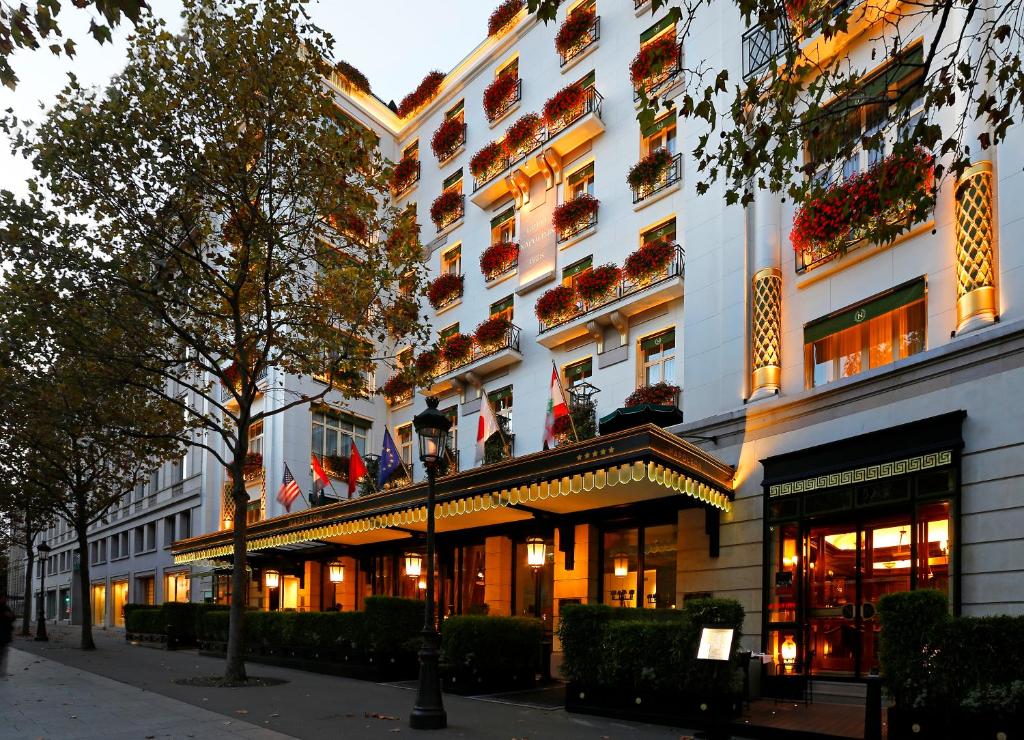
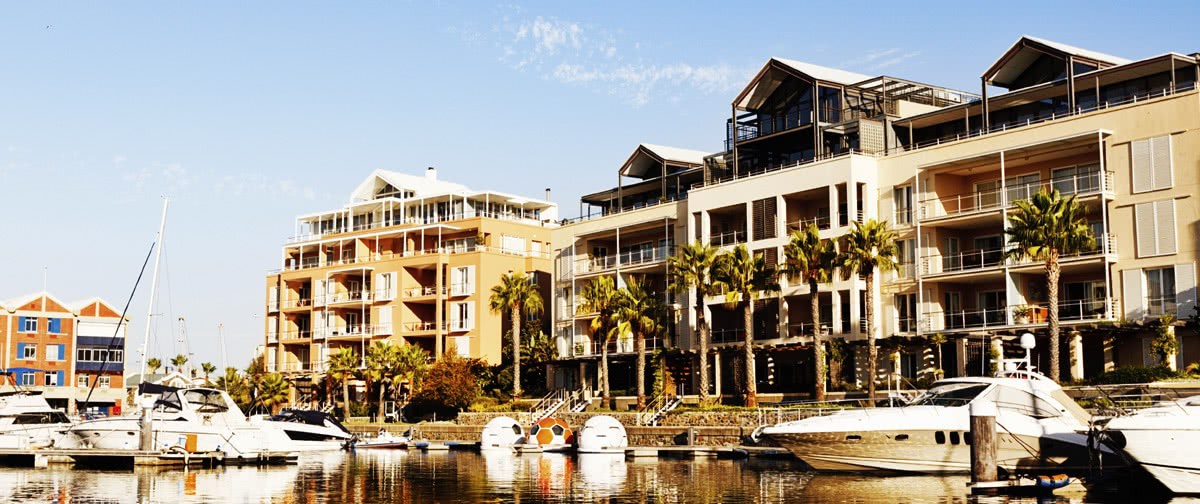
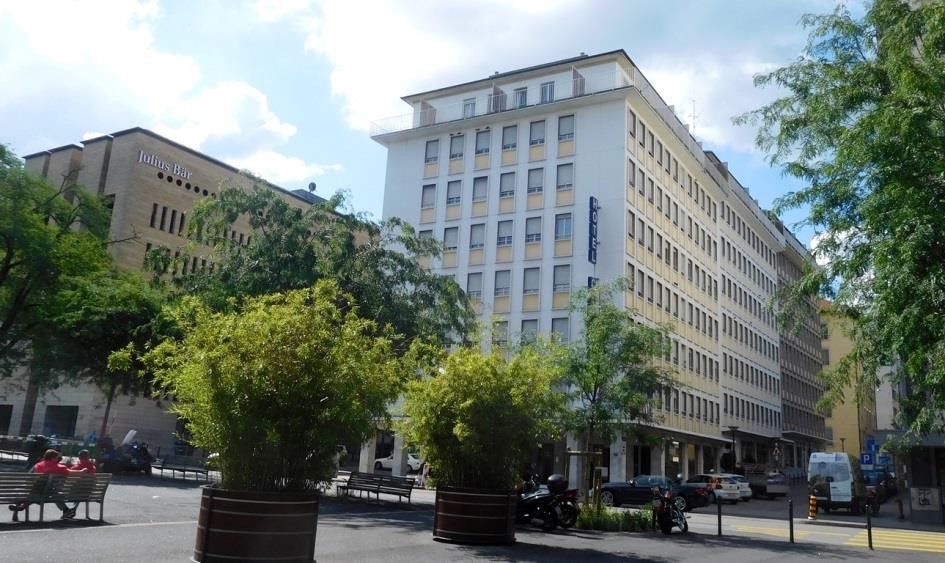
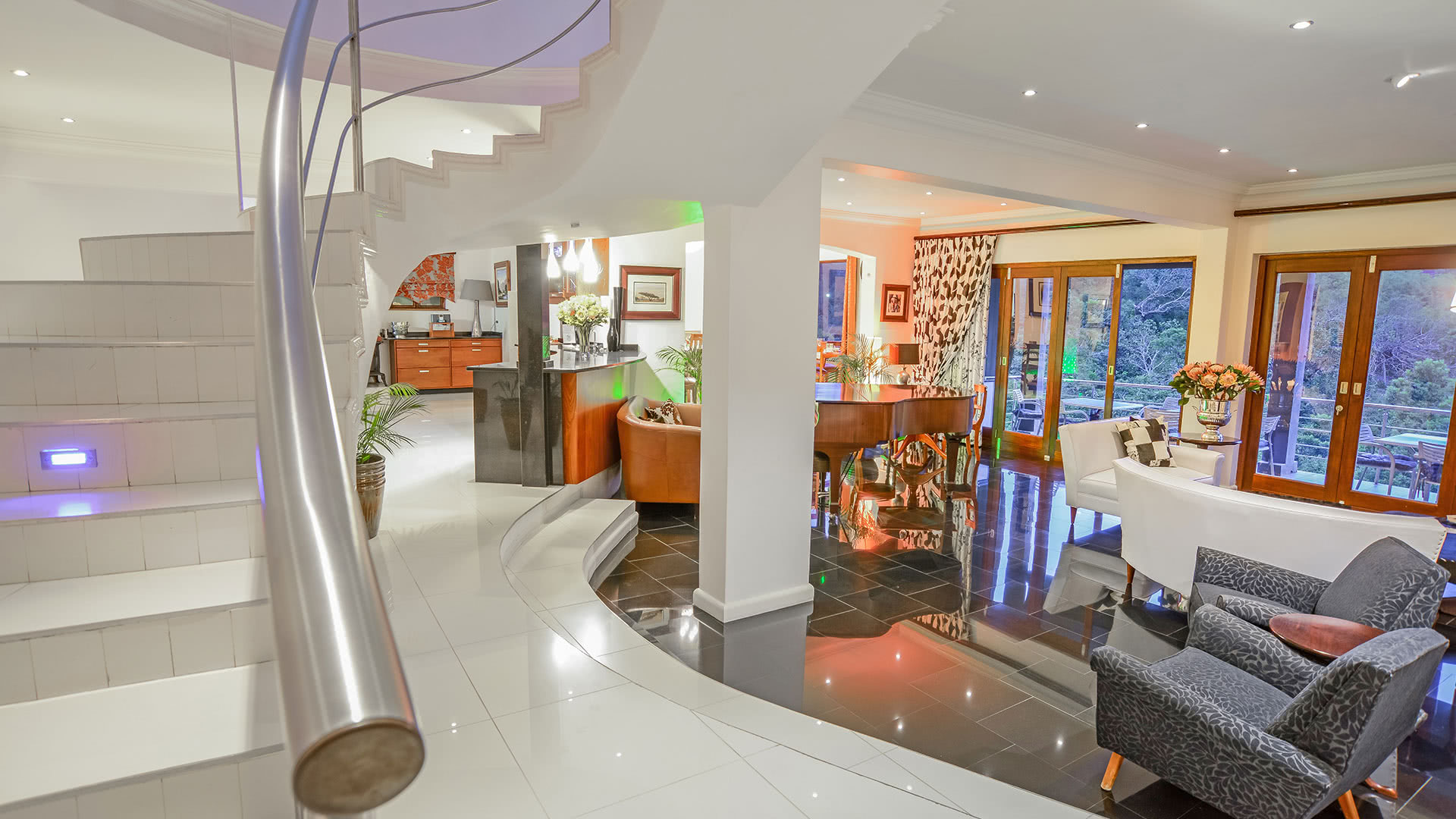
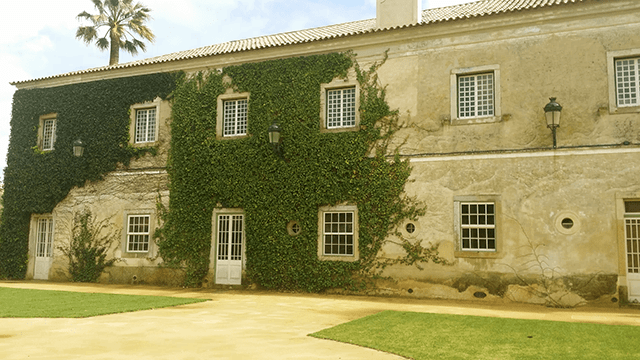
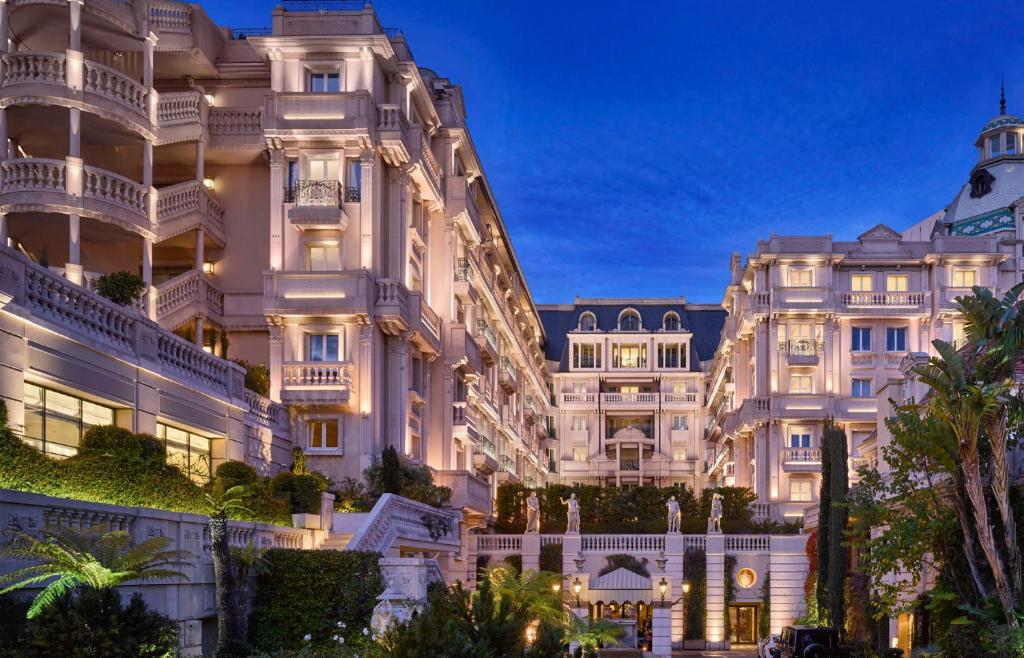
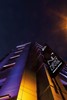
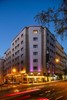
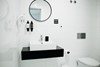
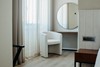
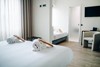
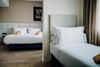
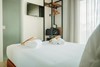
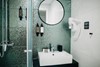
4* Hotel
Started Operation in June 2023
84 Rooms
ADR : 133€
OCC :90%
Sales 2023 : 1.7m€ (half year)
Sales 2024 : 3.3m€ (Estimated sales)
Operation Costs : 1.6m€
Booking evaluation rate: 8.9 (+2800 reviews)
NEXT Level Premium Hotels
_____________________________________________________
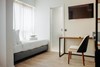
Small Double Room
Description
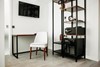
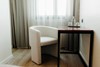
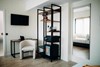
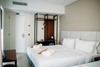
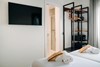
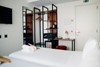
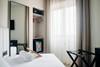
The small double room is equipped with a desk, safe, minibar, and closet to store your belongings. Temperature control is at your disposal.
This double room has air conditioning, an electric kettle, a desk, a safe, soundproofing, and satellite TV.
This room features two beds, an electric kettle, a safe, air conditioning, a minibar, soundproofing, and a private entrance
This double room is located on the ground floor of the Hotel with the aim of providing easy access for customers with reduced mobility. Inside the room, there are equipment and mechanisms that seek to provide maximum comfort to customers who choose this room. As is the Hotel's practice, the room includes an electric kettle, a safe, air conditioning, a minibar, soundproofing, and satellite TV.
Equipment
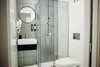
This triple room has three beds, an en-suite bathroom, and various amenities such as air conditioning, a minibar, safe and electric kettle.
Equipment
The family room has a double bed and a single bed, making it ideal for a family wishing to use and share the same room. The room includes soundproofing, air conditioning, an electric kettle and a safe.
Equipment
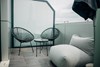
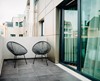
This room includes a double bed, a desk and a balcony that allows the client to have an additional space of comfort and living. The room includes various amenities such as air conditioning, safe, soundproofing, kettle and a minibar.
Equipment
This room includes a double bed, desk, and a seating area that allows the client to have an additional space for comfort and living. The room includes various amenities such as air conditioning, a safe, soundproofing, a kettle and a minibar.
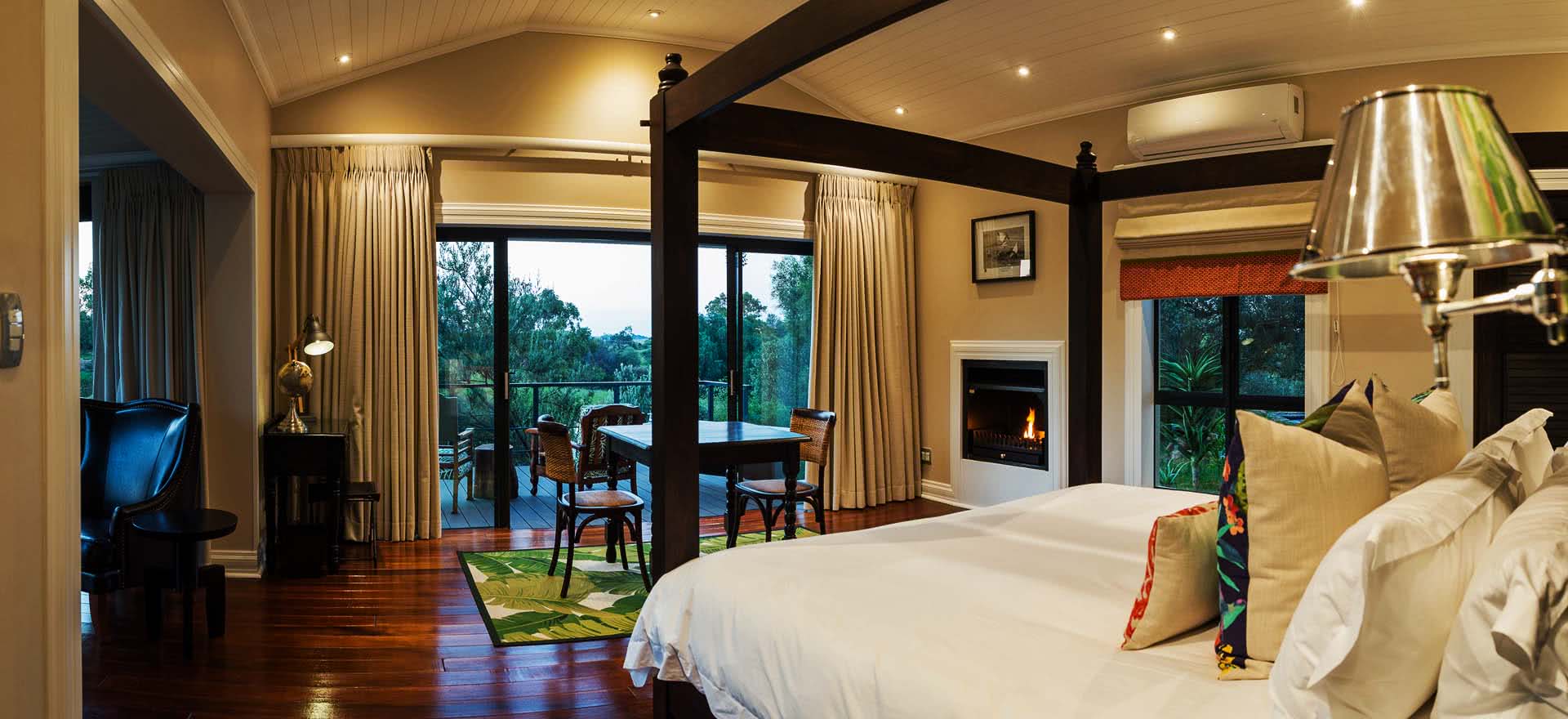
King Deluxe Room
Description
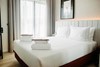
The King Deluxe room includes air conditioning, an electric kettle, coffee machine, desk, chair, safe, soundproofing and satellite TV.
The King Deluxe room includes air conditioning, an electric kettle, coffee machine, desk, chair, safe, soundproofing and satellite TV.
Equipment
Hygiene and Sustainability in the Spotlight













Cliff Jacobs (Nat Dpl Hotel Man (UJ). MPRE. GA Level 5 TEFL) Managing Principal / CEO Exquisite Hotel Consultants (Pty) Ltd Mobile: +27 (0) 84 413 1071 / +27 (0) 61 716 6951 Email: cliff@exquisitehotelconsultants.com Web: https://www.exquisitehotelconsultants.com © All rights reserved Terms and Conditions apply Scroll down to view our Hospitality Properties and Businesses for sale or lease or lease-to-buy or partnership arrangement or management agreement arrangement.