.JPG "Exquisite Properties")
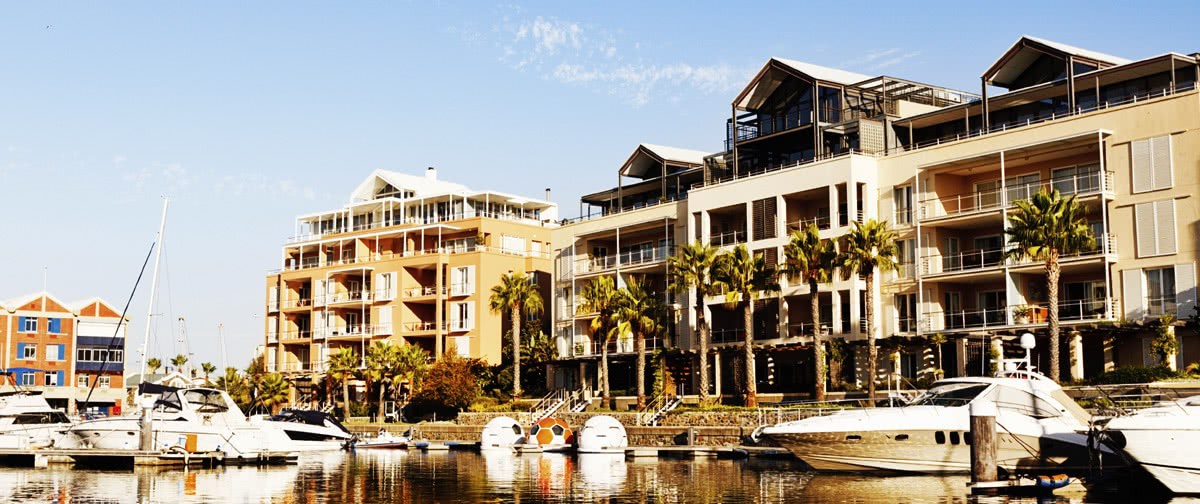
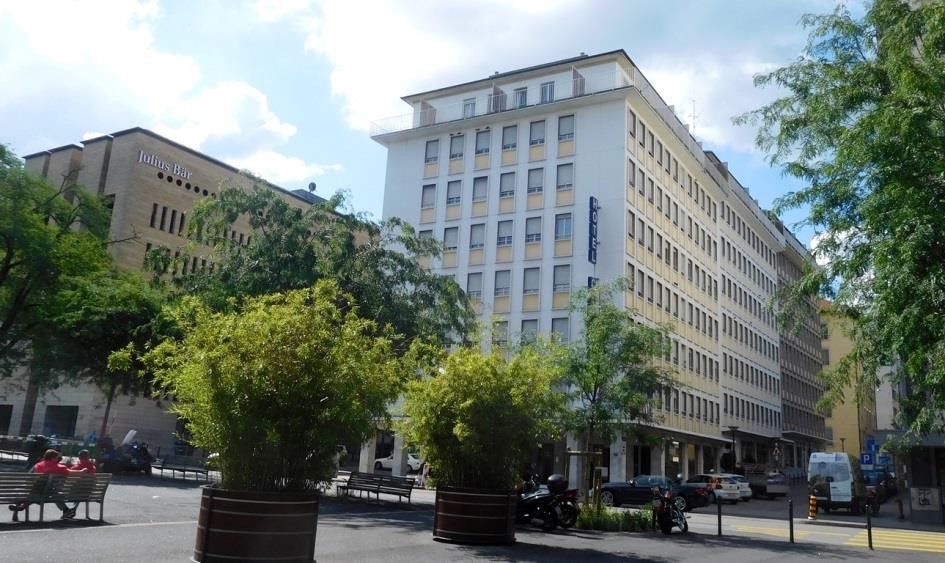
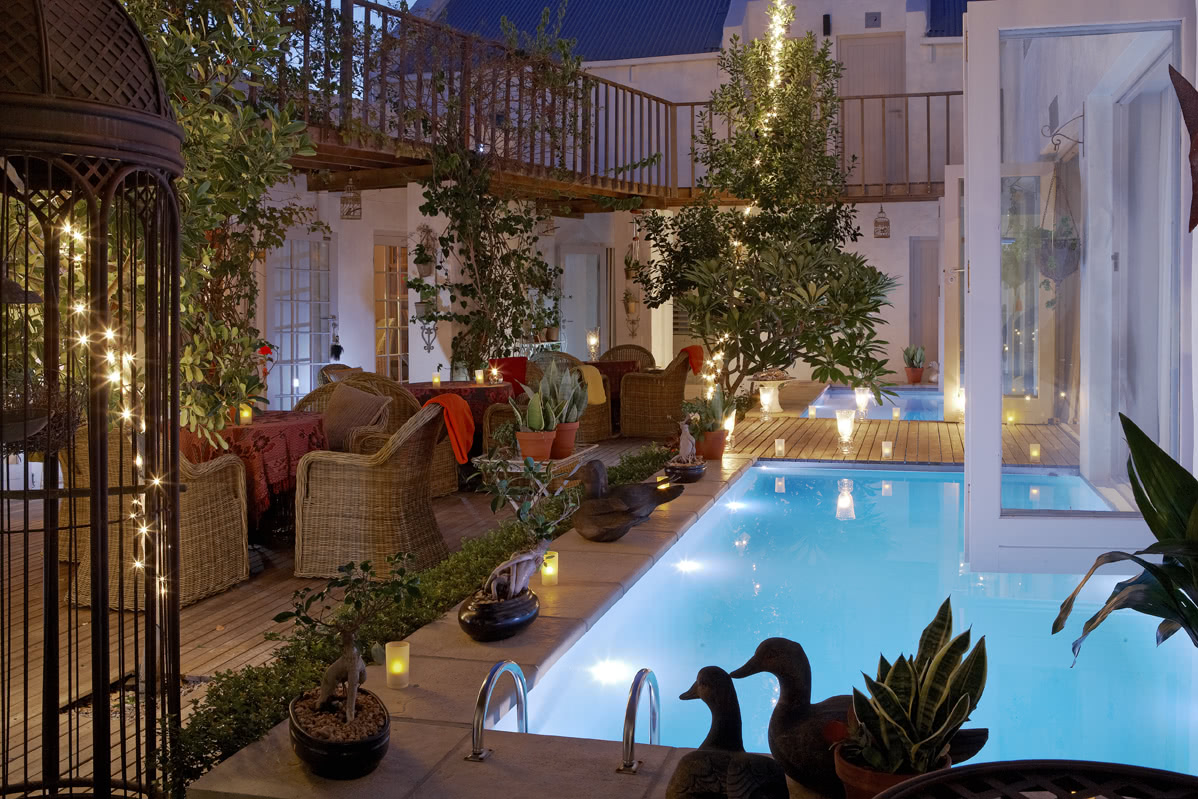
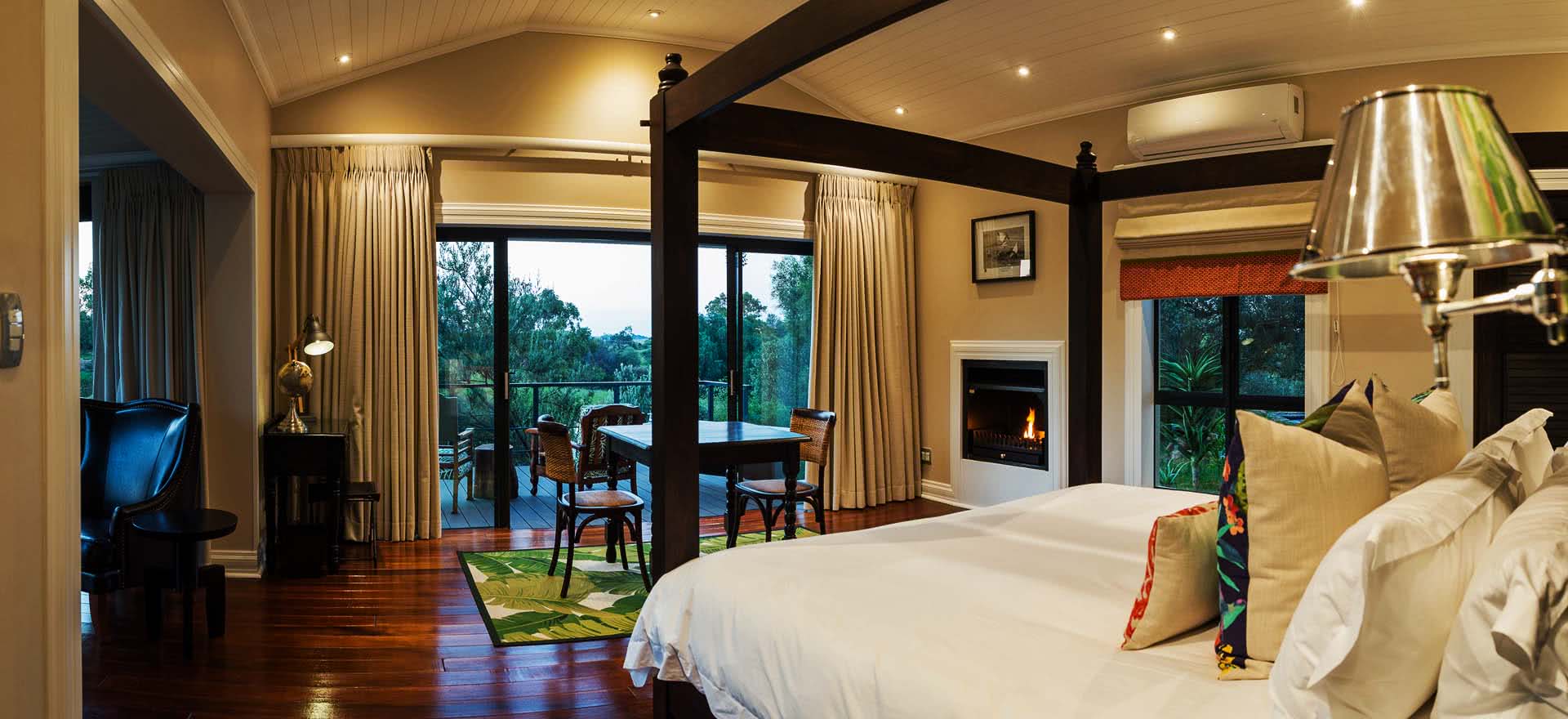
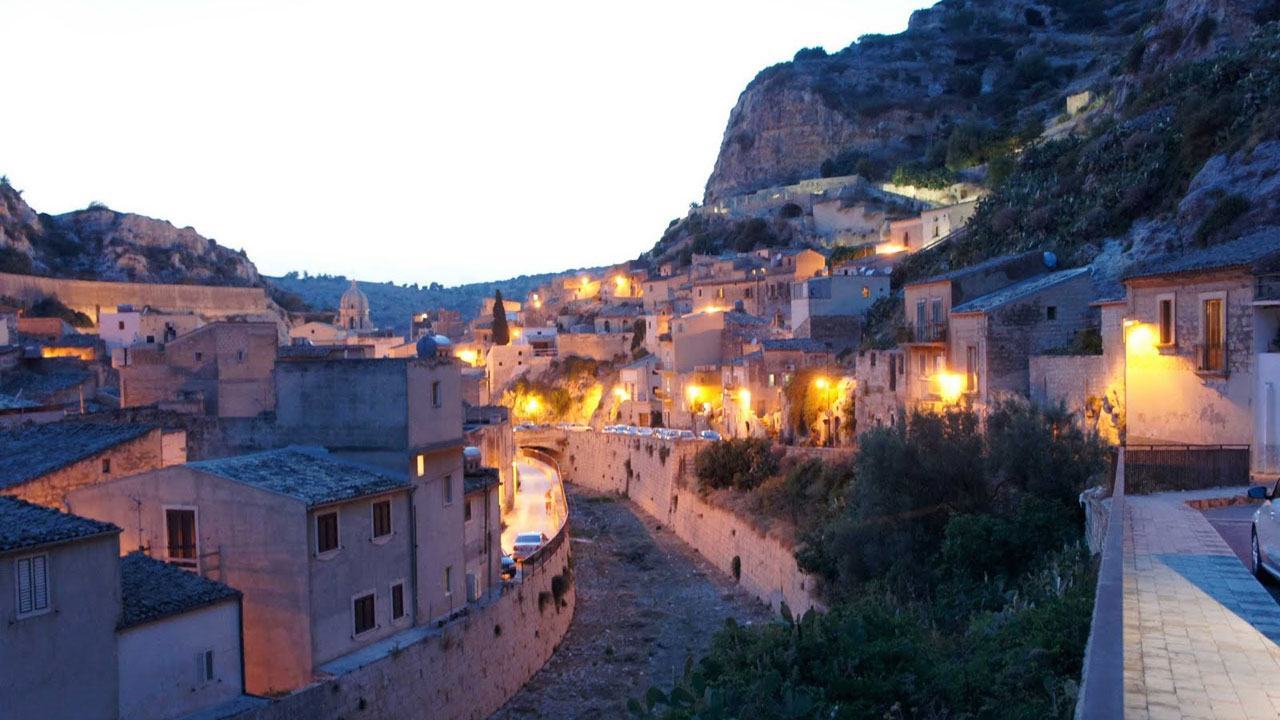
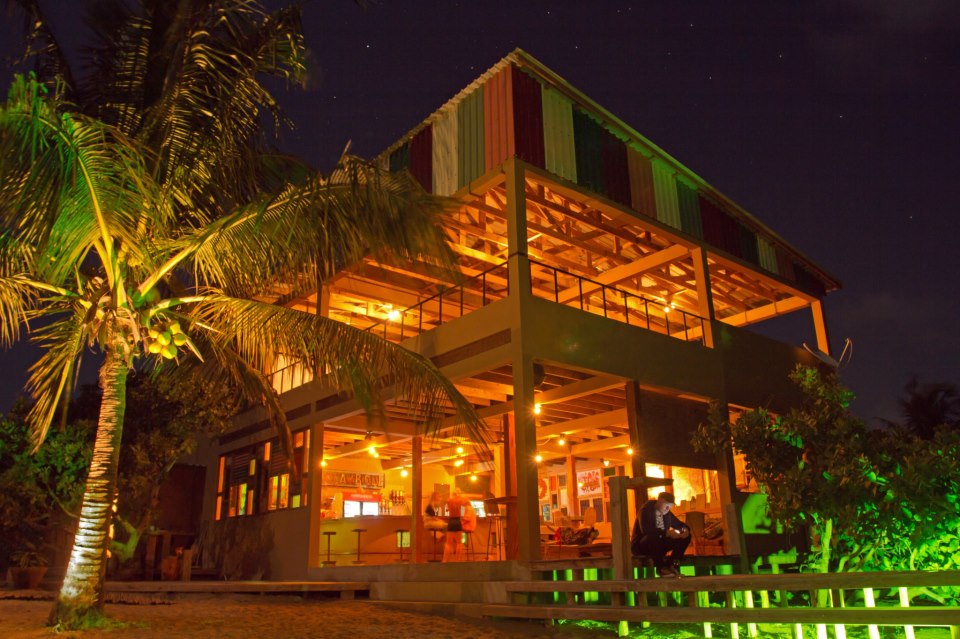
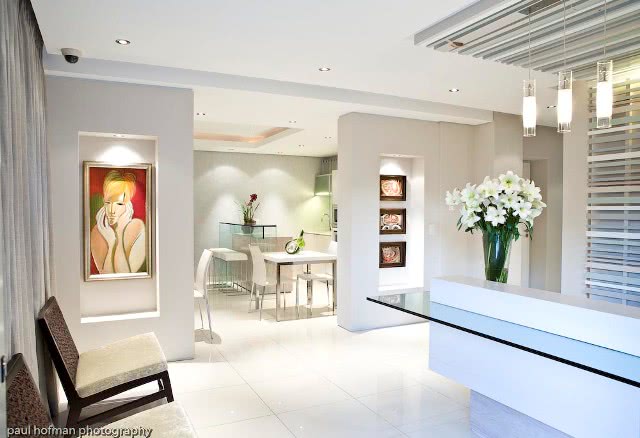
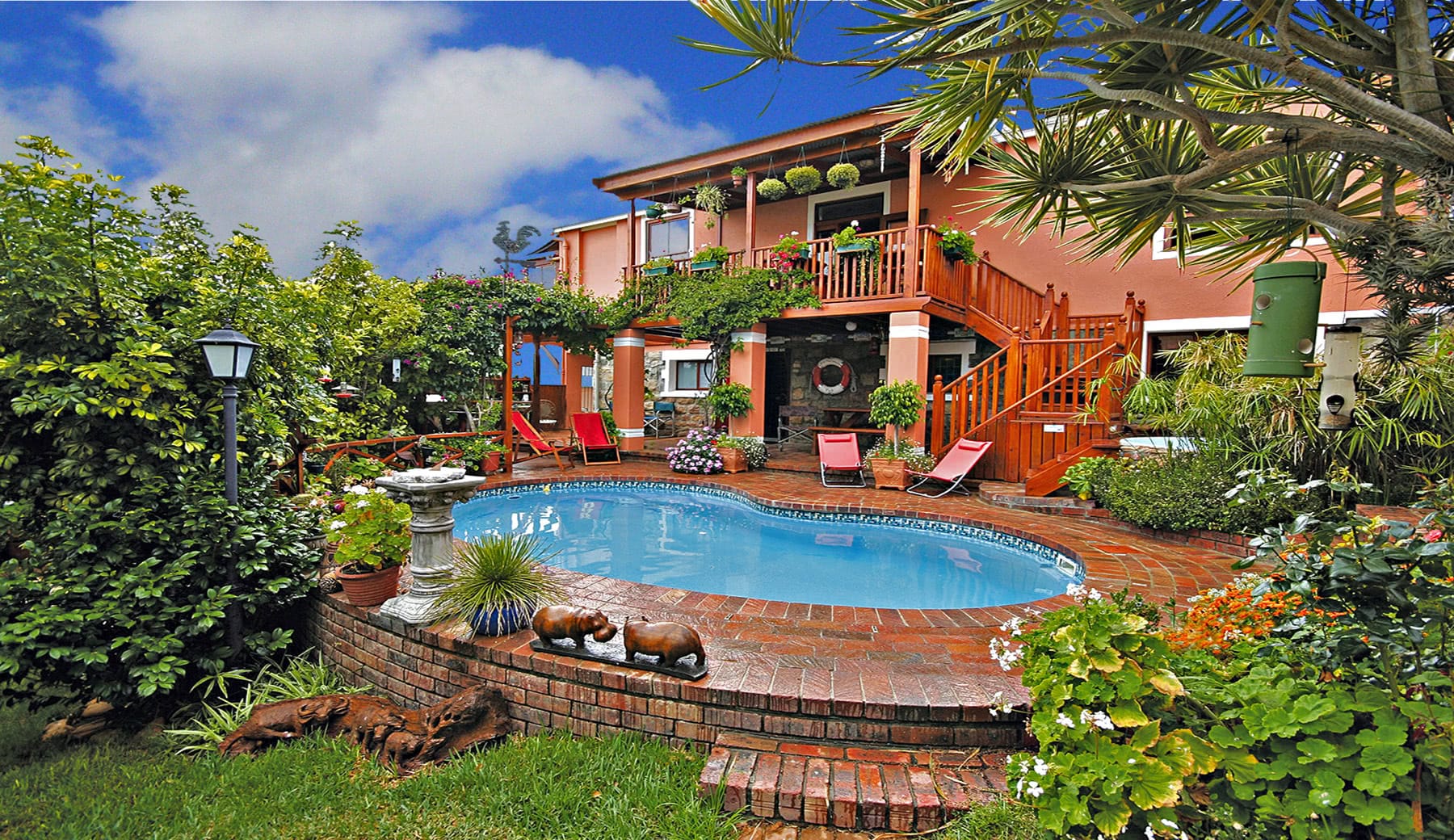

Milan, Lombardy, Italy
Agent: Maarten Smuts - Intern Property Practitioner & Master Licensee - Exquisite Hotel Consultants
Agent Cellphone: +27 (0) 82 852 0859
Agent Office Number: +27 (0) 82 852 0859
Agent Email Address: maartensmuts@gmail.com
Type: Boutique Hotel
Bedrooms: 62
Bathrooms: 62
Showers: 62
Parking: 60
Yield: Not Disclosed
TGCSA Rating:

Milan
Milan (Italian: Milano) is the regional capital of Lombardy, in northern Italy, and the seat of the Metropolitan City of Milan. It is the second-most populous city in Italy after Rome, with a population of 1,362,863 in 2026. The city's wider metropolitan area is the largest in Italy, and the fourth-largest in the European Union, with an estimated population of 6.55 million. Milan is considered Italy's economic capital, and its metropolitan area accounts for about 20% of the country's GDP.
Founded around 590 BC by a Celtic tribe, Milan was conquered by the Romans in 222 BC, who Latinized the name of the city into Mediolanum. At the end of the fourth century, it briefly served as capital of the Western Roman Empire. In the Late Medieval period, the wealthy Duchy of Milan was one of the greatest forces behind the Renaissance. As a major center of the Italian Enlightenment during the Early modern period, Milan's cultural and political struggle against Austrian domination was crucial in the reunification of the Kingdom of Italy. From the 19th century onwards, Milan led the industrial and financial development of Italy.
Milan is a major international center of industry, finance, science, communications, fashion, art and tourism. Milan was classified as an "Alpha" city by the Globalization and World Cities Research Network. Milan's business district hosts Borsa Italiana, Italy's main stock exchange (part of the Euronext consortium, the world's sixth-largest by market capitalization) and the headquarters of numerous national corporations, including eight Fortune 500 Europe companies. As of 2023, Milan and its special metropolitan authority have the largest GDP and the highest per-capita GDP of any Italian province.
Milan is a global fashion capital and a major international tourist destination, being one of the most visited cities in the world, ranked second in Italy after Rome, fifth in Europe and sixteenth in the world. The city is a major cultural center, with museums and art galleries that feature some of the most important collections in the world, including major works by Leonardo da Vinci. Milan hosts numerous educational institutions, including academies and universities that account for 11% of the national total of enrolled students. Milan hosts several international events and fairs, including Milan Fashion Week and the Milan Furniture Fair, which are among the world's largest in terms of revenue, visitors and growth. Milan has many luxury hotels and is the fifth most starred in the world by Michelin Guide. It hosted the Universal Exposition in 1906 and 2015. In the field of sports, Milan is home to two of Europe's most successful football teams, AC Milan and Internazionale Milano (Inter Milan), and one of Europe's main basketball teams, Olimpia Milano. The city also co-hosted the Winter Olympic and Paralympic games in 2026.
Etymology
Milan was founded with the Celtic name of Medhelanon, later Latinized by the ancient Romans into Mediolanum. In Celtic language medhe- meant "middle, center" and the name element -lanon is the Celtic equivalent of Latin -planum "plain", meant "(settlement) in the midst of the plain", or of "place between watercourses" (Celtic medhe = "in the middle, central"; land or lan = "land"), given the presence of the Olona, Lambro, Seveso rivers and the Nirone and Pudiga streams.
The Latin name Mediolanum comes from the Latin words medio (in the middle) and planus (plain). Some scholars believe that lanum comes from the Celtic root lan, meaning an enclosure or demarcated territory (source of the Welsh word llan, meaning "a sanctuary or church", ultimately cognate to English/German Land) in which Celtic communities used to build shrines.
Hence Mediolanum could signify the central town or sanctuary of a Celtic tribe. About sixty Gallo-Roman sites in France bore the name "Mediolanum", for example: Saintes (Mediolanum Santonum) and Évreux (Mediolanum Aulercorum). Another theory links the name to the scrofa semilanuta ("half-woolly sow") an ancient emblem of the city, fancifully accounted for in Andrea Alciato's Emblemata (1584), beneath a woodcut of the first raising of the city walls, where a boar is seen lifted from the excavation, and the etymology of Mediolanum given as "half-wool", explained in Latin and in French.
According to this theory, the foundation of Milan is credited to two Celtic peoples, the Bituriges and the Aedui, having as their emblems a ram and a boar. Therefore "The city's symbol is a wool-bearing boar, an animal of double form, here with sharp bristles, there with sleek wool." Alciato credits Ambrose for his account.
History
Celtic era
Around 590 BC a Celtic tribe belonging to the Insubres group and belonging to the Golasecca culture settled the city under the name Medhelanon. According to the legend reported by Livy (writing between 27 and 9 BC), the Gaulish king Ambicatus sent his nephew Bellovesus into northern Italy at the head of a party drawn from various Gaulish tribes; Bellovesus allegedly founded the settlement in the times of the Roman monarchy, during the reign of Tarquinius Priscus. Tarquin is traditionally recorded as reigning from 616 to 579 BC, according to ancient Roman historian Titus Livy.
Medhelanon, in particular, was developed around a sanctuary, which was the oldest area of the village. The sanctuary, which consisted of a wooded area in the shape of an ellipse with a central clearing, was aligned according to precise astronomical points. For this reason, it was used for religious gatherings, especially in particular celebratory moments. The sanctuary of Medhelanon was an ellipse with axes of 443 m (1,453 ft) and 323 m (1,060 ft) located near Piazza della Scala.
The urban planning profile was based on these early paths, and on the shape of the sanctuary, reached, in some cases, up to the 19th century and even beyond. For example, the route of the modern Corso Vittorio Emanuele, Piazza del Duomo, Piazza Cordusio and Via Broletto, which is curvilinear, could correspond to the south side of the ellipse of the ancient sanctuary of Medhelanon.
One axis of the Medhelanon sanctuary was aligned towards the heliacal rising of Antares, while the other towards the heliacal rising of Capella. The latter coincided with a Celtic spring festival celebrated on 24 March, while the heliacal rising of Antares corresponded with 11 November, which opened and closed the Celtic year and which coincided with the point where the Sun rose on the winter solstice.[49] About two centuries after the creation of the Celtic sanctuary, the first residential settlements began to be built around it. Medhelanon then transformed from a simple religious center to an urban and then military centre, thus becoming a real village.
The first homes were built just south of the Celtic sanctuary, near the modern Royal Palace of Milan. Subsequently, with the growth of the town centre, other important buildings for the Medhelanon community were built. First, a temple dedicated to the goddess Belisama was built, which was located near the modern Milan Cathedral. Then, near the modern Via Moneta, which is located near today's Piazza San Sepolcro, a fortified building with military functions was built which was surrounded by a defensive moat.
Roman times
During the Roman Republic, the Romans, led by consul Gnaeus Cornelius Scipio Calvus, fought the Insubres and captured the settlement in 222 BC. The chief of the Insubres then submitted to Rome, giving the Romans control of the settlement. The Romans eventually conquered the entirety of the region, calling the new province "Cisalpine Gaul" (Latin: Gallia Cisalpina)—"Gaul this side of the Alps"—and may have given the city its Latinized name of Mediolanum: in Gaulish *medio- meant "middle, centre" and the name element -lanon is the Celtic equivalent of Latin -planum "plain", thus *Mediolanon (Latinized as Mediolānum) meant "(settlement) in the midst of the plain".Mediolanum became the most important center of Cisalpine Gaul and, in the wake of economic development, in 49 BC, was elevated, within the Lex Roscia, to the status of municipium.
The ancient Celtic settlement was, from a topographic point of view, superimposed and replaced by the Roman one. The Roman city was then gradually superimposed and replaced by the medieval one. The urban center of Milan has therefore grown constantly and rapidly, until modern times, around the first Celtic nucleus. The original Celtic toponym Medhelanon then changed, as evidenced by a graffiti in Celtic language present on a section of the Roman walls of Milan which dates back to a period following the Roman conquest of the Celtic village, in Mesiolano. In 286, the Roman Emperor Diocletian moved the capital of the Western Roman Empire from Rome to Mediolanum. Diocletian himself chose to reside at Nicomedia in the Eastern Empire, leaving his colleague Maximian at Milan.
During the Augustan age Mediolanum was famous for its schools; it possessed a theatre and an amphitheatre (129.5 x 109.3 m), the third largest in Roman Italy after the Colosseum in Rome and the vast amphitheatre in Capua.[ A large stone wall encircled the city in Caesar's time, and later was expanded in the late third century AD, by Maximian. Maximian built several gigantic monuments including the large circus (470 × 85 metres) and the thermae or Baths of Hercules, a large complex of imperial palaces and other services and buildings of which few visible traces remain. Maximian increased the city area to 375 acres by surrounding it with a new, larger stone wall (about 4.5 km long) with many 24-sided towers. The monumental area had twin towers; the one included later in the construction of the convent of San Maurizio Maggiore remains 16.6 m high.
It was from Mediolanum that the Emperor Constantine issued what is now known as the Edict of Milan in AD 313, granting tolerance to all religions within the Empire, thus paving the way for Christianity to become the dominant religion of the Empire. Constantine was in Mediolanum to celebrate the wedding of his sister to the Eastern Emperor, Licinius. In 402, the Visigoths besieged the city and the Emperor Honorius moved the Imperial residence to Ravenna. In 452, Attila besieged the city, but the real break with the city's Imperial past came in 539, during the Gothic War, when Uraias (a nephew of Witiges, formerly King of the Italian Ostrogoths) carried out a siege of Milan, and after capitulation, according to Procopius, 300,000 male citizens were executed and the women sold to the allies of the Goths for assisting in the siege. The Lombards took Ticinum as their capital in 572 (renaming it Papia – the modern Pavia), and left early-medieval Milan to the governance of its archbishops.
Middle Ages
After the siege of the city by the Visigoths in 402, the imperial residence moved to Ravenna. Attila, King of the Huns, sacked and devastated the city in 452 AD. In 539 the Ostrogoths conquered and destroyed Milan during the Gothic War against Byzantine Emperor Justinian I. In the summer of 569 the Lombards (from whom the name of the Italian region Lombardy derives), conquered Milan, overpowering the small Byzantine garrison left for its defence. Some Roman structures remained in use in Milan under Lombard rule. Milan surrendered to Charlemagne and the Franks in 774.
The 11th century saw a reaction against the control of the Holy Roman Emperors. City-states emerged in northern Italy, an expression of the new political power of the cities and their will to fight against all feudal powers. Milan was no exception. It did not take long, however, for the Italian city-states to begin fighting each other to try to limit neighbouring powers. The Milanese destroyed Lodi and continuously warred with Pavia, Cremona and Como, who in turn asked Frederick I Barbarossa for help. In a sally they captured Empress Beatrice and forced her to ride a donkey backward through the city until getting out. Frederick I Barbarossa brought the destruction of much of Milan in 1162.
A period of peace followed and Milan prospered as a centre of trade due to its geographical position. During this time, the city was considered one of the largest European cities. As a result of the independence that the Lombard cities gained in the Peace of Constance in 1183, Milan returned to the commune form of local government first established in the 11th century.
In 1395, Gian Galeazzo Visconti became the first Duke of Milan upon receiving the title from Wenceslaus, King of the Romans. In 1447, Filippo Maria Visconti, Duke of Milan, died without a male heir. Following the end of the Visconti line, the Ambrosian Republic was established; it took its name from St. Ambrose, the popular patron saint of the city. Both the Guelph and the Ghibelline factions worked together to bring about the Ambrosian Republic in Milan. In 1450, the Republic collapsed when Milan was conquered by Francesco I of the House of Sforza, which made Milan one of the leading cities of the Italian Renaissance. Under the House of Sforza, Milan experienced a period of great prosperity, which in particular saw the development of mulberry cultivation and silk processing.
Following this economic growth, works such as the Sforza Castle (already existing in the Visconti era under the name of Porta Giovia Castle, but re-adapted, enlarged and completed by the Sforza family) and the Ospedale Maggiore were completed. The Sforzas also managed to attract to Milan personalities such as Leonardo da Vinci, who redesigned and improved the function of the navigli and painted The Last Supper, and Bramante, who worked on the church of Santa Maria presso San Satiro, on the basilica of Sant'Ambrogio and to the church of Santa Maria delle Grazie, influencing the development of the Lombard Renaissance.
Early modern
Milan's last independent ruler, Lodovico il Moro, requested the aid of Charles VIII of France against the other Italian states, eventually unleashing the Italian Wars. The king's cousin, Louis of Orléans, took part in the expedition and realized most of Italy was virtually defenseless. This prompted him to come back a few years later in 1500, and claim the Duchy of Milan for himself, his grandmother having been a member of the ruling Visconti family. At that time, Milan was also defended by Swiss mercenaries. After the victory of Louis's successor François I over the Swiss at the Battle of Marignan, the duchy was promised to the French king François I. When the Emperor Charles V defeated Francis I at the Battle of Pavia in 1525, French rule in the Duchy of Milan came to an end. In 1535, the Sforza line went extinct.[66]
In 1556, Charles V abdicated in favour of his son Philip II and his brother Ferdinand I. Charles's Italian possessions, including Milan, passed to Philip II and the line of the Spanish Habsburgs, while Ferdinand's Austrian line of Habsburgs ruled the Holy Roman Empire. The Great Plague of Milan in 1629–31, that claimed the lives of an estimated 60,000 people out of a population of 130,000, caused unprecedented devastation in the city and was effectively described by Alessandro Manzoni in his masterpiece The Betrothed. This episode was seen by many as the symbol of Spanish bad rule and decadence and is considered one of the last outbreaks of the centuries-long pandemic of plague that began with the Black Death.
In 1700, the Spanish line of Habsburgs was extinguished with the death of Charles II. After his death, the War of the Spanish Succession began in 1701. In 1706, the French were defeated in Ramillies and Turin and were forced to yield northern Italy to the Austrian Habsburgs. In 1713 and 1714, the Treaties of Utrecht and Rastatt formally confirmed Austrian sovereignty over most of Habsburg Spain's Italian possessions including Lombardy and its capital, Milan.
Napoleon invaded Italy in 1796, and Milan was declared capital of the Cisalpine Republic. Later, he declared Milan capital of the Kingdom of Italy and was crowned King of Italy in the cathedral. After Napoleon's occupation ended, the Congress of Vienna returned Lombardy and Milan to Austrian control in 1815.
Late modern and contemporary
On 18 March 1848, Milan effectively rebelled against Austrian rule, during the so-called "Five Days" (Italian: Le Cinque Giornate), that forced Field Marshal Radetzky to temporarily withdraw from the city. The bordering Kingdom of Piedmont–Sardinia sent troops to protect the insurgents and organised a plebiscite that ratified by a huge majority the unification of Lombardy with Piedmont–Sardinia. But just a few months later the Austrians were able to send fresh forces that routed the Piedmontese army at the Battle of Custoza on 24 July and to reassert Austrian control over northern Italy. About ten years later, however, Italian nationalist politicians, officers and intellectuals such as Cavour, Garibaldi and Mazzini were able to gather a huge consensus and to pressure the monarchy to forge an alliance with the new French Empire of Napoleon III to defeat Austria and establish a large Italian state in the region. At the Battle of Solferino in 1859, French and Italian troops heavily defeated the Austrians that retreated under the Quadrilateral line. Following this battle, Milan and the rest of Lombardy were incorporated into Piedmont-Sardinia, which then proceeded to annex all the other Italian statelets and proclaim the birth of the Kingdom of Italy on 17 March 1861.
The political unification of Italy enhanced Milan's economic dominance over northern Italy. A dense rail network, whose construction had started under Austrian patronage, was completed in a brief time, making Milan the rail hub of northern Italy and, with the opening of the Gotthard (1882) and Simplon (1906) railway tunnels, the major South European rail hub for goods and passenger transport. Indeed, Milan and Venice were among the main stops of the Orient Express that started operating from 1919. Abundant hydroelectric resources allowed the development of a strong steel and textile sector and, as Milanese banks dominated Italy's financial sphere, the city became the country's leading financial centre. In May 1898, Milan was shaken by the Bava Beccaris massacre, a riot related to soaring cost of living.
Milan's northern location in Italy closer to Europe, secured also a leading role for the city on the political scene. It was in Milan that Benito Mussolini built his political and journalistic careers, and his fascist Blackshirts rallied for the first time in the city's Piazza San Sepolcro; here the future Fascist dictator launched his March on Rome on 28 October 1922. During the Second World War Milan's large industrial and transport facilities suffered extensive damage from Allied bombings that often also hit residential districts.[72] When Italy surrendered in 1943, German forces occupied and plundered most of northern Italy, fueling the birth of a massive resistance guerrilla movement.[73] On 29 April 1945, the American 1st Armored Division was advancing on Milan but, before it arrived, the Italian resistance seized control of the city and executed Mussolini along with his mistress and several regime officers, that were later hanged and exposed in Piazzale Loreto, where one year before some resistance members had been executed.
During the post-war economic boom, the reconstruction effort and the Italian economic miracle attracted a large wave of internal migration (especially from rural areas of southern Italy) to Milan. The population grew from 1.3 million in 1951 to 1.7 million in 1967. During this period, Milan was rapidly rebuilt, with the construction of several innovative and modernist skyscrapers, such as the Torre Velasca and the Pirelli Tower, that soon became the symbols of this new era of prosperity. The economic prosperity was, however, overshadowed in the late 1960s and early 1970s during the so-called Years of lead, when Milan witnessed an unprecedented wave of street violence, labour strikes and political terrorism. The apex of this period of turmoil occurred on 12 December 1969, when a bomb exploded at the National Agrarian Bank in Piazza Fontana, killing 17 people and injuring 88.
In the 1980s, with the international success of Milanese houses (like Armani, Prada, Versace, Moschino and Dolce & Gabbana), Milan became one of the world's fashion capitals. The city saw also a marked rise in international tourism, notably from America and Japan, while the stock exchange increased its market capitalisation more than five-fold.[76] This period led the mass media to nickname the metropolis "Milano da bere", literally "Milan to be drunk".
In the 1990s, Milan was badly affected by Tangentopoli, a political scandal in which many politicians and businessmen were tried for corruption. The city was also affected by a severe financial crisis and a steady decline in textiles, automobile and steel production. Berlusconi's Milano 2 and Milano 3 projects were the most important housing projects of the 1980s and 1990s in Milan and brought to the city new economical and social energy.
In the early 21st, century Milan underwent a series of sweeping redevelopments over huge former industrial areas. Two new business districts, Porta Nuova and CityLife, were built in the space of a decade, radically changing the skyline of the city. Its exhibition centre moved to a much larger site in Rho. The long decline in traditional manufacturing has been overshadowed by a great expansion of publishing, finance, banking, fashion design, information technology, logistics and tourism. The city's decades-long population decline seems to have partially reverted in recent years, as the comune gained about 100,000 new residents since the last census. The successful re-branding of the city as a global capital of innovation has been instrumental in its successful bids for hosting large international events such as 2015 Expo and 2026 Winter Olympics.
Geography
Milan is located in the north-western section of the Po Valley, approximately halfway between the river Po to the south and the foothills of the Alps with the great lakes (Como, Maggiore, and Lugano) to the north, the Ticino river to the west and the Adda to the east. The city's land is flat and the elevation is relatively low; its highest point is 122 m (400 ft) above sea level.
The administrative comune, or city proper, covers an area of about 181 square kilometres (70 sq mi), with a population, in 2025, of 1,366,155 and a population density of 7,520 inhabitants per square kilometre (19,500/sq mi). Milan's continuous urban area extends beyond the city limits. The administrative Metropolitan City of Milan, a special-status provincial authority, covers 1,575 km2 (608 sq mi) and in 2024 had a population estimated at 3,245,459, with a resulting density of 2,067/km2 (5,350/sq mi), while its wider metropolitan had an estimated population in excess of 6.1 million as of 2025.
The concentric layout of the city centre reflects the Navigli, an ancient system of navigable and interconnected canals, now mostly covered. The suburbs of the city have expanded mainly to the north, swallowing up many comuni along the roads towards Varese, Como, Lecco, and Bergamo. In the 21st century, the Navigli region of Milan is a highly active area with a large number of residential units, bars, and restaurants; it is also a well-known centre for artists.
Climate
Milan features a mid-latitude, four-season humid subtropical climate (Cfa), according to the Köppen climate classification. Milan's climate is similar to much of Northern Italy's inland plains, with hot, humid summers and cold, foggy winters. The Alps and Apennine Mountains form a natural barrier that protects the city from the major circulations coming from northern Europe and the sea.
During winter daily average temperatures can fall below freezing (0 °C [32 °F]) and accumulations of snow can occur: the historic average of Milan's area is 25 centimetres (10 in) in the period between 1961 and 1990, with a record of 90 centimetres (35 in) in January 1985. In the suburbs the average can reach 36 centimetres (14 in).The city receives on average seven days of snow per year.
The city was often shrouded in thick cloud or fog during winter, although the removal of rice paddies from the southern neighbourhoods and the urban heat island effect have greatly reduced this occurrence since the turn of the 21st century. Occasionally, the Foehn winds cause the temperatures to rise unexpectedly: on 22 January 2012 the daily high reached 16 °C (61 °F) while on 22 February 2012 it reached 21 °C (70 °F). Air pollution levels rise significantly in wintertime when cold air clings to the soil, causing Milan to be one of Europe's most polluted cities.
Summers in Milan are hot and humidity levels are high with peak temperatures reaching above 35 °C (95 °F). Due to the high humidity, urban heat effect and lack of wind, nighttimes often remain muggy during the summer months. Usually the summer enjoys clearer skies with an average of more than 13 hours of daylight: when precipitation occurs though, it is more likely to be accompanied by thunderstorms and hail.
Springs and autumns are generally pleasant, with temperatures ranging between 10 and 20 °C (50 and 68 °F); these seasons are characterized by higher rainfall, especially in April and May. Relative humidity typically ranges between 45% (comfortable) and 95% (very humid) throughout the year, rarely dropping below 27% (dry) and reaching as high as 100%.
Wind is generally absent: over the course of the year typical wind speeds vary from 0 to 14 km/h (0 to 9 mph) (calm to gentle breeze), rarely exceeding 29 km/h (18 mph) (fresh breeze), except during summer thunderstorms when winds can blow strong. In the spring, gale-force windstorms may happen, generated either by Tramontane blowing from the Alps or by Bora-like winds from the north. Due to its geographic location surrounded by mountains on 3 sides, Milan is among the least windy cities in Europe.
2 Guest Houses for sale
Owner's comments
Here is the summary regarding the hotel opportunity:
Approximate number of keys and GBA/sqm
Exact status of Experimental Group
Negotiation Status
The acquisition process was structured in phases, with "Phase 1" indicative offers due in February 2024. EG intends to operate the hotel under their brand following a 14-month renovation period.
Hotel category
Current operating performance
Operator agreement structure
The proposed structure is a PropCo/OpCo model where Experimental Group (potentially with JV partners) owns the freehold and operates the asset.
The financial modeling includes Base Management Fees (3%) and Incentive Management Fees (approx. 3-4%), suggesting an internal or structured management agreement between the ownership entity and the EG brand.
Asset deal or share deal
The acquisition is explicitly stated to be executed through a share deal.
Mandate-side/direct seller connection and process structure
NOTE: To move forward we need an investor with £150M to spend who is seriously keen to know more. At which point, armed with an Expression of Interest Letter from their lawyer
We can go back in and make serious enquiries. We believe that Experimental (who run Cowley Manor) want out and therefore it would be available free of operator.
_____________________________________________________
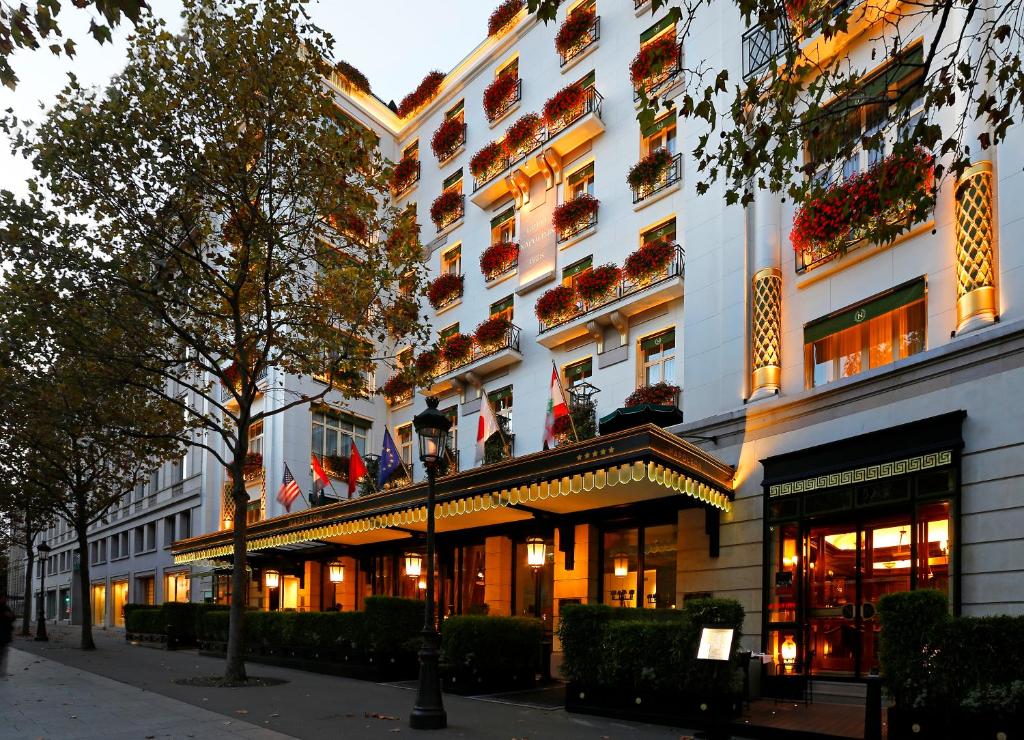
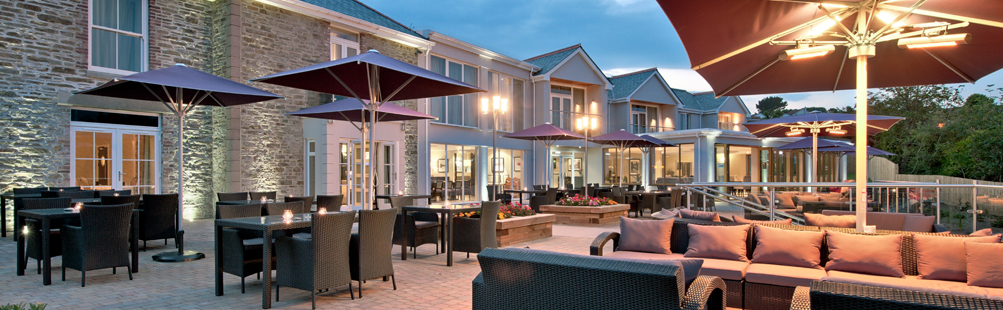
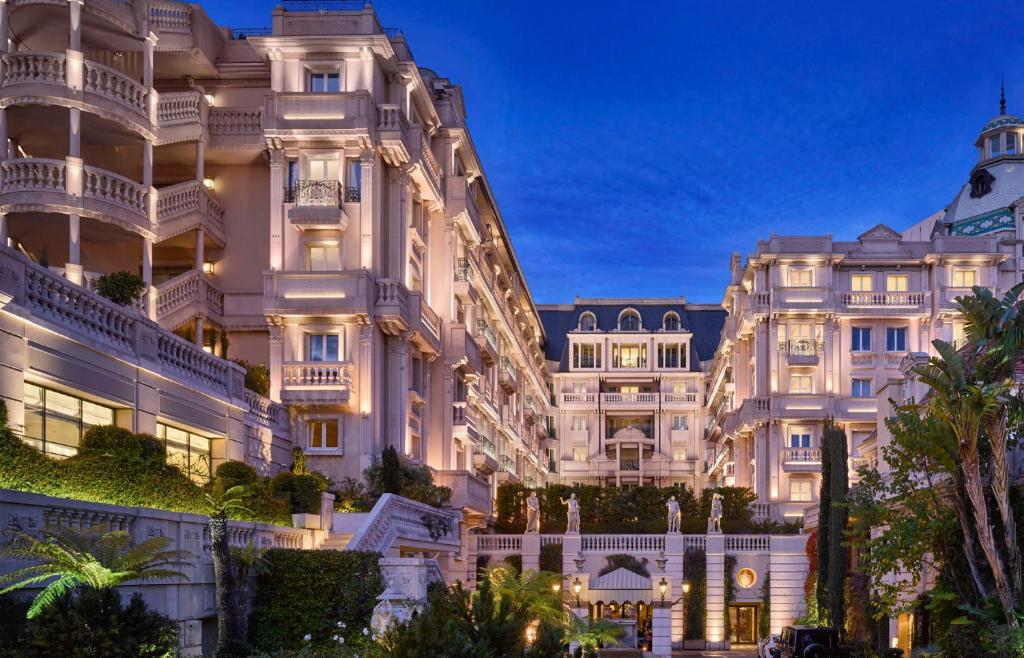
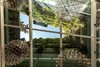
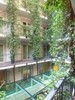
The hotel stands out for being the first "zero emissions" hotel. Through the use and constant research of innovative technologies, all the energy used is produced without releasing CO2: a constant commitment that has allowed the structure to obtain the DCA sustainable certification.
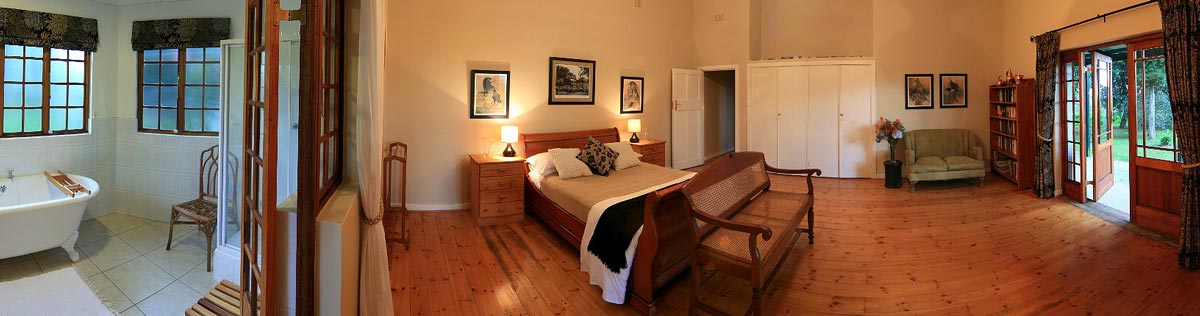
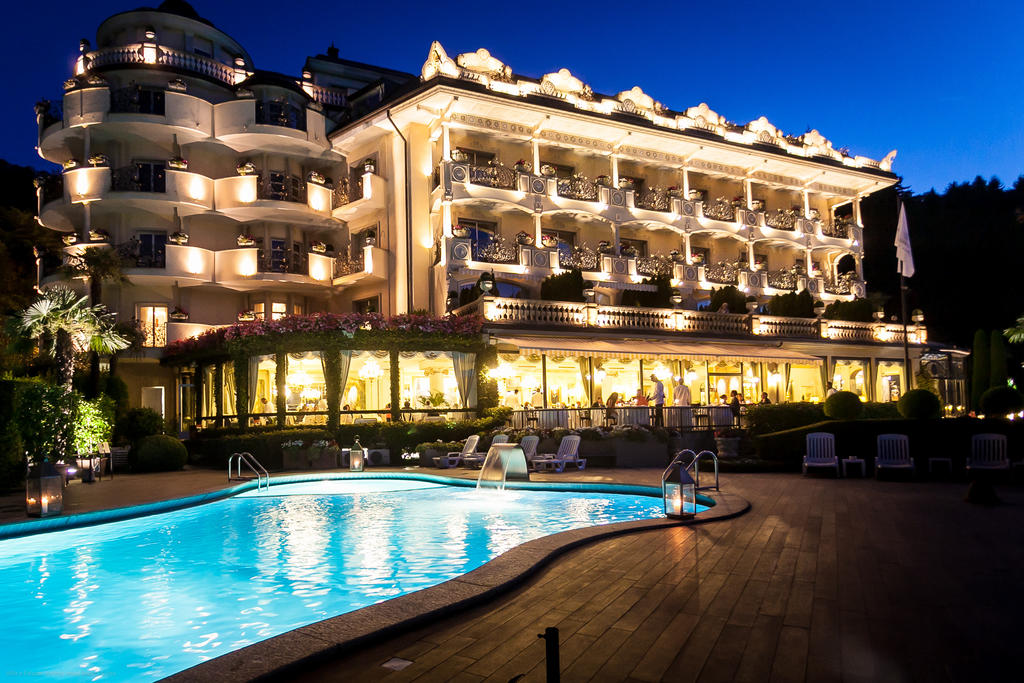
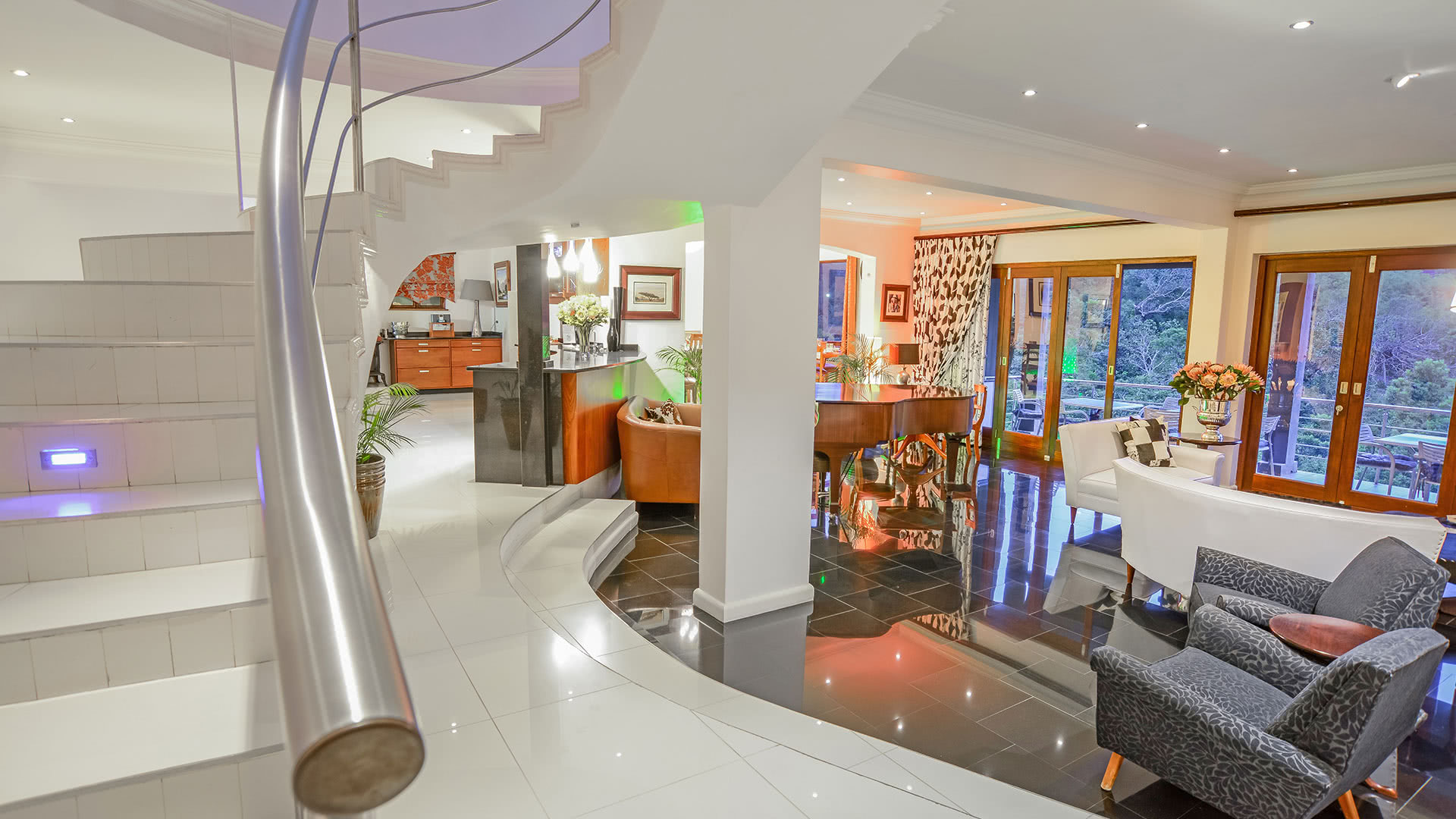
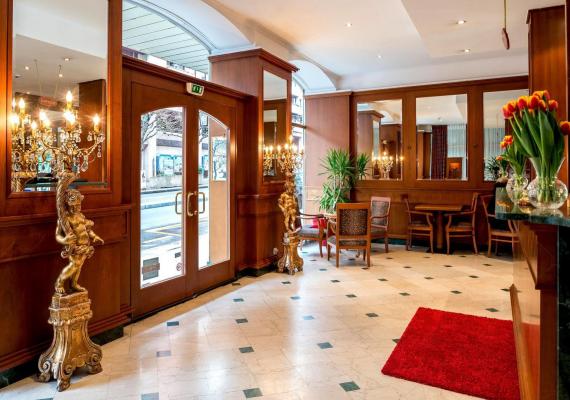
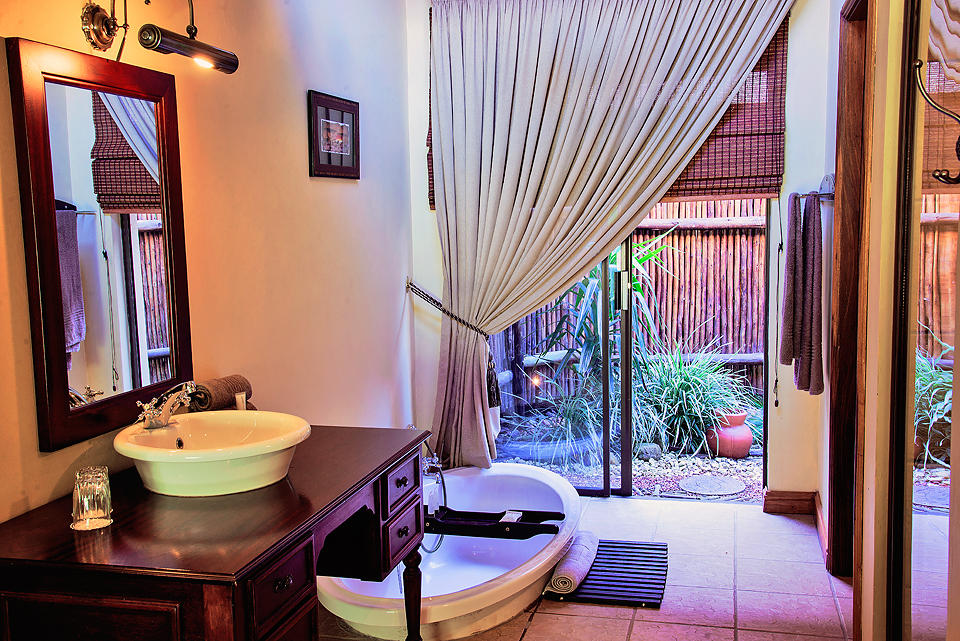
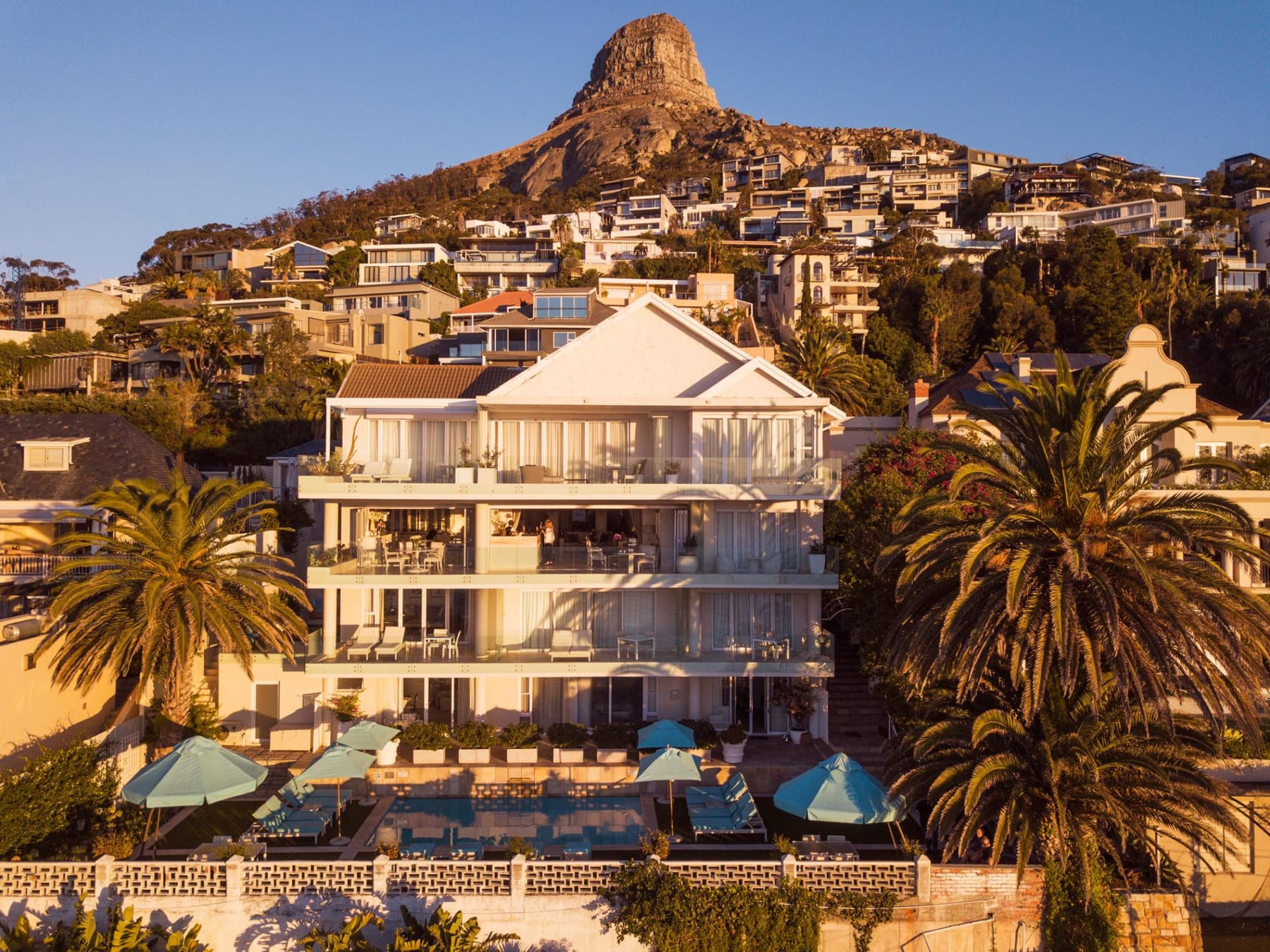
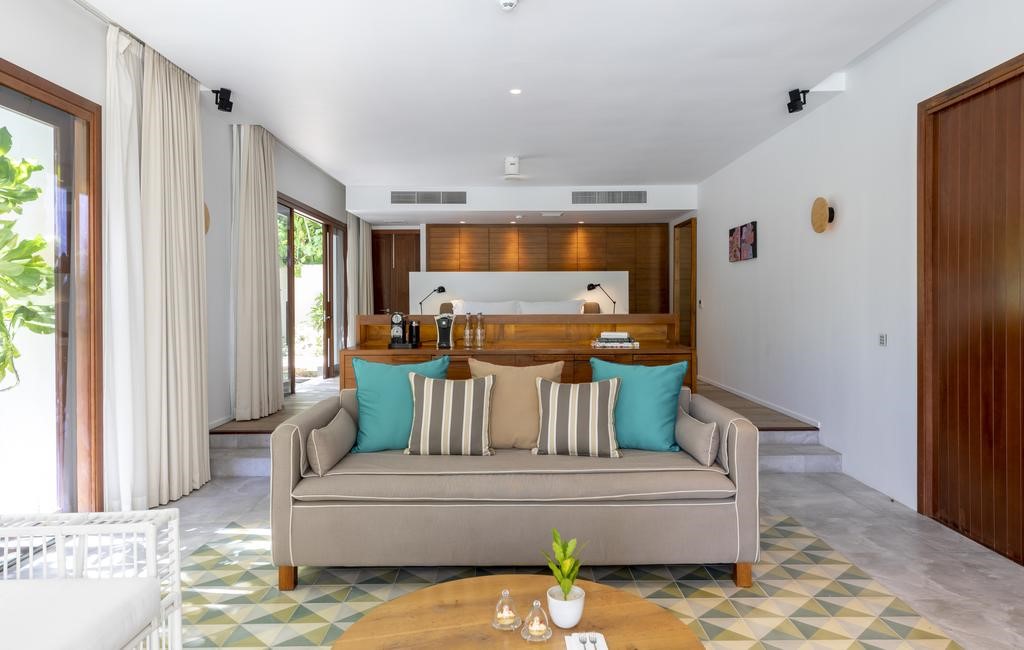
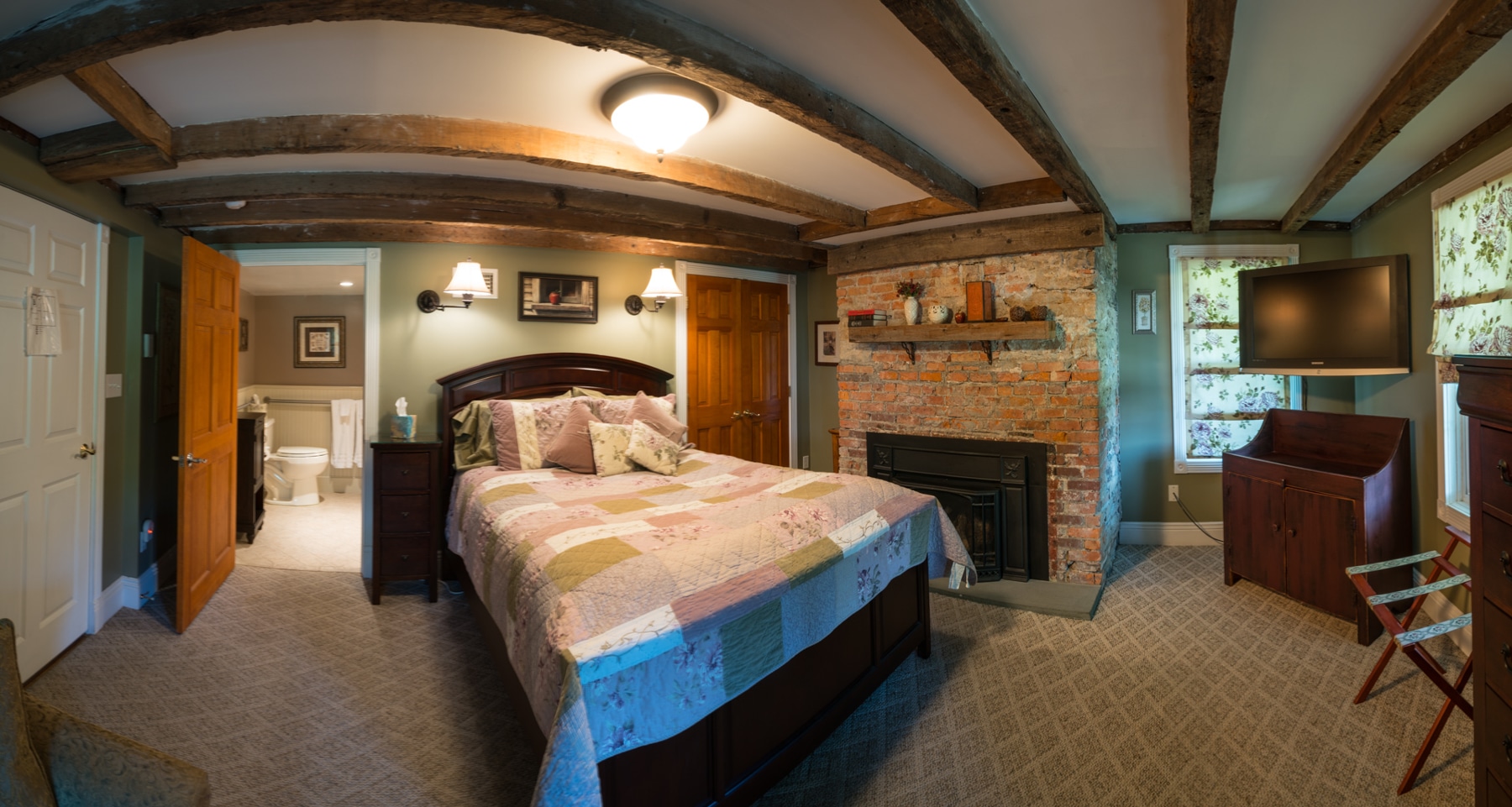
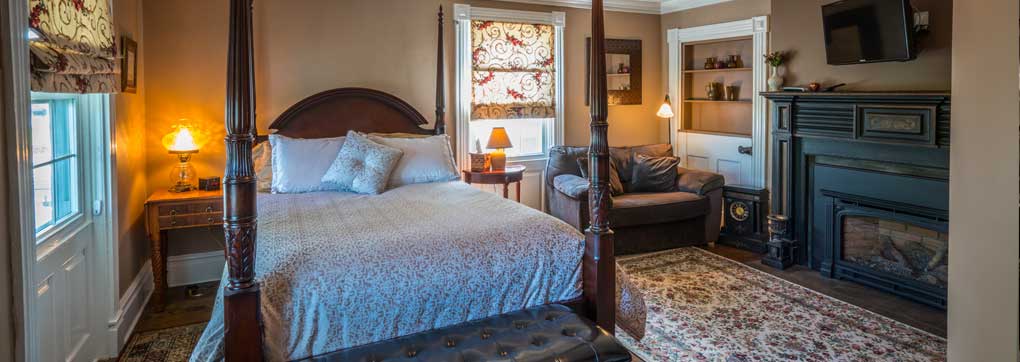
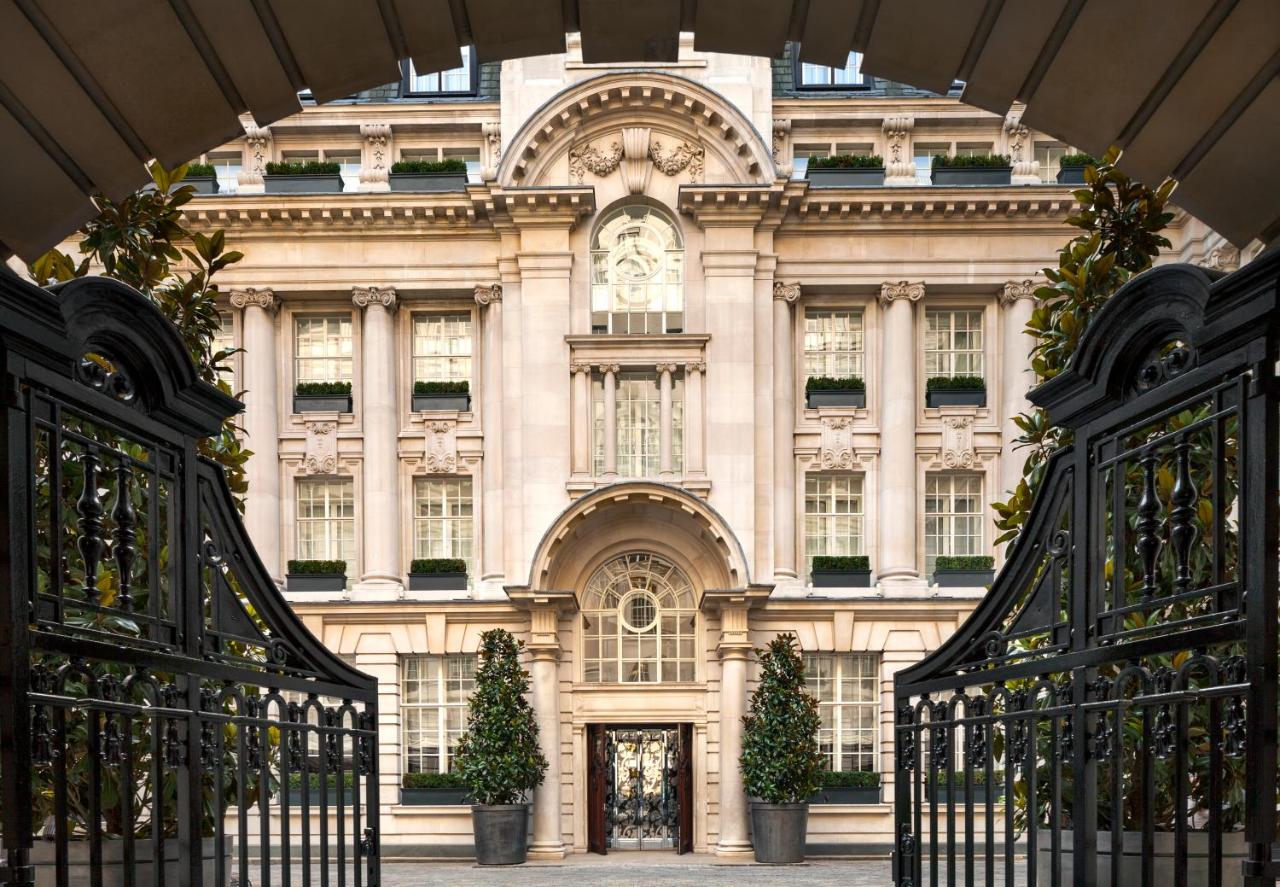
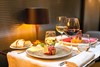
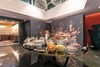
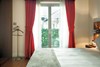
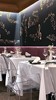
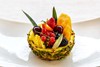
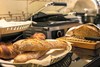
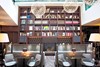
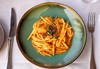
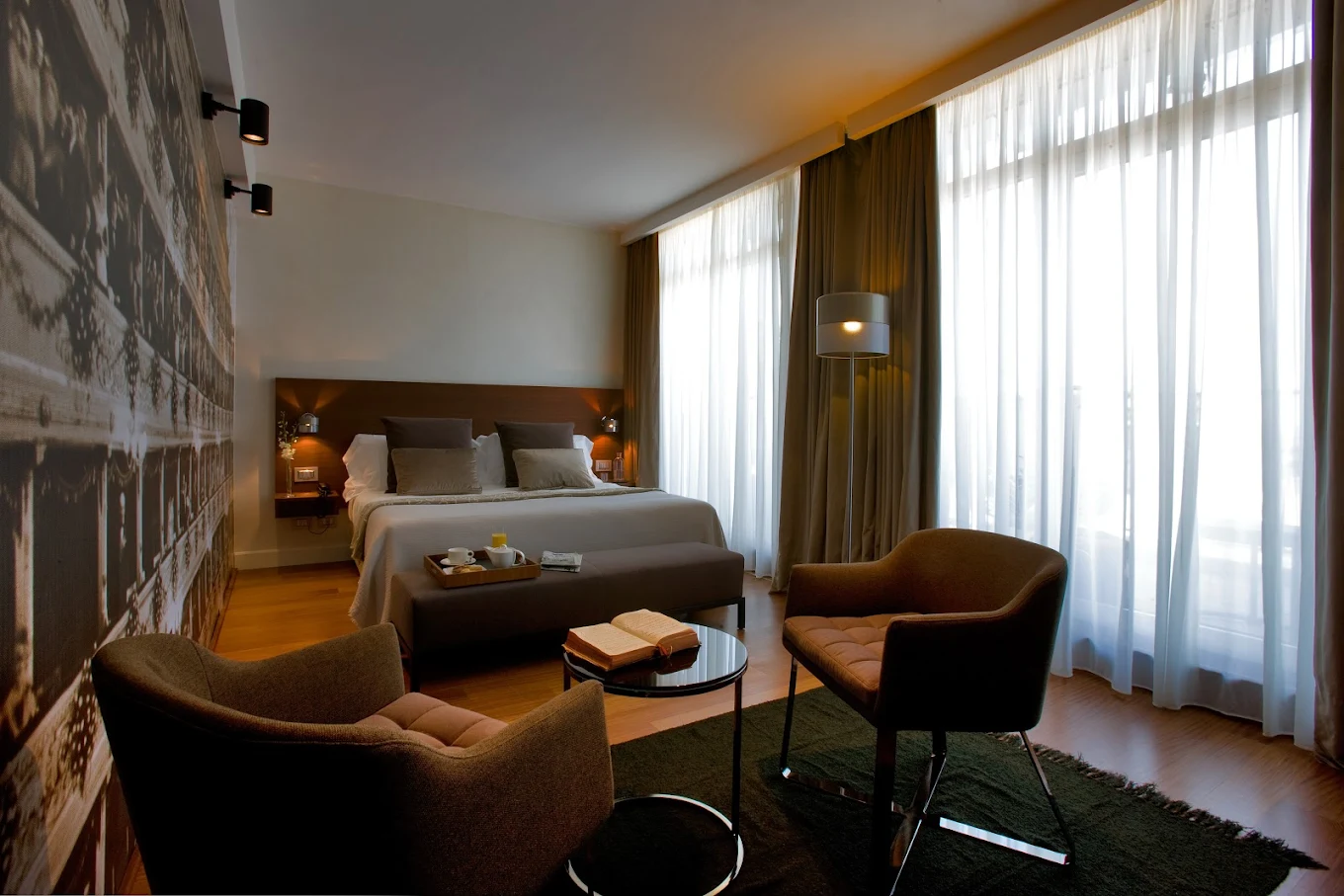
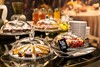
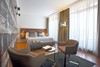
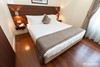
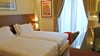
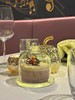
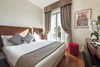
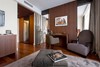
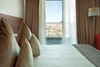
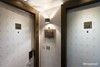
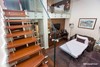
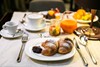
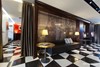
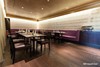
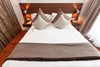
The hotel offers 62 rooms including 4 Junior Suites and 2 Suites: here the Milanese style takes shape, through the different form of culture and creativity. A rich international breakfast buffet is served in the internal foyer, including the "home made" option, to the tune of a mini harp concert performed live.
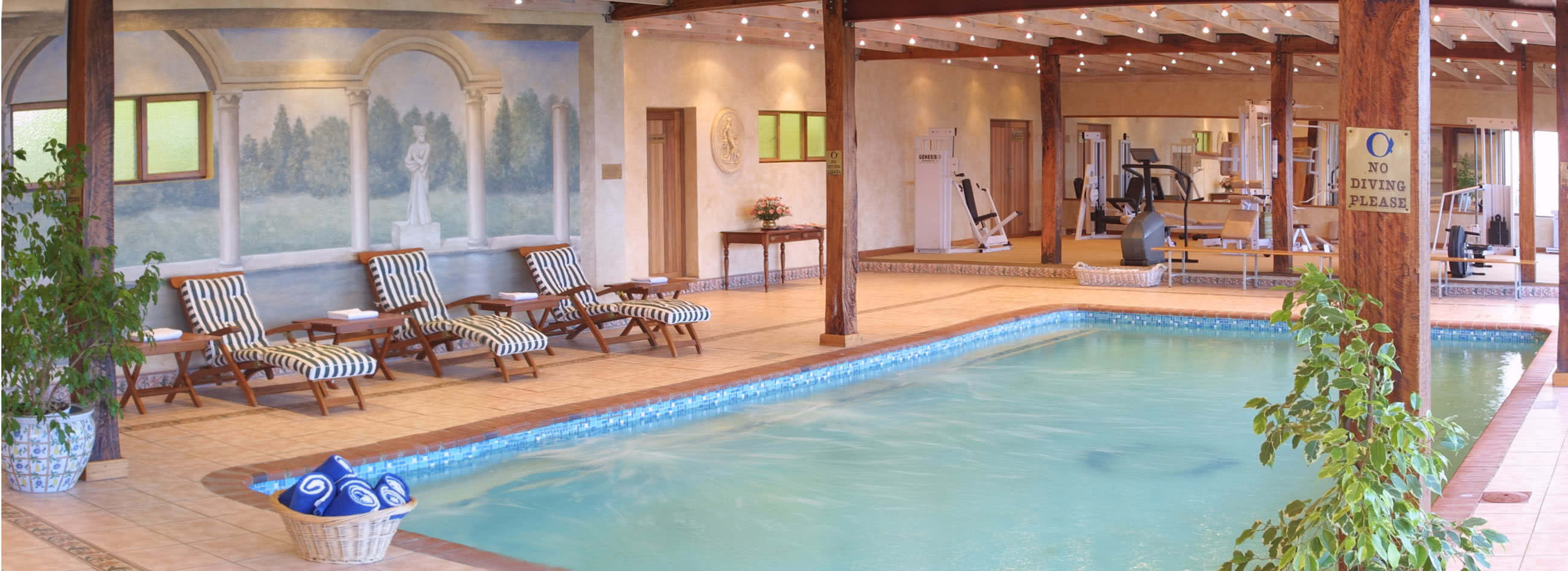
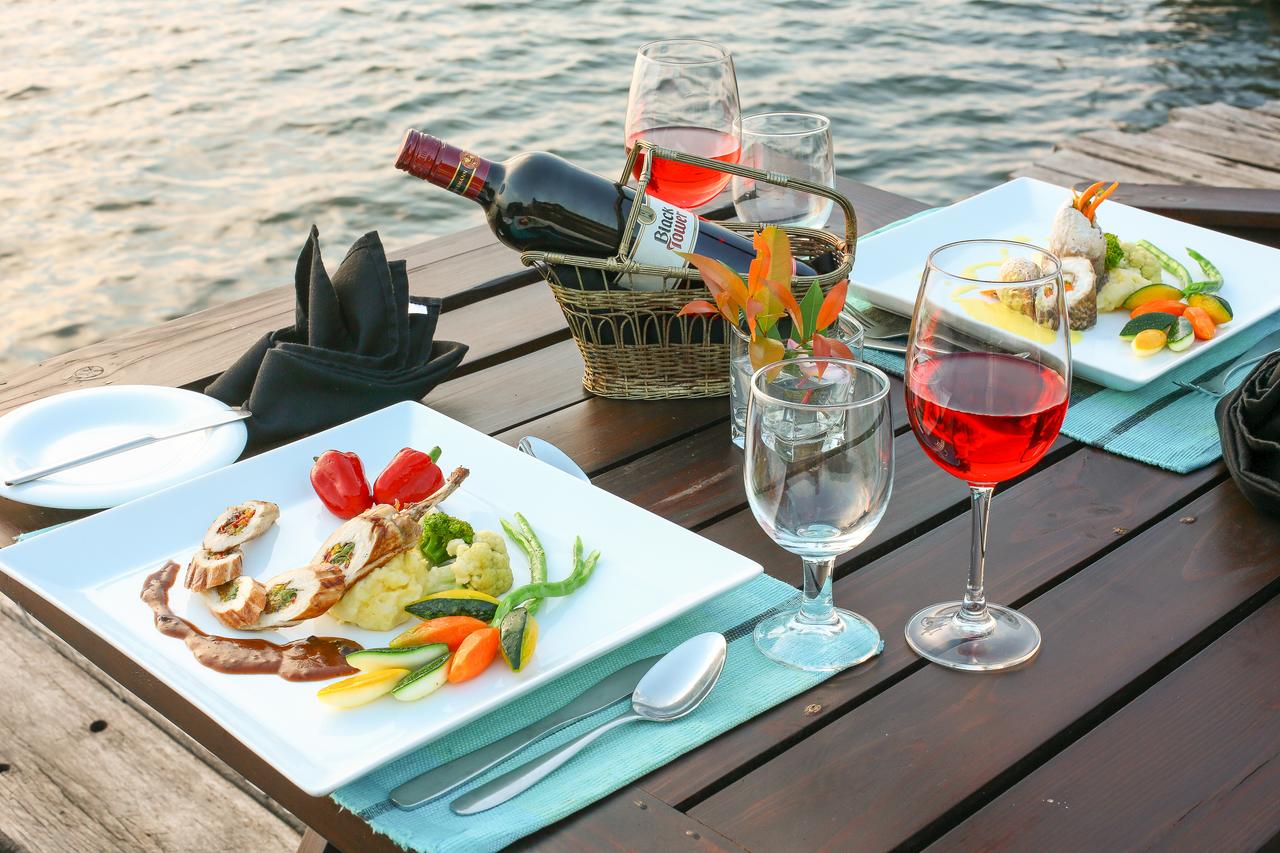
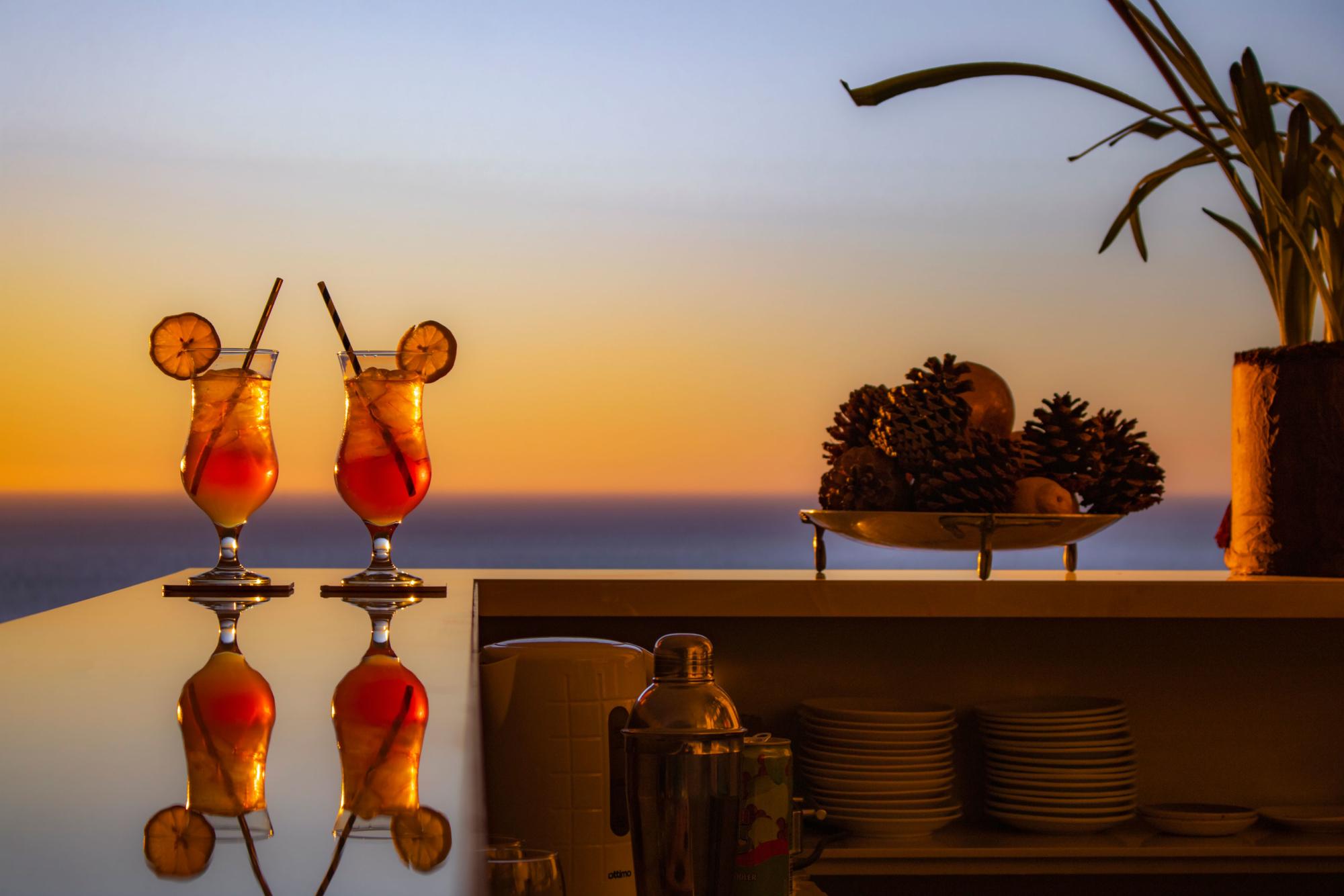
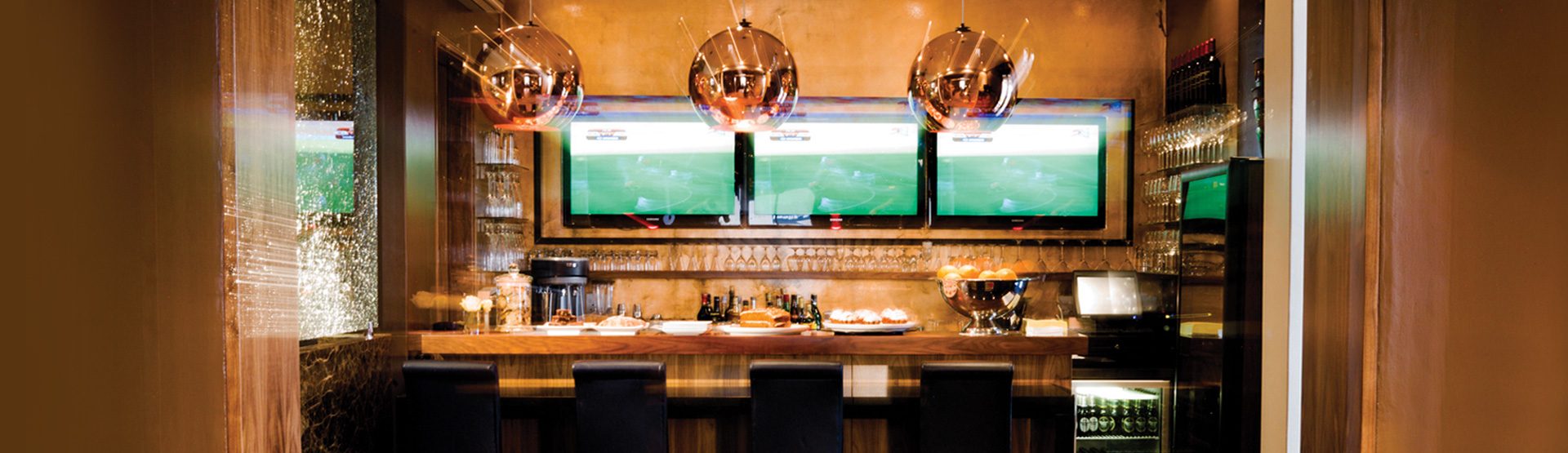
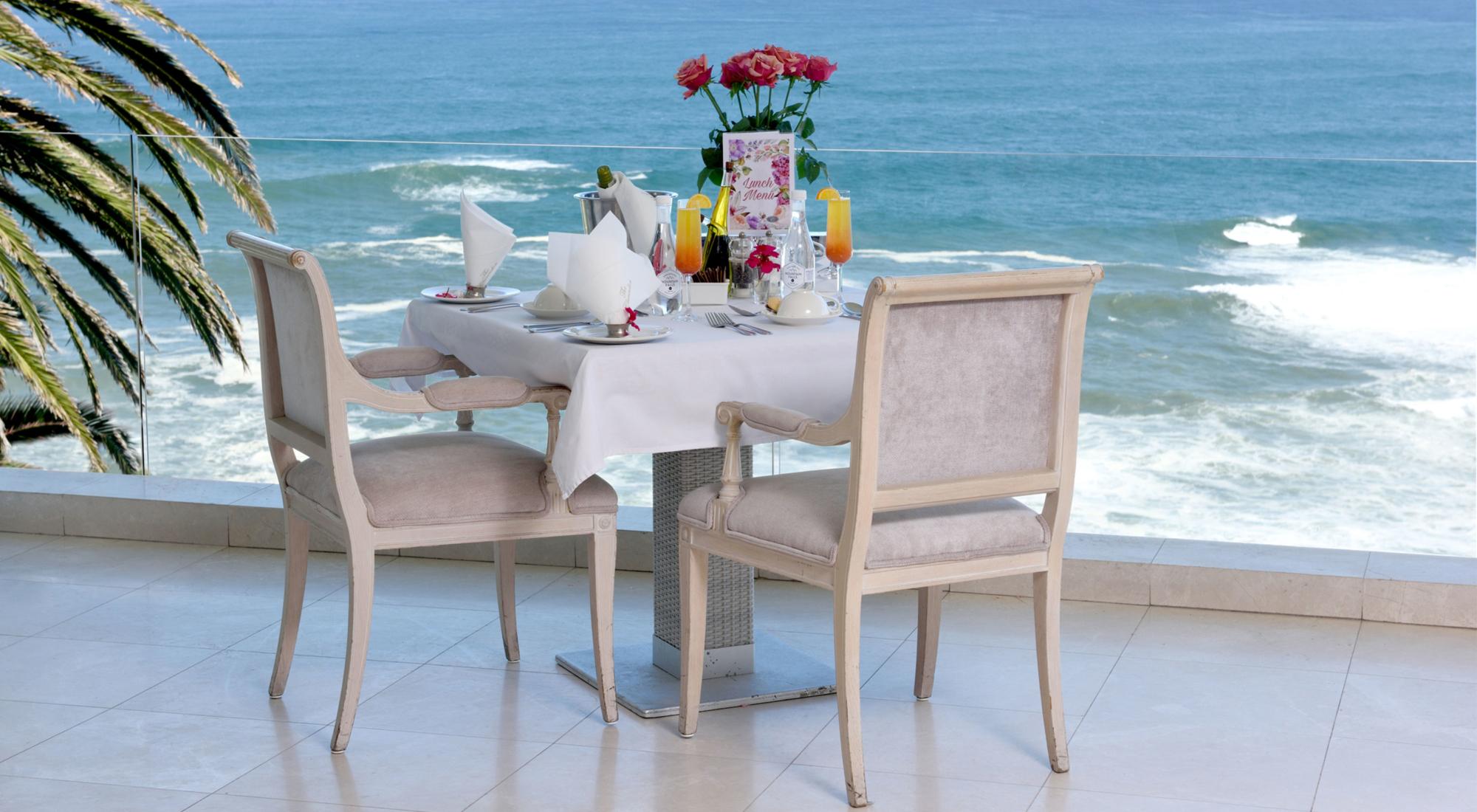
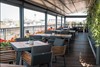
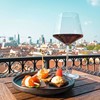
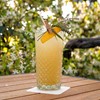
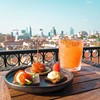
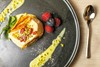
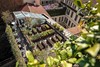
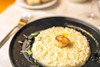
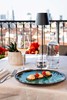
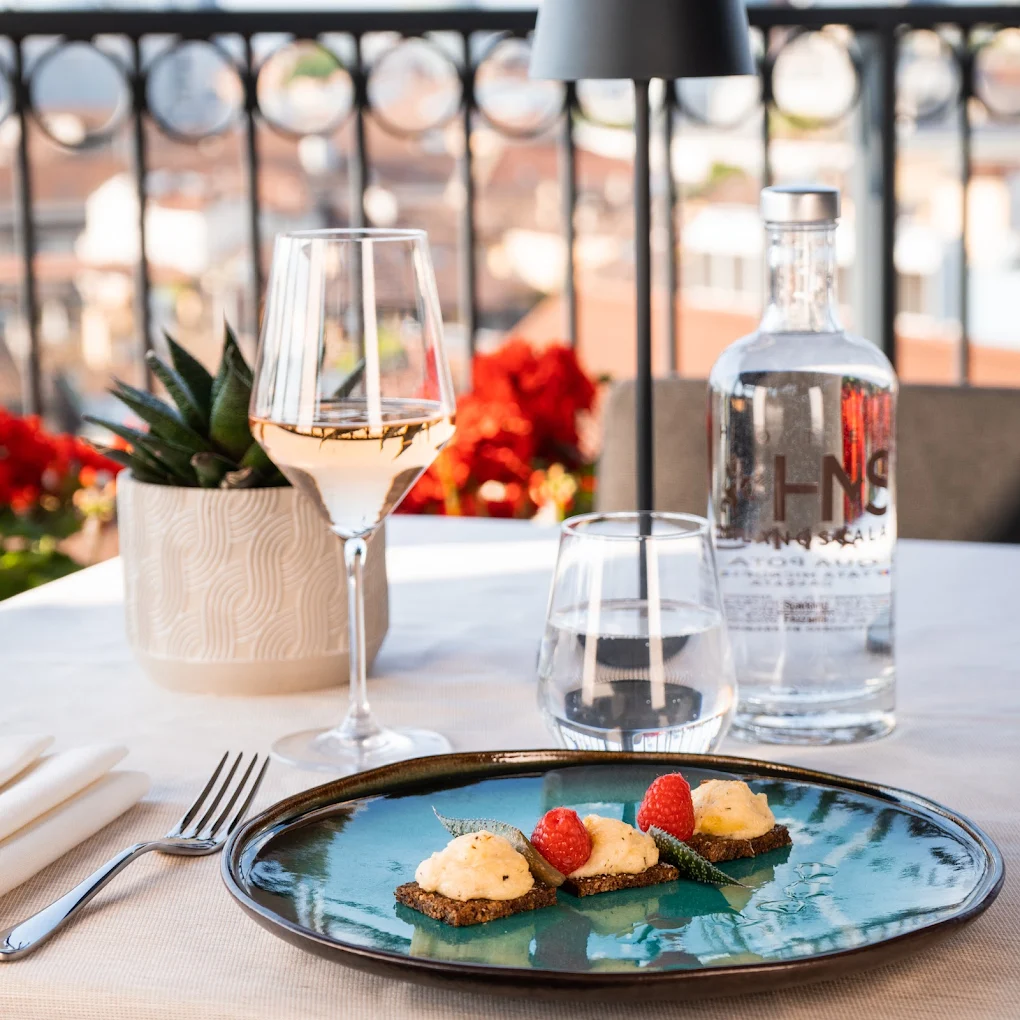
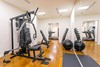
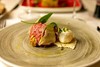
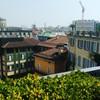
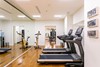
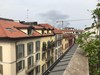
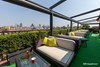
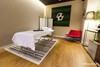
From the top floor of the hotel you can admire the evocative panorama of the city, from the only city terrace with a 360° view of the skyline. Sky Terrace offers classic aperitifs and botanical cocktails, to continue the evening with a perfect dinner. The proposed menu is healthy, in full compliance with the hotel's green philosophy, and is expressed with a line designed by our chef to reduce waste by following seasonality. An equipped gym, electric bicycles available and advice from the concierge.
Rooms & Rates
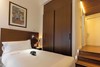
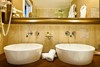
This room features parquet floors and free Wi-Fi. It offers air conditioning and a TV with satellite channels.
Amenities:
Family Suite
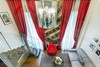
Set on 2 levels, this air-conditioned suite features a private bathroom with bath tub, a seating area with a single sofa bed, and a raised sleeping area with an additional toilet. Free WiFi is available.
Amenities:
Junior Suite
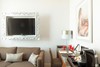
Large suite with parquet floors and a separate lounge. Features an LCD TV with satellite channels. Offers free WiFi and air conditioning. Some have 2 bathrooms or a balcony.
Amenities:
Suite (3 adults)
Large suite with parquet floors and a separate lounge. Features an LCD TV with satellite channels. Offers free WiFi and air conditioning. This room features a balcony.
Amenities:
Classic Single Room
This room features parquet floors and free Wi-Fi. It offers air conditioning and a TV with satellite channels.
Amenities:
Classic Twin Room
This room features parquet floors and free Wi-Fi. It offers air conditioning and a TV with satellite channels.
Amenities:
Superior Double Room
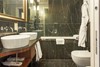
Spacious room with parquet floors. Offers free Wi-Fi, air conditioning, and a TV with satellite channels. Features a large bathroom with spa bath. Some offer a balcony.
Amenities:
Duplex Suite
Set on 2 levels, this air-conditioned suite features a private bathroom with bath tub, a seating area with sofa bed, and a raised sleeping area with an additional bathroom. Free WiFi is available.
Amenities:
Classic
Amenities:
Superior
Amenities:
Classic 2 Beds
Amenities:
Superior 1 Queen Bed
Amenities:
Suite
Amenities:
Standard Suite
Amenities:
Classic 1 Queen Bed
Amenities:
Room Service
24 hour front desk
Fitness Center
Property is cleaned with disinfectant
Restaurant
Property confirms they are implementing guest safety measures
Bed sheets and towels are washed at a temperature of at least 60°C/140°F
Concierge
Wheelchair Access
Property uses a professional cleaning service
Masks are available to guests
Guests are provided with free hand sanitizer
In room safe
Social distancing measures are in place
Internet Access - Free Public Access
Acrylic shield between guests and staff in main contact areas
Laundry
Non-Smoking Facility
Business Center
Lounge/Bar
| Internet | WiFi is available in all areas and is free of charge. |
| Parking | No parking available. |
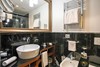
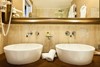
| Bathroom | Toilet paper, Towels, Bidet, Private bathroom, Toilet, Free toiletries, Bathrobe, Hairdryer |
| Bedroom | Linen, Wardrobe or closet |
| Outdoors | Terrace |
| Room Amenities | Socket near the bed, Clothes rack |
| Activities | Bicycle rental, Live music/performance |
| Living Area | Desk |
| Media & Technology | Flat-screen TV, Cable channels, Satellite channels, Radio, Telephone, TV |
| Food & Drink | Coffee house on site, Fruits Additional charge, Wine/champagne Additional charge, Kid meals Additional charge, Special diet menus (on request), Snack bar, Breakfast in the room, Bar, Minibar, Restaurant |
| Reception services | Invoice provided, Concierge service, Luggage storage, 24-hour front desk |
| Cleaning services | Daily housekeeping, Trouser press Additional charge, Ironing service Additional charge, Dry cleaning Additional charge, Laundry Additional charge |
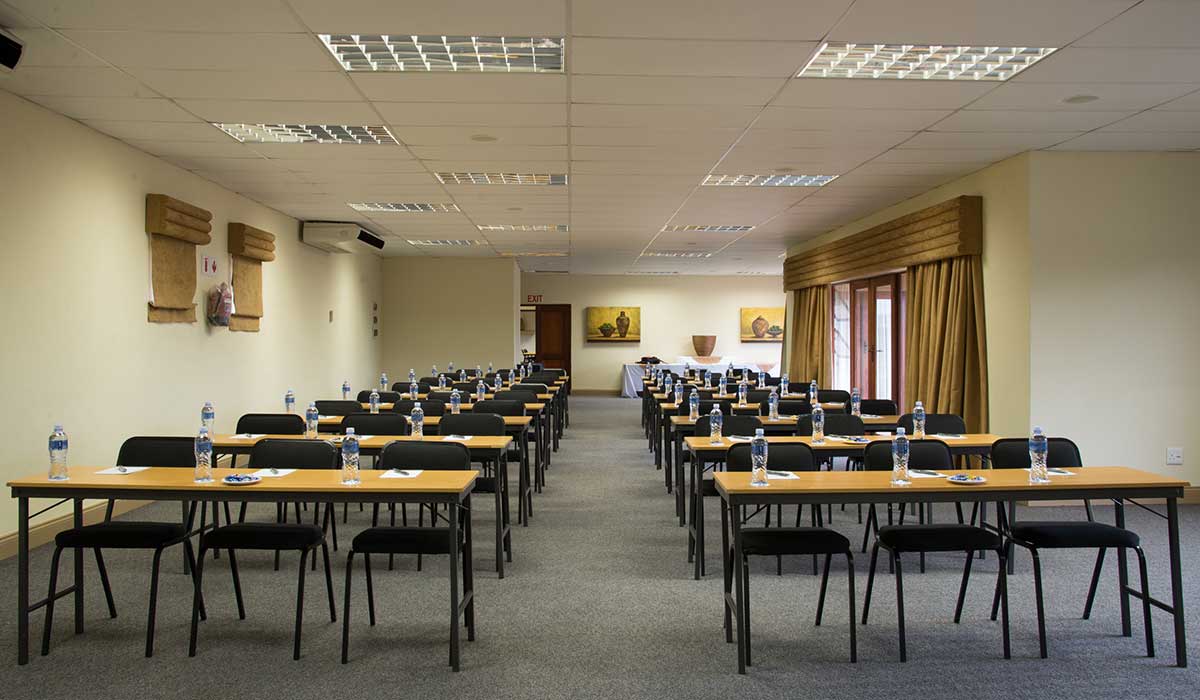
| Business facilities | Fax/photocopying Additional charge, Business centre, Meeting/banquet facilities Additional charge |
| Safety & security | Fire extinguishers, CCTV outside property, CCTV in common areas, Smoke alarms, Security alarm, Key card access, Key access, Safety deposit box |
| General | Shared lounge/TV area, Designated smoking area, Air conditioning, Non-smoking throughout, Allergy-free room, Wake-up service, Hardwood or parquet floors, Heating, Soundproof rooms, Lift, Family rooms, Facilities for disabled guests, Non-smoking rooms, Room service |
| Accessibility | Wheelchair accessible, Upper floors accessible by elevator |
| Wellness | Fitness/spa locker rooms, Fitness, Fitness centre |
| Languages spoken | German, English, Spanish, French, Italian, Dutch, Portuguese |








Cliff Jacobs (Nat Dpl Hotel Man (UJ). MPRE. GA Level 5 TEFL) Managing Principal / CEO Exquisite Hotel Consultants (Pty) Ltd Mobile: +27 (0) 84 413 1071 / +27 (0) 61 716 6951 Email: cliff@exquisitehotelconsultants.com Web: https://www.exquisitehotelconsultants.com © All rights reserved Terms and Conditions apply Scroll down to view our Hospitality Properties and Businesses for sale or lease or lease-to-buy or partnership arrangement or management agreement arrangement.