.JPG "Exquisite Properties")
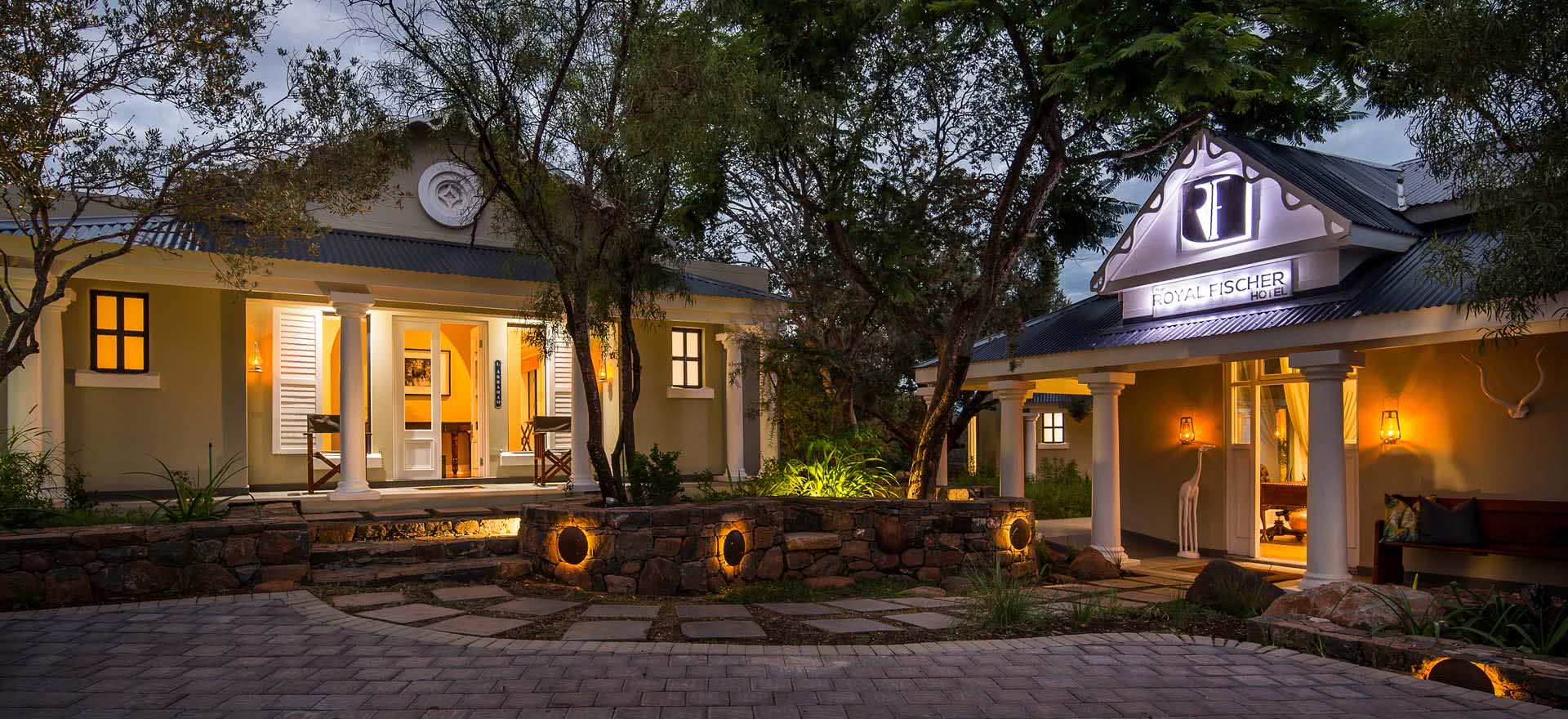
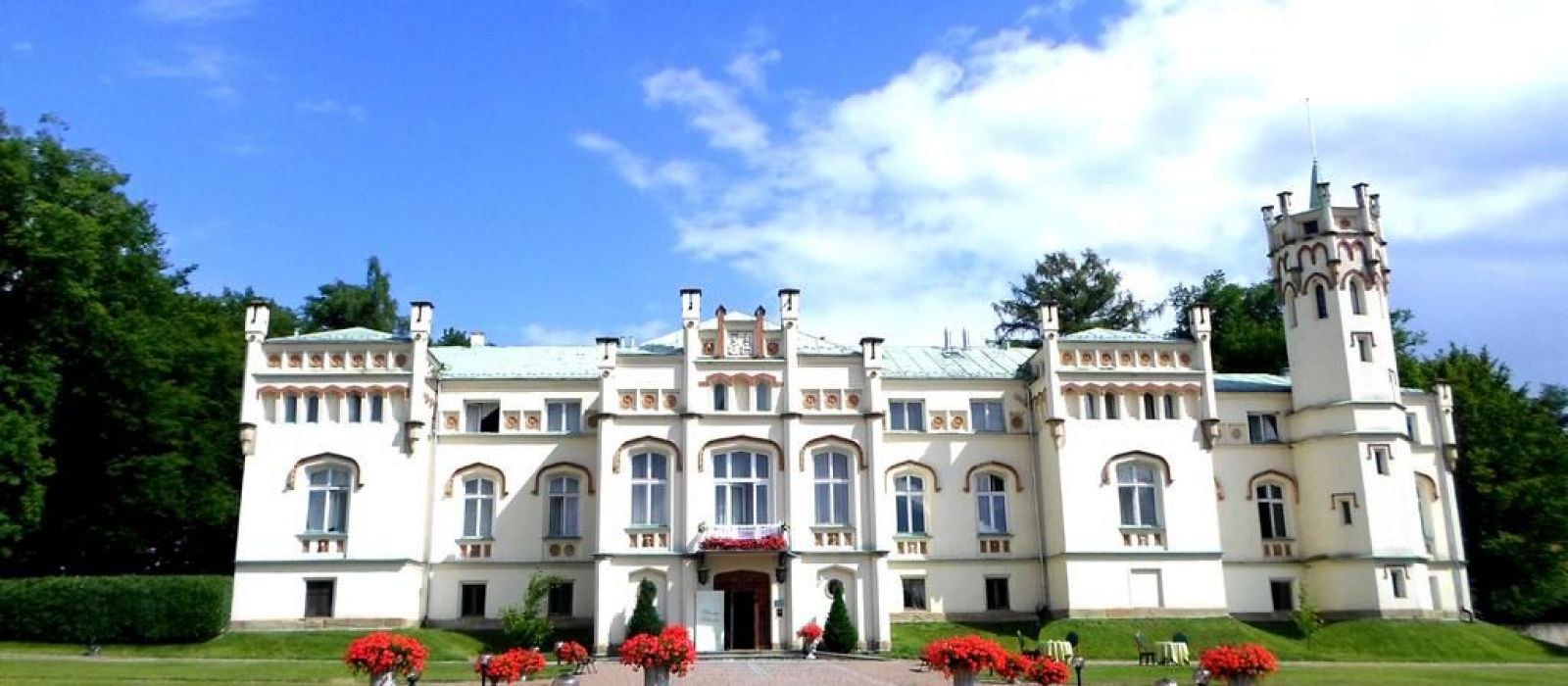

Pretoria East, Gauteng, South Africa
Agent: Cliff Jacobs - Managing Principal Property Practitioner & CEO - Exquisite Hotel Consultants (Nat.Dpl.Hotel Man (UJ). M.P.R.E.)
Agent Cellphone: +27 (0) 84 413 1071 / +27 (0) 61 716 6951
Agent Office Number: +27 (0) 84 413 1071
Agent Email Address: cliff@exquisitehotelconsultants.com
Type: Boutique Hotel and Wedding / Conference Venue
Bedrooms: 22
Bathrooms: 22
Showers: 22
Parking: 0
Yield: Not Disclosed
TGCSA Rating:

Pretoria, South Africa
Pretoria is the executive capital of South Africa, serving as the seat of the executive branch of government, and as the host to all foreign embassies to the country.
Pretoria straddles the Apies River and extends westward into the foothills of the Magaliesberg mountains. It has a reputation as an academic city and centre of research, being home to the Tshwane University of Technology (TUT), the University of Pretoria (UP), the University of South Africa (UNISA), the Council for Scientific and Industrial Research (CSIR), and the Human Sciences Research Council. It also hosts the National Research Foundation and the South African Bureau of Standards. Pretoria was one of the host cities of the 2010 FIFA World Cup.
As the administrative capital of the country, Pretoria hosts the headquarters of all national government departments and agencies. The city is also a major global diplomatic hub; it is home to 134 foreign embassies and high commissions, representing the second-largest concentration of diplomatic missions in the world, surpassed only by Washington, D.C.
Pretoria is the central part of the City of Tshwane Metropolitan Municipality which was formed by the amalgamation of several former local authorities, including Bronkhorstspruit, Centurion, Cullinan, Hammanskraal and Soshanguve. Some have proposed changing the official name from Pretoria to Tshwane, which has caused some public controversy.
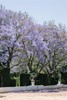
Pretoria is named after the Voortrekker leader Andries Pretorius, and South Africans sometimes call it the "Jacaranda City", because of the thousands of jacaranda trees planted along its streets and in its parks and gardens.
History
Pretoria was founded in 1855 by Marthinus Pretorius, a leader of the Voortrekkers, who named it after his father Andries Pretorius and chose a spot on the banks of the Apies rivier (Afrikaans for "Monkeys river") to be the new capital of the South African Republic (Dutch: Zuid Afrikaansche Republiek; ZAR). The elder Pretorius had become a national hero of the Voortrekkers after his victory over Dingane and the Zulus in the Battle of Blood River in 1838. The elder Pretorius also negotiated the Sand River Convention (1852), in which the United Kingdom acknowledged the independence of the Transvaal. It became the capital of the South African Republic on 1 May 1860.
The founding of Pretoria as the capital of the South African Republic can be seen as marking the end of the Boers' settlement movements of the Great Trek.
Boer Wars
The Second Boer War resulted in the end of the Transvaal Republic and start of British hegemony in South Africa. The city surrendered to British forces under Frederick Roberts on 5 June 1900 and the conflict was ended in Pretoria with the signing of the Peace of Vereeniging on 31 May 1902 at Melrose House.
The Pretoria Forts were built for the defence of the city just prior to the Second Boer War. Though some of these forts are today in ruins, a number of them have been preserved as national monuments.
Union of South Africa
The Boer Republics of the ZAR and the Orange River Colony were united with the Cape Colony and Natal Colony in 1910 to become the Union of South Africa. Pretoria then became the administrative capital of the whole of South Africa, with Cape Town serving as the legislative capital and Bloemfontein as the judicial capital. Between 1910 and 1994, the city was also the capital of the province of Transvaal. (As the capital of the ZAR, Pretoria had superseded Potchefstroom in that role.) On 14 October 1931, Pretoria achieved official city status. When South Africa became a republic in 1961, Pretoria remained its administrative capital.
Geography
Pretoria is situated approximately 56 km (35 mi) north-northeast of Johannesburg in the northeast of South Africa, in a transitional belt between the plateau of the Highveld to the south and the lower-lying Bushveld to the north. It lies at an altitude of about 1,339 m (4,393 ft) above sea level, in a warm, sheltered, fertile valley, surrounded by the hills of the Magaliesberg range.
Climate
Pretoria has a monsoon-influenced humid subtropical climate (Köppen: Cwa) with long hot, rainy summers, and short, dry and mild winters. The city experiences the typical winters of South Africa, with cold, clear nights and mild to moderately warm days. Although the average lows during winter are mild, it can get cold due to the clear skies, with night time low temperatures in recent years in the range of 2 to −5 °C (36 to 23 °F).
The average annual temperature is 18.7 °C (65.7 °F). This is rather high, considering the city's relatively high altitude of about 1,339 metres (4,393 feet), and is due mainly to its sheltered valley position, which acts as a heat trap and cuts it off from cool southerly and south-easterly air masses for much of the year.
Rain is chiefly concentrated in the summer months, with drought conditions prevailing over the winter months, when frosts may be sharp. Snowfall is an extremely rare event; snowflakes were spotted in 1959, 1968 and 2012 in the city, but the city has never experienced an accumulation in its history.
During a nationwide heat wave in November 2011, Pretoria experienced temperatures that reached 39 °C (102 °F), unusual for that time of the year. Similar record-breaking extreme heat events also occurred in January 2013, when Pretoria experienced temperatures exceeding 37 °C (99 °F) on several days. The year 2014 was one of the wettest on record for the city. A total of 914 mm (36 in) fell up to the end of December, with 220 mm (9 in) recorded in this month alone. In 2015, Pretoria saw its worst drought since 1982; the month of November 2015 saw new records broken for high temperatures, with 43 °C (109 °F) recorded on 11 November after three weeks of temperatures between 35 °C (95 °F) and 43 °C (109 °F). Pretoria reached a new record high of 42.7 °C (108.9 °F) on 7 January 2016.
About Us
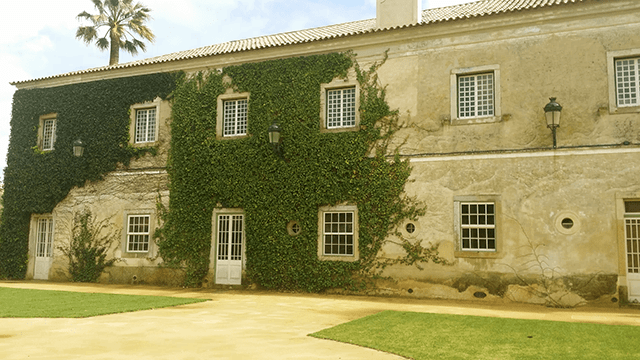
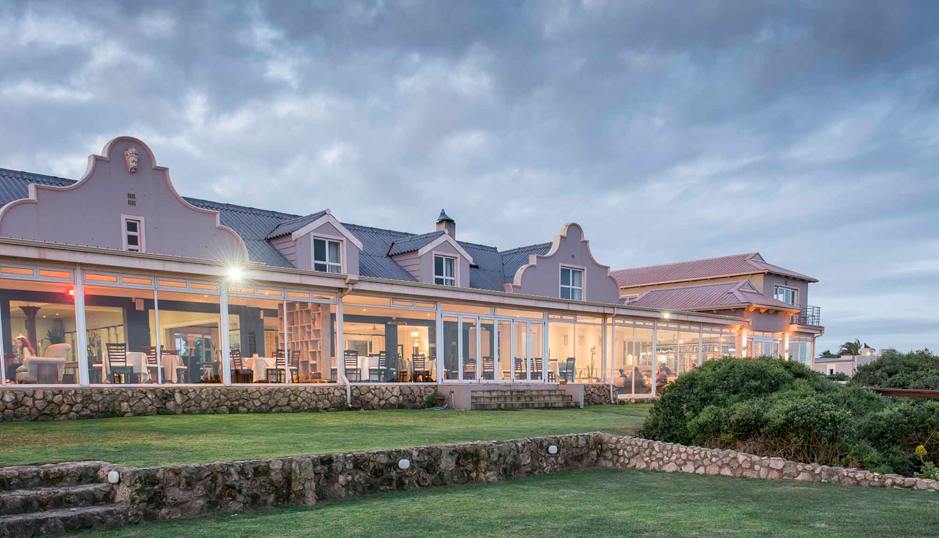
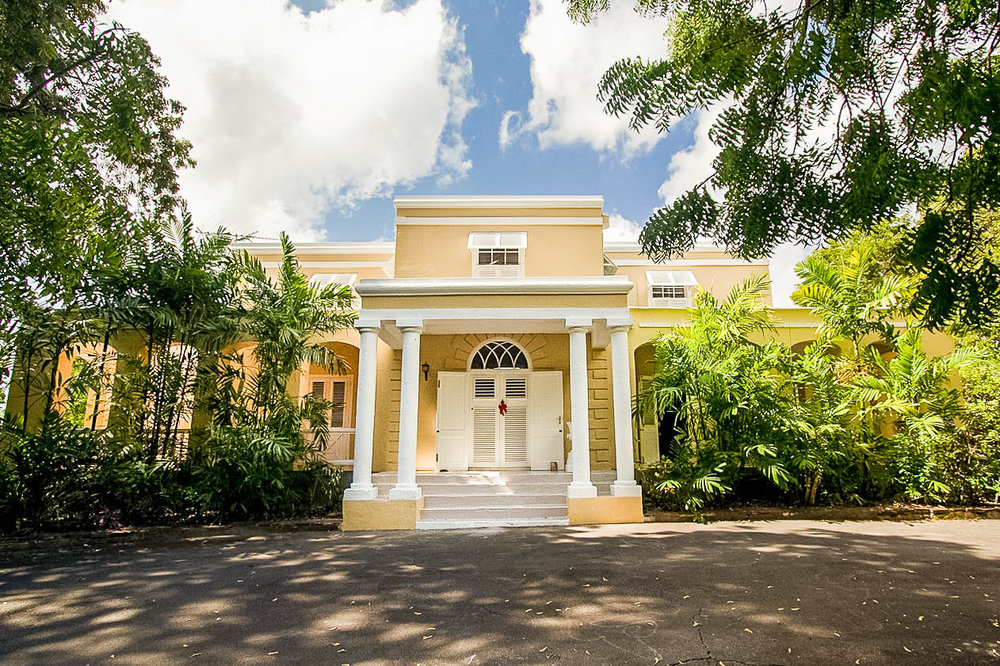
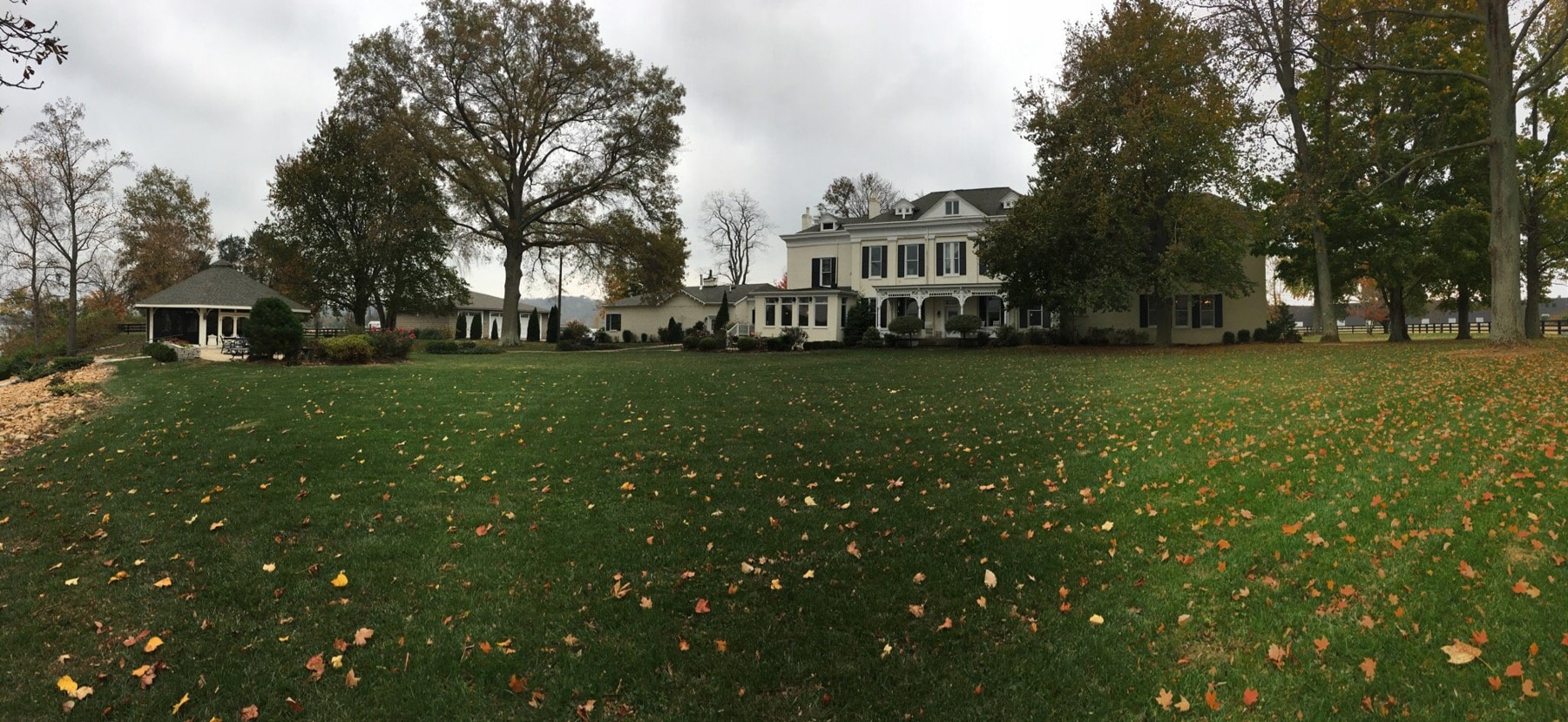
Mr C.G. Weideman bought the property that is known today as Pheasant Hill in April 1989. It was a bare piece of highveld land with no trees or infrastructure. He started to build a road with the main house and stables for his horse stud. These he build bigger than normal stables ashe knew that one day (2004) he will start to convert some of the stables into an upmarket guest house.
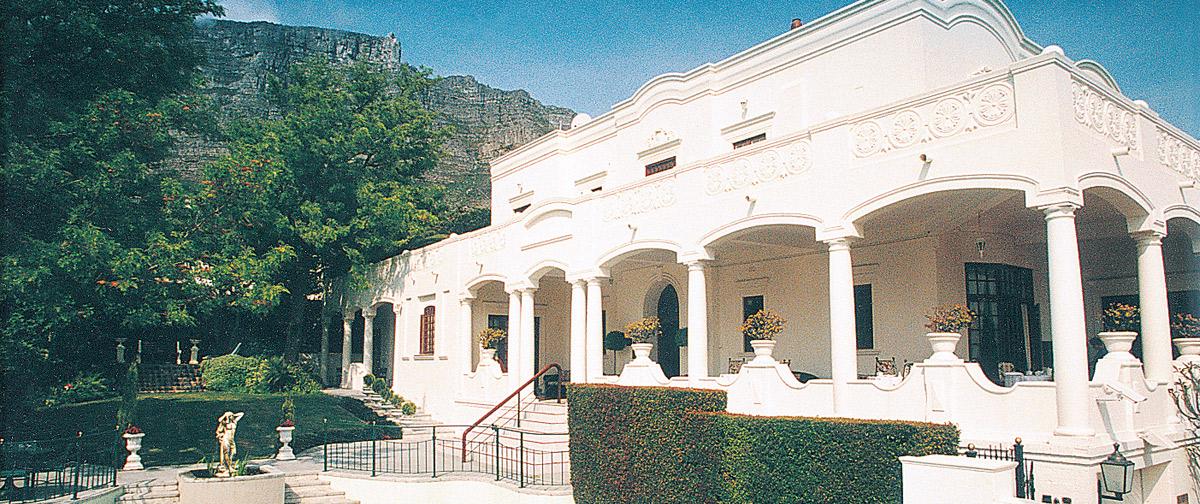
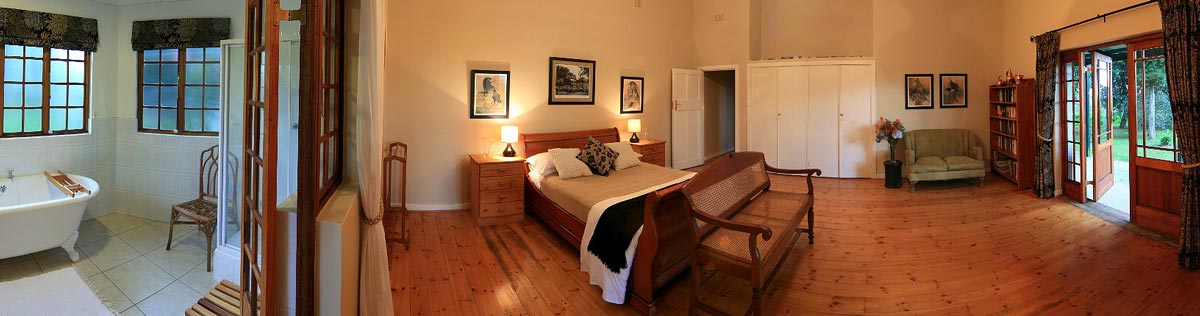
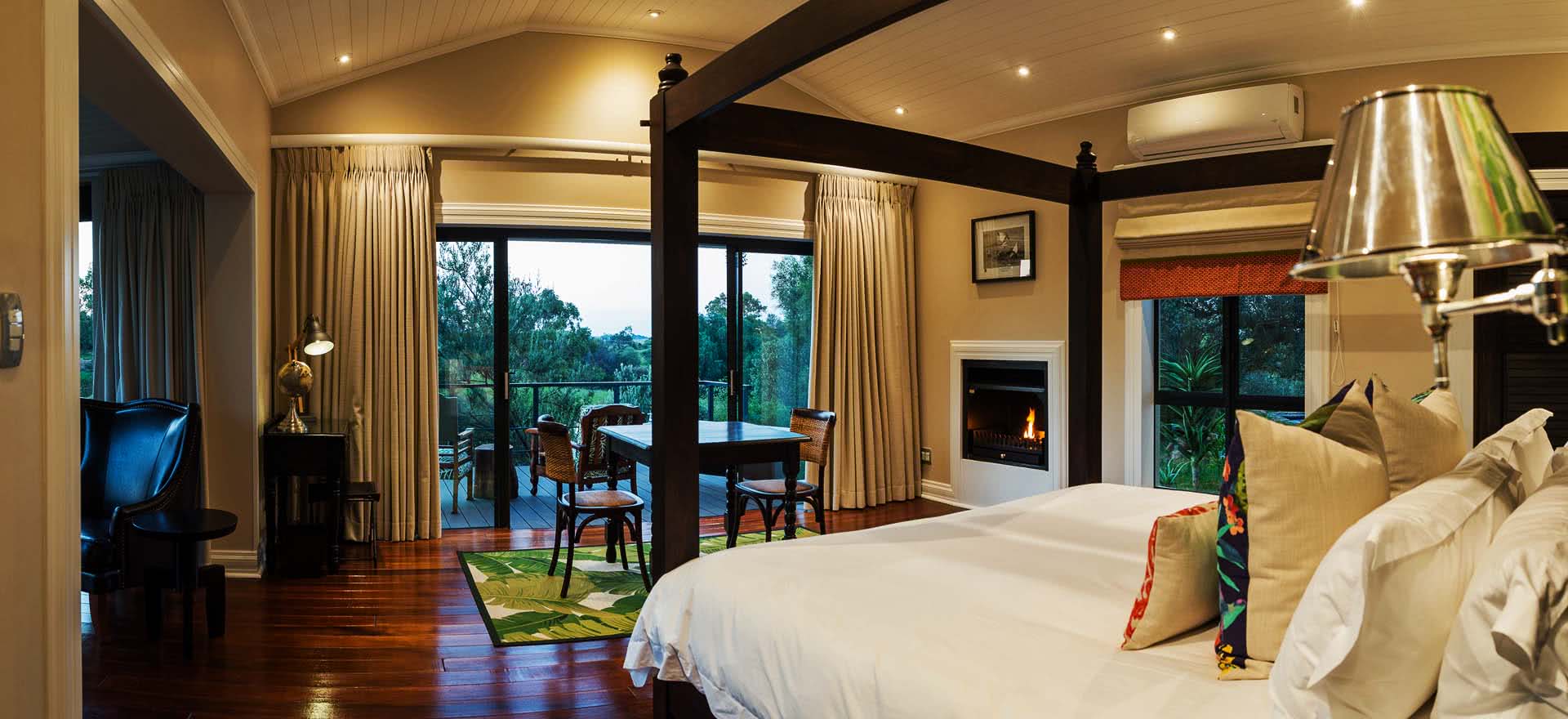
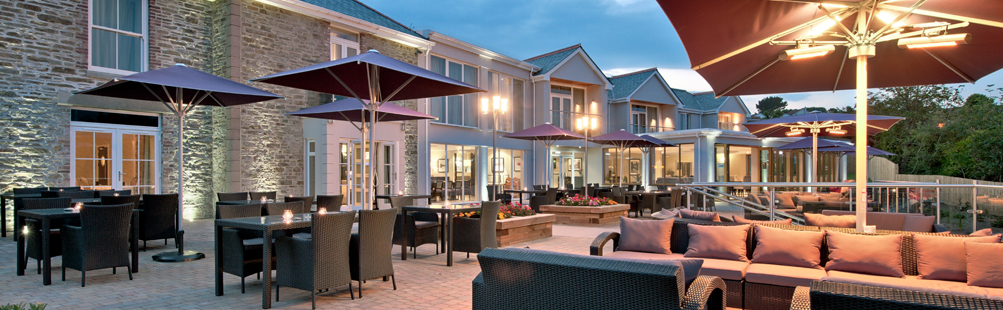
In 2005 he met Pieter Bezuidenhout and in the same year they started to build 8 purpose build guest rooms (currently our executive rooms) and converted all the stables into en-suite bedrooms (currently known as our standard rooms). In total we have 22 rooms of which one is a 4 -sleeper family room and 4 other rooms that can sleep 3 people. All rooms are en-suite with private entrances into the gardens. The business took off very quickly mainly due the peaceful garden setting and the convenient location to the OR Tambo airport, Access to the R21, and the R21 Business Park. The aim of the company from the beginning was to generate income during the week with corporate stay overs and conferences and over weekends the focus is on weddings and functions.
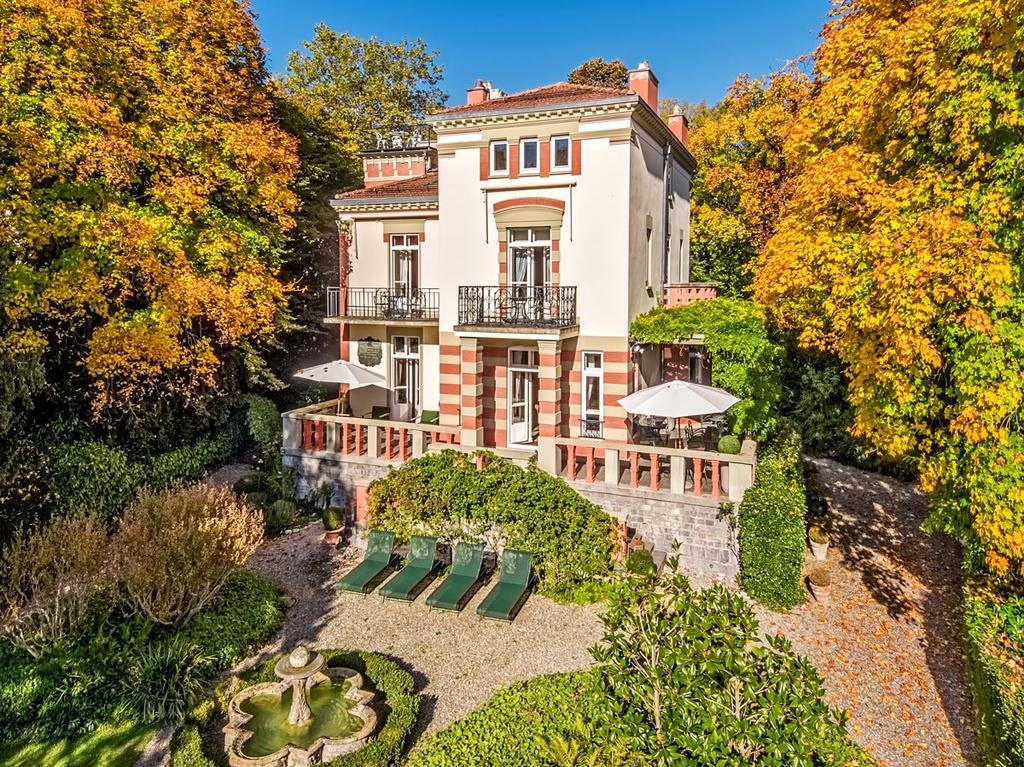
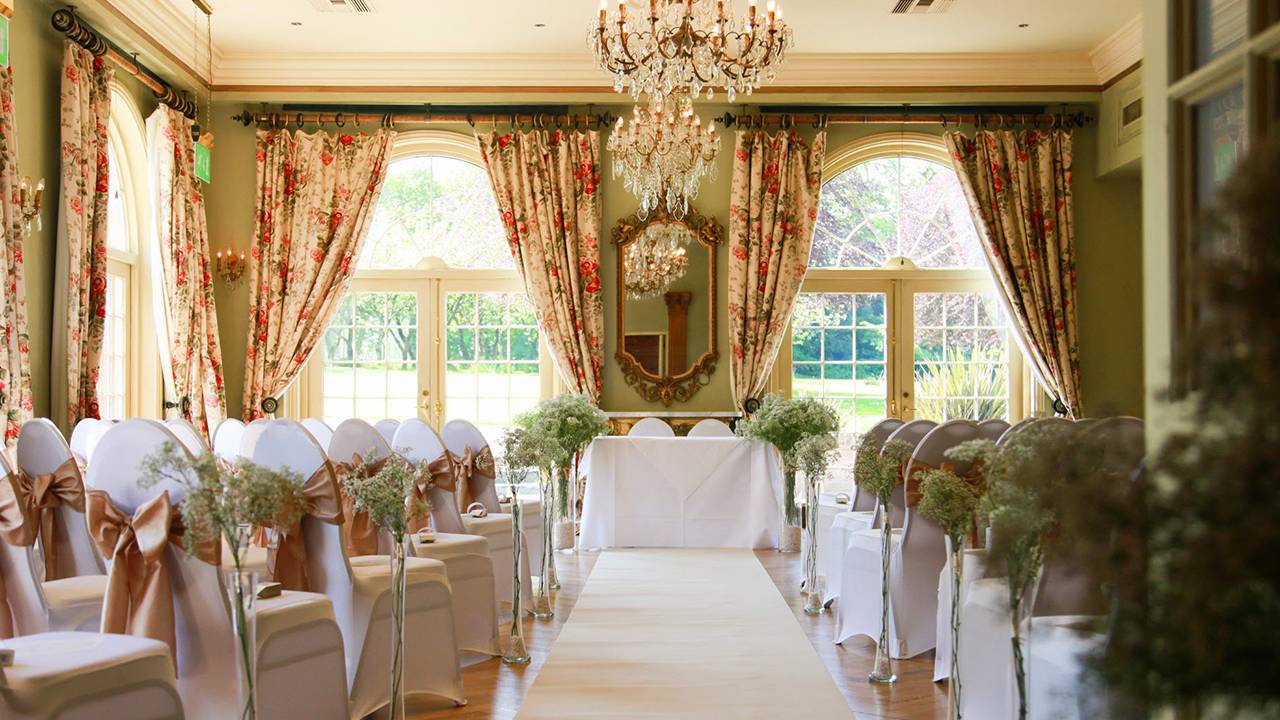
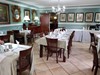
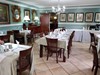
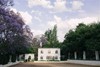
In 2014 Ile de France Banquet Hall was built for weddings, functions, and conferences with a maximum capacity of 160 people with a dance floor and 180 without a dance floor. The inspiration for the design of this hall was taken from the Palace of Versailles outside Paris, France. The doors of the venue were also designed by Deon to have the same look and feel as the Hall of mirrors at Versailles with its arched look.
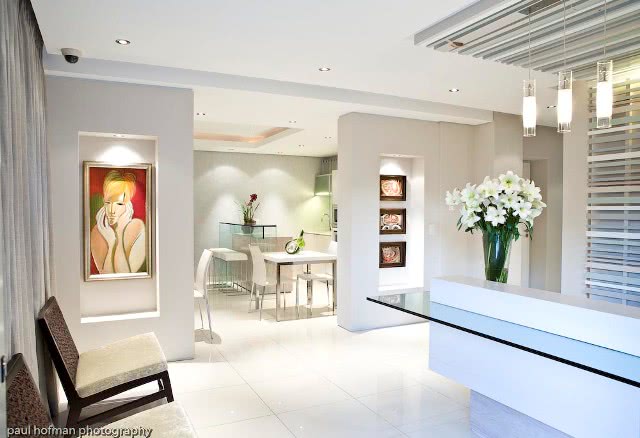
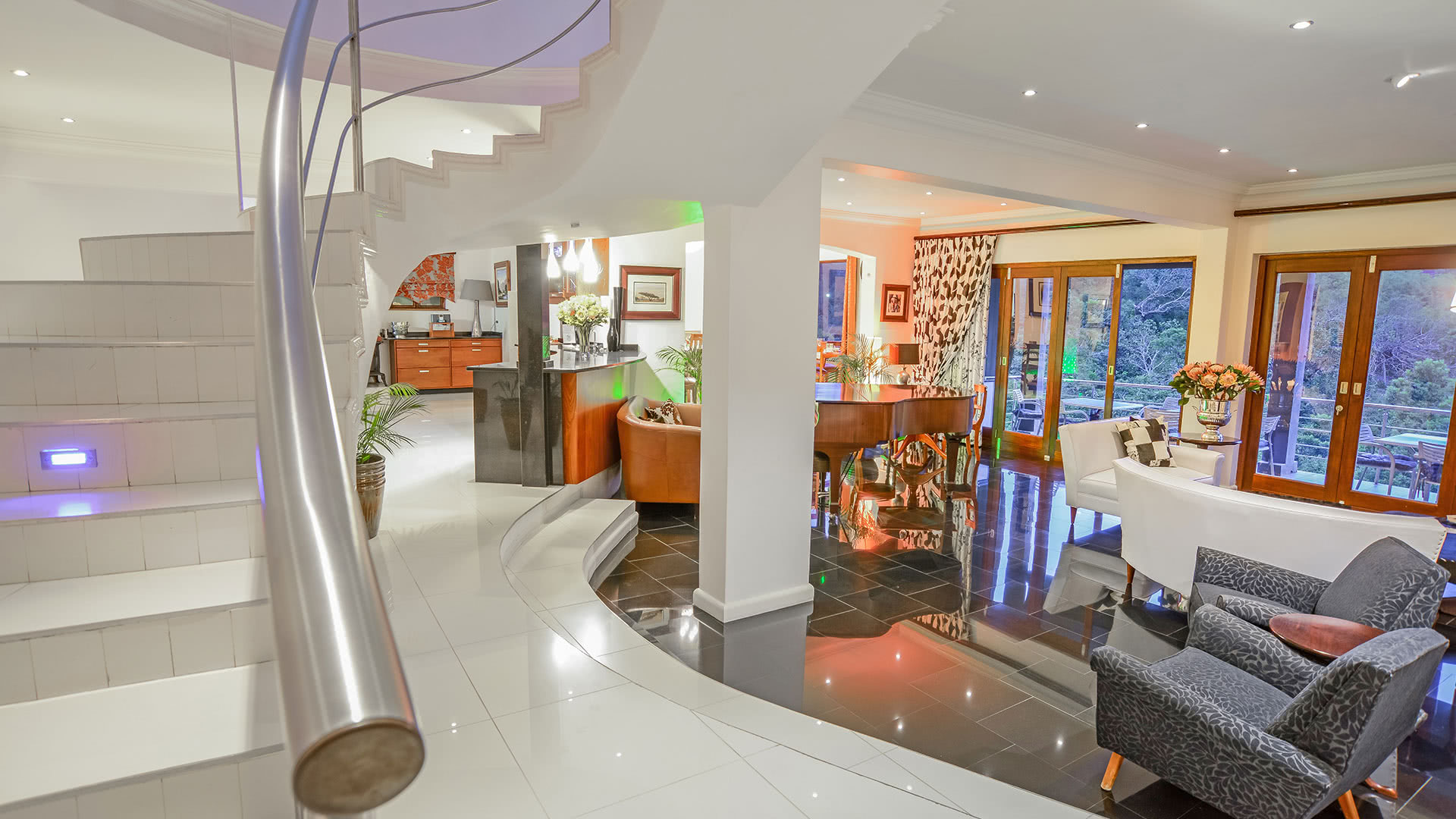
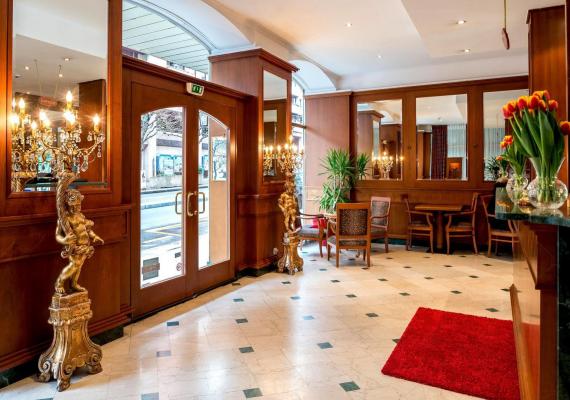
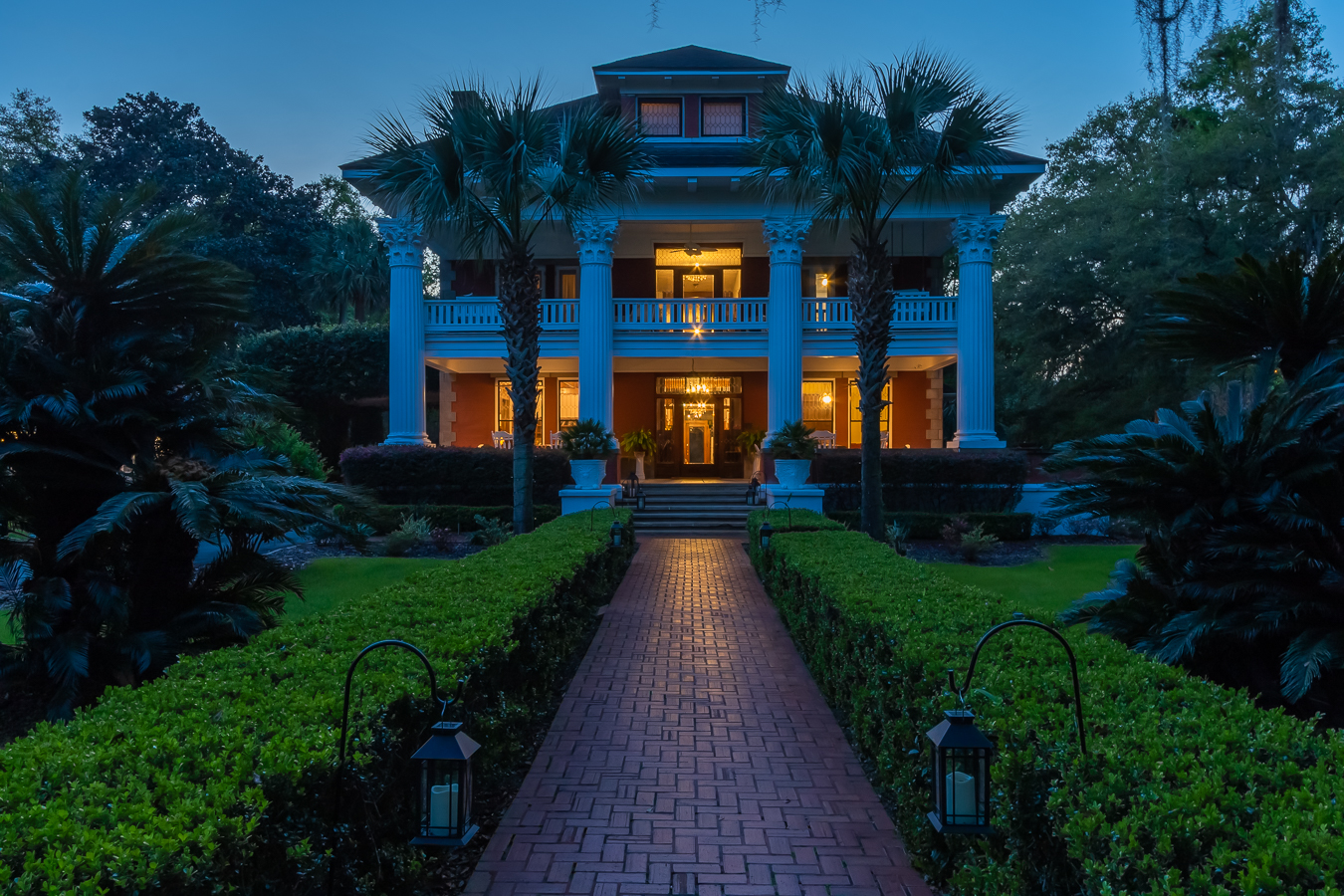
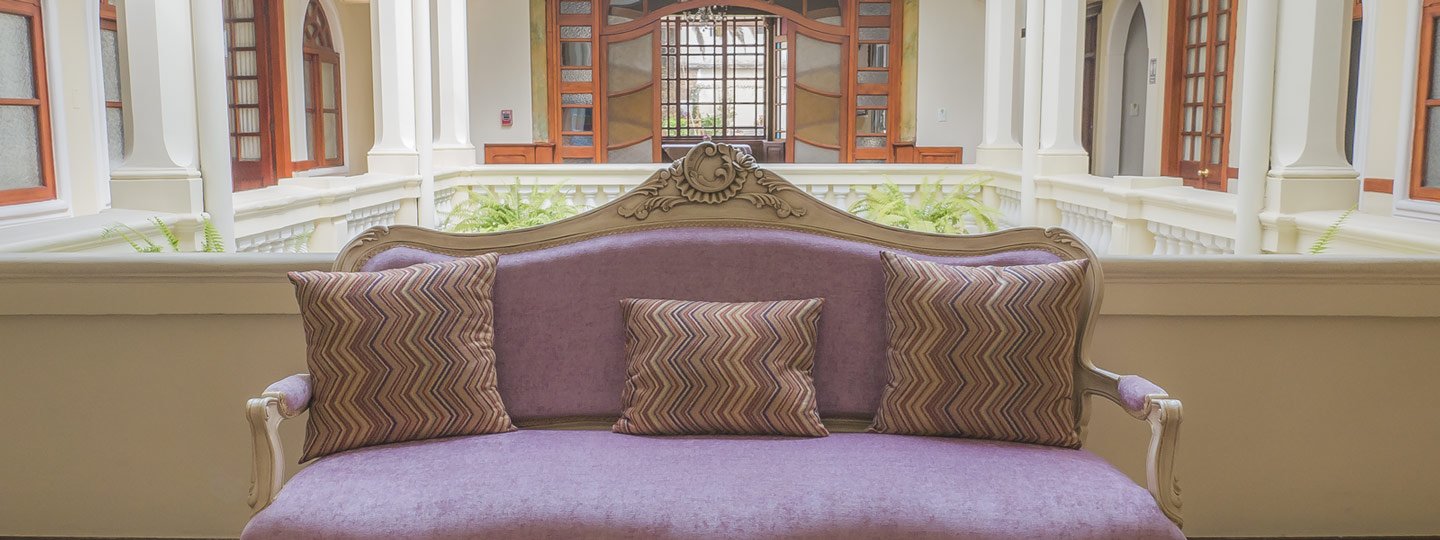
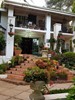
Inside the hall, mirrors were placed opposite each other to represent the same look as the hall of mirrors at Versailles as well as a big crystal chandelier to keep in touch with the French style. The couple’s love for Europe and its beautiful classic styles were an inspiration to the finishes in the rooms and the main house. With all its original art works, some directly from Paris, France and sometimes over the top décor with heavy ornate pelmets, you feel like you are in a château somewhere in French country side.
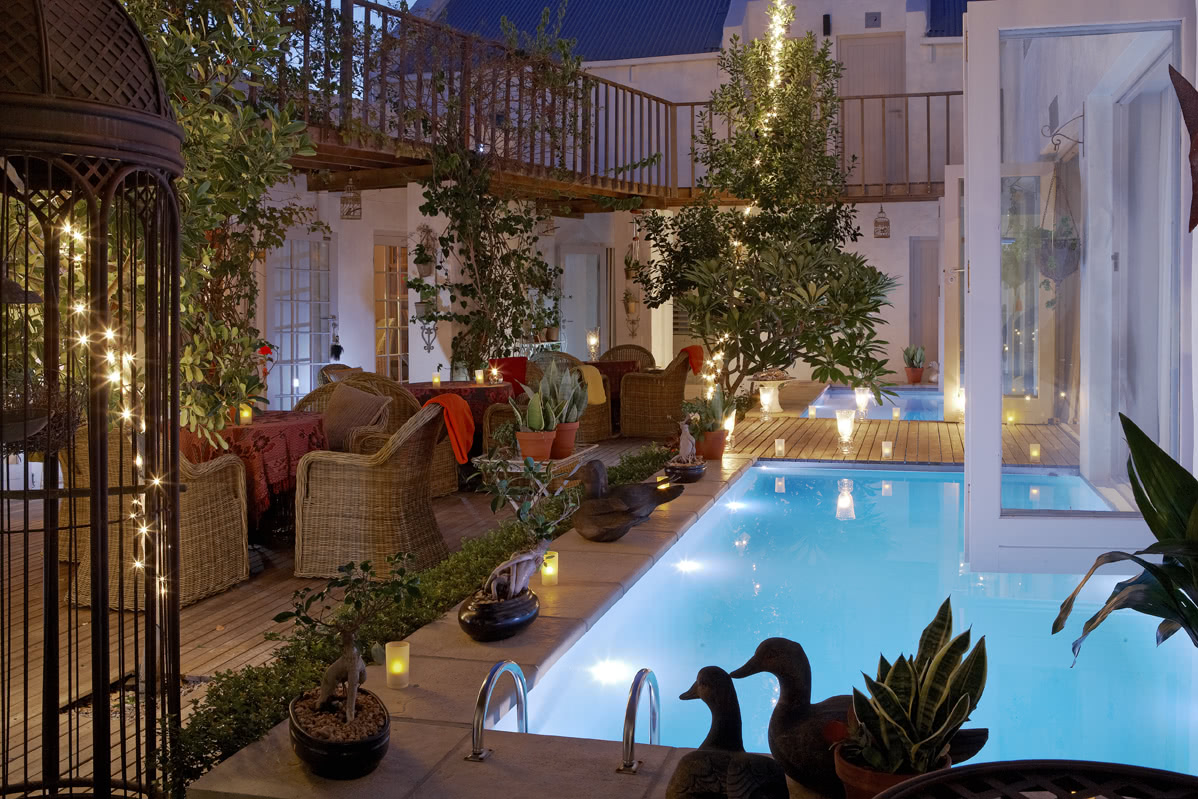
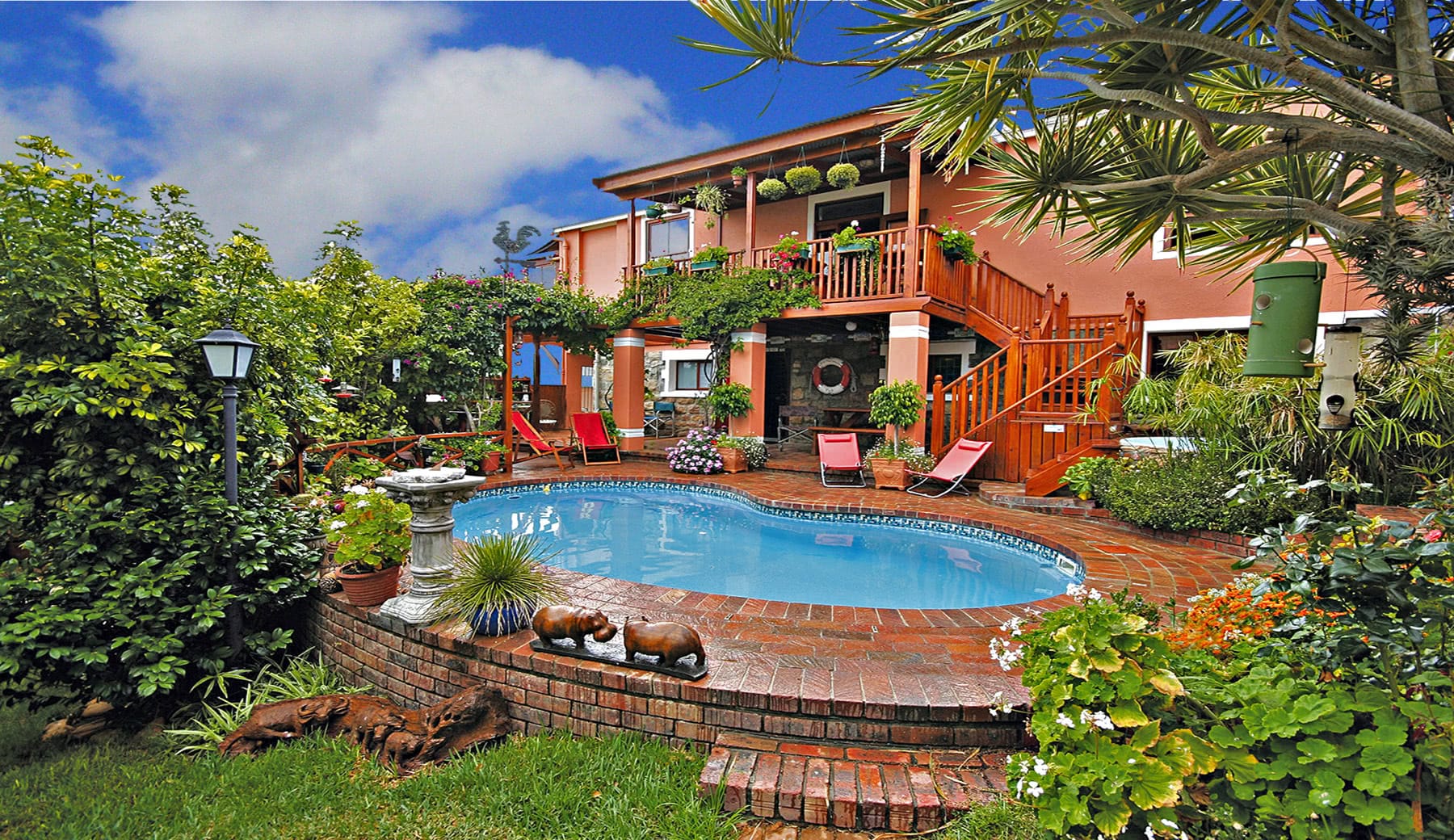
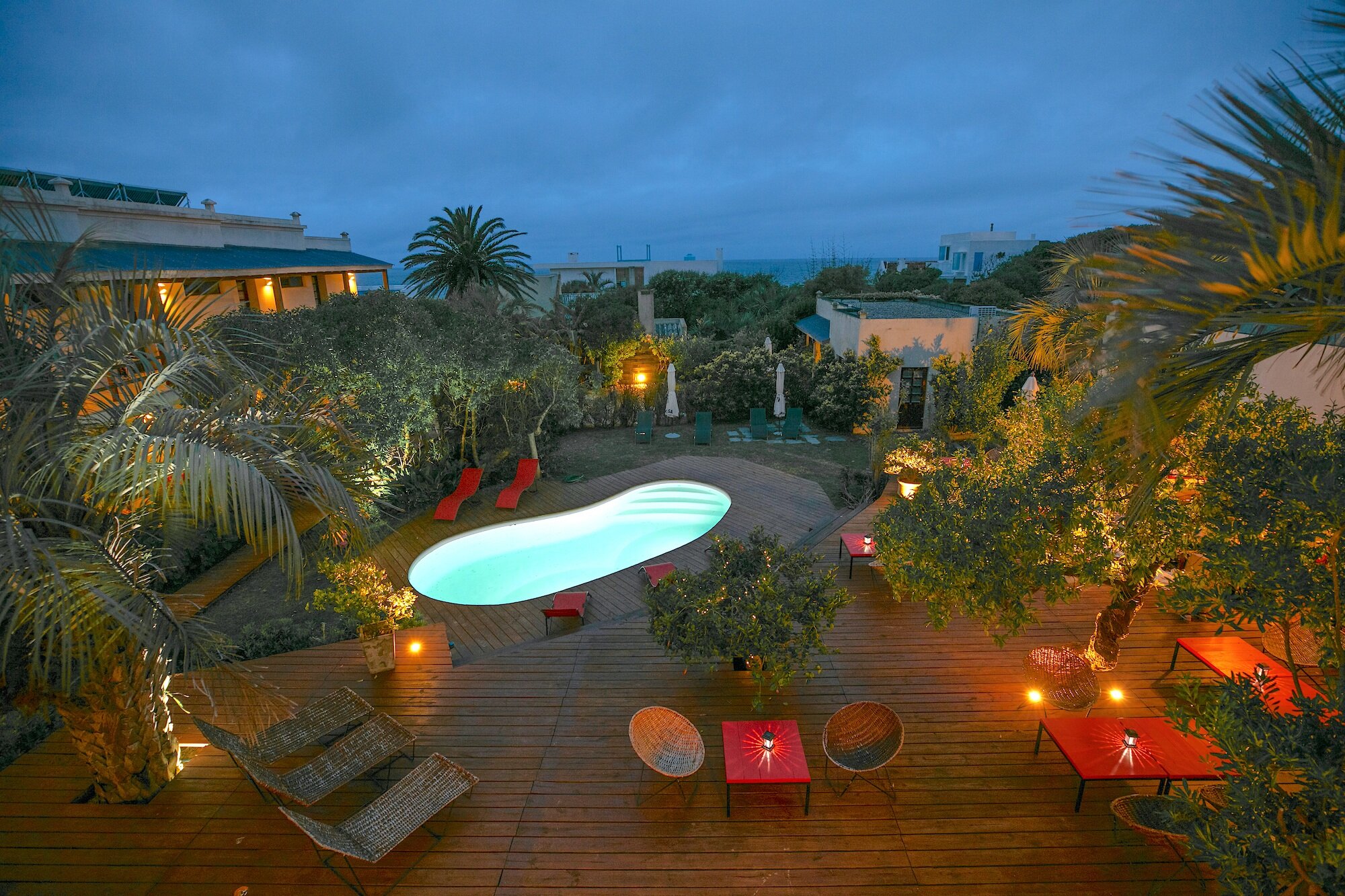
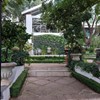
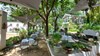
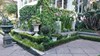
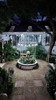
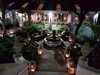
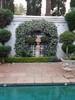
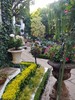
The gardens were designed by Deon Weideman, who was a very famous landscape architect. The idea of the gardens was to give a relaxed French country style with beautiful focus points all over the garden for guests to enjoy. Recently the amphitheatre was redesigned to look like an ancient European structure with a Monet inspired pond with water lilies and other water plants. With the deck over this pond for the couples to get married it makes this something completely unique.
The venue took off quickly due to the beautiful architecture and Interior of the building with its very distinct French look and feel. In 2015 Pieter Bezuidenhout gave up his position at TUT as lecturer in Performing Arts Technology to permanently be part of the Pheasant Hill team. The idea was to focus on weddings and functions.
The popularity of the guest house and wedding venue combination exceeded expectations. As owners Deon and Pieter are very proud of the very high social media ratings and our 4-star TGCSA Grading Rating. The business has grown from strength to strength and after a costly 4-year effort, we are proud to announce that their hotel is officially rezoned as a Lodge and Restaurant and that about 1000 square meters of buildings can still be built on the premises. As a result of the rezoning, a new drain connection has been installed which means that 400 houses can still be connected to the new line.
The business employs 12 staff members and hands on lived in managed by Pieter and Deon as well as three manAgers, Thabo Masamuthe, Gary Peel and Mokgadi Mokgawa. Despite a very difficult financial situation for many Guest houses and venues during the past year, Pheasant Hill is still standing strong with weddings and functions booked for the rest of the year and 2023 and 2024.
Weddings
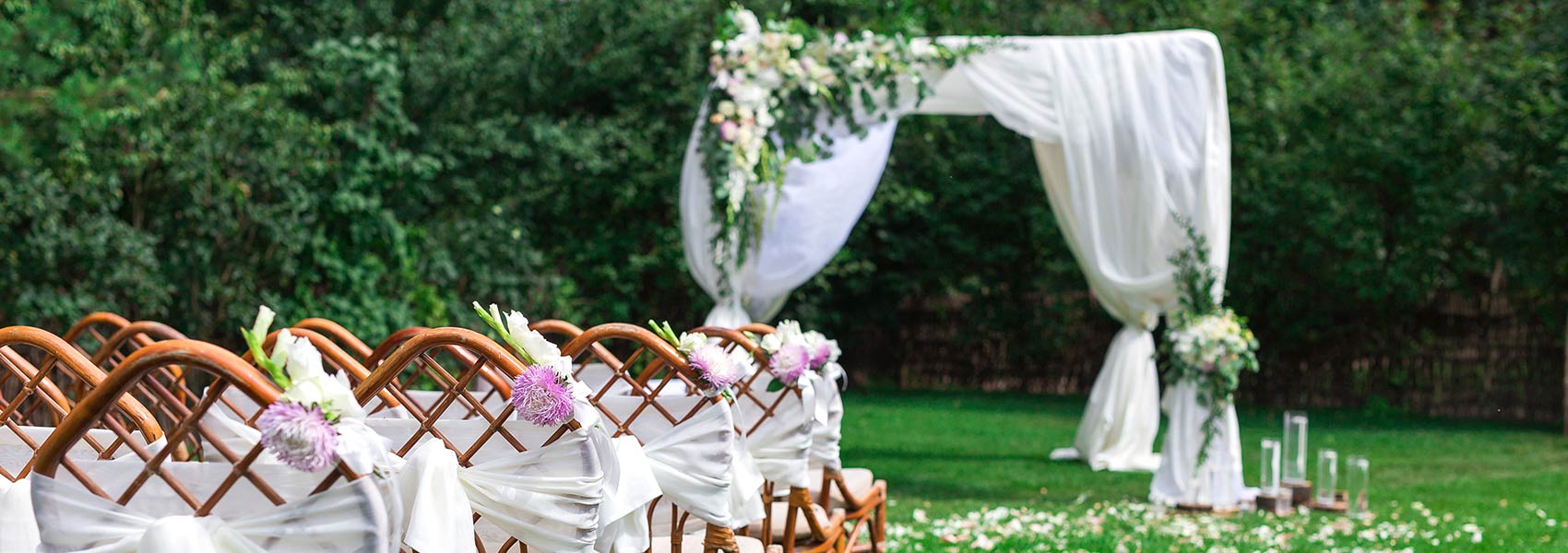
Our hotel offers weddings on a weekly basis over weekends in our beautiful Ile de France banquet Hall. 51 weddings are booked so far from January 2023 until January 2024. In 2022 Pheasant Hill Hosted 74 weddings and functions.
Conferences
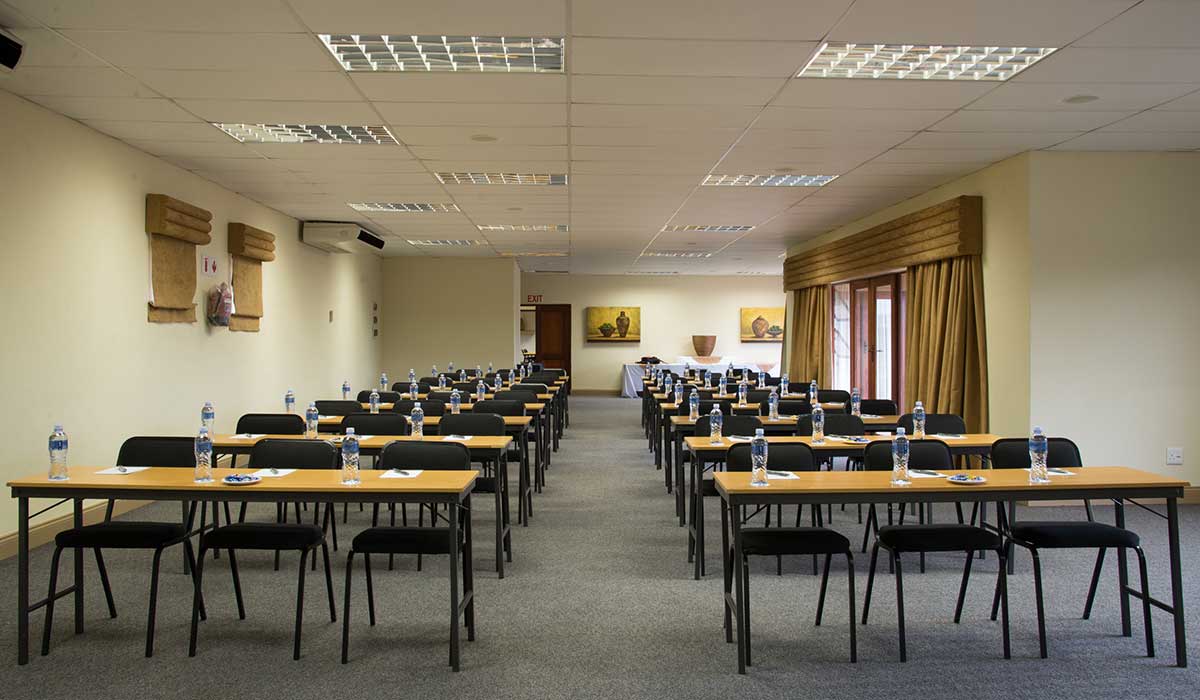
Pheasant Hill offers conferencing during the week in either the Pool conference room or in Ile de France Hall. Several corporate clients from Route 21 and surrounding areas are using us, as well as government departments like the Department of Defence and Education. The Reserve Bank and South African Veterinary council also make regular use of our facilities.
Accommodation
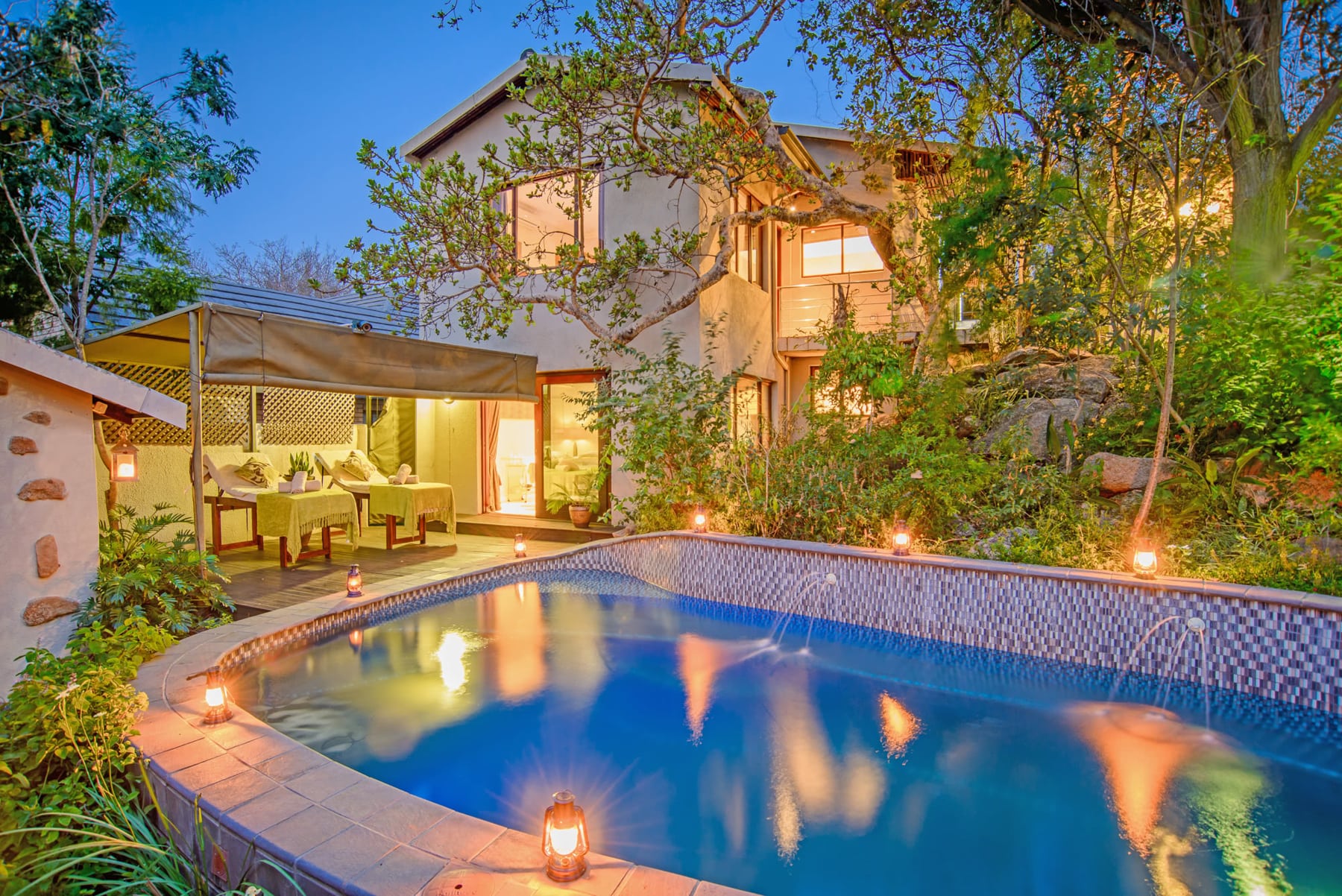
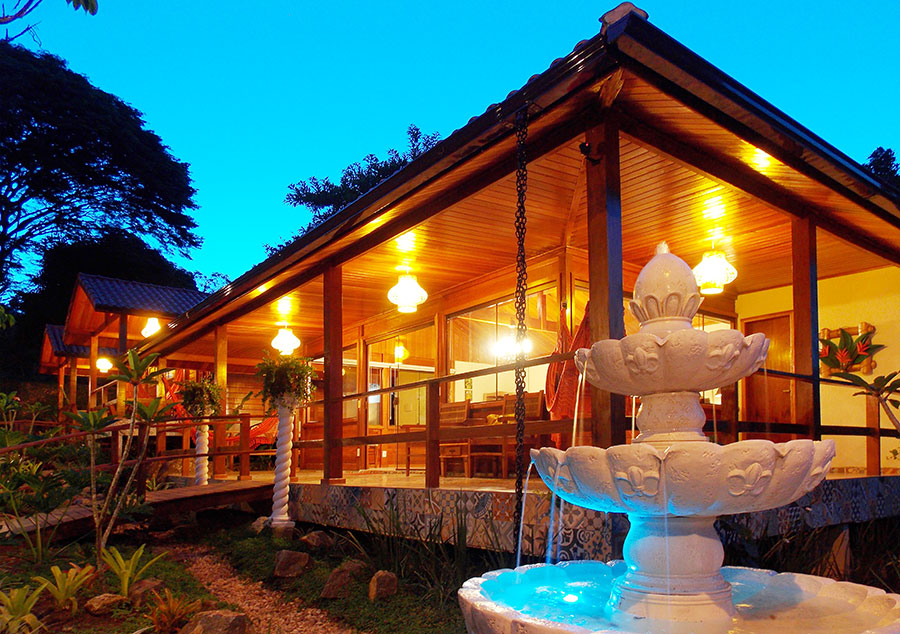
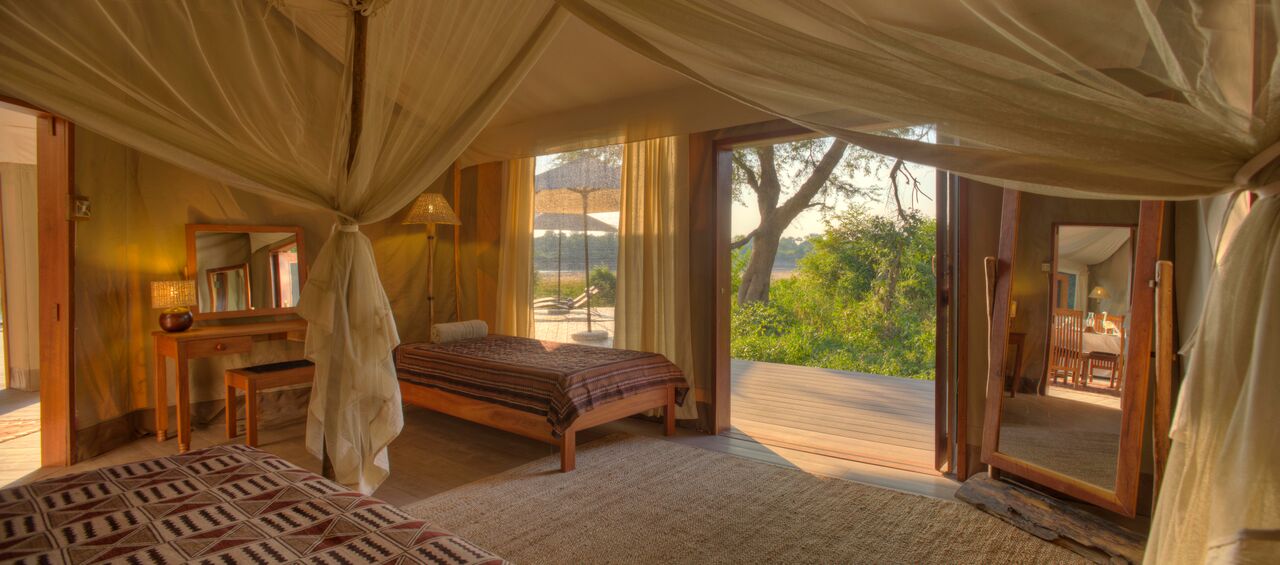
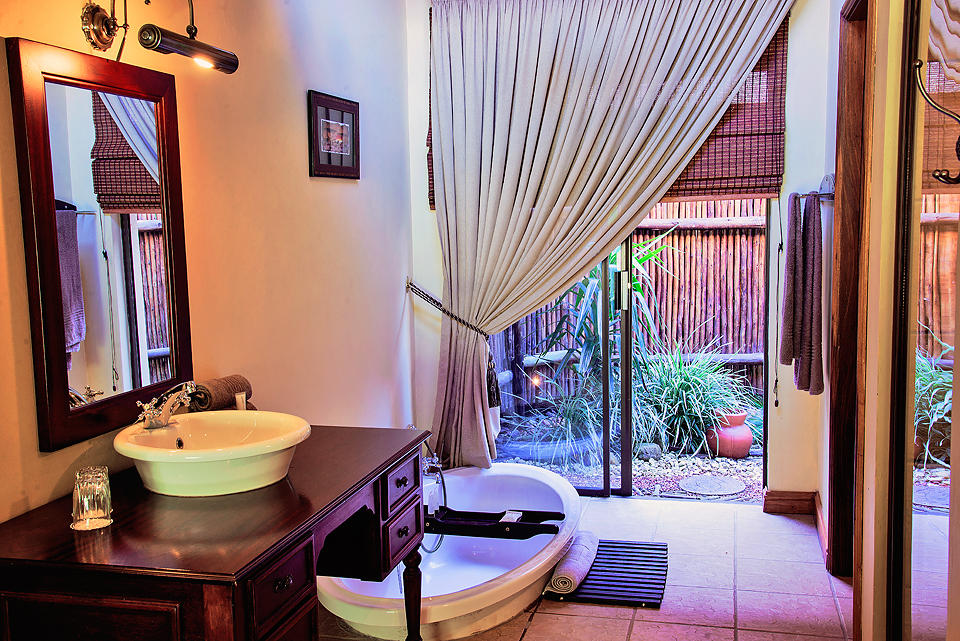
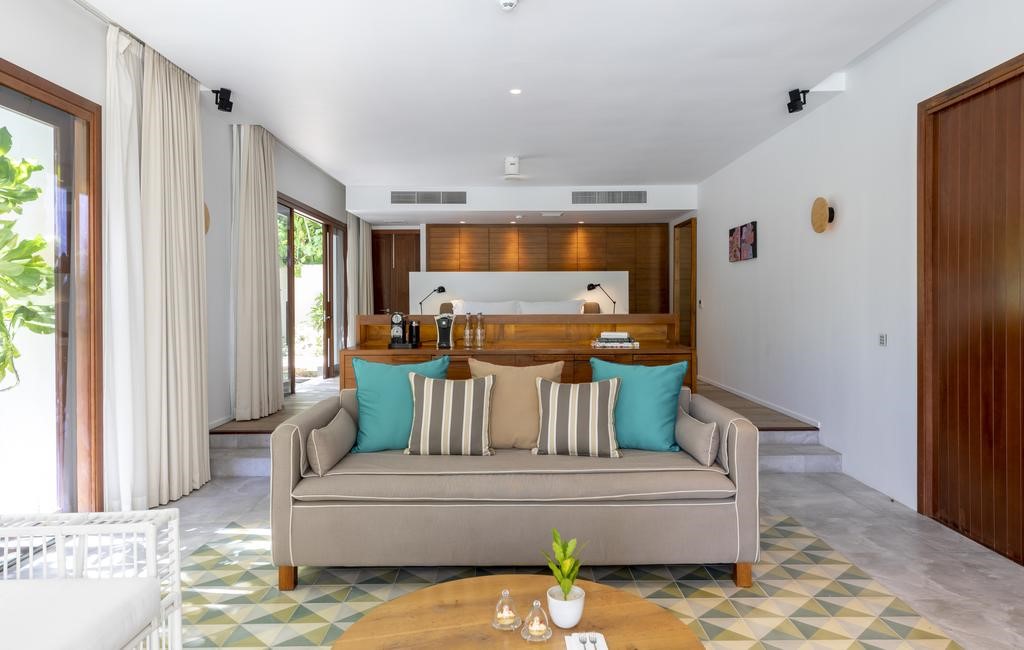
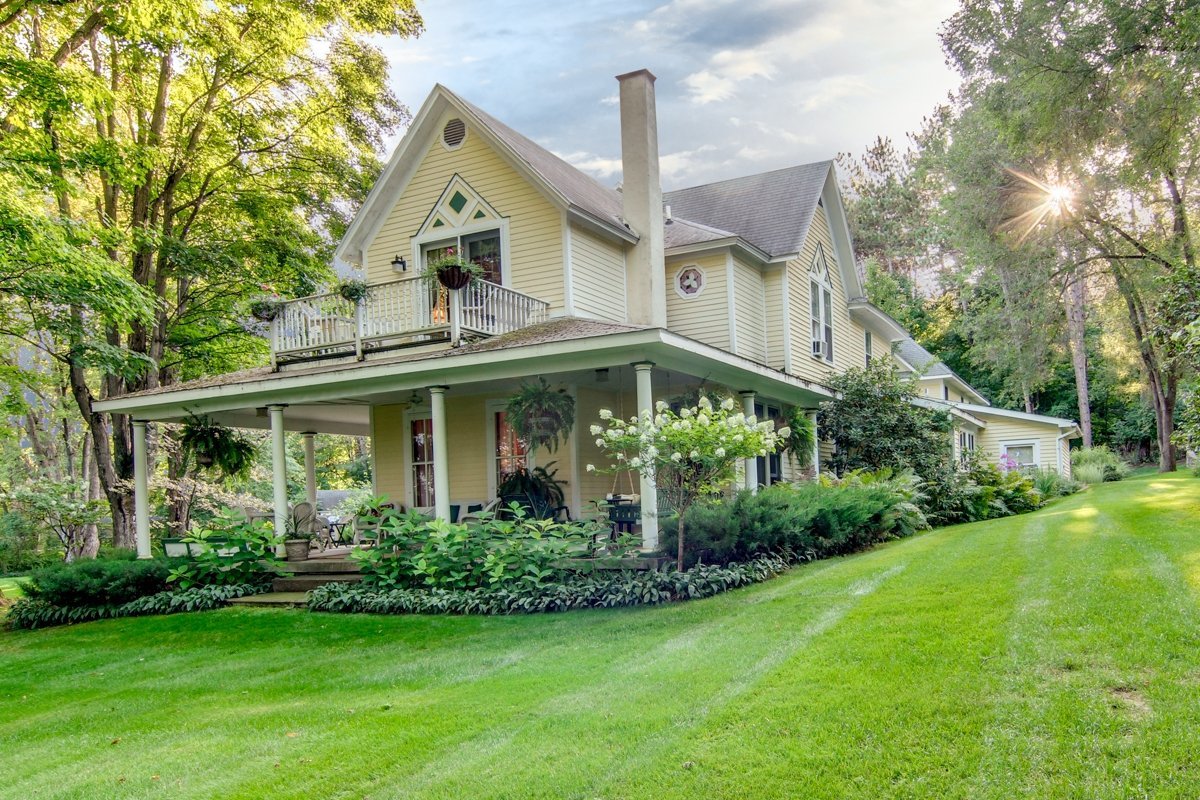
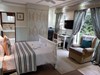
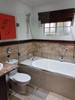
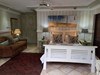
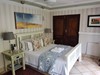
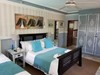
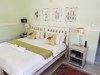
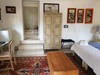
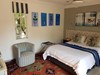
Pheasant Hill has 8 purpose built executive rooms, while all the stables have been converted into en-suite bedrooms (our standard rooms). In total we have 22 rooms. One room is a 4-sleeper family room, and we have four rooms that can sleep 3 people. All rooms are en-suite with private entrances into the gardens.
We are very proud of our 4-star Grading TGCSA Rating and our official rezoning as a Lodge and Restaurant.





















































































Cliff Jacobs (Nat Dpl Hotel Man (UJ). MPRE. GA Level 5 TEFL) Managing Principal / CEO Exquisite Hotel Consultants (Pty) Ltd Mobile: +27 (0) 84 413 1071 / +27 (0) 61 716 6951 Email: cliff@exquisitehotelconsultants.com Web: https://www.exquisitehotelconsultants.com © All rights reserved Terms and Conditions apply Scroll down to view our Hospitality Properties and Businesses for sale or lease or lease-to-buy or partnership arrangement or management agreement arrangement.