.JPG "Exquisite Properties")
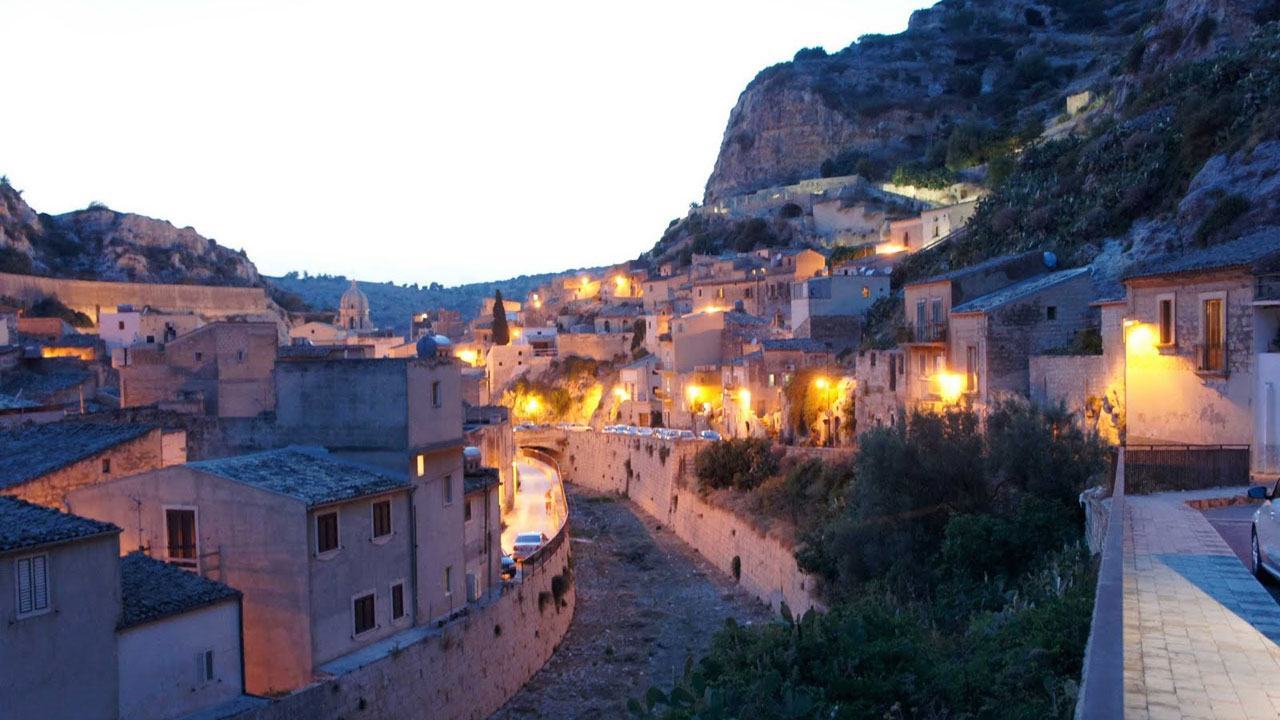
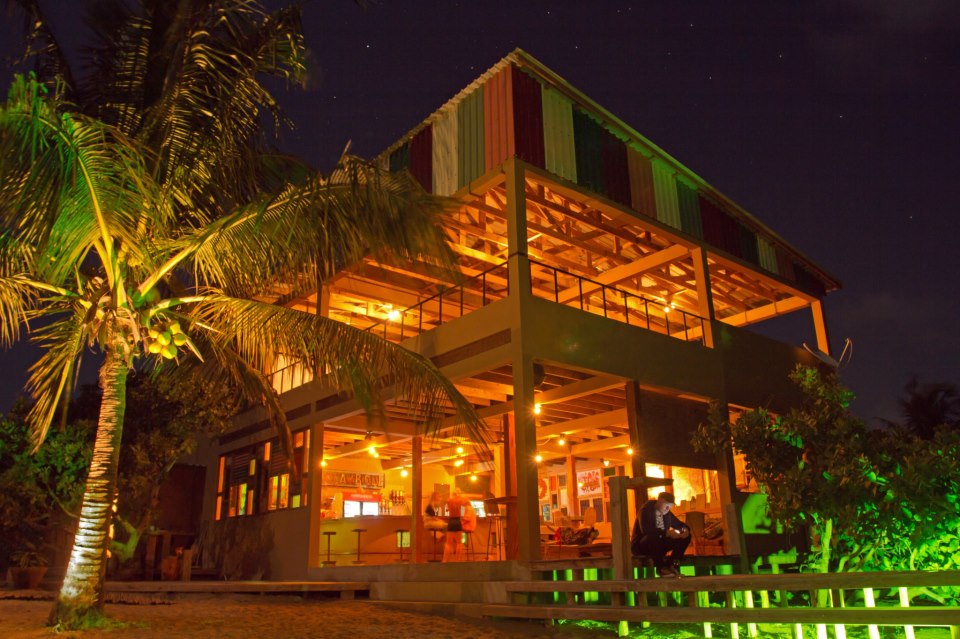
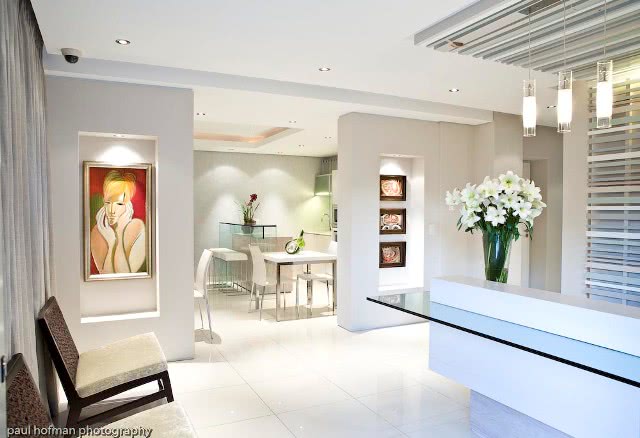
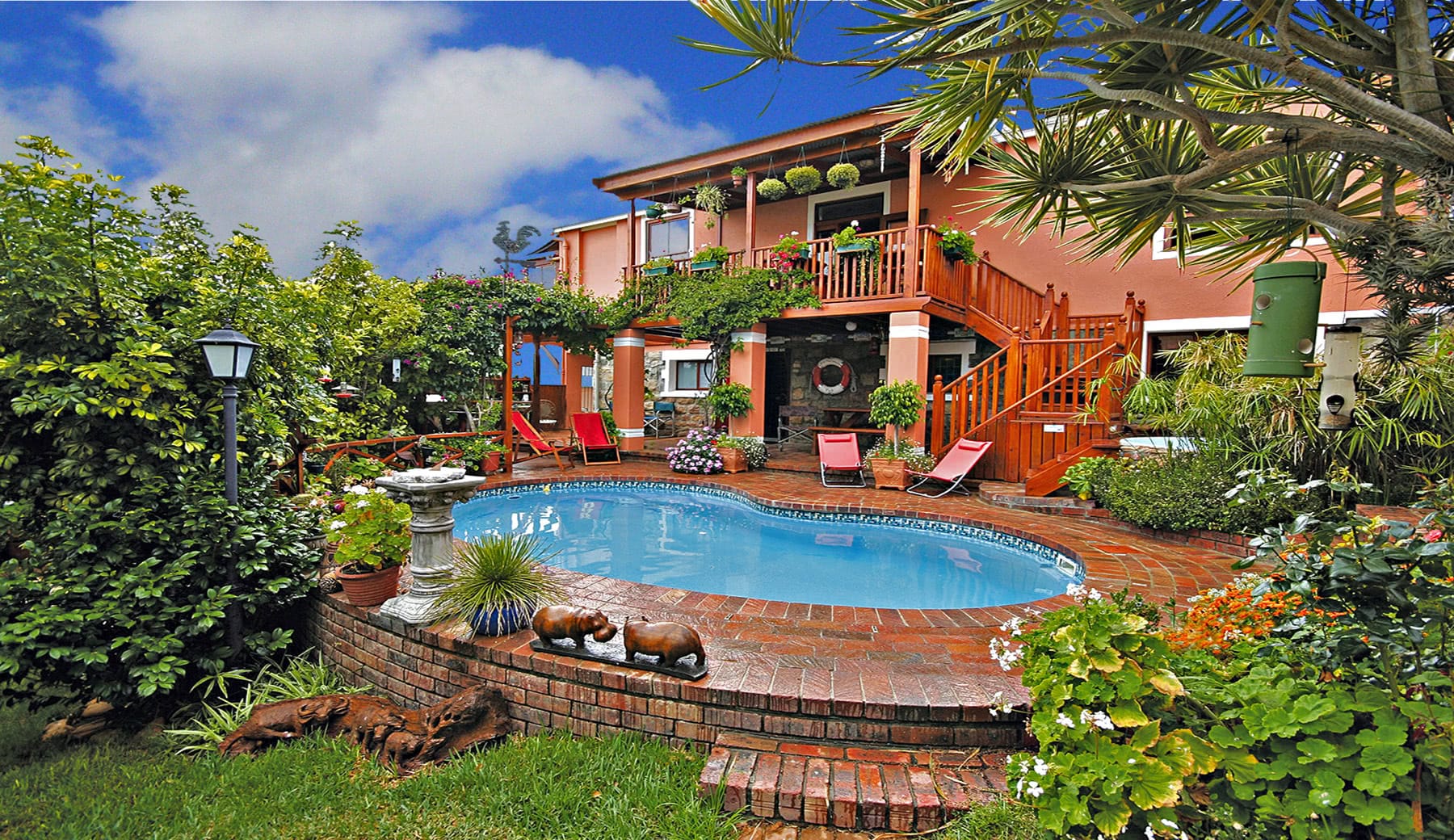
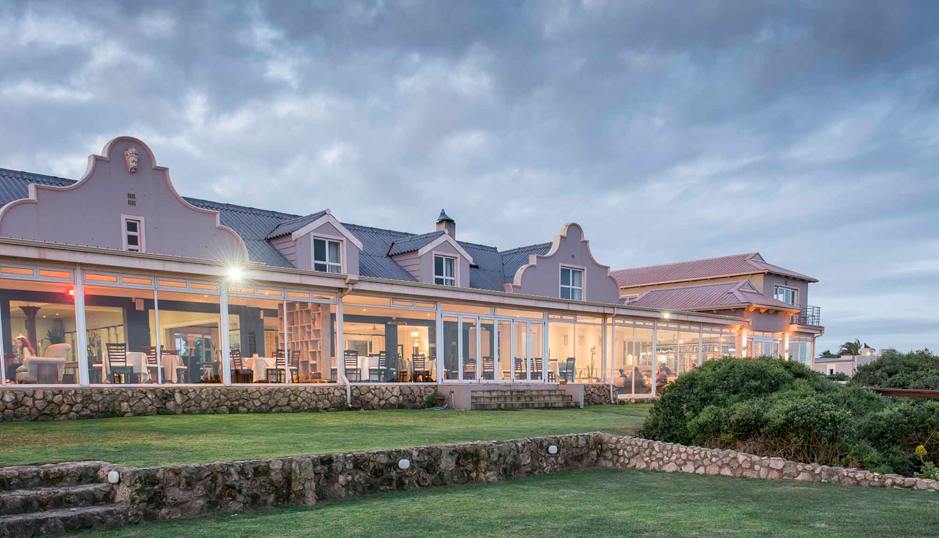
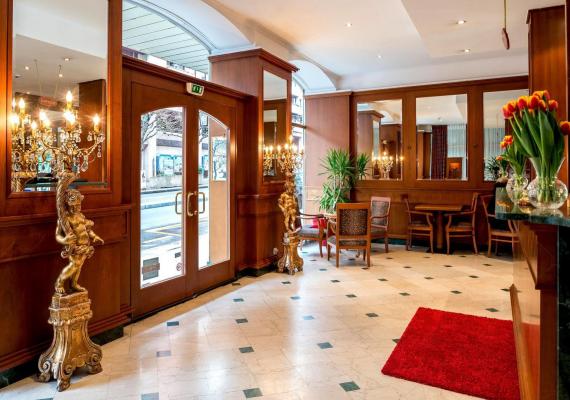
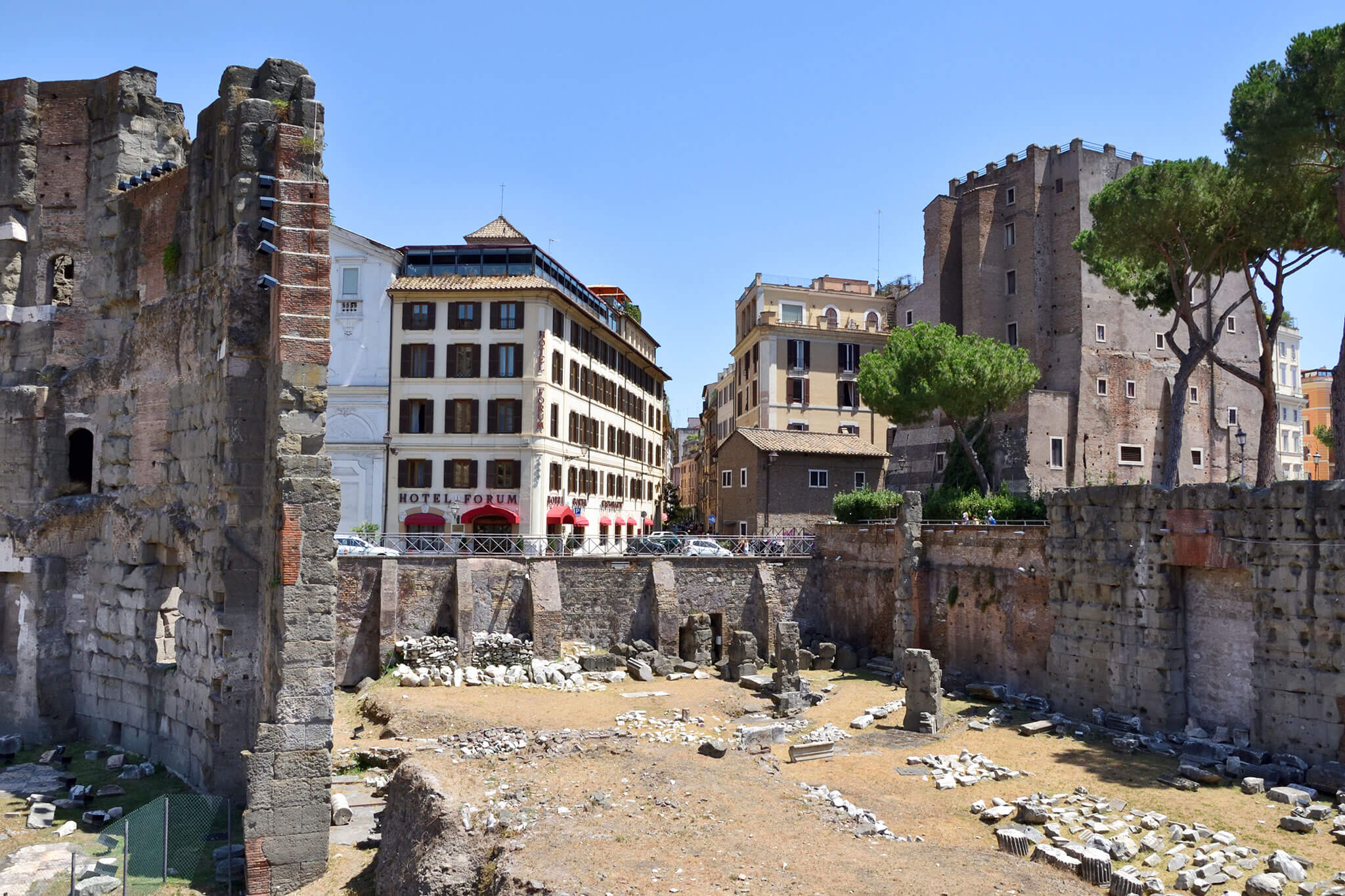

Rome, Italy
Agent: Cliff Jacobs - Managing Principal Property Practitioner & CEO - Exquisite Hotel Consultants (Nat.Dpl.Hotel Man (UJ). M.P.R.E.)
Agent Cellphone: +27 (0) 84 413 1071 / +27 (0) 61 716 6951
Agent Office Number: +27 (0) 84 413 1071
Agent Email Address: cliff@exquisitehotelconsultants.com
Type: Hotel
Bedrooms: 246
Bathrooms: 246
Showers: 246
Parking: 0
Yield: Not Disclosed
TGCSA Rating:

Rome
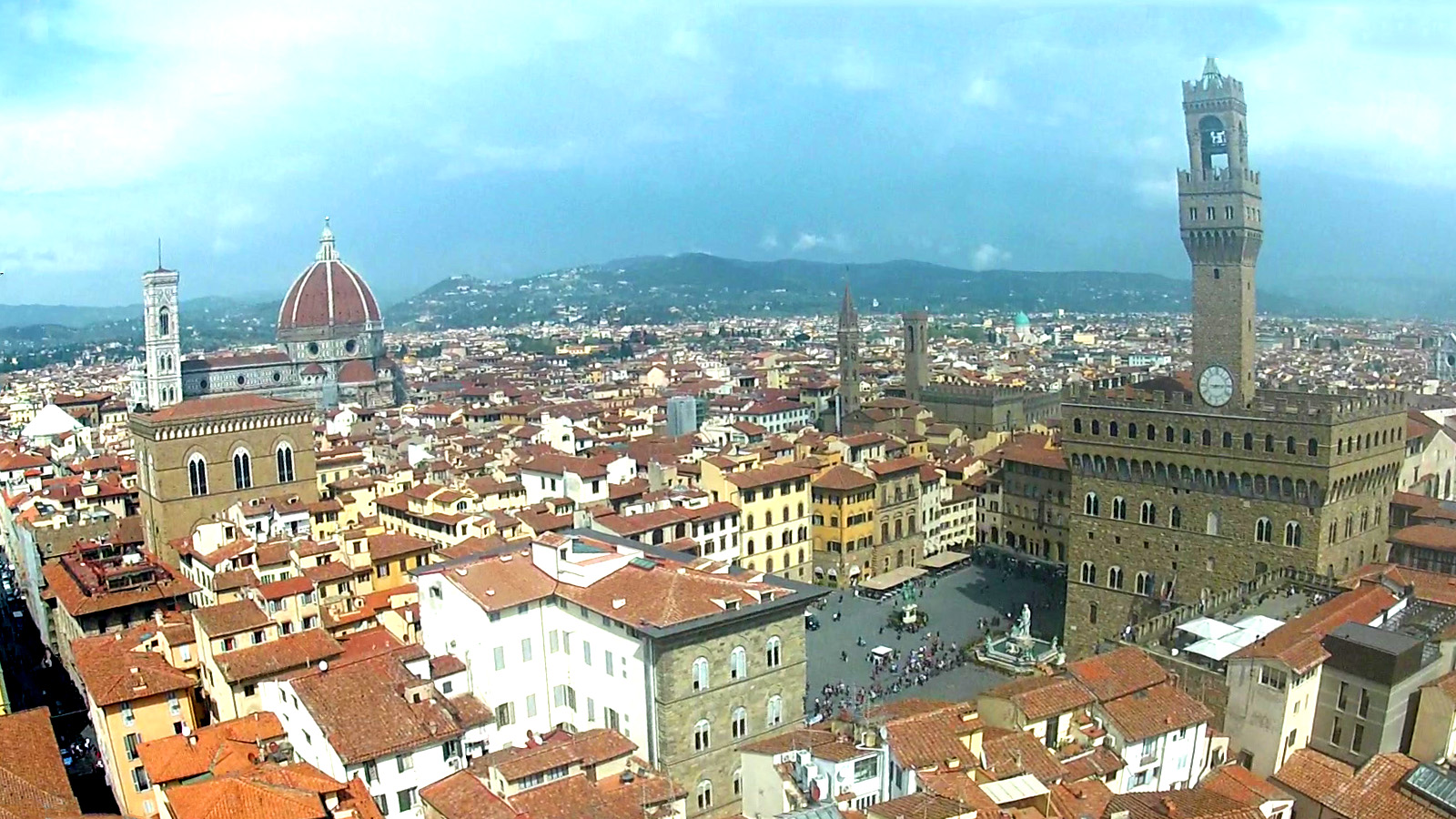
Rome is the capital city of Italy and a specia comune. Rome also serves as the capital of the Lazio Region. With 2,868,782 residents in 1,285 km2 (496.1 sq mi), it is also the country's most populated comune. It is the fourth-most populous city in the European Union by population within city limits. It is the centre of the Metropolitan City of Rome, which has a population of 4.3 million residents. Rome is located in the central-western portion of the Italian Peninsula, within Lazio (Latium), along the shores of the Tiber. The Vatican City (the smallest country in the world) is an independent country inside the city boundaries of Rome, the only existing example of a country within a city: for this reason Rome has been often defined as capital of two states.
Rome's history spans 28 centuries. While Roman mythology dates the founding of Rome at around 753 BC, the site has been inhabited for much longer, making it one of the oldest continuously occupied sites in Europe. The city's early population originated from a mix of Latins, Etruscans, and Sabines. Eventually, the city successively became the capital of the Roman Kingdom, the Roman Republic and the Roman Empire, and is regarded as the birthplace of Western civilization and by some as the first ever metropolis. It was first called The Eternal City by the Roman poet Tibullus in the 1st century BC, and the expression was also taken up by Ovid, Virgil, and Livy. Rome is also called the "Caput Mundi" (Capital of the World). After the fall of the Western Empire, which marked the beginning of the Middle Ages, Rome slowly fell under the political control of the Papacy, which had settled in the city since the 1st century AD, until in the 8th century it became the capital of the Papal State, which lasted until 1870. Beginning with the Renaissance, almost all the popes since Nicholas V (1447–1455) pursued over four hundred years a coherent architectural and urban programme aimed at making the city the artistic and cultural centre of the world. In this way, Rome became first one of the major centres of the Italian Renaissance and then the birthplace of both the Baroque style and Neclassicism. Famous artists, painters, sculptors and architects made Rome the centre of their activity, creating masterpieces throughout the city. In 1871, Rome became the capital of the Kingdom of Italy, which, in 1946, became the Italian Republic.
Rome has the status of a global city. In 2016, Rome ranked as the 14th-most-visited city in the world, 3rd most visited in the European Union, and the most popular tourist attraction in Italy. Its historic centre is listed by UNESCO as a World Heritage Site. Monuments and museums such as the Vatican Museums and the Coloisseum are among the world's most visited tourist destinations with both locations receiving millions of tourists a year, and the city hosted the 1960 Summer Olympics. Rome is the seat of several specialized agencies of the United Nations, such as the Food and Agriculture Organization (FAO), the World Food Programme (WFP) and the International Fund for Agricultural Development (IFAD). The city hosts the headquarters of many international business companies, such as Eni, Enel, TIM, Leonardo S.p.A, and national and international banks such as UNICREDIT AND BNL. Its business district, called EUR, is the base of many companies involved in the oil industry, the pharmaceutical industry, and financial services. Rome is also an important fashion and design centre thanks to renowned international brands centered in the city. Rome's Cinecitta Studios have been the set of many Academy Award–winning movies.
Etymology
According to the Ancient Romans' founding myth, the name Roma came from the city's founder and first king, Romulus.
However, it is possible that the name Romulus was actually derived from Rome itself. As early as the 4th century, there have been alternative theories proposed on the origin of the name Roma. Several hypotheses have been advanced focusing on its linguistic roots which however remain uncertain:
From Rumon or Rumen, archaic name of the Tiber, which in turn is supposedly related to the Greek verb ῥέω (rhéō) 'to flow, stream' and the Latin verb ruō 'to hurry, rush';
From the Etruscan word 𐌓𐌖𐌌𐌀 (ruma), whose root is *rum- "teat", with possible reference either to the totem wolf that adopted and suckled the cognately named twins Romulus and Remus, or to the shape of the Palatine and Aventine Hills;
From the Greek word ῥώμη (rhṓmē), which means strength.
Earliest History
While there have been discoveries of archaeological evidence of human occupation of the Rome area from approximately 14,000 years ago, the dense layer of much younger debris obscures Palaeolithic and Neolithic sites. Evidence of stone tools, pottery, and stone weapons attest to about 10,000 years of human presence. Several excavations support the view that Rome grew from pastoral settlements on the Palatine Hill built above the area of the future Roman Forum. Between the end of the Bronze Age and the beginning of the Iron Age, each hill between the sea and the Capitol was topped by a village (on the Capitol Hill, a village is attested since the end of the 14th century BC). However, none of them yet had an urban quality. Nowadays, there is a wide consensus that the city developed gradually through the aggregation ("synoecism") of several villages around the largest one, placed above the Palatine. This aggregation was facilitated by the increase of agricultural productivity above the subsistence level, which also allowed the establishment of secondary and tertiary activities. These, in turn, boosted the development of trade with the Greek colonies of southern Italy (mainly Ischia and Cumae). These developments, which according to archaeological evidence took place during the mid-eighth century BC, can be considered as the "birth" of the city. Despite recent excavations at the Palatine hill, the view that Rome was founded deliberately in the middle of the eighth century BC, as the legend of Romulus suggests, remains a fringe hypothesis.
Legend of the founding of Rome
Traditional stories handed down by the ancient Romans themselves explain the earliest history of their city in terms of legend and myth. The most familiar of these myths, and perhaps the most famous of all Roman myths, is the story of Romulus and Remus, the twins who were suckled by a she-wolf. They decided to build a city, but after an argument, Romulus killed his brother and the city took his name. According to the Roman annalists, this happened on 21 April 753 BC. This legend had to be reconciled with a dual tradition, set earlier in time, that had the Trojan refugee Aeneas escape to Italy and found the line of Romans through his son Iulus, the namesake of the Julio-Claudian dynasty. This was accomplished by the Roman poet Virgil in the first century BC. In addition, Strabo mentions an older story, that the city was an Arcadian colony founded by Evander. Strabo also writes that Lucius Coelius Antipater believed that Rome was founded by Greeks.
Monarchy and republic
After the foundation by Romulus according to a legend, Rome was ruled for a period of 244 years by a monarchical system, initially with sovereigns of Latin and Sabine origin, later by Etruscan kings. The tradition handed down seven kings: Romulus, Numa Pompilius, Tullus Hostilius, Ancus Marcius, Tarquinius Priscus, Servius Tullius and Lucius Tarquinius Superbus.
In 509 BC, the Romans expelled the last king from their city and established an oligarchic republic. Rome then began a period characterised by internal struggles between patricians (aristocrats) and plebeians (small landowners), and by constant warfare against the populations of central Italy: Etruscans, Latins, Volsci, Aequi, and Marsi. After becoming master of Latium, Rome led several wars (against the Gauls, Osci-Samnites and the Greek colony of Taranto, allied with Pyrrhus, king of Epirus) whose result was the conquest of the Italian peninsula, from the central area up to Magna Graecia.
The third and second century BC saw the establishment of Roman hegemony over the Mediterranean and the Balkans, through the three Punic Wars (264–146 BC) fought against the city of Carthage and the three Macedonian Wars (212–168 BC) against Macedonia. The first Roman provinces were established at this time: Sicily, Sardinia and Corsica, Hispania, Macedonia, Achaea and Africa.
From the beginning of the 2nd century BC, power was contested between two groups of aristocrats: the optimates, representing the conservative part of the Senate, and the populares, which relied on the help of the plebs (urban lower class) to gain power. In the same period, the bankruptcy of the small farmers and the establishment of large slave estates caused large-scale migration to the city. The continuous warfare led to the establishment of a professional army, which turned out to be more loyal to its generals than to the republic. Because of this, in the second half of the second century and during the first century BC there were conflicts both abroad and internally: after the failed attempt of social reform of the populares Tiberius and Gaius Gracchus, and the war against Jugurtha, there was a civil war from which the general Sulla emerged victorious. A major slave revolt under Spartacus followed, and then the establishment of the first Triumvirate with Caesar, Pompey and Crassus.
The conquest of Gaul made Caesar immensely powerful and popular, which led to a second civil war against the Senate and Pompey. After his victory, Caesar established himself as dictator for life. His assassination led to a second Triumvirate among Octavian (Caesar's grandnephew and heir), Mark Antony and Lepidus, and to another civil war between Octavian and Antony.[35]
In 27 BC, Octavian became princeps civitatis and took the title of Augustus, founding the principate, a diarchy between the princeps and the senate. During the reign of Nero, two thirds of the city was ruined after the Great Fire of Rome, and the persecution of Christians commenced. Rome was established as a de facto empire, which reached its greatest expansion in the second century under the Emperor Trajan. Rome was confirmed as caput Mundi, i.e. the capital of the known world, an expression which had already been used in the Republican period. During its first two centuries, the empire was ruled by emperors of the Julio-Claudian, Flavian (who also built an eponymous amphitheatre, known as the Colosseum), and Antonine dynasties. This time was also characterised by the spread of the Christian religion, preached by Jesus Christ in Judea in the first half of the first century (under Tiberius) and popularised by his apostles through the empire and beyond. The Antonine age is considered the zenith of the Empire, whose territory ranged from the Atlantic Ocean to the Euphrates and from Britain to Egypt.
After the end of the Severan Dynasty in 235, the Empire entered into a 50-year period known as the Crisis of the Third Century during which there were numerous putsches by generals, who sought to secure the region of the empire they were entrusted with due to the weakness of central authority in Rome. There was the so-called Gallic Empire from 260 to 274 and the revolts of Zenobia and her father from the mid-260s which sought to fend off Persian incursions. Some regions – Britain, Spain, and North Africa – were hardly affected. Instability caused economic deterioration, and there was a rapid rise in inflation as the government debased the currency in order to meet expenses. The Germanic tribes along the Rhine and north of the Balkans made serious, uncoordinated incursions from the 250s-280s that were more like giant raiding parties rather than attempts to settle. The Persian Empire invaded from the east several times during the 230s to 260s but were eventually defeated.Emperor Diocletian (284) undertook the restoration of the State. He ended the Principate and introduced the Tetrarchy which sought to increase state power. The most marked feature was the unprecedented intervention of the State down to the city level: whereas the State had submitted a tax demand to a city and allowed it to allocate the charges, from his reign the State did this down to the village level. In a vain attempt to control inflation, he imposed price controls which did not last. He or Constantine regionalised the administration of the empire which fundamentally changed the way it was governed by creating regional dioceses (the consensus seems to have shifted from 297 to 313/14 as the date of creation due to the argument of Constantin Zuckerman in 2002 "Sur la liste de Verone et la province de grande armenie, Melanges Gilber Dagron). The existence of regional fiscal units from 286 served as the model for this unprecedented innovation. The emperor quickened the process of removing military command from governors. Henceforth, civilian administration and military command would be separate. He gave governors more fiscal duties and placed them in charge of the army logistical support system as an attempt to control it by removing the support system from its control. Diocletian ruled the eastern half, residing in Nicomedia. In 296, he elevated Maximian to Augustus of the western half, where he ruled mostly from Mediolanum when not on the move. In 292, he created two 'junior' emperors, the Caesars, one for each Augustus, Constantius for Britain, Gaul, and Spain whose seat of power was in Trier and Galerius in Sirmium in the Balkans. The appointment of a Caesar was not unknown: Diocletian tried to turn into a system of non-dynastic succession. Upon abdication in 305, the Caesars succeeded and they, in turn, appointed two colleagues for themselves.
After the abdication of Diocletian and Maximian in 305 and a series of civil wars between rival claimants to imperial power, during the years 306–313, the Tetrarchy was abandoned. Constantine the Great undertook a major reform of the bureaucracy, not by changing the structure but by rationalising the competencies of the several ministries during the years 325–330, after he defeated Licinius, emperor in the East, at the end of 324. The so-called Edict of Milan of 313, actually a fragment of a letter from Licinius to the governors of the eastern provinces, granted freedom of worship to everyone, including Christians, and ordered the restoration of confiscated church properties upon petition to the newly created vicars of dioceses. He funded the building of several churches and allowed clergy to act as arbitrators in civil suits (a measure that did not outlast him but which was restored in part much later). He transformed the town of Byzantium into his new residence, which, however, was not officially anything more than an imperial residence like Milan or Trier or Nicomedia until given a city prefect in May 359 by Constantius II; Constantinople.
Christianity in the form of the Nicene Creed became the official religion of the empire in 380, via the Edict of Thessalonica issued in the name of three emperors – Gratian, Valentinian II, and Theodosius I – with Theodosius clearly the driving force behind it. He was the last emperor of a unified empire: after his death in 395, his sons, Arcadius and Honorius divided the empire into a western and an eastern part. The seat of government in the Western Roman Empire was transferred to Ravenna after the Siege of Milan in 402. During the 5th century, the emperors from the 430s mostly resided in the capital city, Rome.[45]
Rome, which had lost its central role in the administration of the empire, was sacked in 410 by the Visigoths led by Alaric I, but very little physical damage was done, most of which were repaired. What could not be so easily replaced were portable items such as artwork in precious metals and items for domestic use (loot). The popes embellished the city with large basilicas, such as Santa Maria Maggiore (with the collaboration of the emperors). The population of the city had fallen from 800,000 to 450–500,000 by the time the city was sacked in 455 by Genseric, king of the Vandals. The weak emperors of the fifth century could not stop the decay, leading to the deposition of Romulus Augustus on 22 August 476, which marked the end of the Western Roman Empire and, for many historians, the beginning of the Middle Ages. The decline of the city's population was caused by the loss of grain shipments from North Africa, from 440 onward, and the unwillingness of the senatorial class to maintain donations to support a population that was too large for the resources available. Even so, strenuous efforts were made to maintain the monumental centre, the palatine, and the largest baths, which continued to function until the Gothic siege of 537. The large baths of Constantine on the Quirinale were even repaired in 443, and the extent of the damage exaggerated and dramatised. However, the city gave an appearance overall of shabbiness and decay because of the large abandoned areas due to population decline. The population declined to 500,000 by 452 and 100,000 by 500 AD (perhaps larger, though no certain figure can be known). After the Gothic siege of 537, the population dropped to 30,000 but had risen to 90,000 by the papacy of Gregory the Great. The population decline coincided with the general collapse of urban life in the West in the fifth and sixth centuries, with few exceptions. Subsidized state grain distributions to the poorer members of society continued right through the sixth century and probably prevented the population from falling further. The figure of 450,000–500,000 is based on the amount of pork, 3,629,000 lbs. distributed to poorer Romans during five winter months at the rate of five Roman lbs per person per month, enough for 145,000 persons or 1/4 or 1/3 of the total population. Grain distribution to 80,000 ticket holders at the same time suggests 400,000 (Augustus set the number at 200,000 or one-fifth of the population).
Geography
Location
Rome is in the Lazio region of central Italy on the Tiber (Italian: Tevere) river. The original settlement developed on hills that faced onto a ford beside the Tiber Island, the only natural ford of the river in this area. The Rome of the Kings was built on seven hills: the Aventine Hill, the Caelian Hill, the Capitoline Hill, the Esquiline Hill, the Palatine Hill, the Quirinal Hill, and the Viminal Hill. Modern Rome is also crossed by another river, the Aniene, which flows into the Tiber north of the historic centre.
Although the city centre is about 24 km (15 mi) inland from the Tyrrhenian Sea, the city territory extends to the shore, where the south-western district of Ostia is located. The altitude of the central part of Rome ranges from 13 m (43 ft) above sea level (at the base of the Pantheon) to 139 m (456 ft) above sea level (the peak of Monte Mario). The Comune of Rome covers an overall area of about 1,285 km2 (496 sq mi), including many green areas.
Topography
Throughout the history of Rome, the urban limits of the city were considered to be the area within the city's walls. Originally, these consisted of the Servian Wall, which was built twelve years after the Gaulish sack of the city in 390 BC. This contained most of the Esquiline and Caelian hills, as well as the whole of the other five. Rome outgrew the Servian Wall, but no more walls were constructed until almost 700 years later, when, in 270 AD, Emperor Aurelian began building the Aurelian Walls. These were almost 19 km (12 mi) long, and were still the walls the troops of the Kingdom of Italy had to breach to enter the city in 1870. The city's urban area is cut in two by its ring-road, the Grande Raccordo Anulare ("GRA"), finished in 1962, which circles the city centre at a distance of about 10 km (6 mi). Although when the ring was completed most parts of the inhabited area lay inside it (one of the few exceptions was the former village of Ostia, which lies along the Tyrrhenian coast), in the meantime quarters have been built which extend up to 20 km (12 mi) beyond it.
The comune covers an area roughly three times the total area within the Raccordo and is comparable in area to the entire metropolitan cities of Milan and Naples, and to an area six times the size of the territory of these cities. It also includes considerable areas of abandoned marshland which is suitable neither for agriculture nor for urban development.
As a consequence, the density of the comune is not that high, its territory being divided between highly urbanised areas and areas designated as parks, nature reserves, and for agricultural use.
Climate
Rome has a Mediterranean climate (Köppen climate classification: Csa), with hot, dry summers and mild, humid winters.
Its average annual temperature is above 21 °C (70 °F) during the day and 9 °C (48 °F) at night. In the coldest month, January, the average temperature is 12.6 °C (54.7 °F) during the day and 2.1 °C (35.8 °F) at night. In the warmest month, August, the average temperature is 31.7 °C (89.1 °F) during the day and 17.3 °C (63.1 °F) at night.
December, January and February are the coldest months, with a daily mean temperature of approximately 8 °C (46 °F). Temperatures during these months generally vary between 10 and 15 °C (50 and 59 °F) during the day and between 3 and 5 °C (37 and 41 °F) at night, with colder or warmer spells occurring frequently. Snowfall is rare but not unheard of, with light snow or flurries occurring on some winters, generally without accumulation, and major snowfalls on a very rare occurrence (the most recent ones were in 2018, 2012 and 1986).
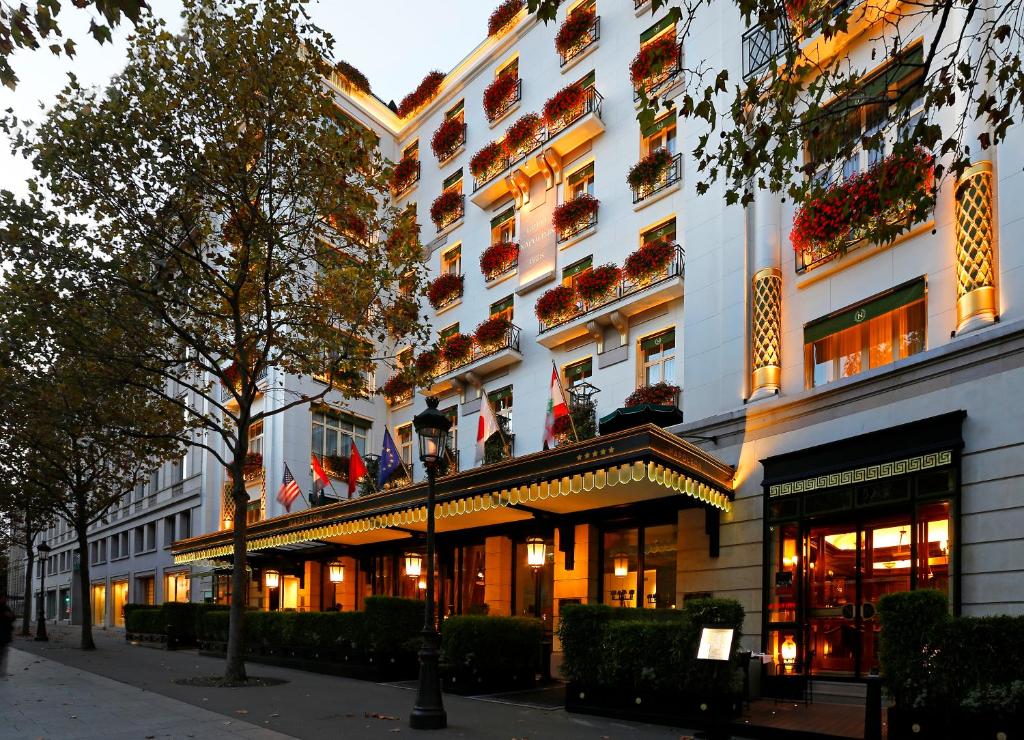
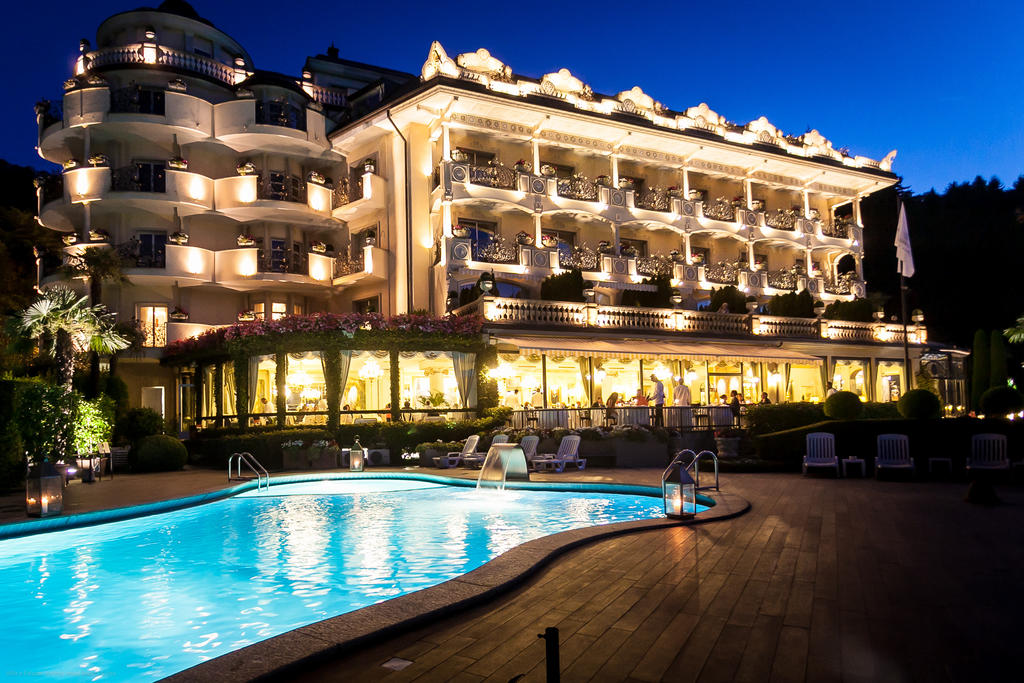
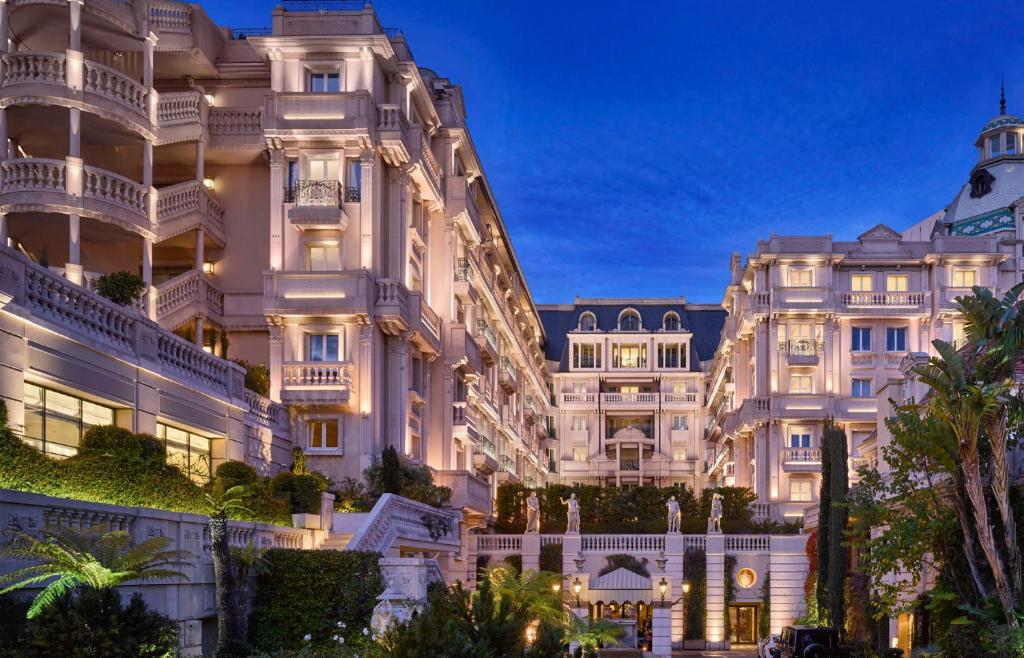
About us (as one of our four upmarket hotels in Rome, Milan, and Venice, Italy. I understand that an offer in excess of €500m for 779 rooms in total would attract serious consideration from the seller (642,000 euros per key).
Our mission is to make your stay at our hotel as perfect as possible by offering services that meet your expectations. We're confident that our rooms will allow you to enjoy a restful stay, SEGUIMI will amaze you, and our gym and outdoor patio with pool will captivate you, offering moments of relaxation and fun .
A mix of options to meet all your needs, to make the most of your stay in the Aurelia area.
Rooms
Superior room
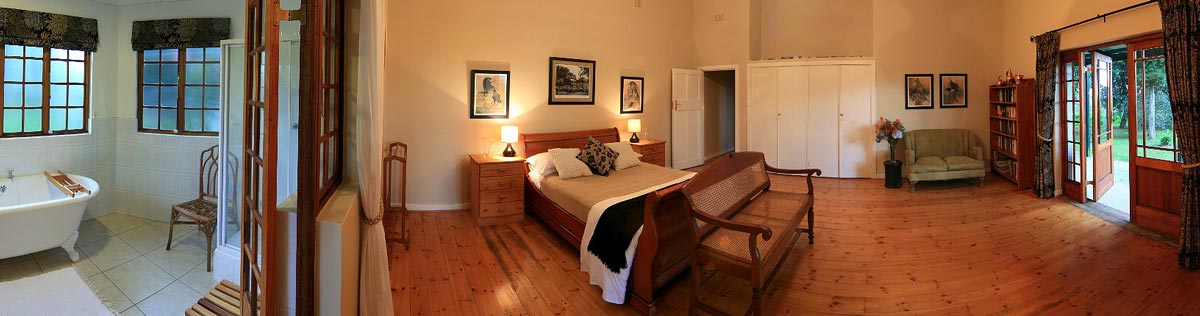
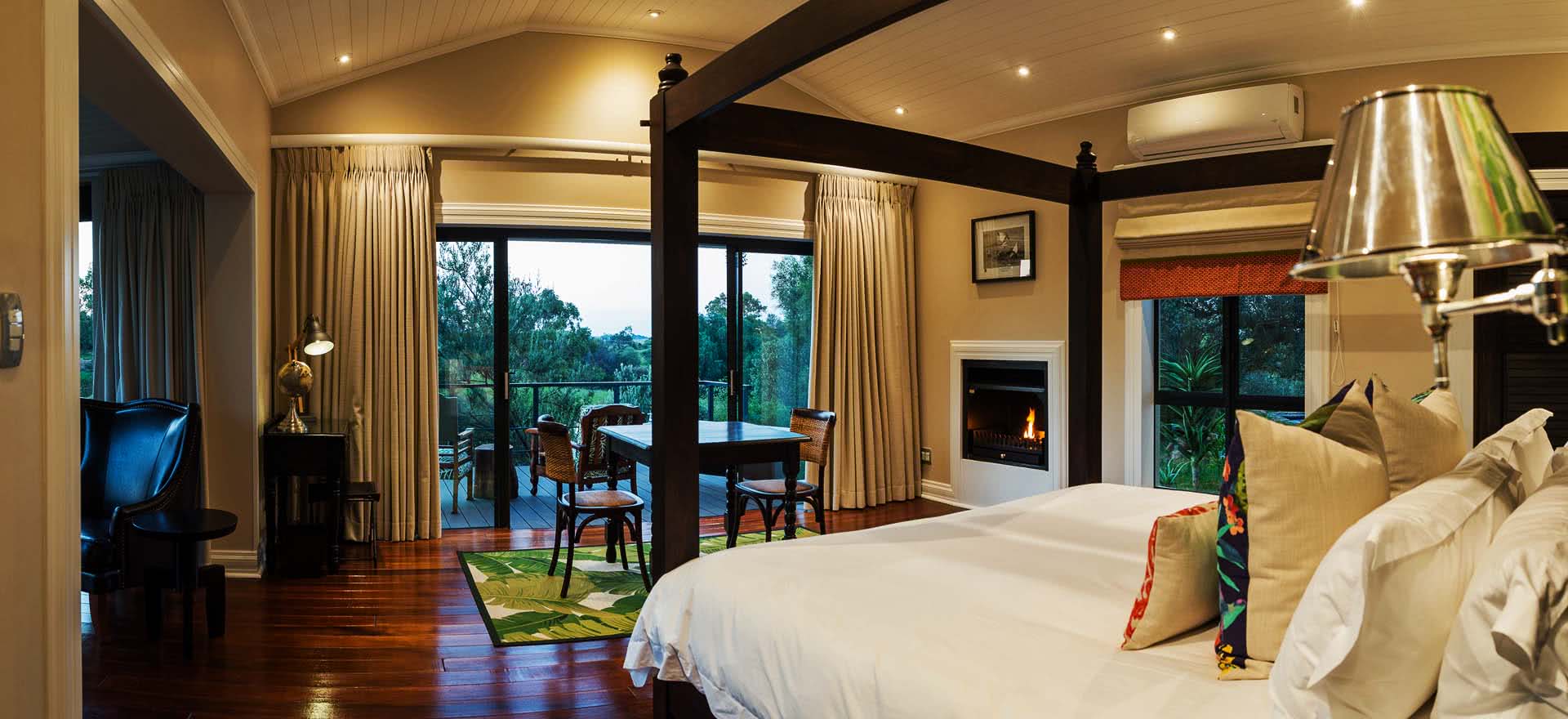
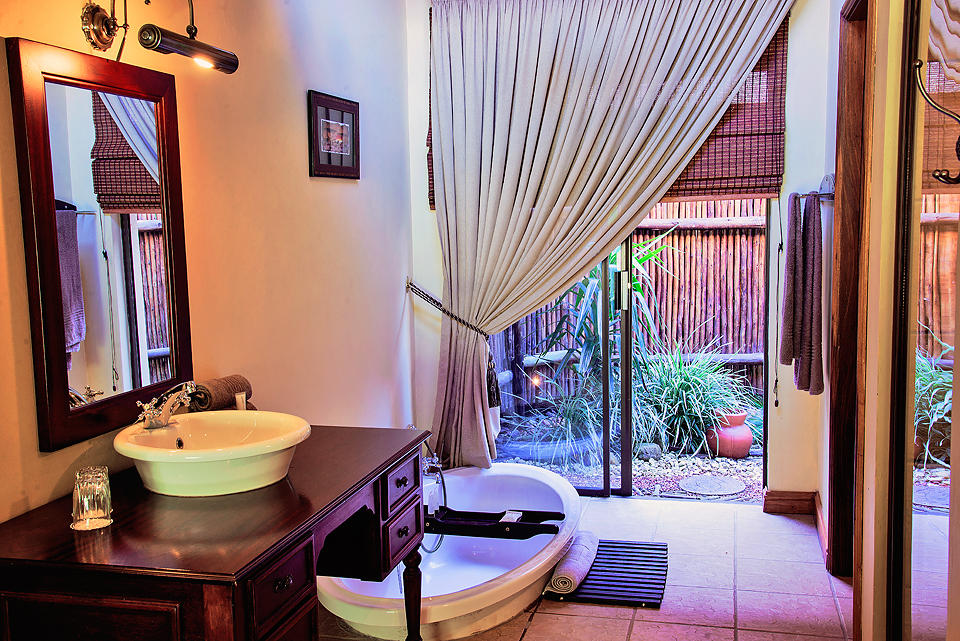
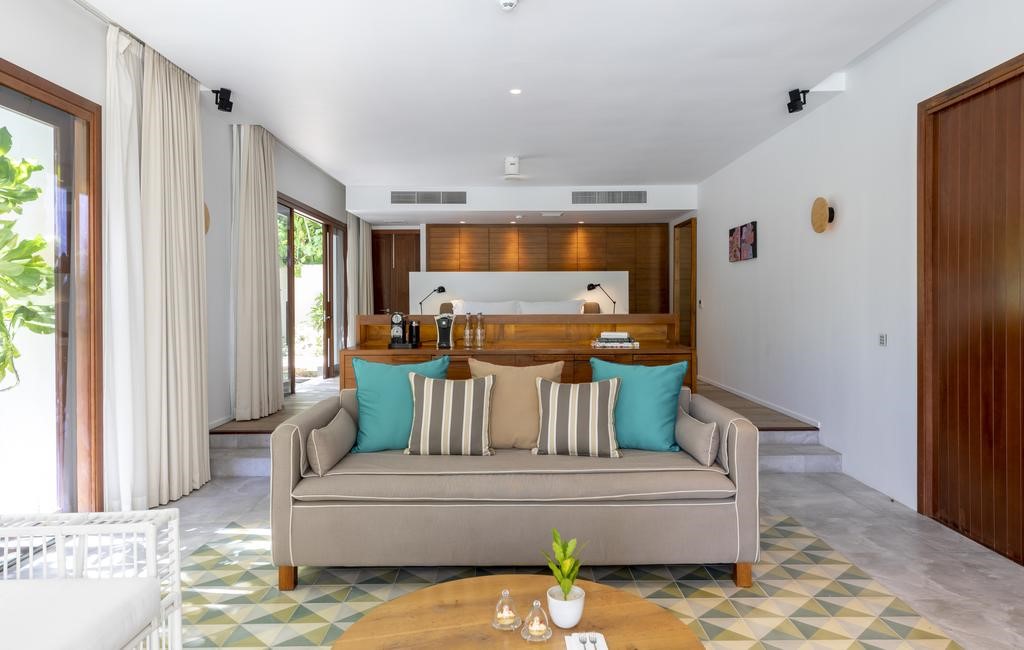
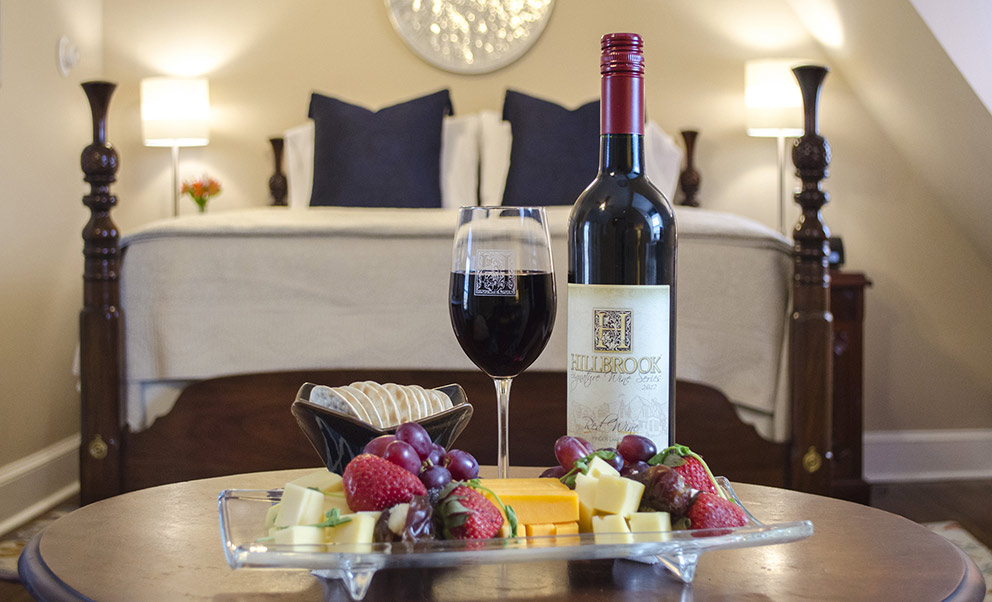
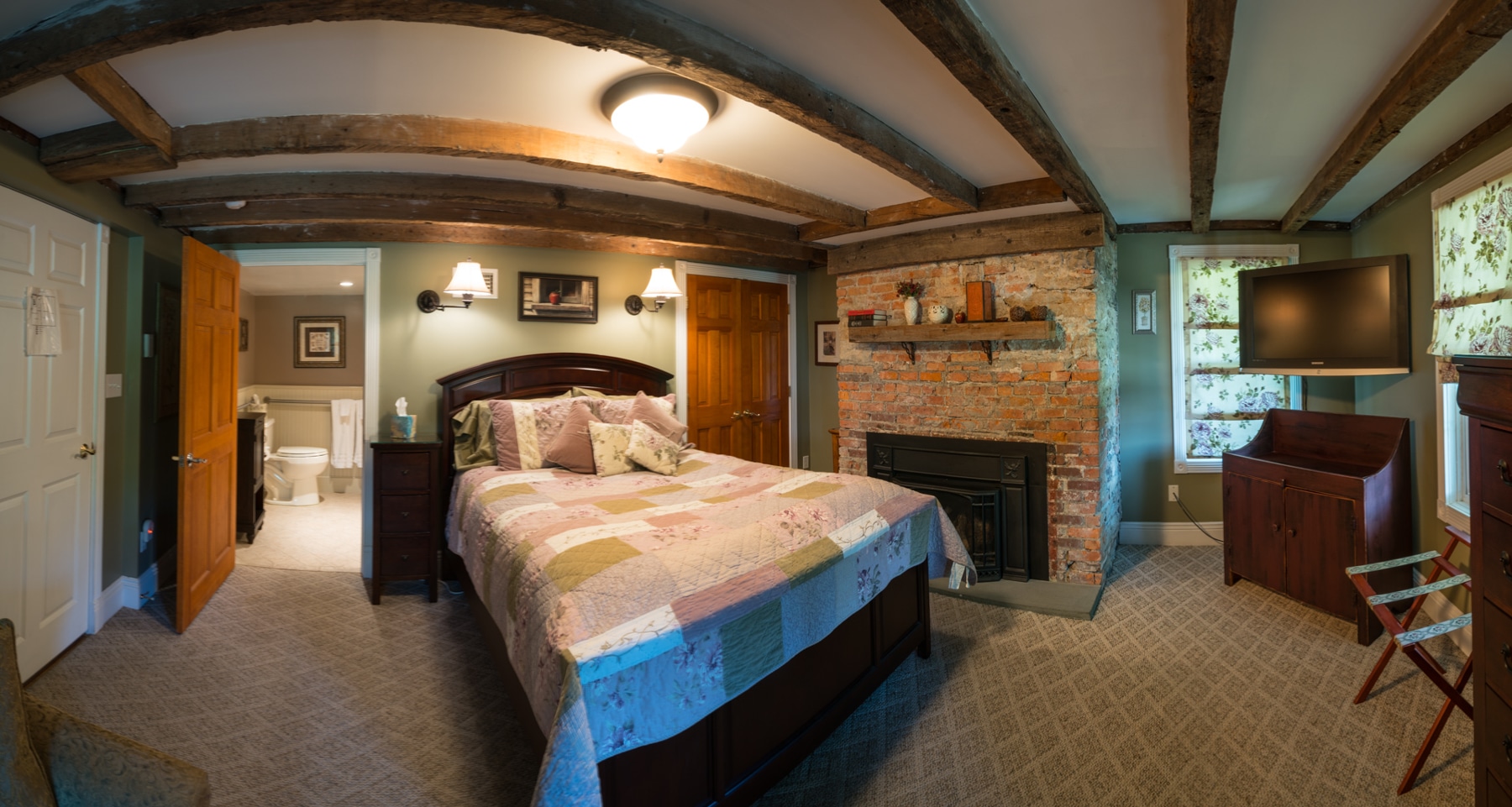
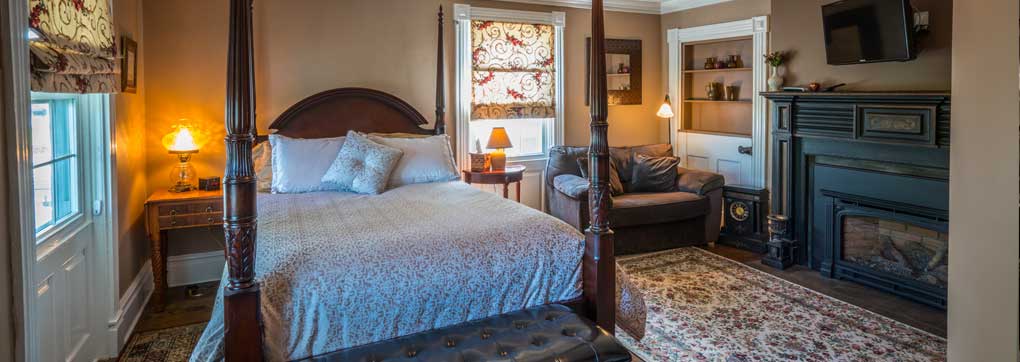
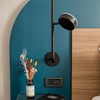
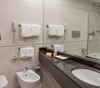
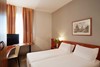
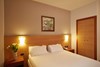
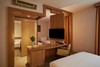
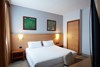
The Superior rooms at our hotel have all been recently renovated to offer welcoming spaces with a contemporary feel, providing a relaxing haven with a focus on comfort and functionality, complemented by quality amenities. Our Superior rooms welcome both business and leisure travelers in true Belstay style, offering a lively, designer-inspired solution within a green oasis just steps from the heart of Rome.
Equipment
Classic design and contemporary hospitality . The Classic rooms have been carefully designed and upgraded, maintaining their traditional style. The comfort and simplicity of a traditional, reassuring room will ensure a rejuvenating rest. Those who choose the Classic rooms at our hotel choose to enjoy their stay with all the comforts of a 4-star hotel near Vatican City, while keeping a close eye on their budget .
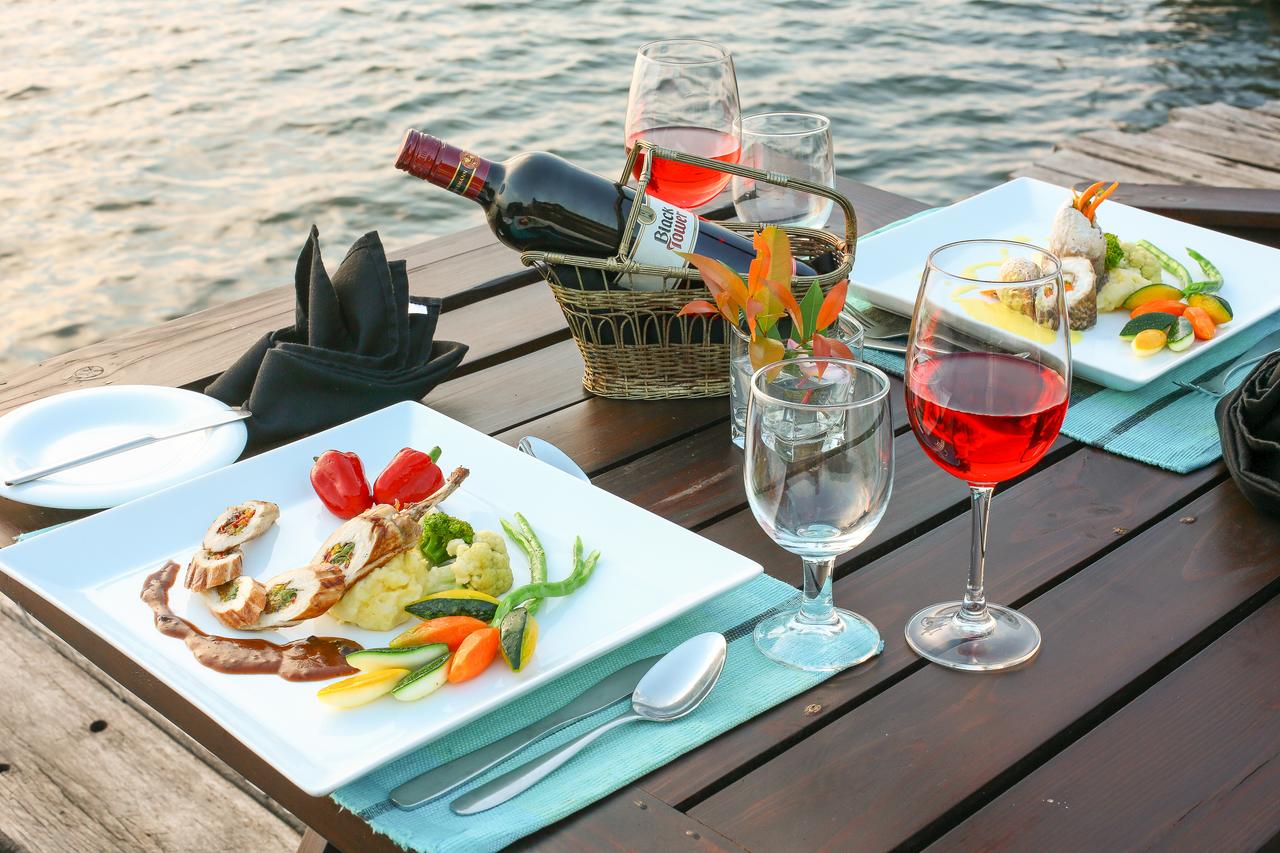
The hotel's culinary offerings are based on the chef and entire staff's commitment to providing a culinary experience combining good food, innovation, conviviality, and attentive, warm, and spontaneous service. From the restaurant with an open grill to banquet services, all of our hotel's culinary offerings will make your stay a true culinary experience.
Passion for quality. A desire to share. Open to the world.
Identity and Philosophy
The hotel creatively and originally reinterprets simple, local, and traditionally Italian dishes to offer an innovative dining experience, open to international trends that perfectly complement Roman culture. What sets us apart is our passion for quality and the understanding that the guest is always at the center of the experience , and that the desire to return stems from the desire to be surprised once again.
The philosophy behind our cuisine is based on the desire and ability of our kitchen to always use fresh ingredients and authentic products to prepare ever-innovative and original dishes.
The FOLLOW ME menu
Our menu offers a rich and ever-changing selection, showcasing the quality of our ingredients and their seasonality . Our creative kitchen team prepares unique Belstay signature dishes every day, inspired by Italian and regional traditions , as well as options that also meet the vegan needs of those with a focus on health. Appetizers and desserts are always available as centerpieces, to begin and end lunches and dinners with originality and informality.
Our breakfast
The hotel's rich international buffet offers a wide variety of homemade products to start your day with the right energy. Sweet and savory options, prepared with fresh, authentic ingredients and catering to vegan and gluten-free needs, along with our excellent Italian coffee and attentive, professional service, form the basis of our breakfast.
A seal of quality you should never feel forced to give up, with the on-the-go formula you can enjoy a healthy and tasty breakfast in true Roman style even when you're in a hurry.
Services
Our mission is to make your stay at our hotel as perfect as possible by offering services that meet your expectations. We're confident that our rooms will allow you to enjoy a restful stay, SEGUIMI will amaze you, and our gym and outdoor patio with pool will captivate you, offering moments of relaxation and fun .
A mix of options to meet all your needs, to make the most of your stay in the Aurelia area.
Food & Drinks
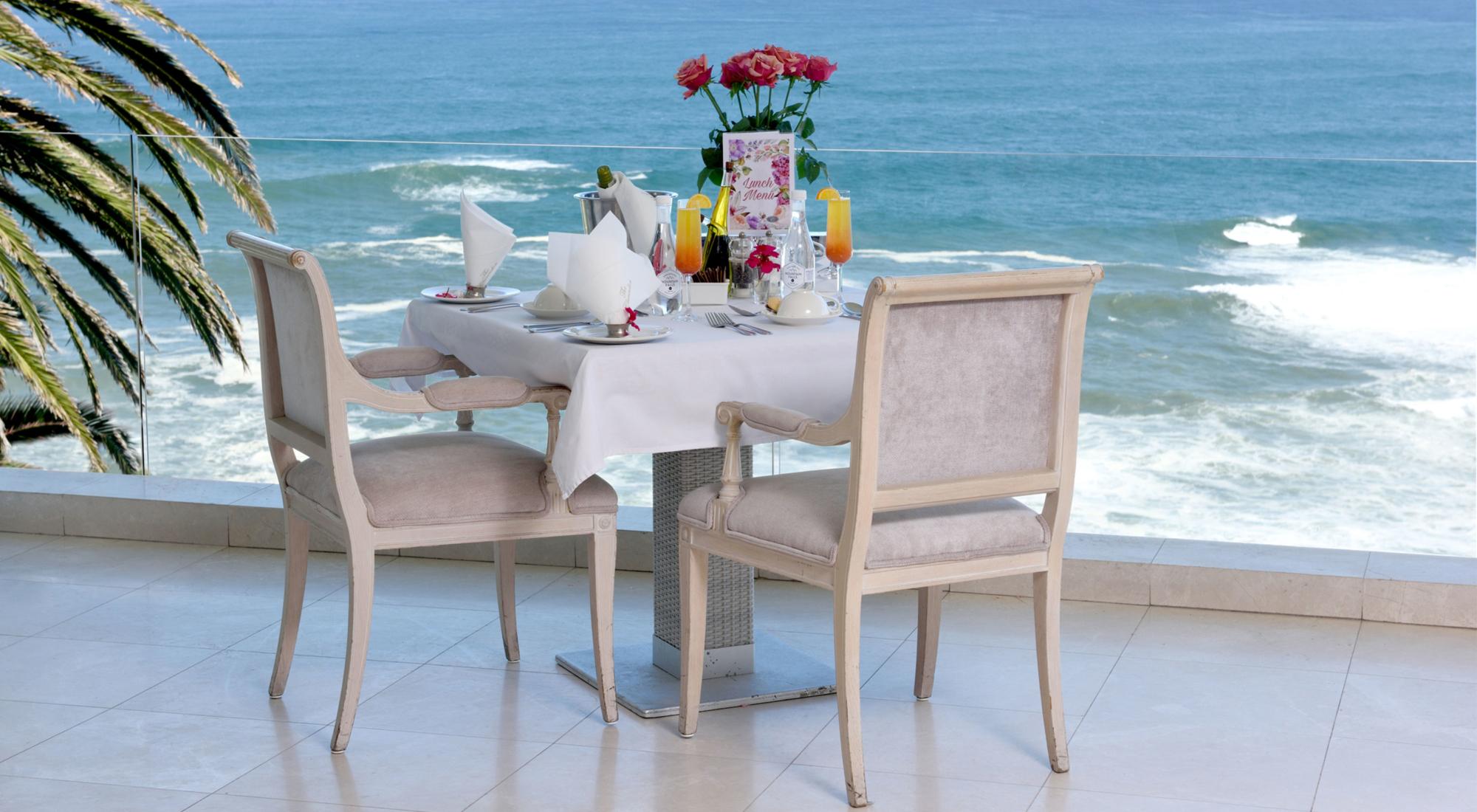
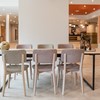
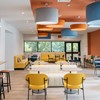
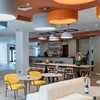
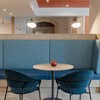
The SEGUIMI dining spaces at our hotel are spacious, bright, and well-organized. The fresh, contemporary design, combined with the quality of our concept and the quality of our food, will create moments of conviviality and fun for any occasion. From the exhibition area of the conference center to the outdoor patio with the pool, the setup options for organizing gourmet events are numerous, with the flexibility needed to accommodate the needs of groups or special celebrations.
Furthermore, our Grab-n-Go is a small and varied corner of taste with options designed to give even those in a hurry the opportunity to enjoy a quality lunch or dinner.
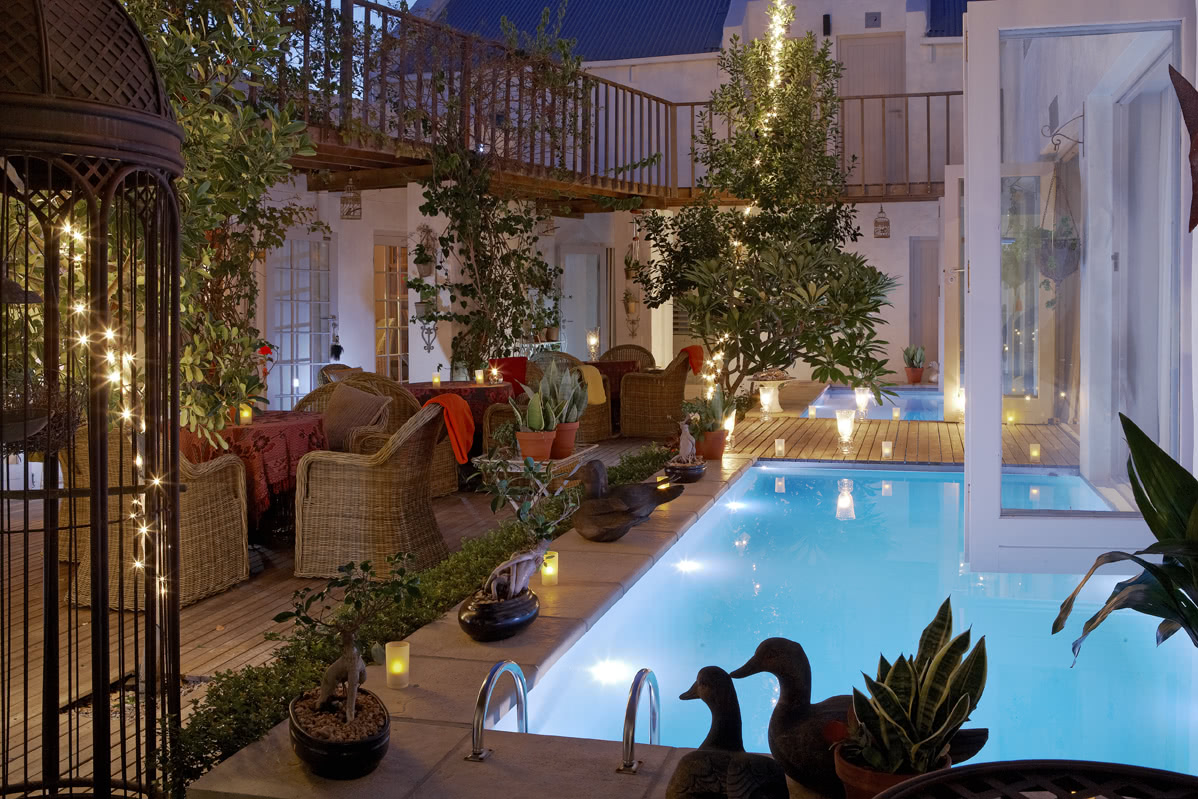
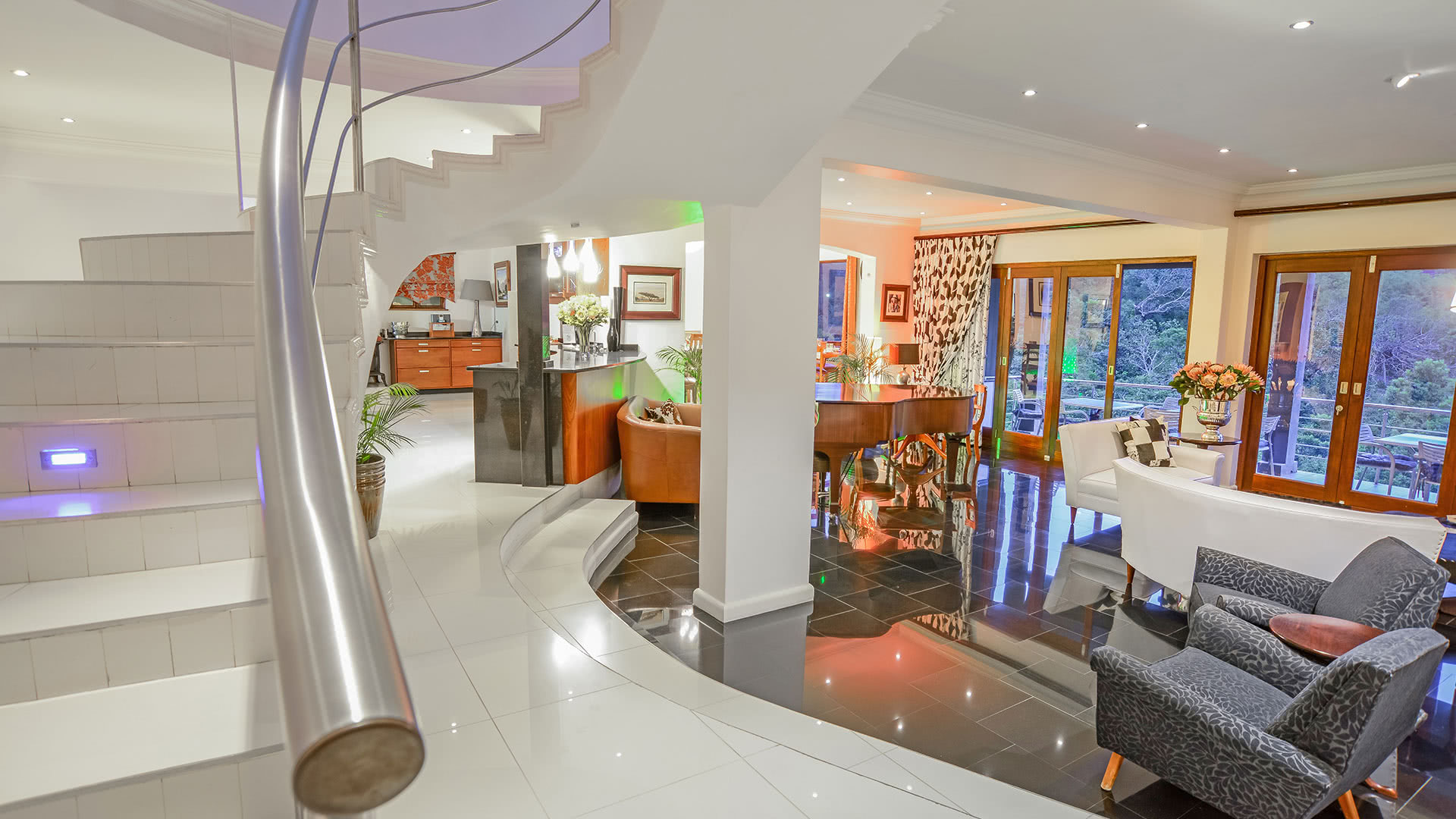
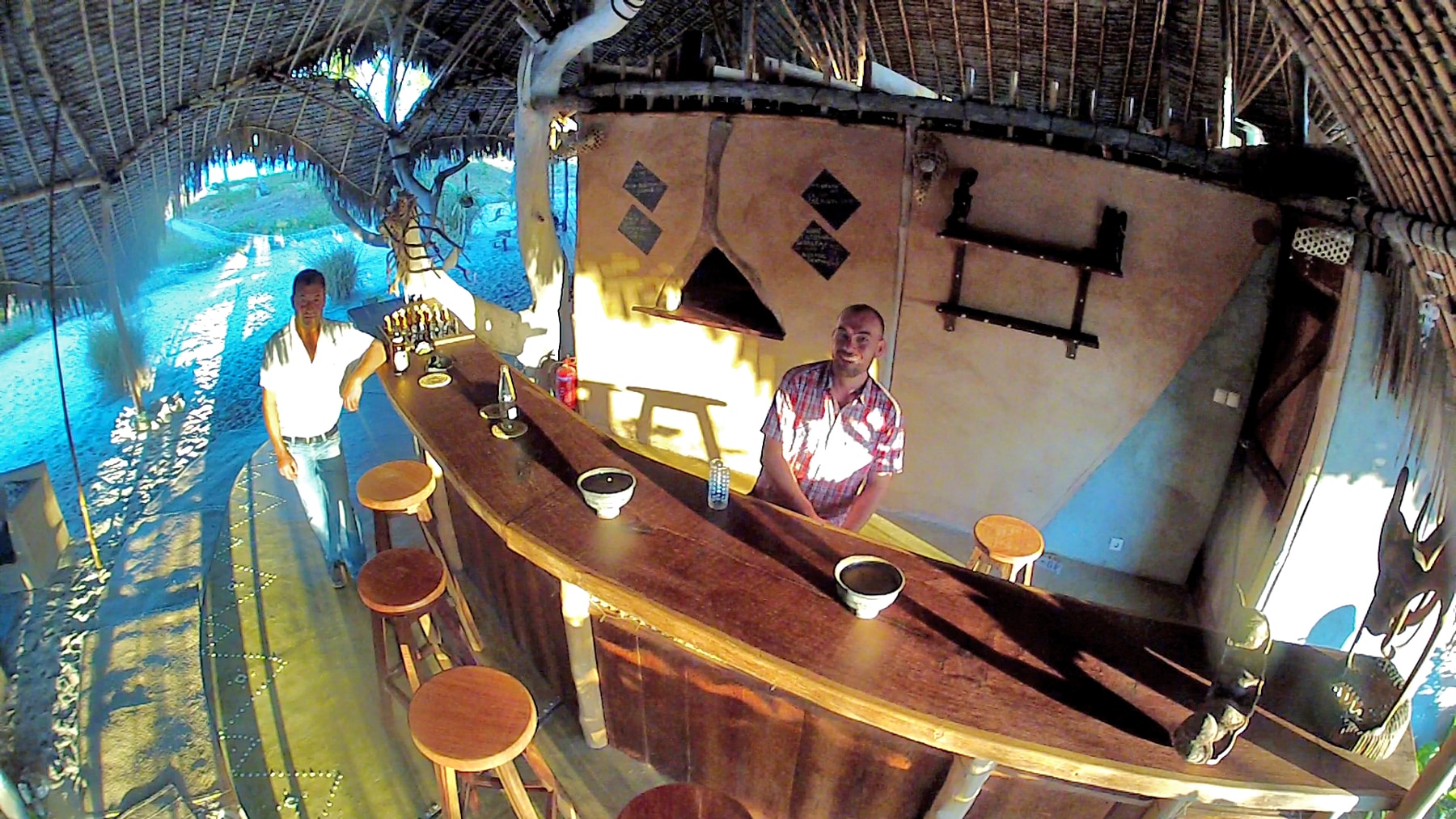
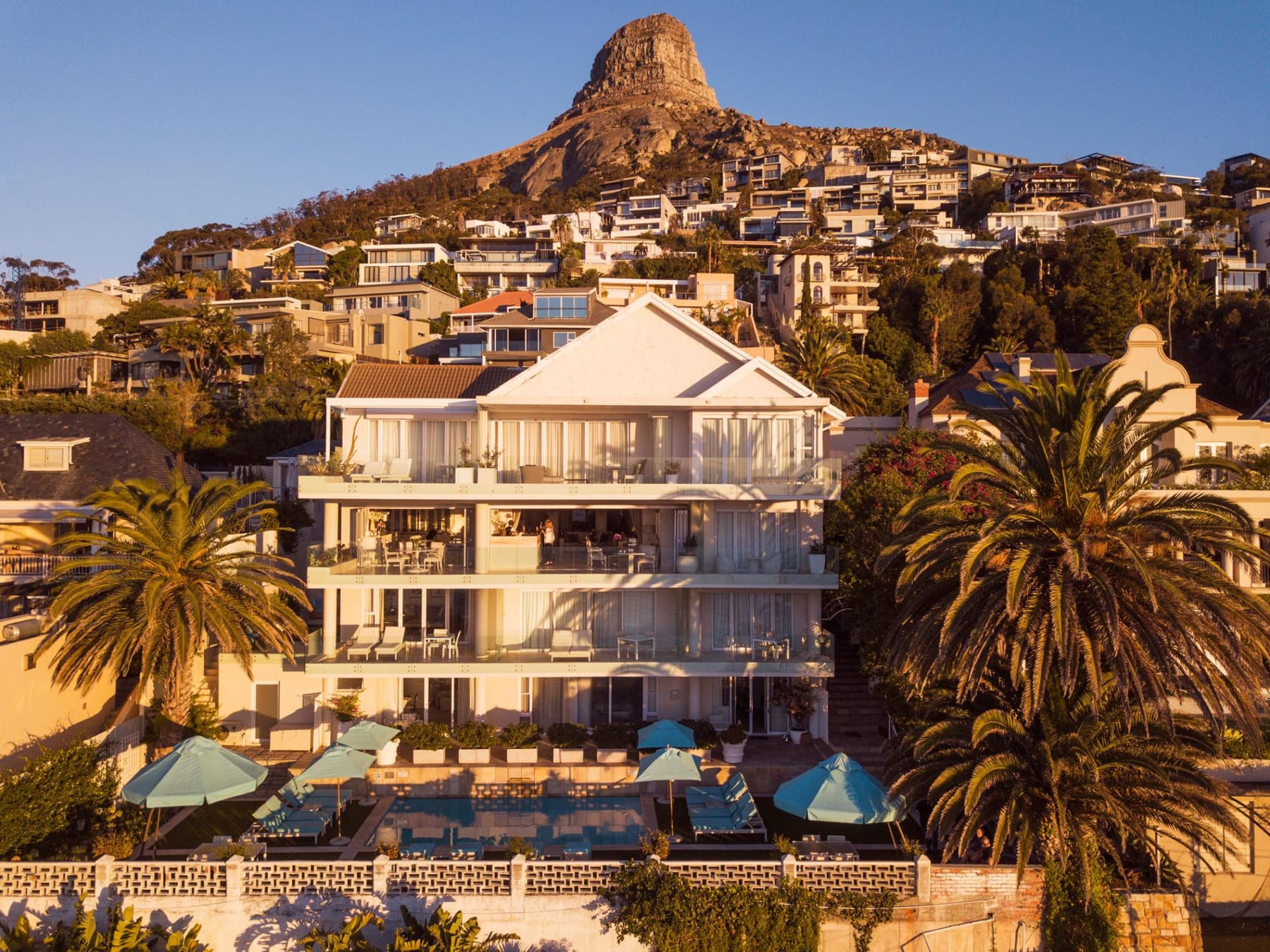
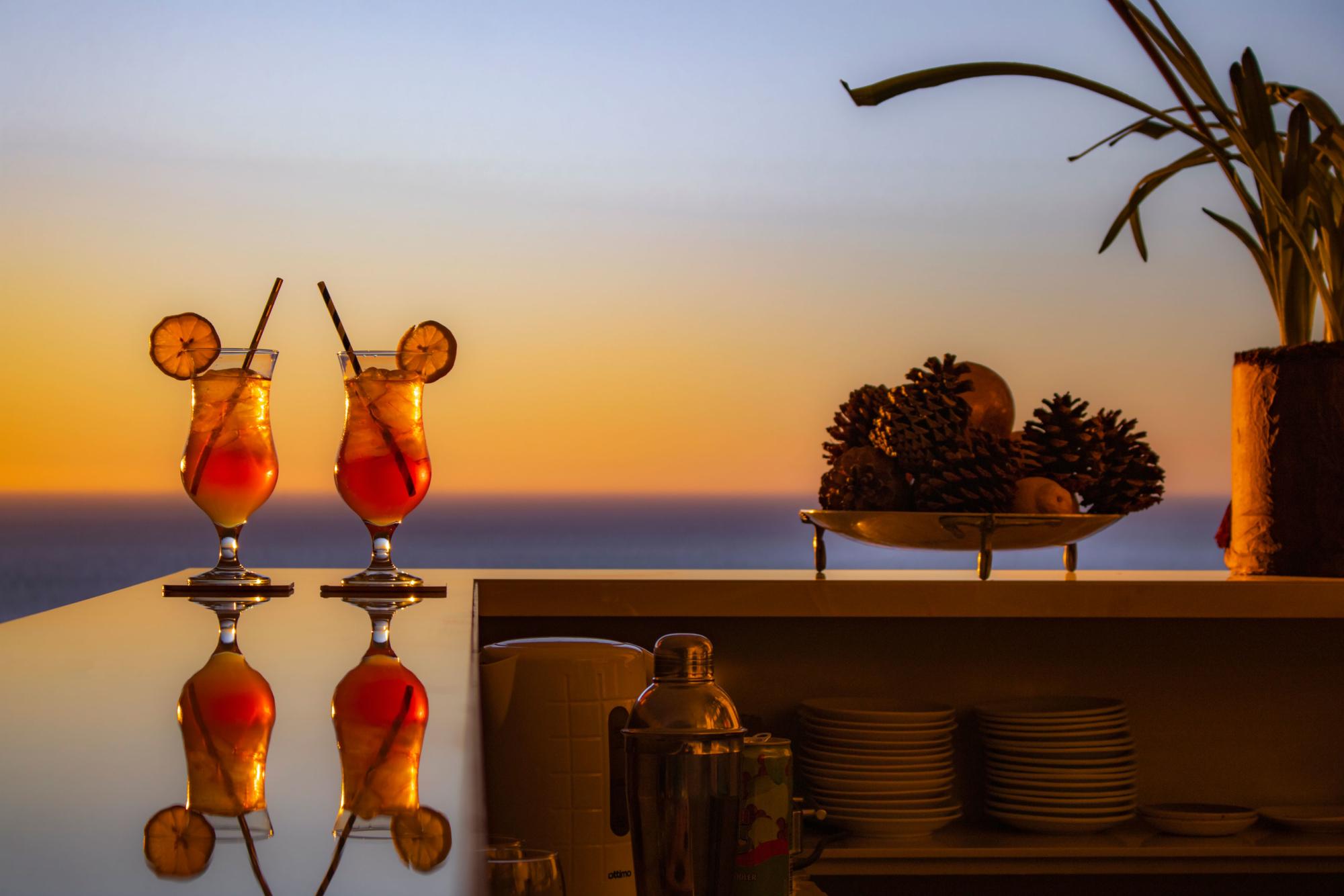
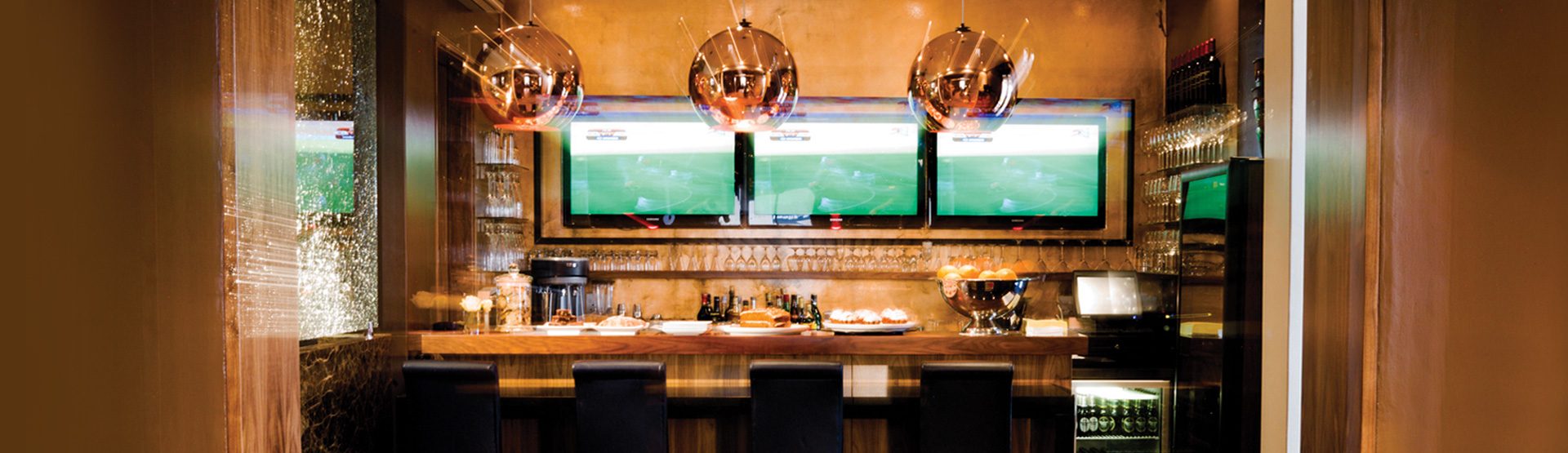
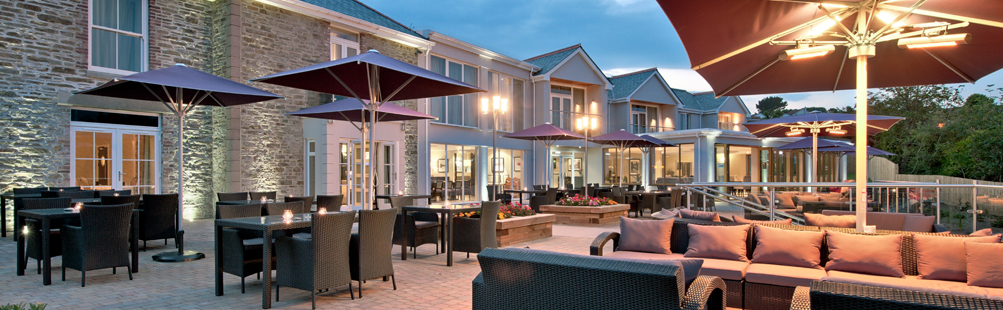
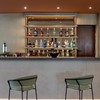
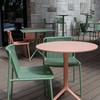
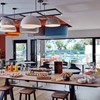
The lobby bar offers relaxing breaks, refreshments, and convivial aperitifs, a chance to sip a delicious Italian coffee, or simply enjoy a drink with friends while overlooking an outdoor poolside patio surrounded by Rome's lush greenery.
Outdoor swimming pool
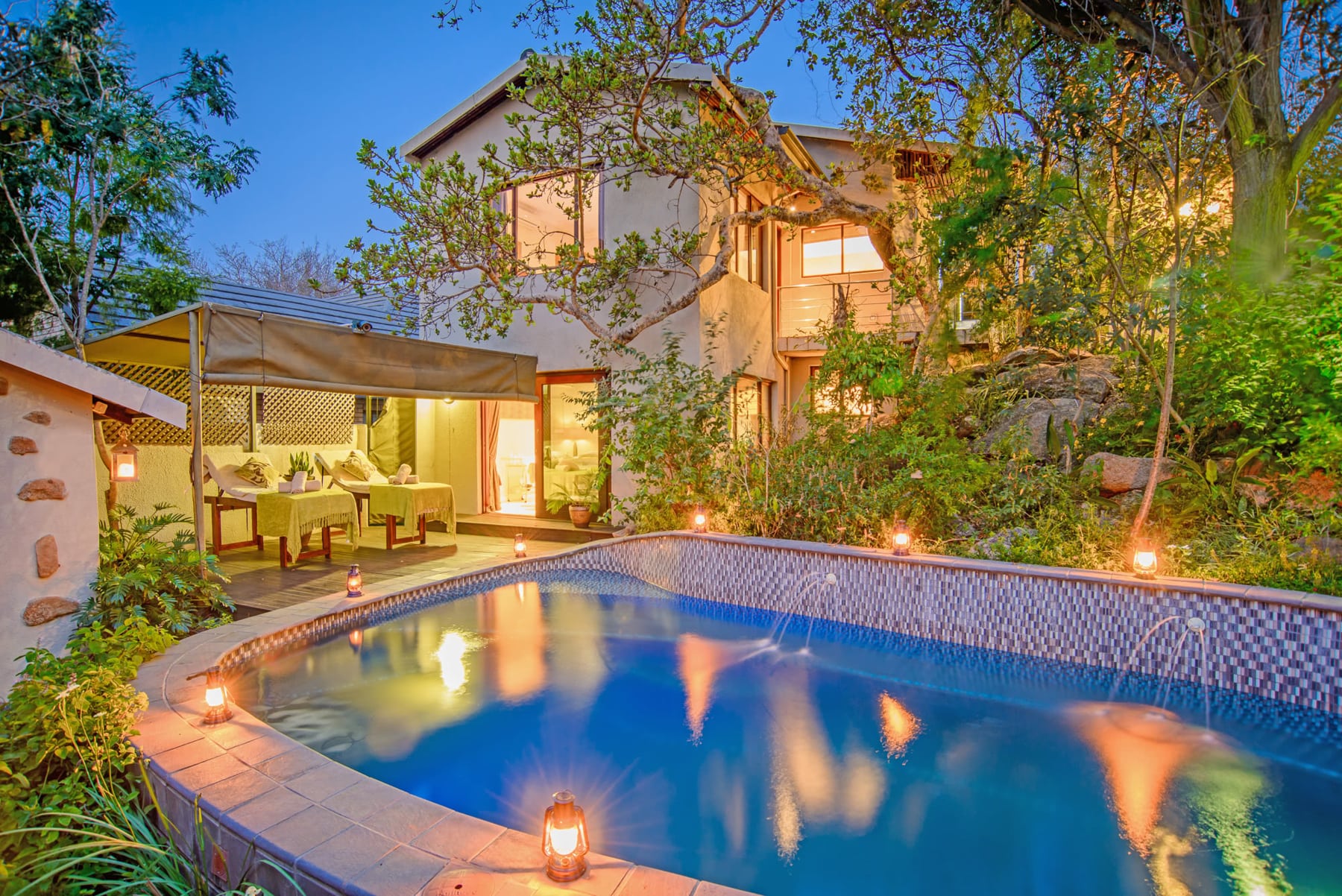
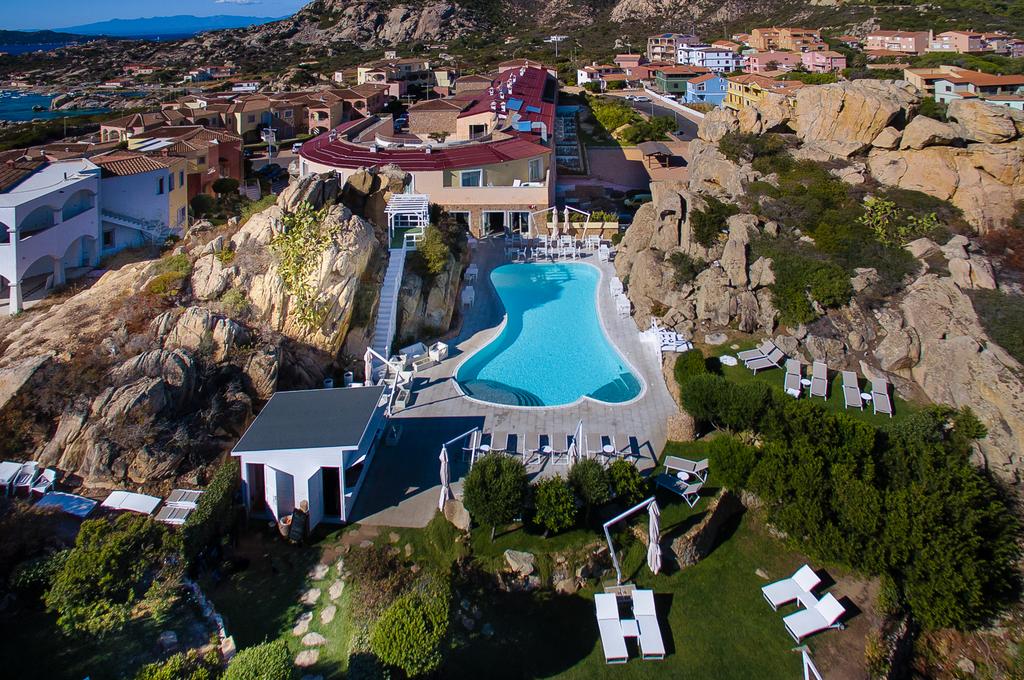
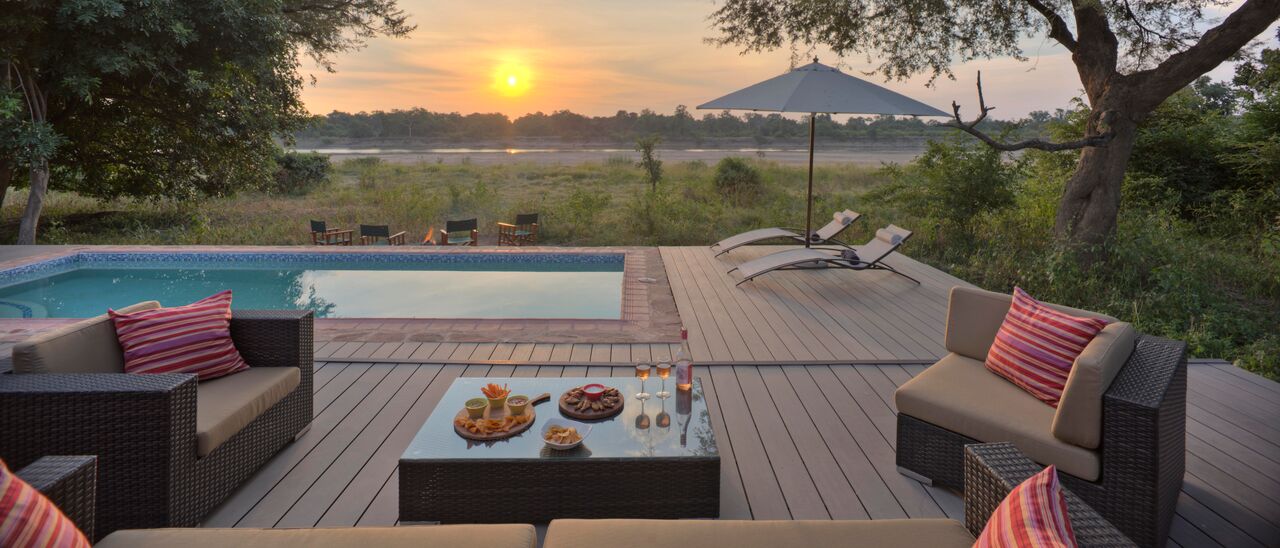
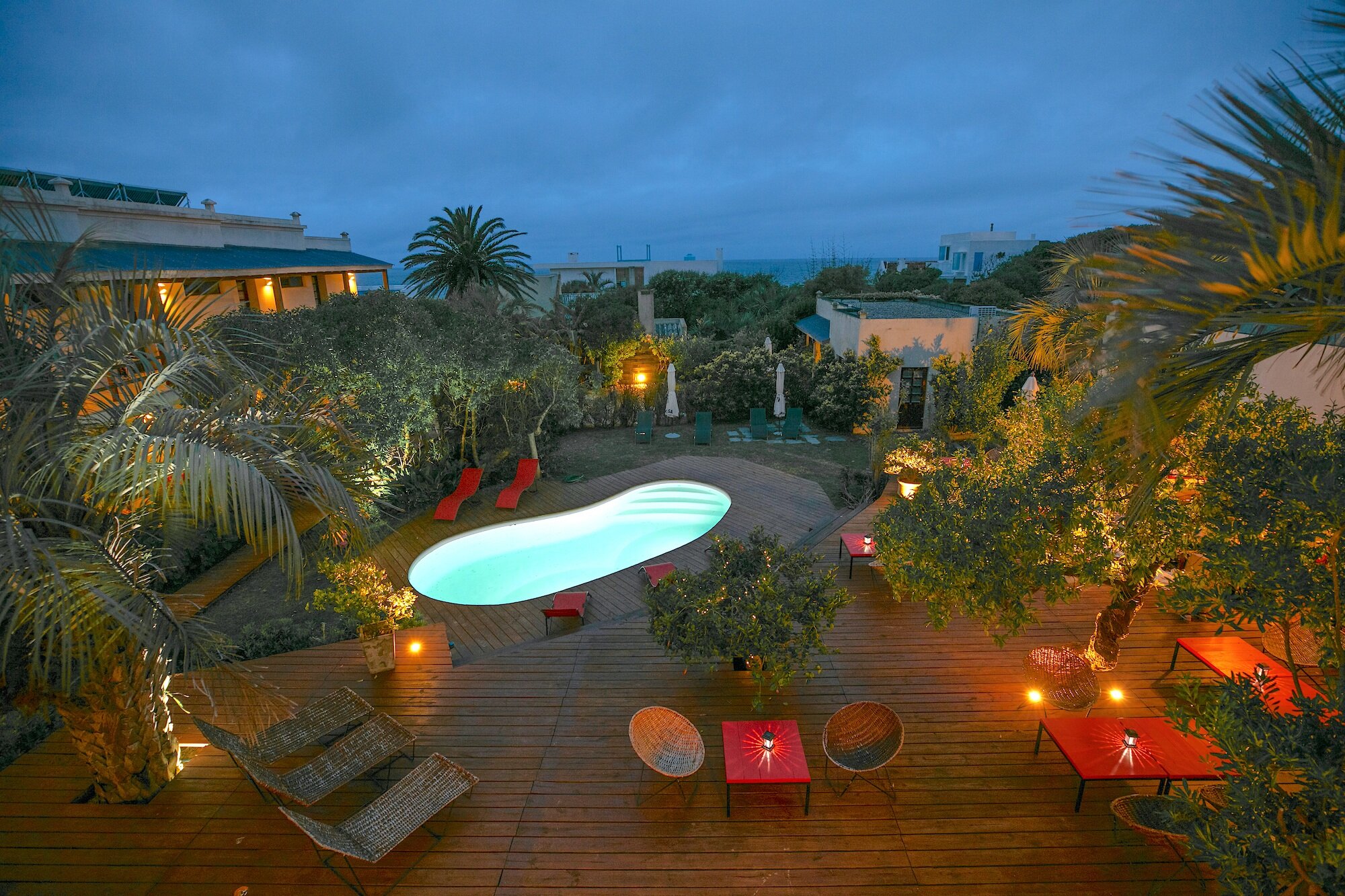
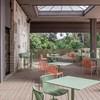
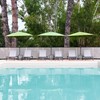
For a refreshing dip during the warmer months, our hotel offers a well-maintained outdoor pool in a private setting completely surrounded by greenery. Accessible for a fee and open approximately from June to September, our pool is a relaxing haven with a solarium equipped with umbrellas and loungers, where you can spend relaxing and enjoyable moments between appointments, sipping a drink or a beverage served by our staffed bar to cool off on hot Roman days.
Gym
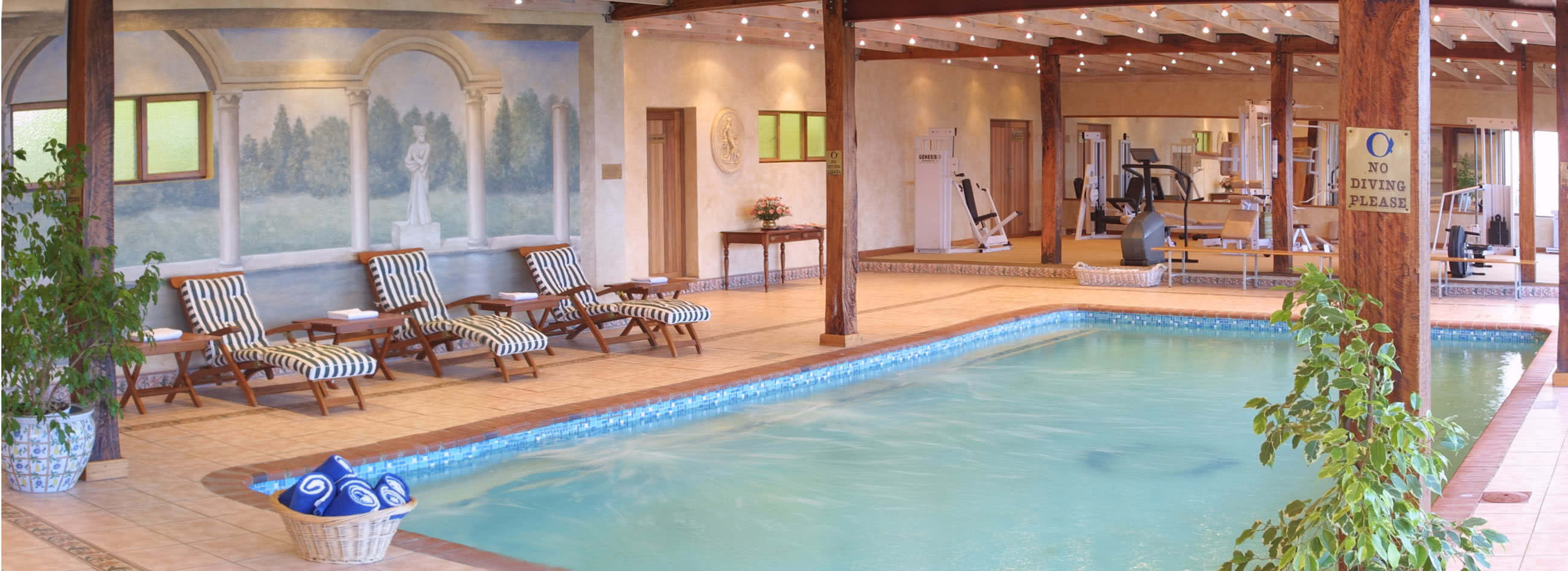
The hotel's gym is the ideal place to stay fit even when you're away from home, to release tension and rebalance your mind and body. The latest-generation equipment and machines, the weights corner, and the space for free exercises provide everything you need to train according to your time constraints and fitness level.
Shuttle
To reach the centre of Rome more easily, a free shuttle service is available that connects the hotel to the nearest stop on the A metro line (Battisti-Anagnina).
The shuttle operates only during scheduled times, is subject to availability (max 8 seats) and cannot be booked in advance.
Meetings and events
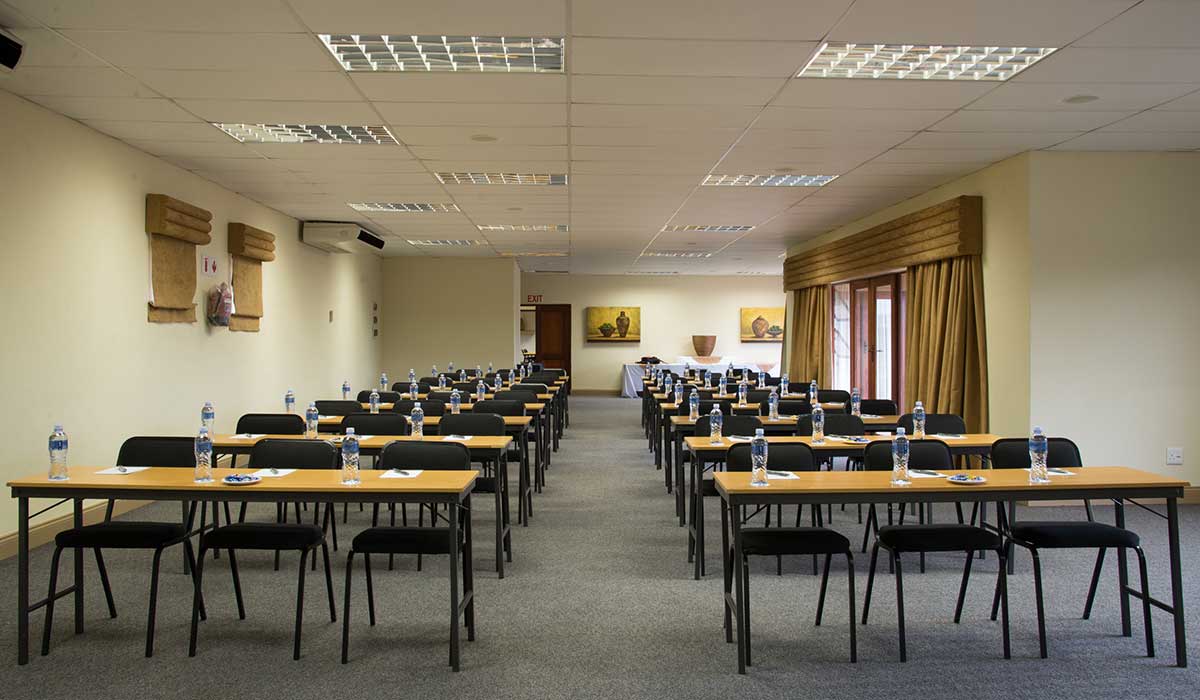
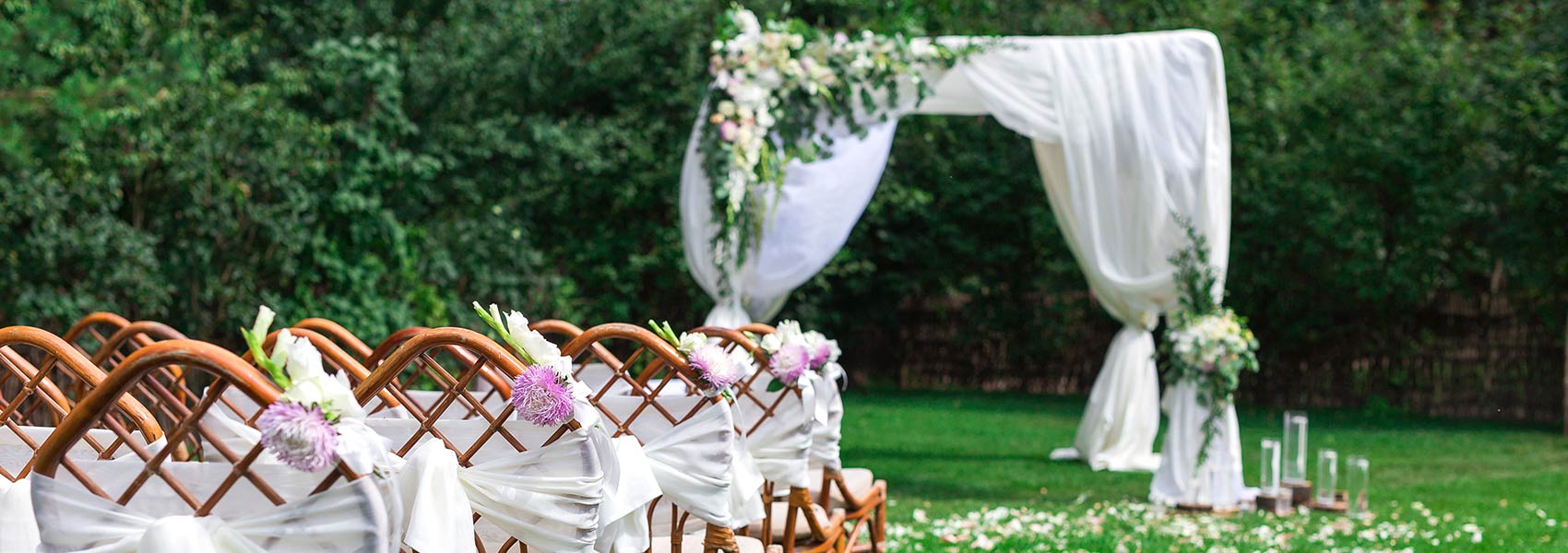
Light, space, and flexibility. Our hotel features a spacious conference center that combines a business vocation with a more recreational spirit, capable of accommodating any traveler. Renovated and equipped with modern technology and facilities, all meeting, conference, and business spaces offer a comprehensive MICE offering. Our staff will take care of your event down to the smallest detail, making every occasion memorable and enjoyable for all attendees.
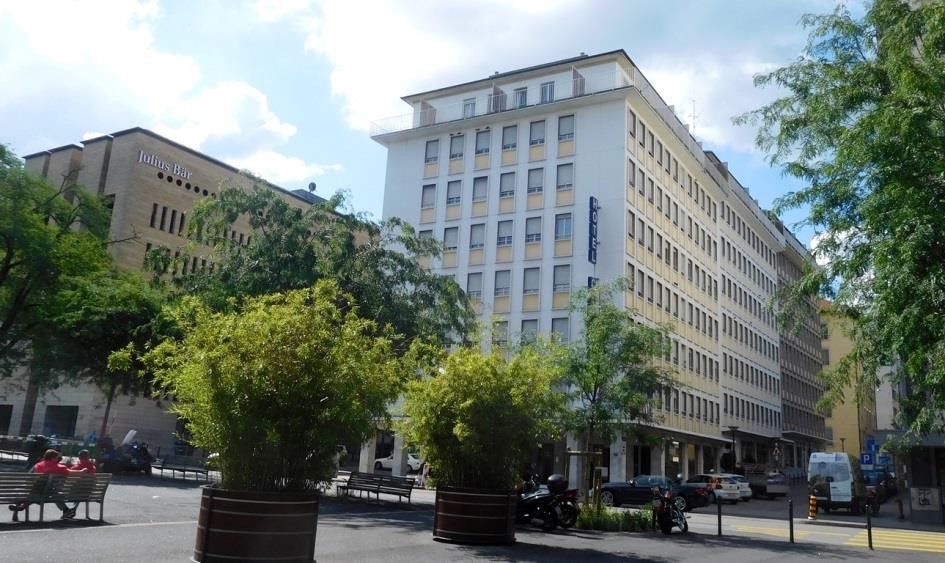
Furthermore, the hotel's proximity to Rome and leisure facilities allow you to enjoy cultural and leisure experiences that complement your travel experience beyond work commitments. This is a business hotel with a conference focus, surrounded by greenery just steps from the heart of Rome, conveniently located on the Via Aurelia and not far from Fiumicino Airport.
Conference Center
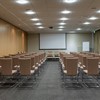
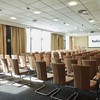
Our hotel offers guests a conference center with large, modular spaces, well-lit and equipped with state-of-the-art technology. Located on the ground floor and well-connected to the restaurant and outdoor patio, the seven rooms, the largest of which, composed of four modules, can accommodate up to 330 people, are the ideal solution for your medium or large-scale event just outside Rome.
Meadows
Maximum capacity: 60 people.
Medium-sized room with natural light, modular into two separate spaces.
Meadows 1
Maximum capacity: 15 people.
Room with natural light, located on the ground floor.
Meadows 2
Maximum capacity: 15 people.
Natural light, located on the ground floor.
Parioli
Maximum capacity: 330 people.
Large conference room with natural light, divisible into 4 modules for smaller events.
Parioli 3+4
Maximum capacity: 60 people.
Room consisting of two unified modules, located on the ground floor with natural light.
Technical equipment: two 3x2 screens, joined in parallel.
Coppedè
Maximum capacity: 30 people.
Room with natural light, an ideal environment for board meetings.
Banqueting & coffee breaks
Our banqueting service is a testament to the quality that defines our hotel. Innovative buffets, well-organized refreshments, and informal yet attentive and professional service are the key elements that set us apart. Thanks to our mobile stations, our coffee break service is flexible, comprehensive, and distinct from our breakfast menu. Buffet lunches and dinners, complemented by table service for some dishes, fast, high-quality service, and the culinary offerings of Michelin-starred chef Andrea Ribaldone ensure the success of every event, from informal gatherings with friends to business meetings.






Cliff Jacobs (Nat Dpl Hotel Man (UJ). MPRE. GA Level 5 TEFL) Managing Principal / CEO Exquisite Hotel Consultants (Pty) Ltd Mobile: +27 (0) 84 413 1071 / +27 (0) 61 716 6951 Email: cliff@exquisitehotelconsultants.com Web: https://www.exquisitehotelconsultants.com © All rights reserved Terms and Conditions apply Scroll down to view our Hospitality Properties and Businesses for sale or lease or lease-to-buy or partnership arrangement or management agreement arrangement.