.JPG "Exquisite Properties")



São Tomé and Príncipe
Agent: Cliff Jacobs - Managing Principal Property Practitioner & CEO - Exquisite Hotel Consultants (Nat.Dpl.Hotel Man (UJ). M.P.R.E.)
Agent Cellphone: +27 (0) 84 413 1071 / +27 (0) 61 716 6951
Agent Office Number: +27 (0) 84 413 1071
Agent Email Address: cliff@exquisitehotelconsultants.com
Type: Hotel Resort
Bedrooms: 65
Bathrooms: 65
Showers: 65
Parking: 70
Yield: Not Disclosed
TGCSA Rating:

São Tomé and Príncipe
São Tomé and Príncipe, officially the Democratic Republic of Sao Tome and Principe, is an island country in the Gulf of Guinea, off the western equatorial coast of Central Africa. It consists of two archipelagos around the two main islands of São Tomé and Príncipe, about 81 nautical miles (150 km; 93 mi) apart and about 135 and 121 nautical miles (250 and 224 km; 155 and 139 mi) off the northwestern coast of Gabon. With a population of 201,800 (2018 official estimate), São Tomé and Príncipe is the second-smallest and second-least populous African sovereign state after Seychelles.
The islands were uninhabited until Portuguese explorers João de Santarém and Pedro Escobar discovered them on 21 December 1470. Gradually colonized and settled throughout the 16th century, they collectively served as a vital commercial and trade centre for the Atlantic slave trade. The rich volcanic soil and proximity to the equator made São Tomé and Príncipe ideal for sugar cultivation, followed later by other cash crops such as coffee and cocoa. The lucrative plantation economy was heavily dependent upon enslaved Africans. Cycles of social unrest and economic instability throughout the 19th and 20th centuries culminated in peaceful independence in 1975 as a one-party communist state, which would remain in place until 1990. São Tomé and Príncipe has since remained one of Africa's most stable and democratic countries. São Tomé and Príncipe is a developing economy with a medium Human Development Index.
The people of São Tomé and Príncipe are predominantly of African and mestiço (mixed European and African) descent, with most practicing Christianity. The legacy of Portuguese rule is also visible in the country's culture, customs, and music, which fuse both European and African influences. São Tomé and Príncipe is a founding member state of the Community of Portuguese Language Countries.
History
The islands making up São Tomé and Príncipe were formed approximately 30 million years ago due to volcanic activity in deep water along the Cameroon Line. Over time, interactions with seawater and periods of eruption have engendered a wide variety of different igneous and volcanic rocks on the islands with complex assemblages of minerals.
Arrival of Europeans
The dates of European arrival are sometimes given as 21 December (St Thomas's Day) 1471, for São Tomé; and 17 January (St Antony's Day) 1472, for Príncipe, though other sources cite different years around that time. Príncipe was initially named Santo Antão ("Saint Anthony"), changing its name in 1502 to Ilha do Príncipe ("Prince's Island"), in reference to the Prince of Portugal to whom duties on the island's sugar crop were paid.
The first successful settlement of São Tomé was established in 1493 by Álvaro Caminha, who received the land as a grant from the crown.[15] Príncipe was settled in 1500 under a similar arrangement. Attracting settlers proved difficult, however, and most of the earliest inhabitants were "undesirables" sent from Portugal, mostly Sephardic Jews. 2,000 Jewish children, eight years old and under, were taken from the Iberian peninsula for work on the sugar plantations. In time, these settlers found the volcanic soil of the region suitable for agriculture, especially the growing of sugar.
Portuguese São Tomé and Príncipe
By 1515, São Tomé and Príncipe had become slave depots for the coastal slave trade centered at Elmina.
The cultivation of sugar was a labour-intensive process, and the Portuguese began to enslave large numbers of Africans from the continent. In the sugar boom's early stages, property on the islands had little value, with farming for local consumption. While the economy relied mainly on the transit of slaves, many foodstuffs were already imported. When the local landowner Álvaro Borges died in 1504, his cleared land and domesticated animals were sold for only 13,000 réis, about the price of three slaves. According to Valentim Fernandes around 1506, São Tomé had more sugarcane fields than Madeira "from which they already produce molasses," but the island lacked facilities for industrial sugar production.
Economic development in the 16th century
São Tomé saw significant economic development following the introduction of a water-powered sugar mill in 1515, which led to the mass cultivation of sugar: "The fields are expanding and the sugar mills, too. At this time, only two sugar mills are here and another three are being built, counting the mill of the contractors, which is large. Similarly, the necessary conditions exist, such as streams and timber, to be able to build many more. And the [sugar] canes are the biggest I have ever seen in my life." Sugar plantations were organized with slave labor, and by the mid-16th century, the Portuguese settlers had turned the islands into Africa's foremost exporter of sugar.
Slaves in São Tomé were brought from the Slave Coast of West Africa, the Niger Delta, the island of Fernando Po, and later from the Kongo and Angola. In the 16th century, the enslaved were imported from and exported to Portugal, Elmina, the Kingdom of Kongo, Angola, and the Spanish Americas. In 1510, reportedly 10,000 to 12,000 slaves were imported by Portugal. In 1516, São Tomé received 4,072 slaves with the purpose of re-exportation. From 1519 to 1540, the island was the center of the slave trade between Elmina and the Niger Delta. Throughout the early to mid-sixteenth century, São Tomé traded in slaves intermittently with Angola and the Kingdom of Kongo. In 1525 São Tomé began trafficking slaves to the Spanish Americas, mainly to the Caribbean and Brazil. From 1532 to 1536, São Tomé sent an annual average of 342 slaves to the Antilles. Prior to 1580, the island accounted for 75 percent of Brazil's imports, mainly slaves. The slave trade remained a cornerstone of São Tomé's economy until after 1600.
The power dynamics of São Tomé in the 16th century were surprisingly diverse with the participation of free mulattos and black citizens in governance. Voluntary colonists shunned São Tomé for its disease and food shortages, so the Portuguese crown deported convicts to the island and encouraged interracial relationships to secure the colony. Slavery was also not permanent, as demonstrated through the 1515 royal decree granting the manumission of African wives of white settlers and their mixed-race children. In 1517, another decree freed the male slaves who had originally arrived on the island with the first colonists. After 1520, a royal charter allowed for property-owning, married, free mulattos to hold public offices. This was followed by a decree in 1546 establishing civil equality between these qualified mulattos and the white settlers, allowing free mulattos and black citizens opportunities for upward mobility and participation in local politics and business. Social divisions led to frequent disputes within the colony's town councils and with the governor and bishop, with constant political instability.
At first, slavery in São Tomé was less strict. In the mid-16th century, an anonymous Portuguese pilot noted that the slaves were employed as couples, built their own accommodations, and worked autonomously once a week on the cultivation of their own food supply. However, this more relaxed slave system did not last long following the introduction of plantations. Throughout, slaves frequently ran away to the inhospitable mountain forests of the island's interior. Between 1514 and 1527, five percent of slaves that were imported to São Tomé escaped, often to starve, though 1531–1535 saw major food shortages even in the plantations. Eventually, the Maroon people developed settlements in the interior known as macambos.
Slave rebellions
The greatest slave revolt occurred in July 1595, when the government was weakened by disputes between the bishop and the governor. A native slave named Amador recruited 5,000 slaves to raid and destroy plantations, sugar mills, and settler houses. Amador's rebellion made three raids on the town and destroyed 60 of the island's 85 sugar mills, but they were defeated by the militia after three weeks. Two hundred slaves were killed in combat, and Amador and the other rebel leaders were executed, while the rest of the slaves were granted amnesty and returned to their plantation. Smaller slave rebellions followed in the 17th and 18th centuries.
18th, 19th and 20th centuries
Eventually, competition from sugar-producing colonies in the Western Hemisphere began to hurt the islands' economy. The large enslaved population also proved difficult to control, with Portugal unable to invest many resources in the effort. Sugar cultivation thus declined over the next 100 years, and by the mid-17th century, São Tomé had become primarily a transit point for ships engaged in the slave trade between continental Africa and the Americas.
In the early 19th century, two new cash crops, coffee and cocoa, were introduced. By 1905, São Tomé had become the world's largest producer of cocoa, which remains the country's most important crop.
The roças system, which gave the plantation managers a high degree of authority, led to abuses against the African farm workers. Although Portugal officially abolished slavery in 1876, the practice of forced paid labour continued. Scientific American documented in words and pictures the continued use of slaves in São Tomé in its 13 March 1897 issue.
Observations of the solar eclipse of 29 May 1919 in Príncipe by Sir Arthur Eddington provided one of the first successful tests of Albert Einstein's general theory of relativity.
In the early 20th century, an internationally publicized controversy arose over charges that Angolan contract workers were being subjected to forced labour and unsatisfactory working conditions. Sporadic labor unrest and dissatisfaction continued well into the 20th century, culminating in an outbreak of riots in 1953 in which several hundred African laborers were killed in a clash with their Portuguese rulers. The anniversary of this "Batepá Massacre" remains officially observed by the government.
Independence
By the late 1950s, when other emerging nations across the African continent demanded their independence, a small group of São Toméans formed the Movement for the Liberation of São Tomé and Príncipe (MLSTP), which eventually established its base in nearby Gabon. Picking up momentum in the 1960s, events moved quickly after the overthrow of the Caetano dictatorship in Portugal in April 1974.
The new Portuguese regime was committed to the dissolution of its overseas colonies. In November 1974, its representatives met with the MLSTP in Algiers and worked out an agreement for the transfer of sovereignty. After a period of transitional government, São Tomé and Príncipe achieved independence on 12 July 1975, choosing as the first president the MLSTP Secretary General Manuel Pinto da Costa.
In 1990, São Tomé became one of the first African countries to undergo democratic reform, and changes to the constitution—including the legalization of opposition political parties—led to elections in 1991 that were non-violent, free, and transparent. Miguel Trovoada, a former prime minister who had been in exile since 1986, returned as an independent candidate and was elected president. Trovoada was re-elected in São Tomé's second multiparty presidential election in 1996.
The Party of Democratic Convergence won a majority of seats in the National Assembly, with the MLSTP becoming an important and vocal minority party. Municipal elections followed in late 1992, in which the MLSTP won a majority of seats on five of seven regional councils. In early legislative elections in October 1994, the MLSTP won a plurality of seats in the assembly. It regained an outright majority of seats in the November 1998 elections.
21st century
In the 2001 presidential elections the candidate backed by the Independent Democratic Action party, Fradique de Menezes, was elected in the first round and inaugurated on 3 September. Parliamentary elections were held in March 2002. For the next four years, a series of short-lived opposition-led governments was formed.
In July 2003, the army seized power for one week, complaining of corruption and that forthcoming oil revenues would not be divided fairly. An accord was negotiated under which President de Menezes was returned to office. In March 2006, the cohabitation period ended, when a propresidential coalition won enough seats in National Assembly elections to form a new government.
In the 30 July 2006 presidential election, Fradique de Menezes easily won a second five-year term in office, defeating two other candidates, Patrice Trovoada (son of former president Miguel Trovoada) and independent Nilo Guimarães. Local elections, the first since 1992, took place on 27 August 2006 and were dominated by members of the ruling coalition. On 12 February 2009, a coup d'état was attempted to overthrow President Fradique de Menezes. The plotters were imprisoned, but later received a pardon from President de Menezes.
Evaristo Carvalho became the President of São Tomé and Príncipe in the 2016 elections, after winning over the incumbent President Manuel Pinto da Costa. President Carvalho is also vice president of the Independent Democratic Action party (ADI). Patrice Emery Trovoada became prime minister in 2014; he is also the leader of the Independent Democratic Action party (ADI). In December 2018, Jorge Bom Jesus, the leader of the Movimento de Libertação de São Tomé e Príncipe-Partido Social Democráta (MLSTP-PSD), was sworn in as new prime minister.
In September 2021, the candidate of the centre-right opposition Independent Democratic Action (ADI), Carlos Vila Nova, won the presidential election.
In September 2022, the opposition Independent Democratic Action (ADI), led by former prime minister Patrice Trovoada, won the election over the ruling Movement for the Liberation of Sao Tome and Principe/Social Democratic Party (MLSTP/PSD) of Prime Minister Jorge Bom Jesus. In November of the same year, the government and military thwarted an attempted coup d'état, after Patrice Trovoada was appointed prime minister of São Tomé and Príncipe by Carlos Vila Nova. Ilza Amado Vaz briefly served as Trovoada's successor from 9 January 2025 until Américo Ramos appointment on 12 January.
Geography
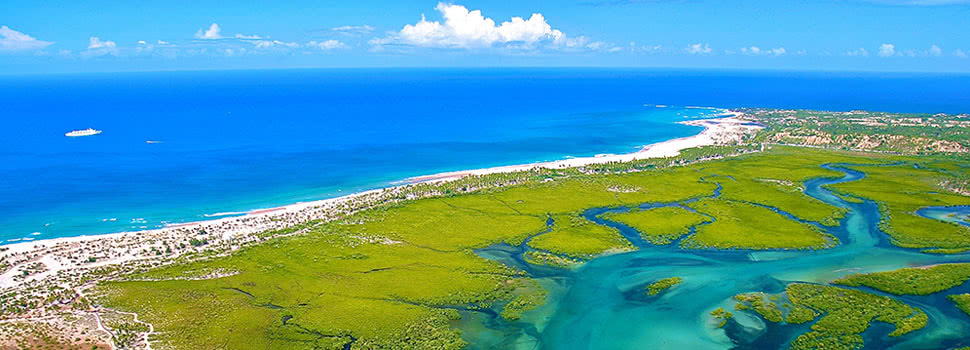
The islands of São Tomé and Príncipe, situated in the equatorial Atlantic and Gulf of Guinea about 160 and 130 nautical miles (300 and 240 km; 180 and 150 mi), respectively, off the northwest coast of Gabon, constitute Africa's second-smallest country. Both are part of the Cameroon volcanic mountain line, which also includes the islands of Annobón to the southwest, Bioko to the northeast (both part of Equatorial Guinea), and Mount Cameroon on the coast of Gulf of Guinea. Both islands formed about 30 million years ago during the Oligocene era, due to volcanic activity beneath deep water along the Cameroon Line. The volcanic soils of basalts and phonolites, dating to 3 million years, have been used for plantation crops since colonial times.
São Tomé is 50 km (30 mi) long and 30 km (20 mi) wide and the more mountainous of the two islands. Its highest point, Pico de São Tomé, has an elevation of 2,024 metres (6,640 ft). Príncipe is about 30 km (20 mi) long and 6 km (4 mi) wide. Its highest point, Pico de Príncipe, reaches 948 metres (3,110 ft). The equator lies just south of São Tomé Island, passing through the islet Ilhéu das Rolas.
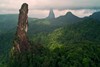
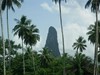
The Pico Cão Grande (Great Dog Peak) is a landmark volcanic plug peak in southern São Tomé. It rises over 300 metres (980 ft) above the surrounding terrain and the summit is 663 metres (2,175 ft) above sea level.
Climate
The climate of São Tomé and Príncipe is essentially conditioned by its geographic location, subject to the seasonal translation of low equatorial pressures, the monsoon winds from the south, the warm Guinea Current and the relief.
At sea level, the climate is tropical—hot and humid with average yearly temperatures of about 26 °C (78.8 °F) and little daily variation. The temperature rarely rises beyond 32 °C (89.6 °F). At the interior's higher elevations, the average yearly temperature is 20 °C (68 °F), and nights are generally cool. Annual rainfall varies from 7,000 millimetres (280 in) in the highland cloud forests to 800 millimetres (31 in) in the northern lowlands. The rainy season is from October to May.
Biodiversity
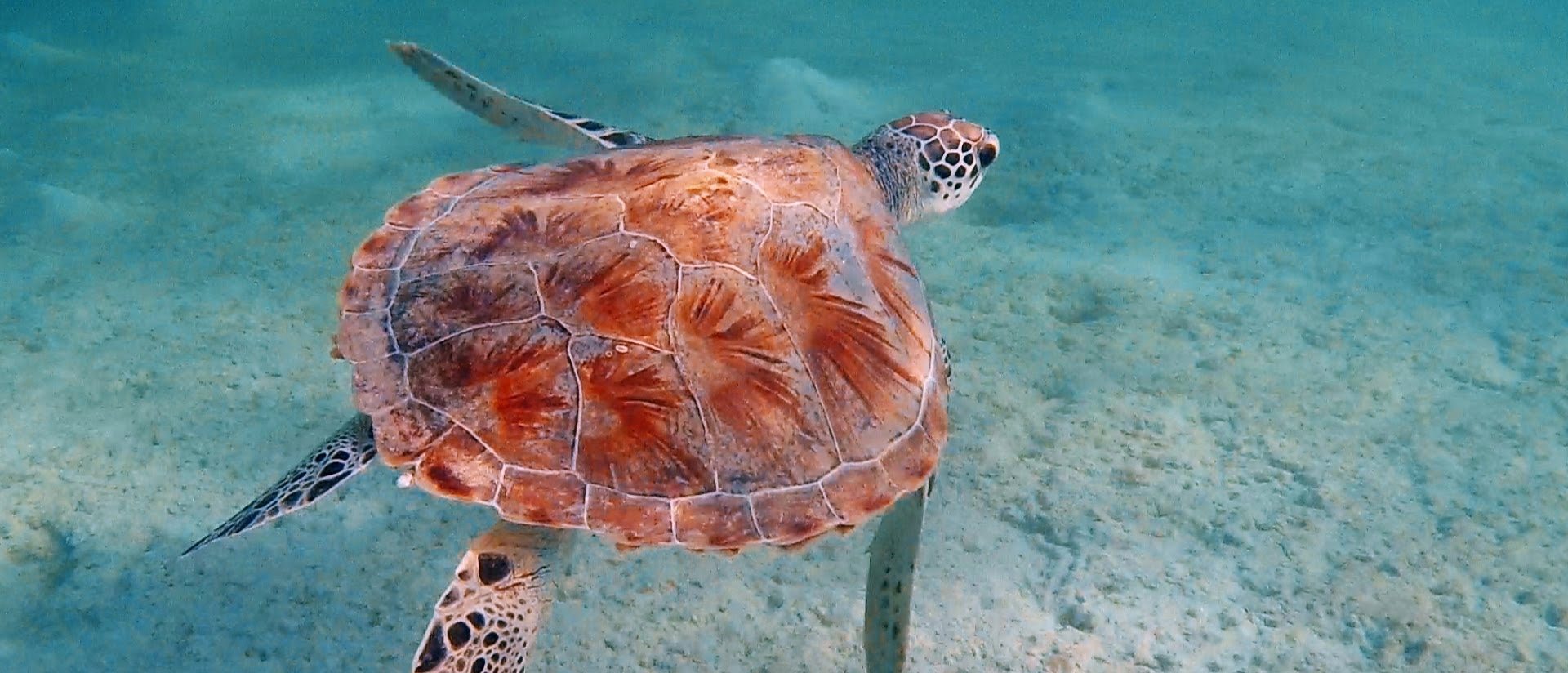
The country's territory is part of the São Tomé, Príncipe, and Annobón moist lowland forests ecoregion. It had a 2019 Forest Landscape Integrity Index mean score of 6.64/10, ranking it 68th globally out of 172 countries. São Tomé and Príncipe does not have a large number of native mammals (although the São Tomé shrew and several bat species are endemic). The islands are home to a larger number of endemic birds and plants, including the world's smallest ibis (the São Tomé ibis), the world's largest sunbird (the giant sunbird), the rare São Tomé fiscal, and several giant species of Begonia. São Tomé and Príncipe is an important nesting site for marine turtles, including the hawksbill turtles (Eretmochelys imbricata).
In 2012, UNESCO established the Island of Príncipe Biosphere Reserve under the Man and the Biosphere Programme. The reserve encompasses the entire emerged area of the island of Príncipe, and its islets Bom Bom, Boné do Jóquei, Mosteiros, Santana, and Pedra da Galei, and the Tinhosas islands. The biosphere was extended in 2025 to São Tomé, making São Tomé and Príncipe the first country to be designated as such in its entirety.
Politics
São Tomé and Príncipe is a unitary state operating under a semi-presidential system. The president of the republic is elected to a five-year term by direct universal suffrage and a secret ballot, and must gain an outright majority to be elected. The president may hold up to two consecutive terms. The prime minister is appointed by the president, and the 14 members of the cabinet are chosen by the prime minister.
The National Assembly, the supreme organ of the state and the highest legislative body, is made up of 55 members, who are elected for a four-year term and meet semiannually. Justice is administered at the highest level by the Supreme Court. The judiciary is independent under the current constitution.
São Tomé and Príncipe has functioned under a multiparty system since 1990. Concerning human rights, there are guarantees on freedom of speech and the freedom to form opposition political parties. The country finished 11th out of the African countries measured by the Ibrahim Index of African Governance in 2010, a comprehensive analysis of the standards of governance in Africa.
São Tomé and Príncipe is considered a free country, with very high freedom of speech, high political freedom and average economic freedom. In the 2023 V-Dem Democracy Indices, the country was ranked 56th among electoral democracies worldwide and 5th in Africa. It has an average level of corruption, although in recent years this level has been decreasing. In tourism terms, the risk is low, equivalent to the risk of visiting France.
Foreign relations
São Tomé and Príncipe has embassies in Angola, Belgium, Gabon, Portugal, and the United States. It recognized the People's Republic of China in 2016. It also has a permanent mission to the UN in New York City and an International Diplomatic Correspondent Office.
São Tomé and Príncipe is a founding member state of the Community of Portuguese Language Countries, also known as the Lusophone Commonwealth, an international organization and political association of Lusophone nations across four continents, where Portuguese is an official language.
The countries with the closest relations with São Tomé and Príncipe are Portugal and Angola.
Portugal
Portugal has historical ties with São Tomé and Príncipe, from the period of colonization by the Portuguese. Portugal is the largest investor in São Tomé and Príncipe, investing millions of euros in the economy. São Tomé and Príncipe maintains an embassy in Lisbon, a consulate in Porto and one in Coimbra. Portugal maintains an embassy in São Tomé. Portugal and São Tomé and Príncipe signed an agreement, in which Portugal patrols the coastal area of São Tomé and Príncipe, protecting it mainly from pirates. The Portuguese military ship NRP Zaire and some Portuguese patrol boats are permanently stationed on the coast of São Tomé and Príncipe. The economy of São Tomé and Príncipe is closely linked to that of Portugal, with Portugal accounting for more than 50% of exports from São Tomé and Príncipe. Portugal has helped to develop education in São Tomé and Príncipe, financially helping to build and maintain the Public University of São Tomé and Príncipe. The Portuguese President Marcelo Rebelo de Sousa visited São Tomé and Príncipe in 2018 to demonstrate the strong economic and cultural ties between Portugal and São Tomé and Príncipe.
In September 2022, Portugal and São Tomé and Príncipe signed a new cooperation agreement for defence, bolstering training and maritime security.
Angola
Angola is a major business partner mainly in the area of natural energy resources; Angola is the major supplier of oil and natural gas to São Tomé and Príncipe. In addition, hundreds of Angolan tourists visit São Tomé and Príncipe every year, contributing to the local economy. There is a relatively large community of Angolans in São Tomé and Príncipe. São Tomé and Príncipe maintains an embassy in Luanda and Angola maintains an embassy in São Tomé.
United States
The United States has had relations with São Tomé and Príncipe since 1975 and has offered millions of dollars in financial aid packages to São Tomé and Príncipe. The financial aid packages were designed to develop the country's infrastructure and improve its fiscal, tax and customs administration. In addition, in recent years, some US Coast Guard ships have visited São Tomé and Príncipe, providing medical and military training to soldiers from São Tomé and Príncipe. In 1992, the US federal government broadcaster, Voice of America, and the government of São Tomé signed a long-term agreement to establish a relay broadcasting station in São Tomé. Voice of America currently broadcasts to much of Africa from this facility. In 2002, the US had plans to establish a small military base on the island of São Tomé. São Tomé and Príncipe accepted the construction of the base, but the plan was canceled due to US political and financial issues.
Others
Thousands of tourists from Cape Verde visit São Tomé and Príncipe, helping the local economy. Relations between Cape Verde and São Tomé and Príncipe have improved over the years.
Brazil has contributed to improving the health and education system in São Tomé and Príncipe. Brazilian television channels and films are the most watched in São Tomé and Príncipe.
Neighboring Gabon, Cameroon, and the Republic of Congo are important partners in São Tomé and Príncipe; many companies in these countries have establishments and businesses in São Tomé and Príncipe. Because these countries speak French, the language has become important in the business sector (together with Portuguese), in São Tomé and Príncipe.
Since 2013, China has invested in some road and seaport projects but investments have been stalling in recent years.
Economy
Agriculture
Since the 19th century, the economy of São Tomé and Príncipe has been based on plantation agriculture. At the time of independence, Portuguese-owned plantations occupied 90% of the cultivated area. After independence, control of these plantations passed to various state-owned agricultural enterprises. The main crop on São Tomé is cocoa, representing about 54% of agricultural exports. In the early 1900s, São Tomé and Príncipe was the world's largest exporter of cocoa and popularly known as the "Chocolate Islands". Other export crops include copra, palm kernels, and coffee.
Domestic food-crop production is inadequate to meet local consumption, so the country imports most of its food. As of 1997, an estimated 90% of the country's food needs were met through imports. Efforts have been made by the government in recent years to expand food production, and several projects have been undertaken, largely financed by foreign donors.
Other than agriculture, the main economic activities are fishing and a small industrial sector engaged in processing local agricultural products and producing a few basic consumer goods. The scenic islands have potential for tourism, and the government is attempting to improve its rudimentary tourist industry infrastructure. The government sector accounts for about 11% of employment.
Following independence, the country had a centrally directed economy, with most means of production owned and controlled by the state. The original constitution guaranteed a mixed economy, with privately owned cooperatives combined with publicly owned property and means of production.
Tourism
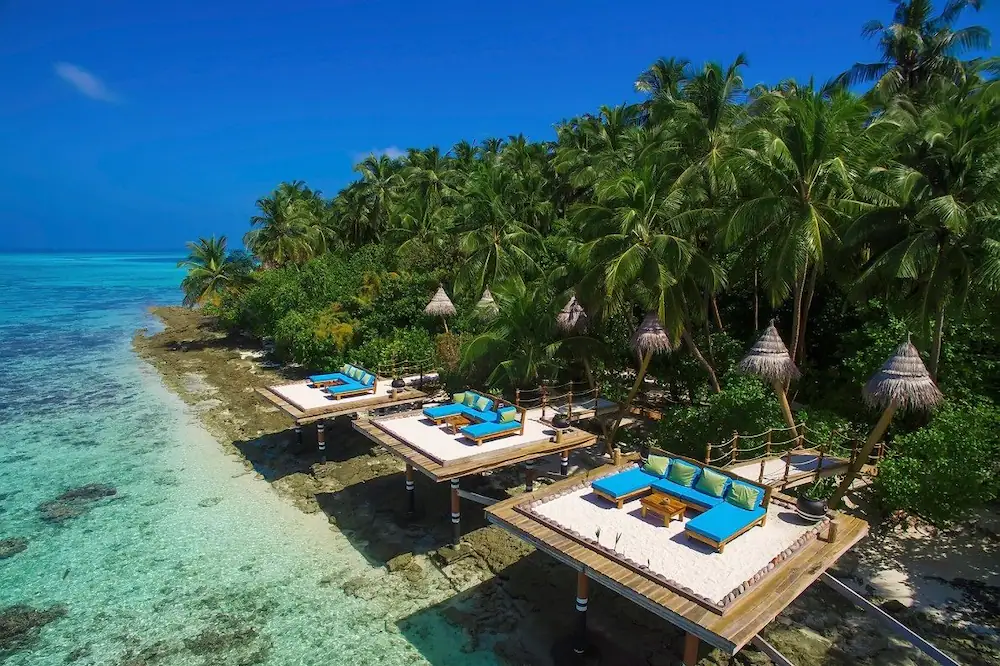
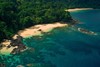
The tourism sector has great potential to be a way of diversifying the country's economy. This sector has been expanding with the increase of foreign investment. Large resorts have been built on the beaches of São Tomé and Príncipe.
Transport
The main ports in the country are in the city of São Tomé and Neves, both on the island of São Tomé, which were very degraded before being modernized in 2014. Close to the city of São Tomé, the international airport was expanded and modernized. The telephone system and the road network are good by African standards. Cellphones are widely used and improving. The Internet service is available and has been widely installed in urban areas.
Banking
The Central Bank of São Tomé and Príncipe (Banco Central de São Tomé e Príncipe) is responsible for monetary policy and bank supervision. There are six banks in the country; the largest and oldest is Banco Internacional de São Tomé e Príncipe, which is a subsidiary of Portugal's government-owned Caixa Geral de Depósitos. It had a monopoly on commercial banking until a change in the banking law in 2003 led to the entry of several other banks.
Business partners
In 2018, exports from São Tomé and Príncipe totaled 24 million euros, compared to 11 million euros in 2013. Half of São Tomé and Príncipe's exports are cocoa beans. One fifth of exports are electrical machines. Other considerable exports are parts of airplanes, cars, iron, plastics and agricultural products (pepper, oils, nuts and beef).
The main destinations for exports from São Tomé and Príncipe are Europe, where the Netherlands (19%), Portugal (14%), Poland (13%), France (7%) and Germany (6%) stand out. Others important buyers are Singapore, Japan, Brazil and the United States.
In the last 10 years, the countries in which the value of exports increased the most were Portugal, Poland, Brazil and the Netherlands. There was a sharp decrease in exports from São Tomé and Príncipe to Angola, Mexico and India.
In 2018, imports to São Tomé and Príncipe totalled 161 million dollars. Since 2013, imports have been decreasing, albeit at a slow pace, since in 2013 imports totalled 167 million euros. A fifth of imports to São Tomé and Príncipe corresponded to refined oil (mainly from Angola). Other important imports, in order of importance, were cars, rice, cereals, wine, electronic equipment, chemicals, clothing, meat, medical equipment, and wood.
About 51% of the imports of São Tomé and Príncipe come from Portugal. A fifth of imports come from Angola, about 6% come from China, 4% from the United States, 4% from Brazil, 2% from Gabon and 2% from France.
In the last 10 years, the value of imports increased most from the countries of Portugal, Angola and China. There was a sharp decrease in imports from Thailand, Italy and Nigeria.
São Tomé and Príncipe imports mostly machines, mainly electric generators and computers, and food, mainly wine, wheat, rice, milk, and soy oil, from Portugal. In addition, São Tomé and Príncipe also imports considerable quantities of cars, soap, and iron from Portugal. Portugal mainly buys scrap material, copper, cocoa, and clothing.
Demographics
São Tomé and Príncipe's population in thousands between 1961 and 2003
The total population was estimated at 201,800 in May 2018 by the government agency. About 193,380 people live on São Tomé and 8,420 on Príncipe. The natural population increase is about 4,000 people per year.
Nearly all citizens are descended from people from different countries taken to the islands by the Portuguese from 1470 onwards. In the 1970s, two significant population movements occurred: the exodus of most of the 4,000 Portuguese residents and the influx of several hundred São Tomé refugees from Angola.
Portuguese is the official and the de facto national language of São Tomé and Príncipe, with about 98.4% speaking it, a significant share as their native language, and it has been spoken in the islands since the end of the 15th century. Portuguese creoles are also spoken: Forro, a creole language (36.2%), Cape Verdean Creole (8.5%), Angolar Creole (6.6%), and Principense Creole (1%). French (6.8%) and English (4.9%) are foreign languages taught in schools.
Religion
Education in São Tomé and Príncipe is compulsory for six years. Primary school enrollment and attendance rates were unavailable for São Tomé and Príncipe as of 2001.
The educational system has a shortage of classrooms, insufficiently trained and underpaid teachers, inadequate textbooks and materials, high rates of repetition, poor educational planning and management, and a lack of community involvement in school management. Domestic financing of the school system is lacking, leaving the system highly dependent on foreign financing.
Tertiary institutions are the National Lyceum and the University of São Tomé and Príncipe.
Cuisine
Staple foods include fish, seafood, beans, maize, bread fruit, and cooked banana. Tropical fruits, such as pineapple, avocado, and bananas, are significant components of the cuisine. The use of hot spices is prominent in São Tomése cuisine. Coffee is used in various dishes as a spice or seasoning. Breakfast dishes are often reheated leftovers from the previous evening's meal, and omelettes are popular.
About us
Charming
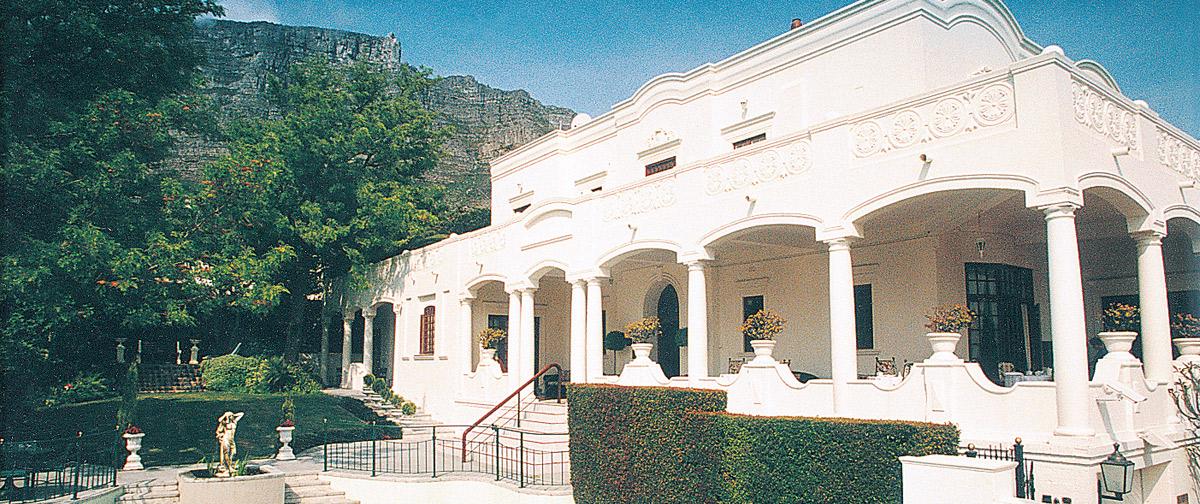
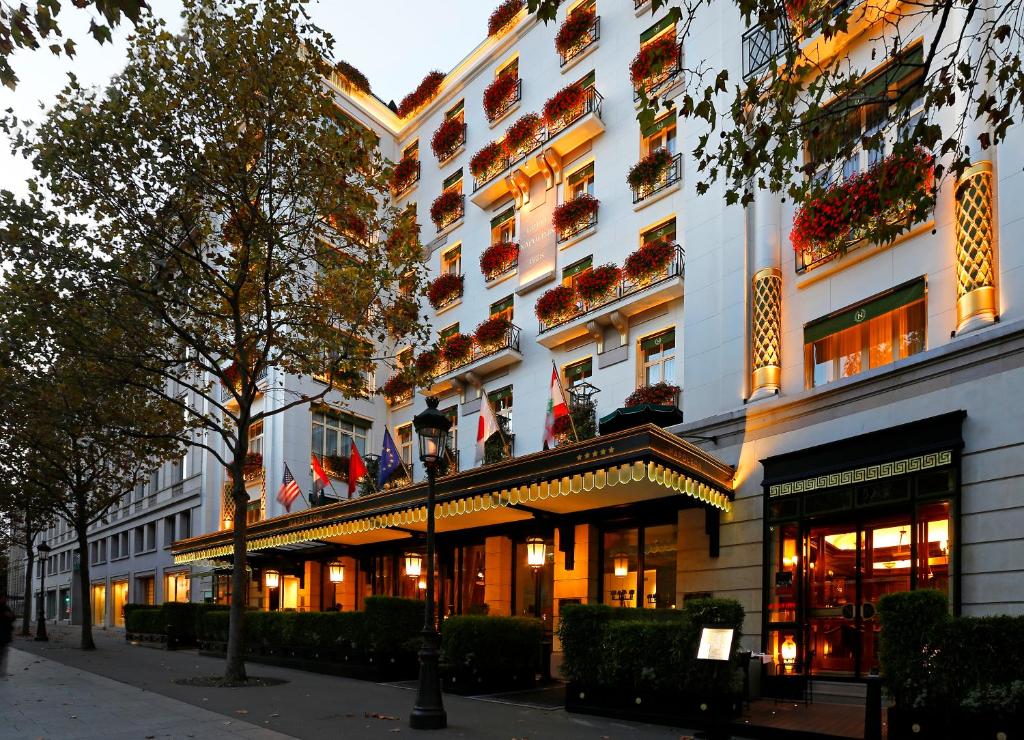
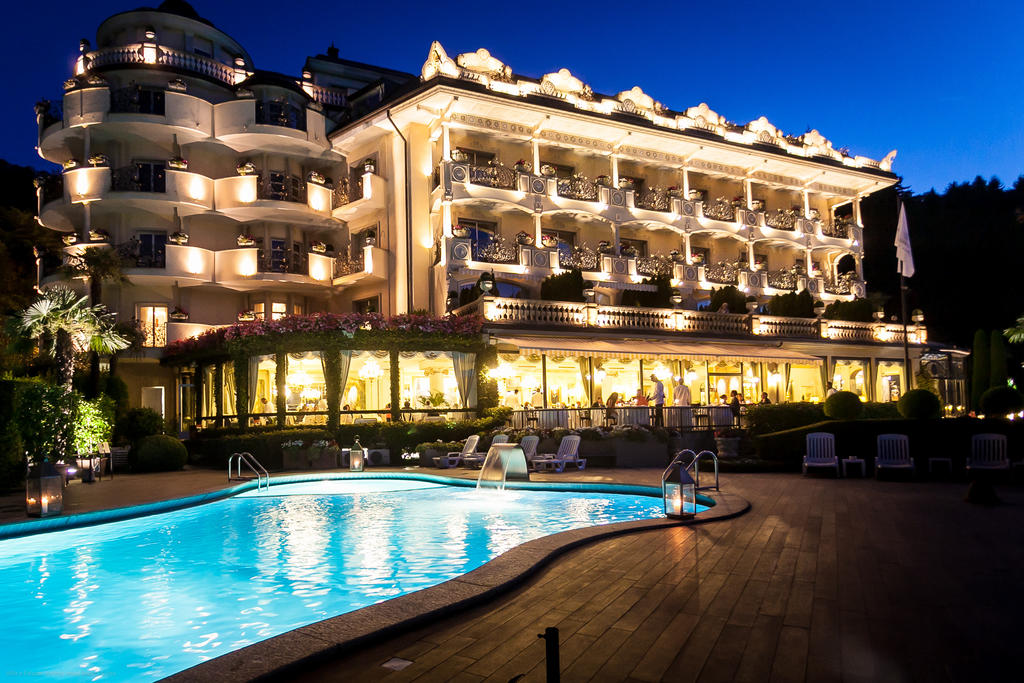
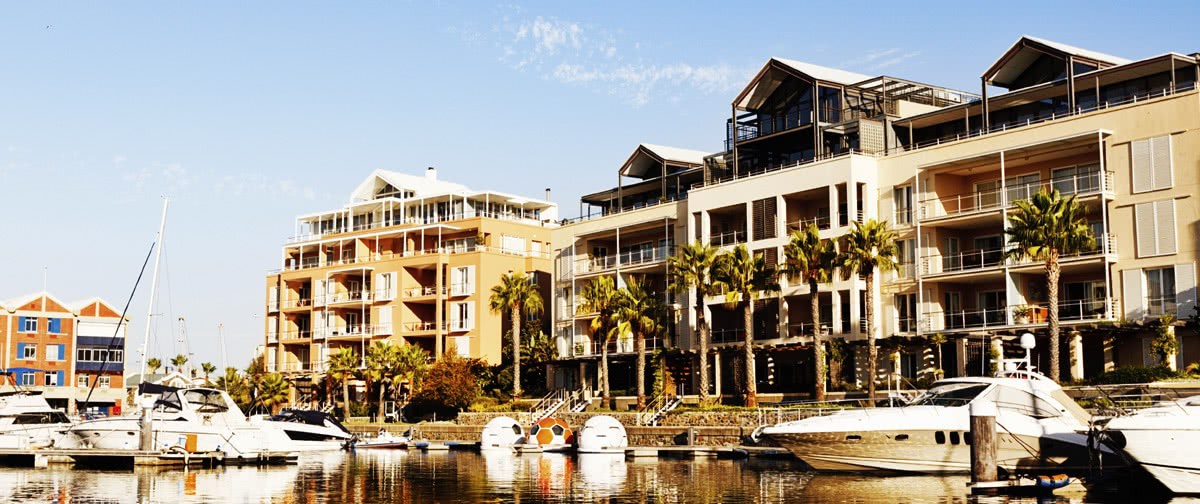
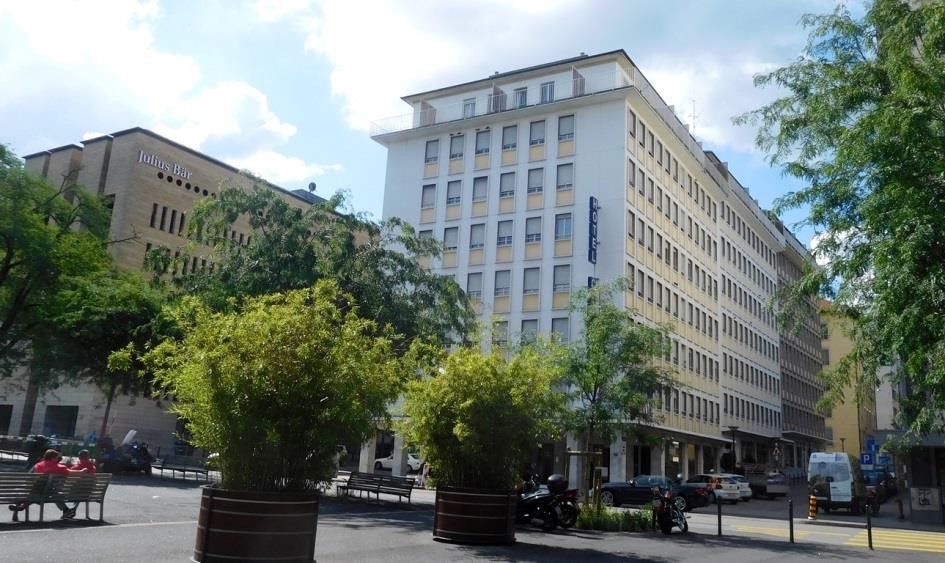
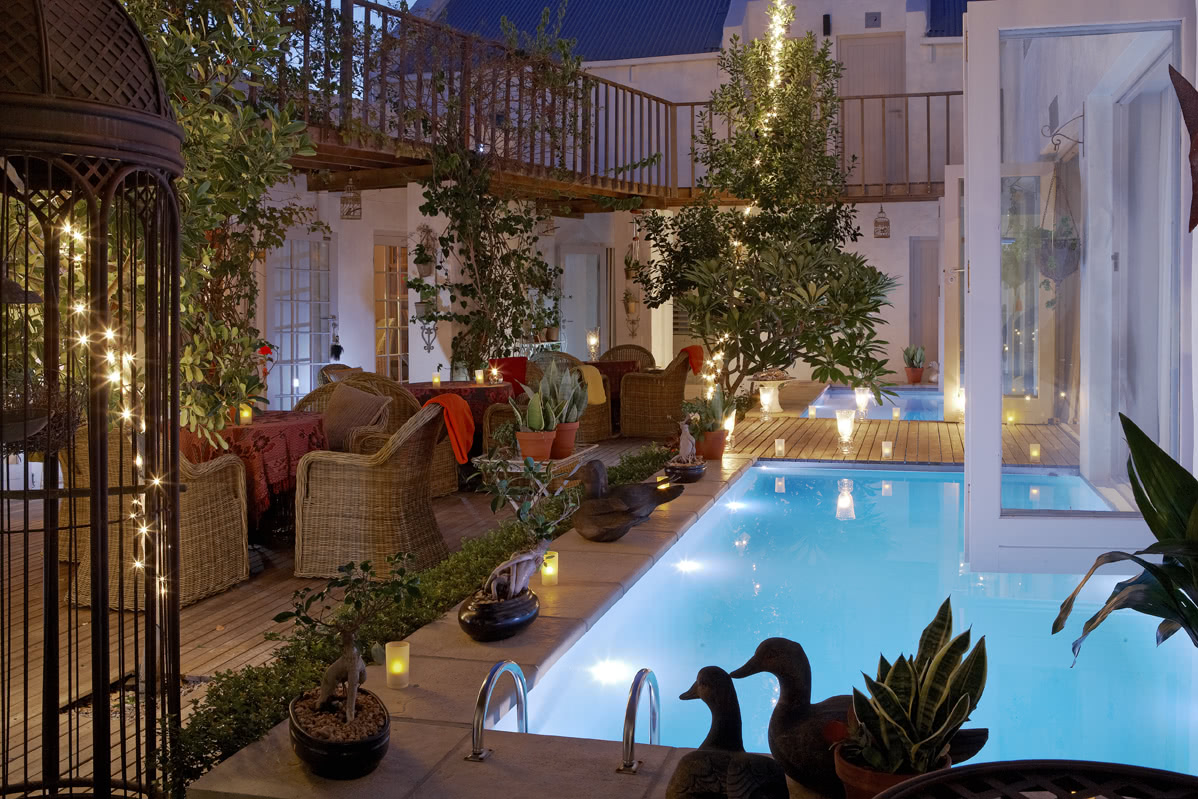
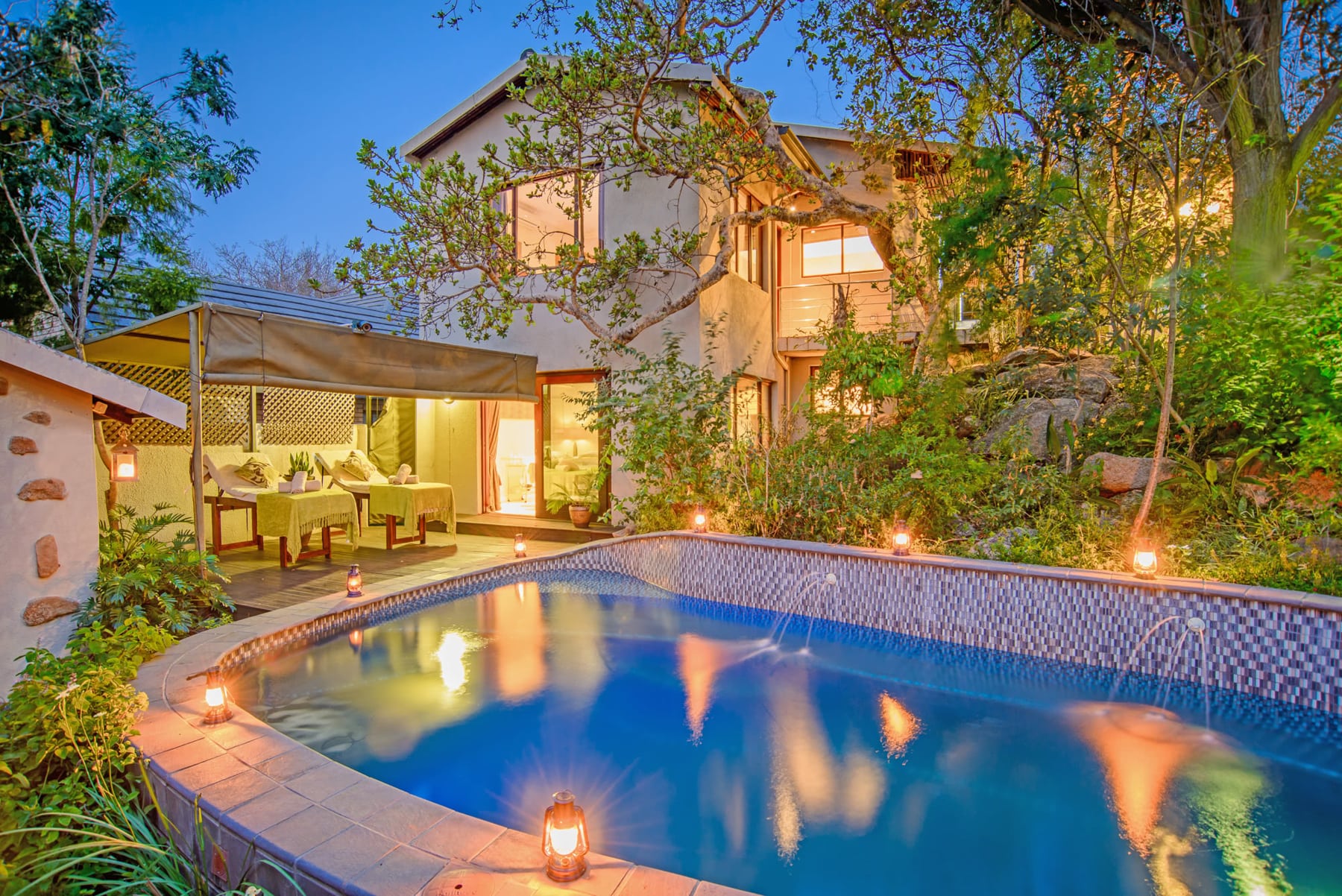
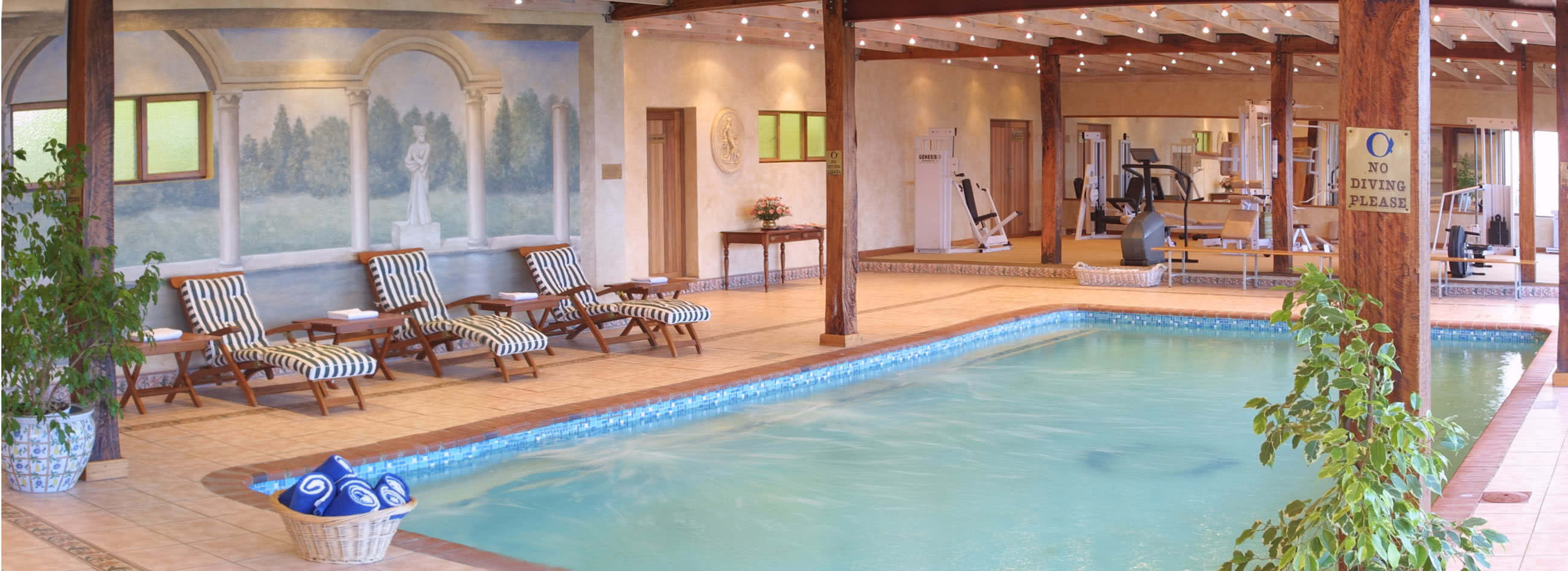
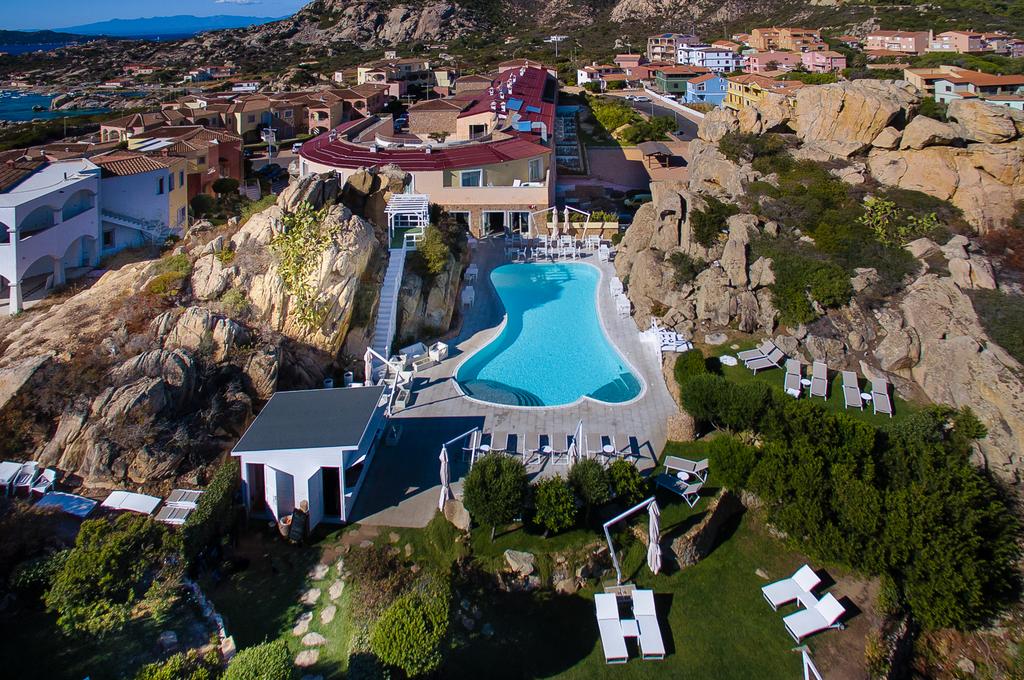
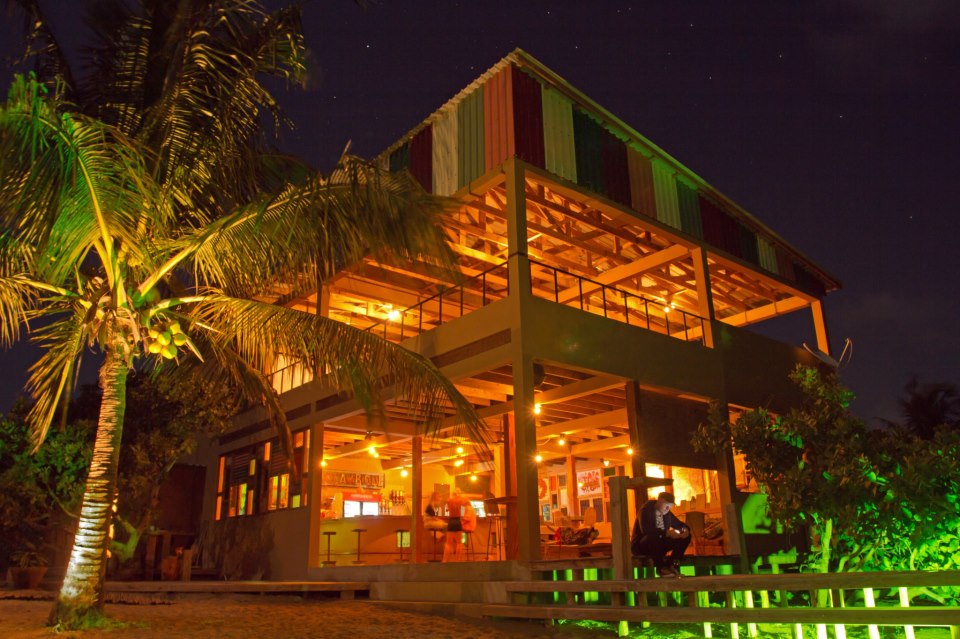
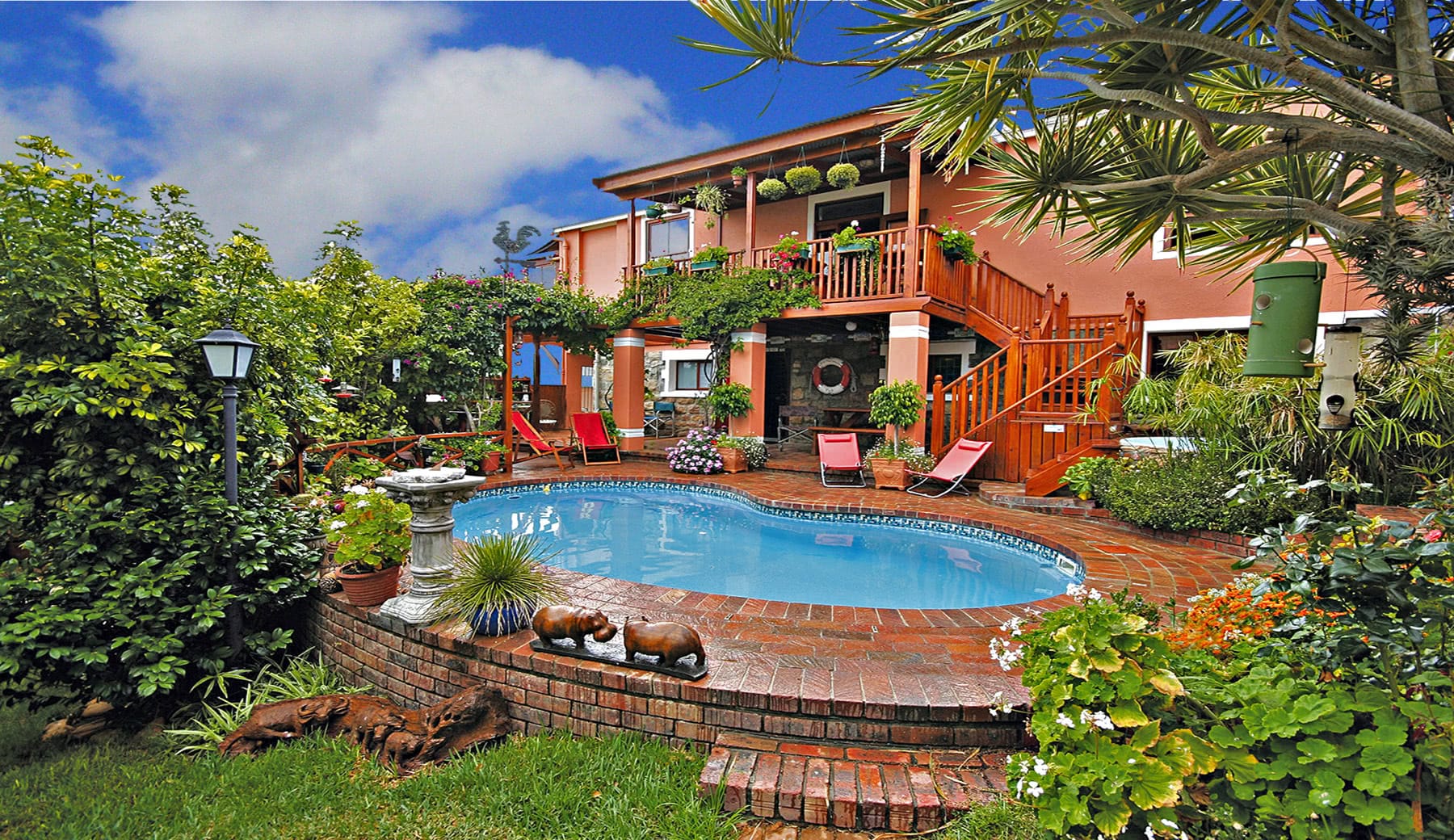
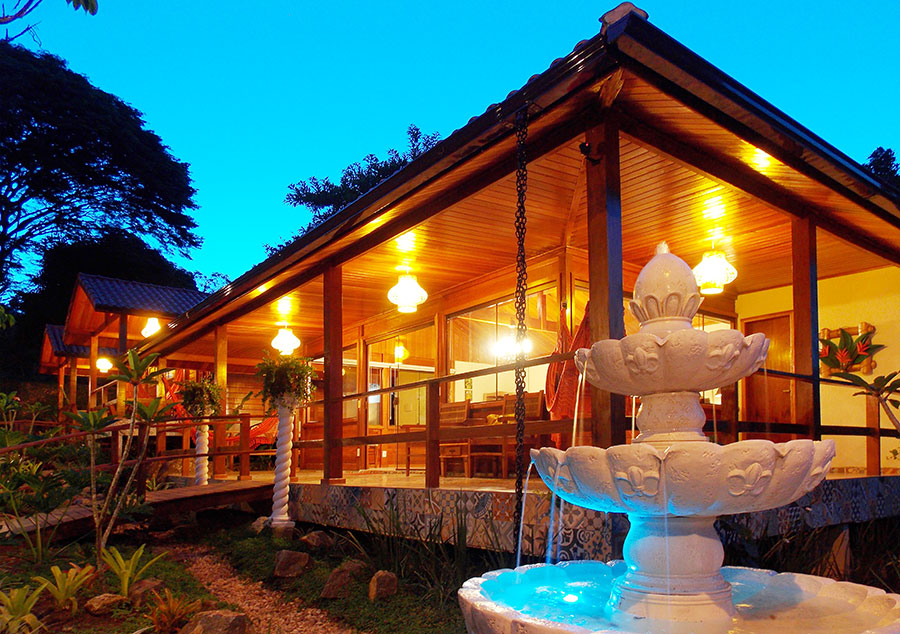
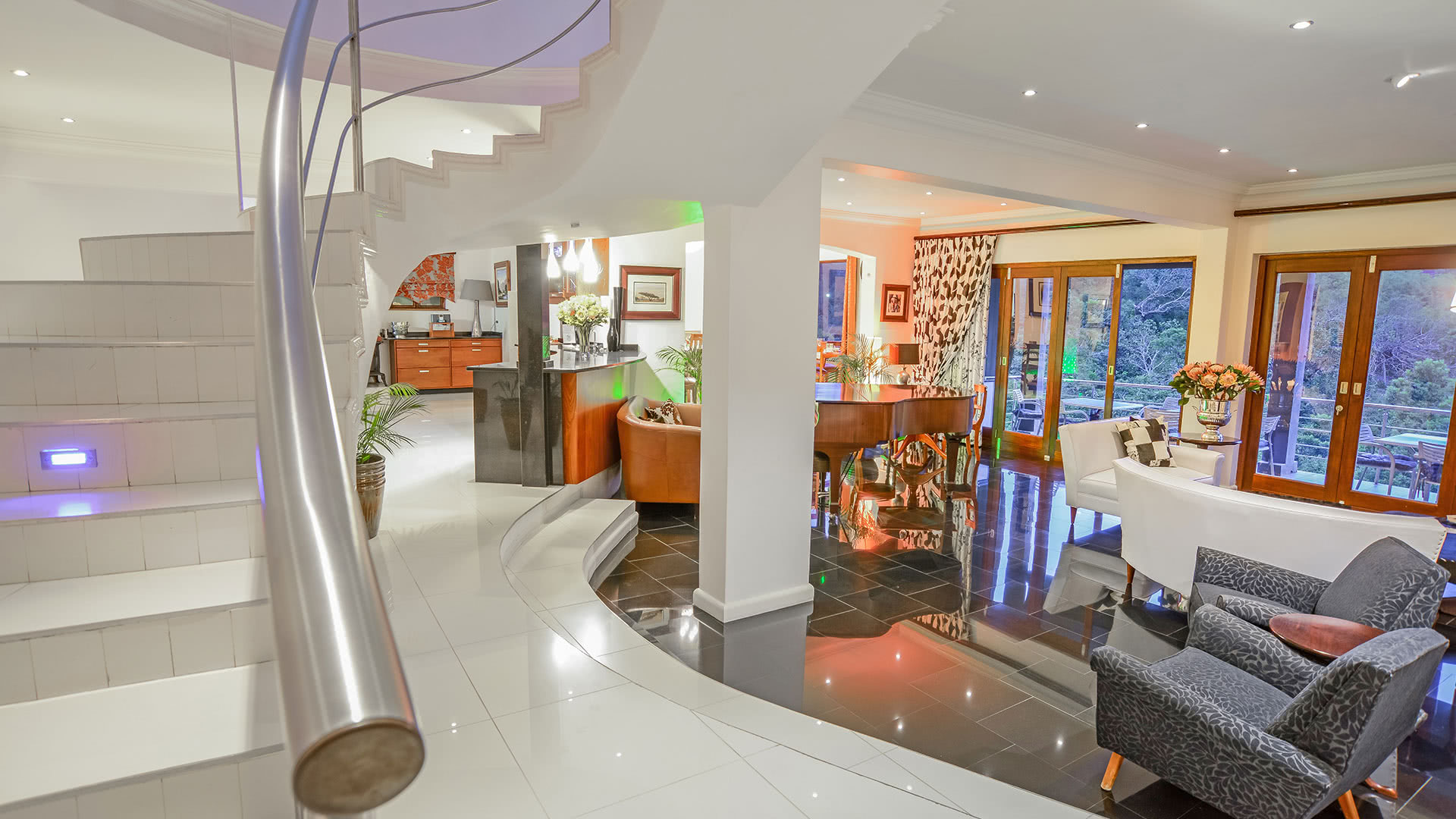
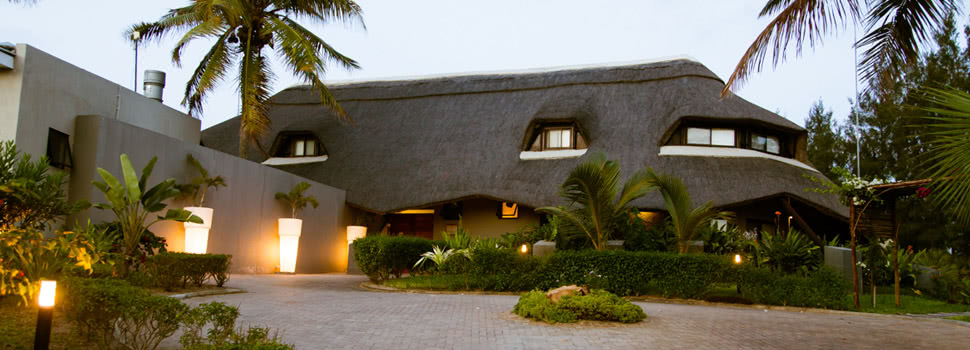
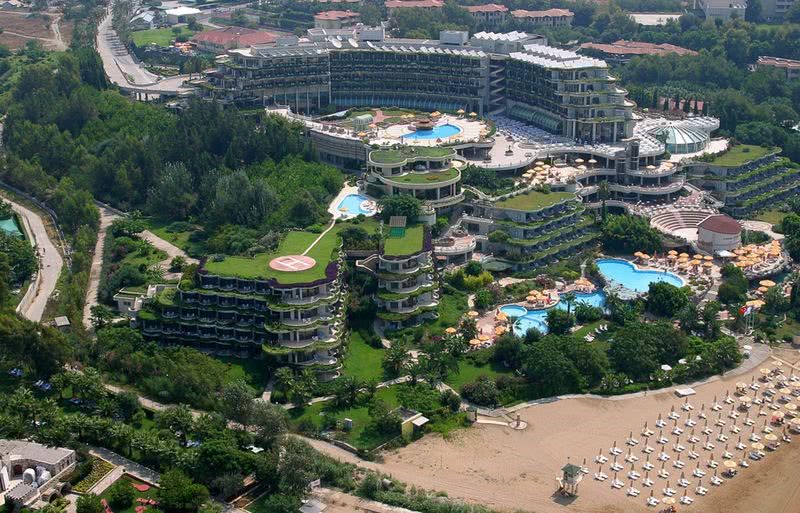
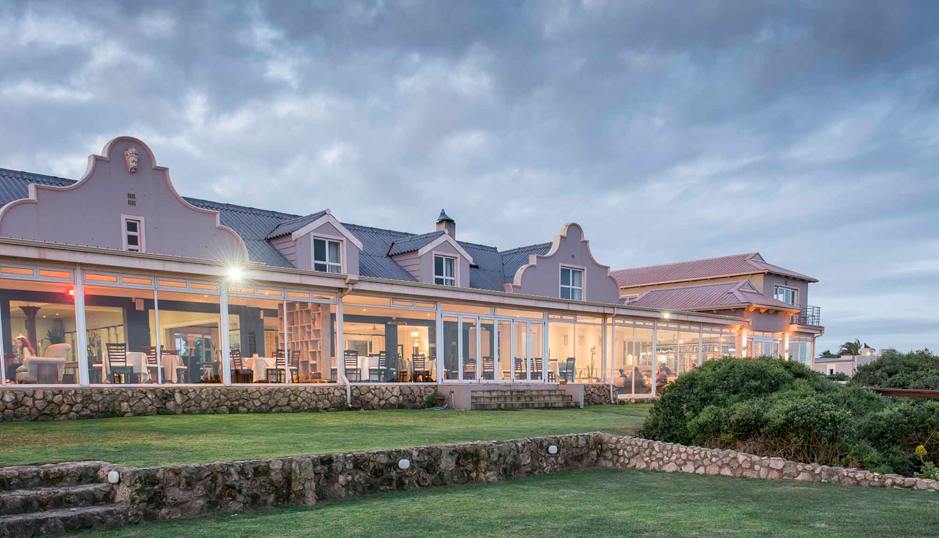
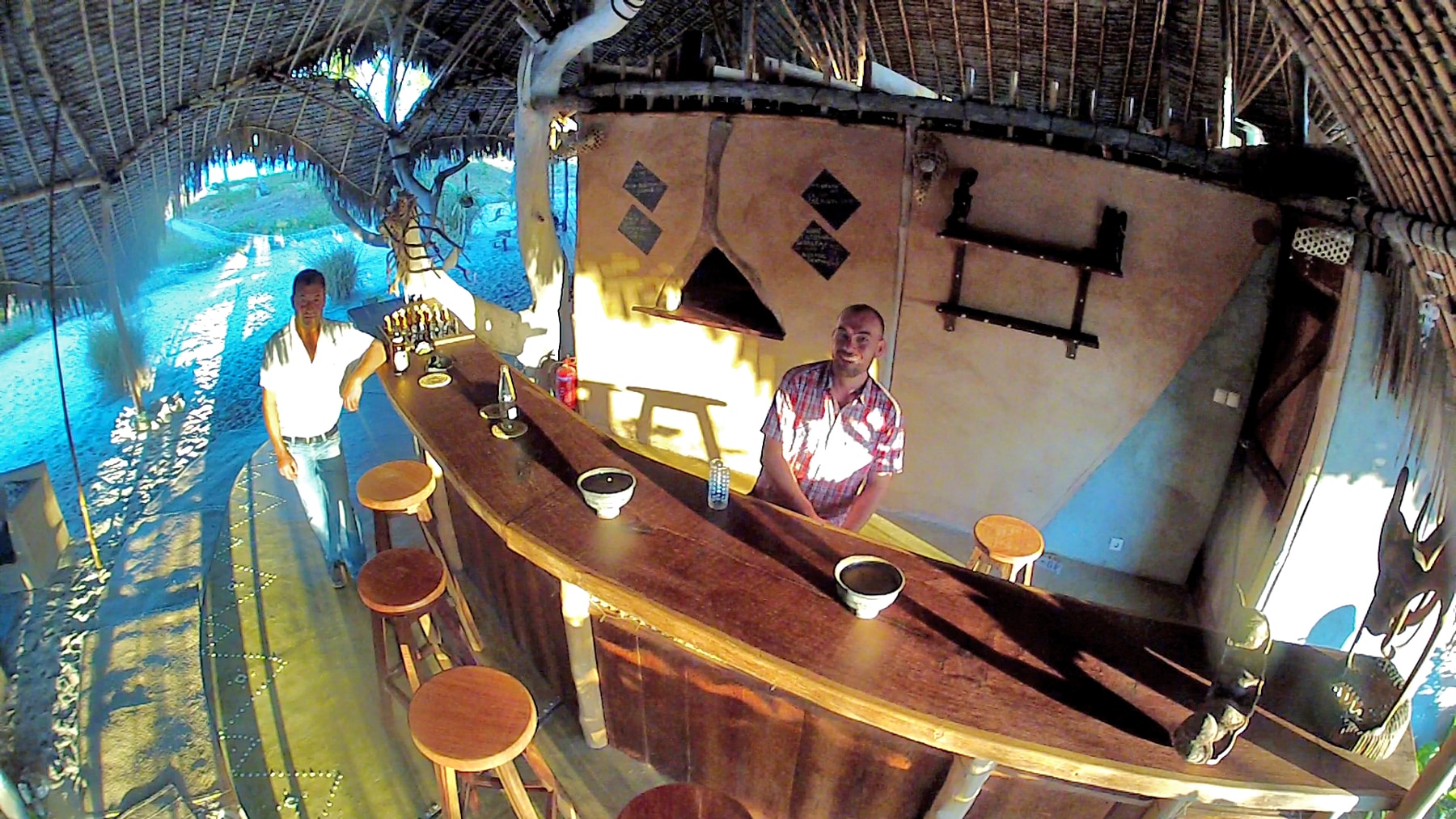
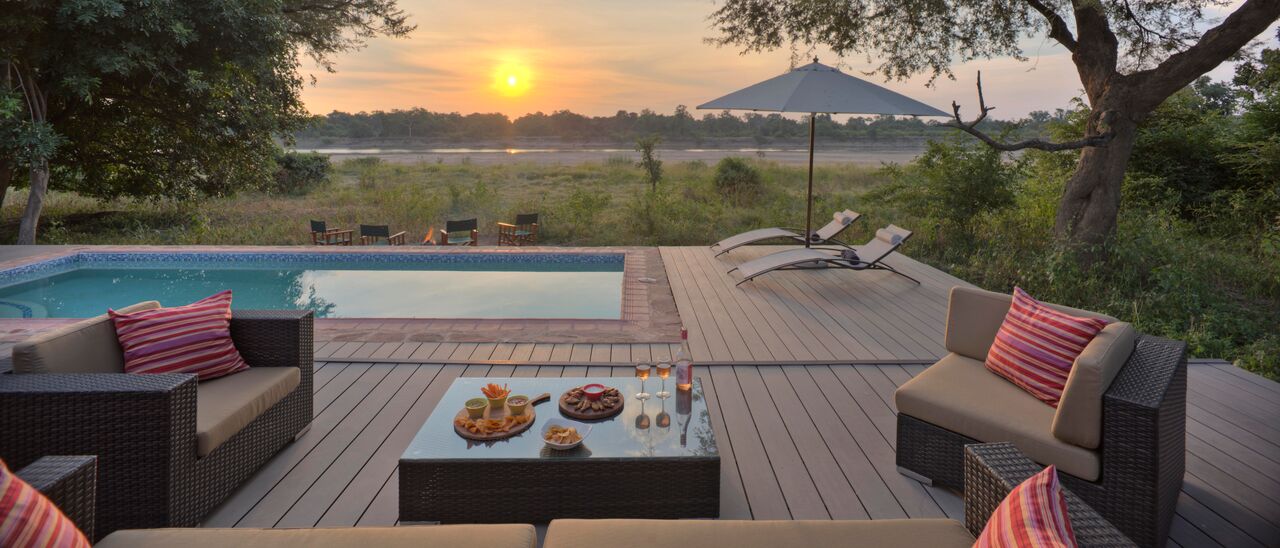
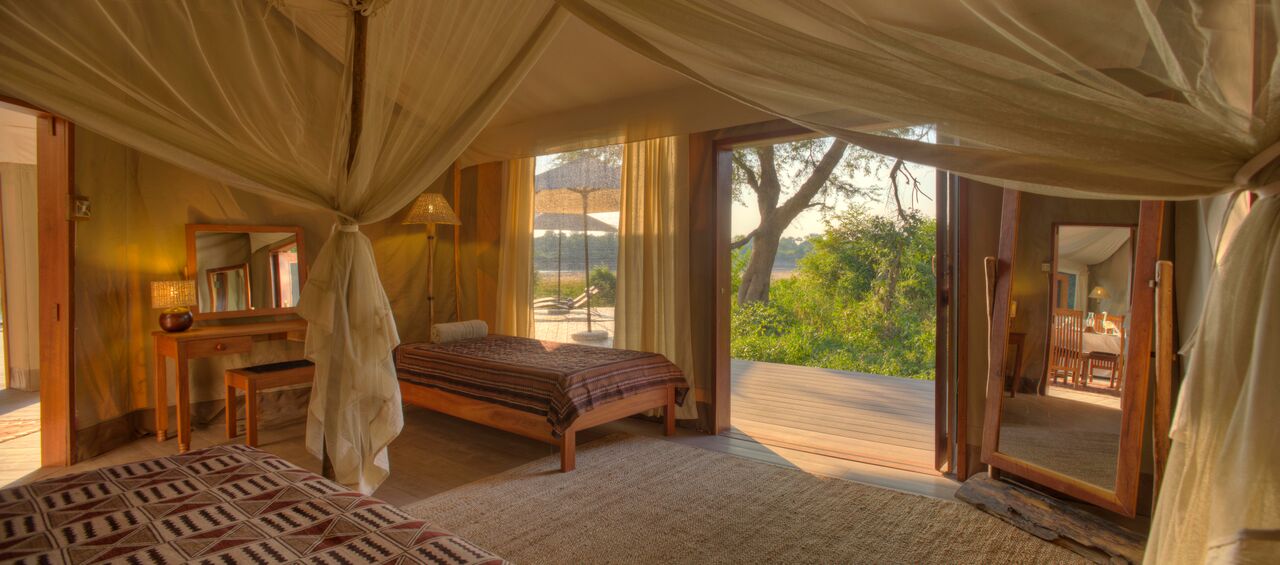
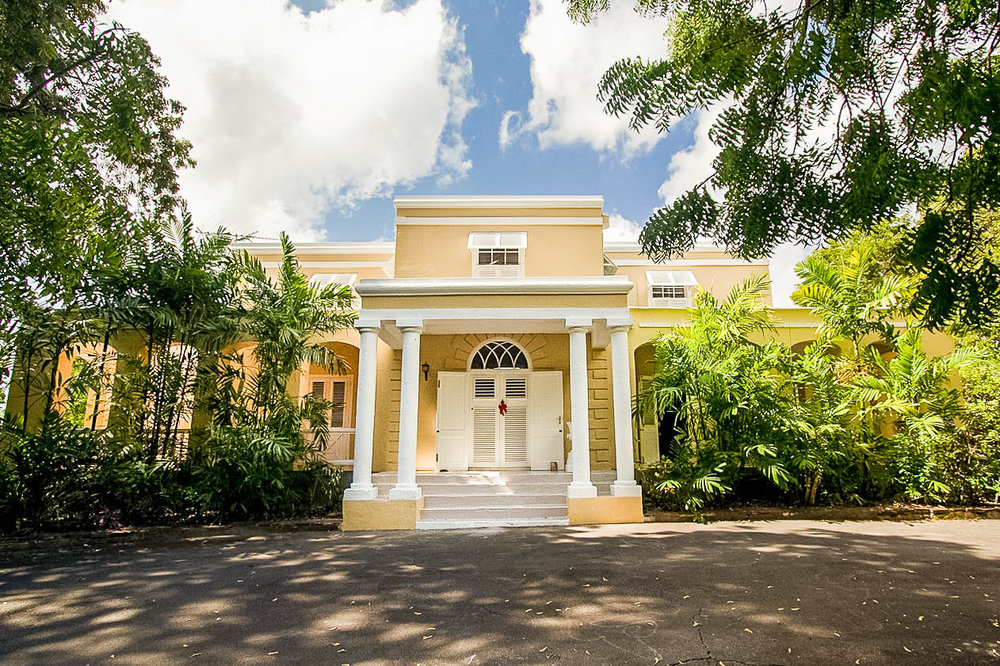
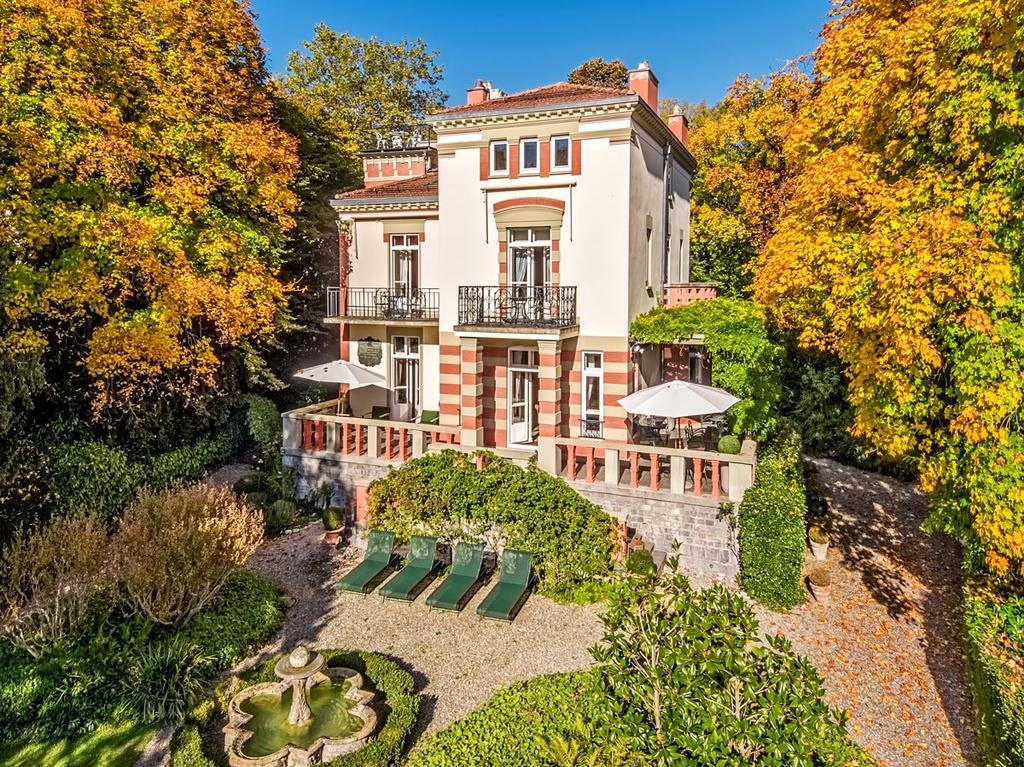
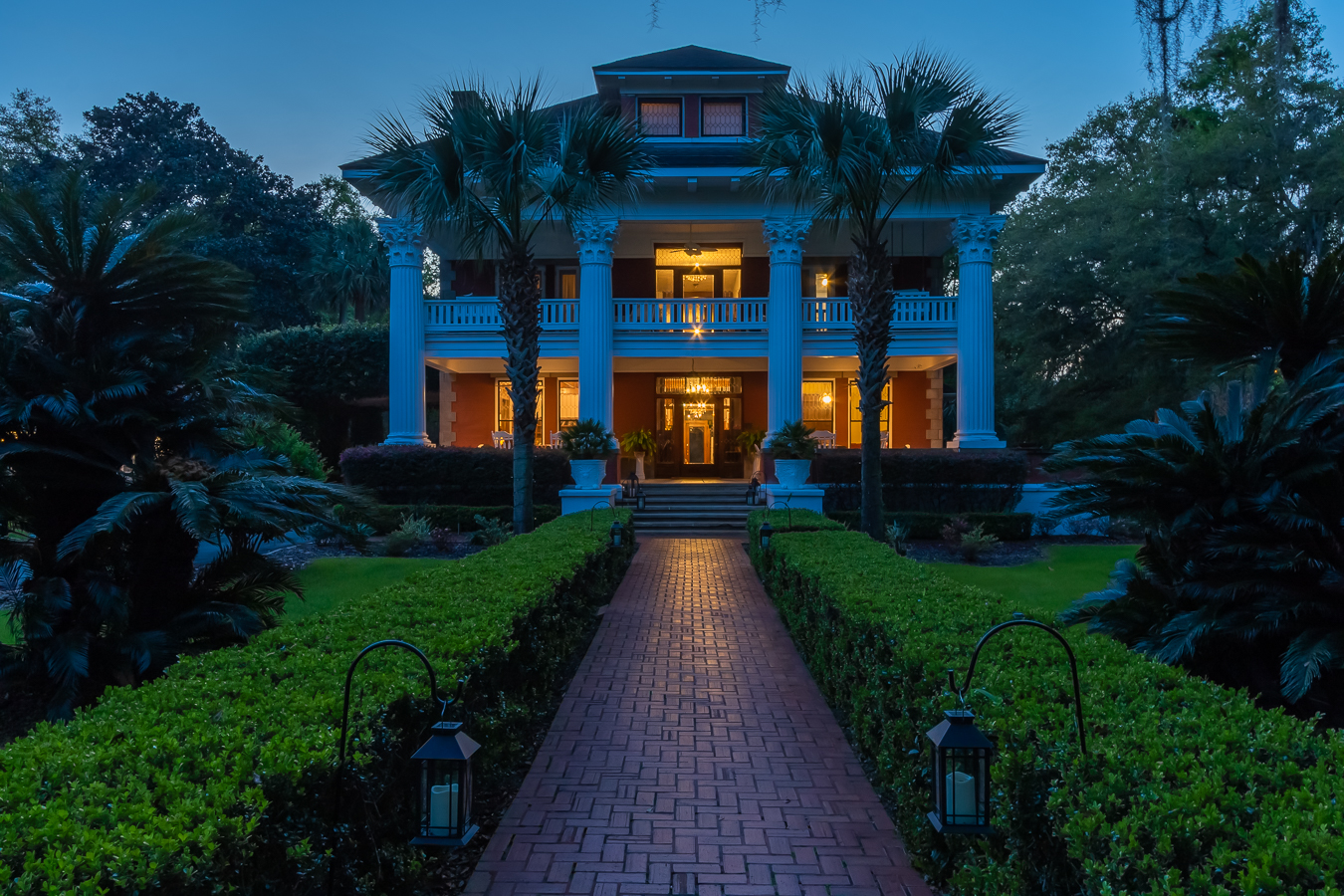
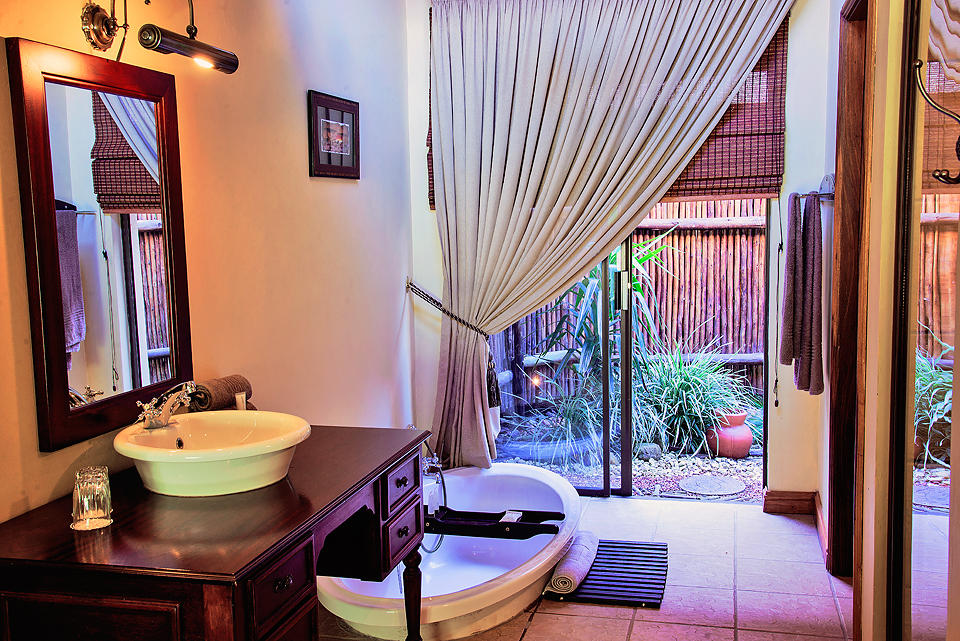
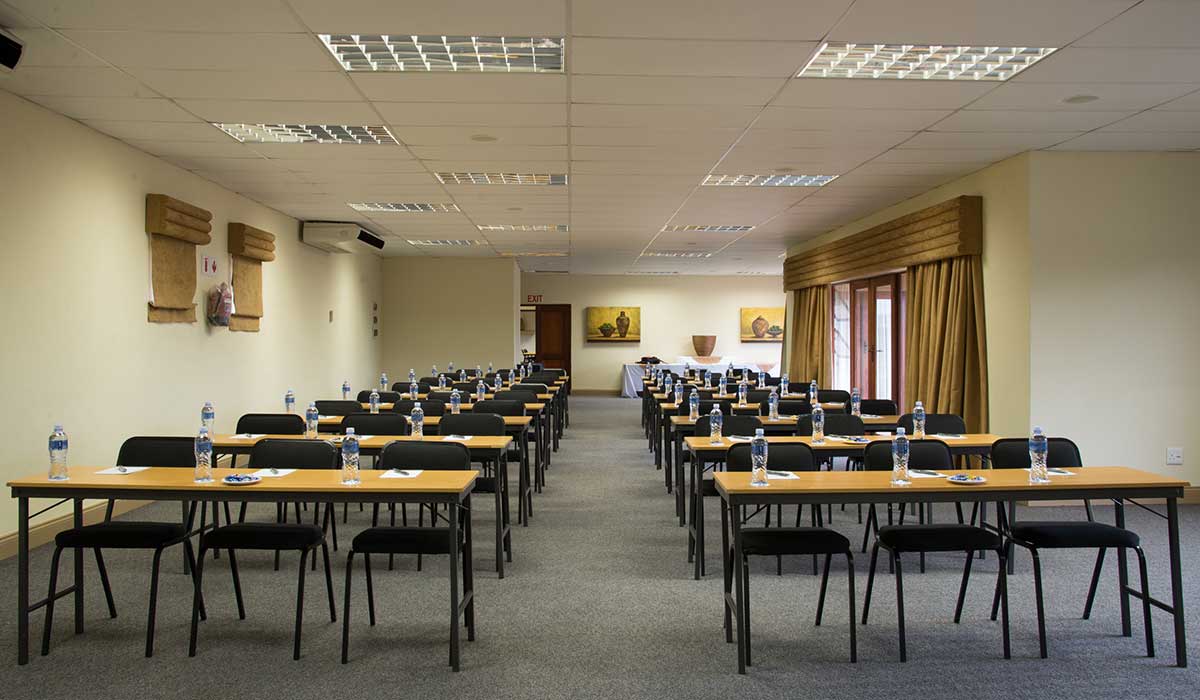
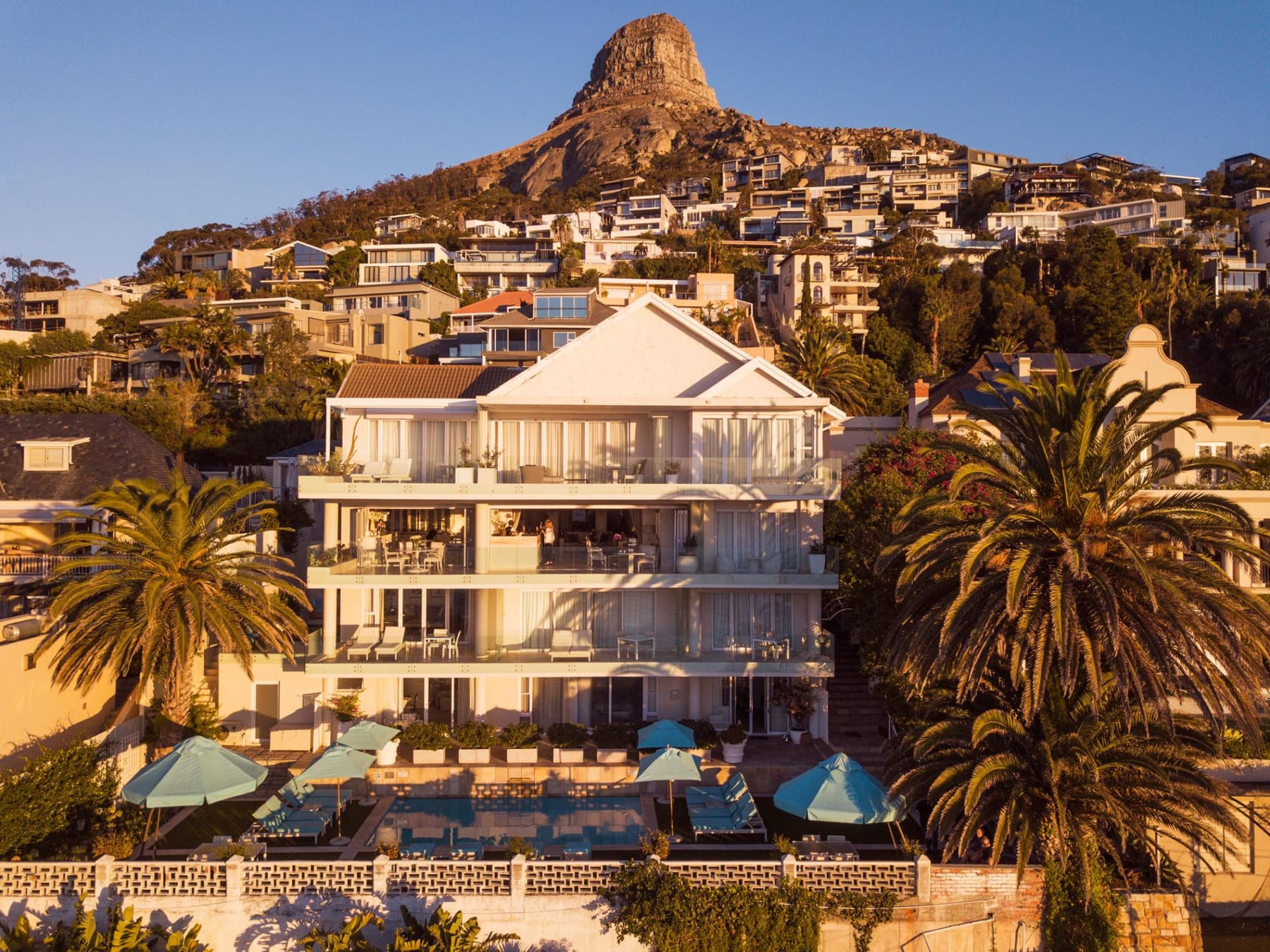
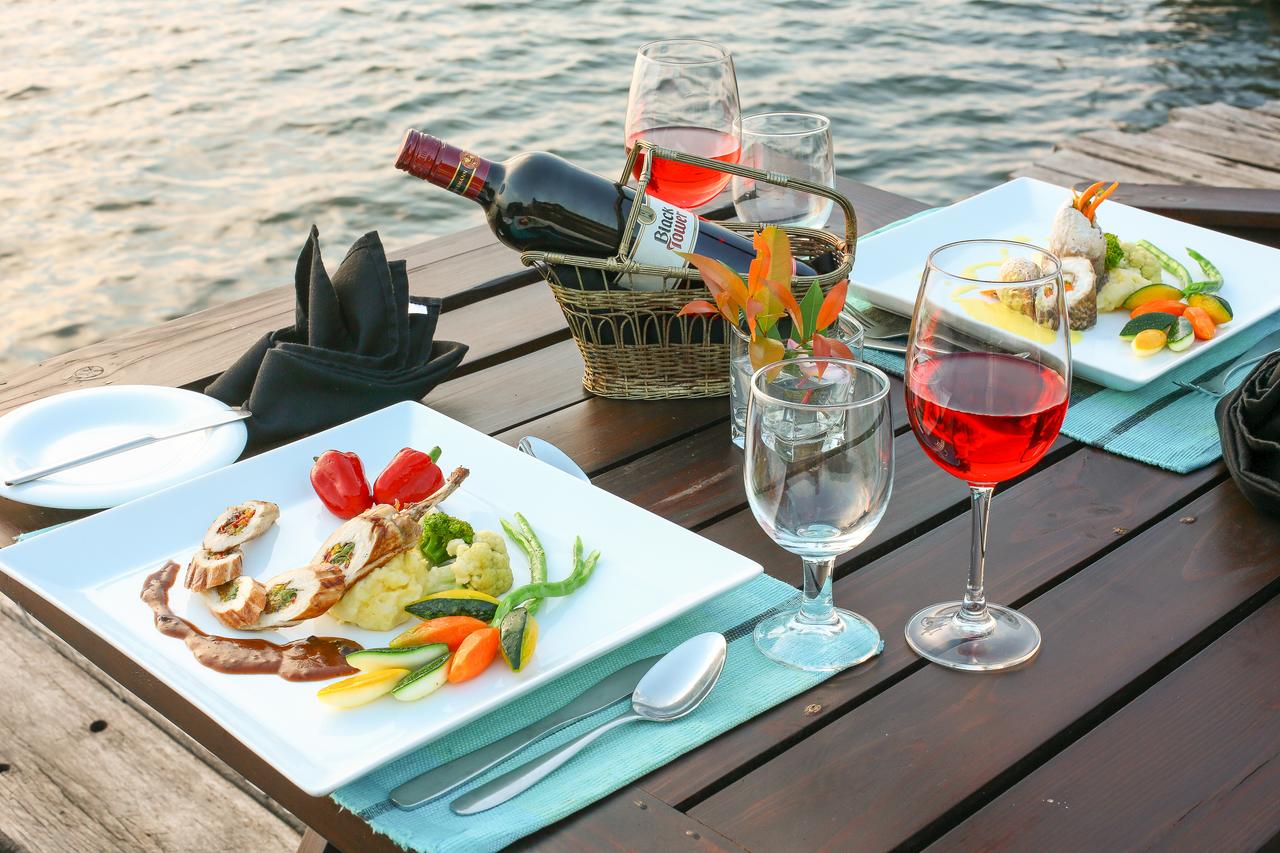
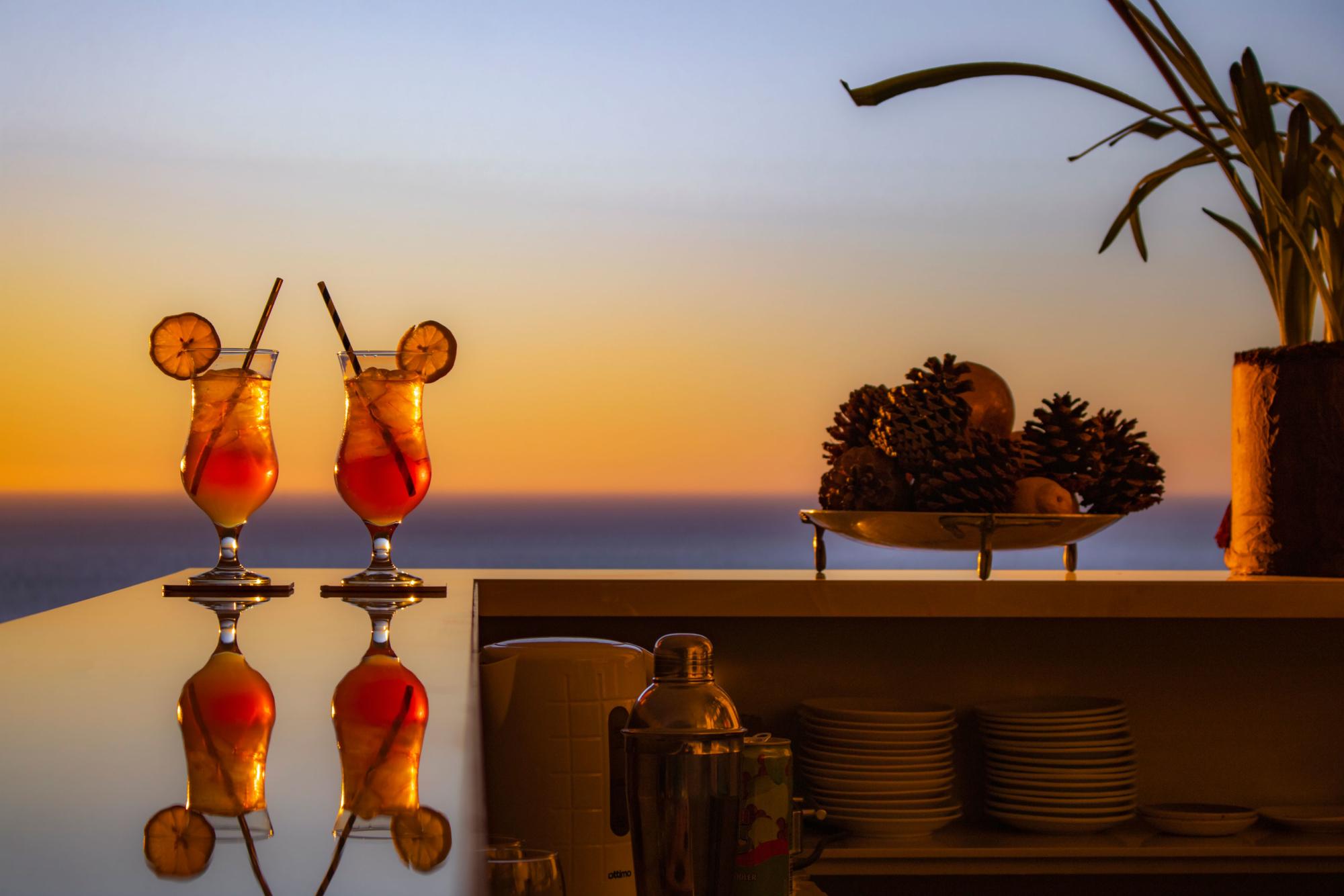
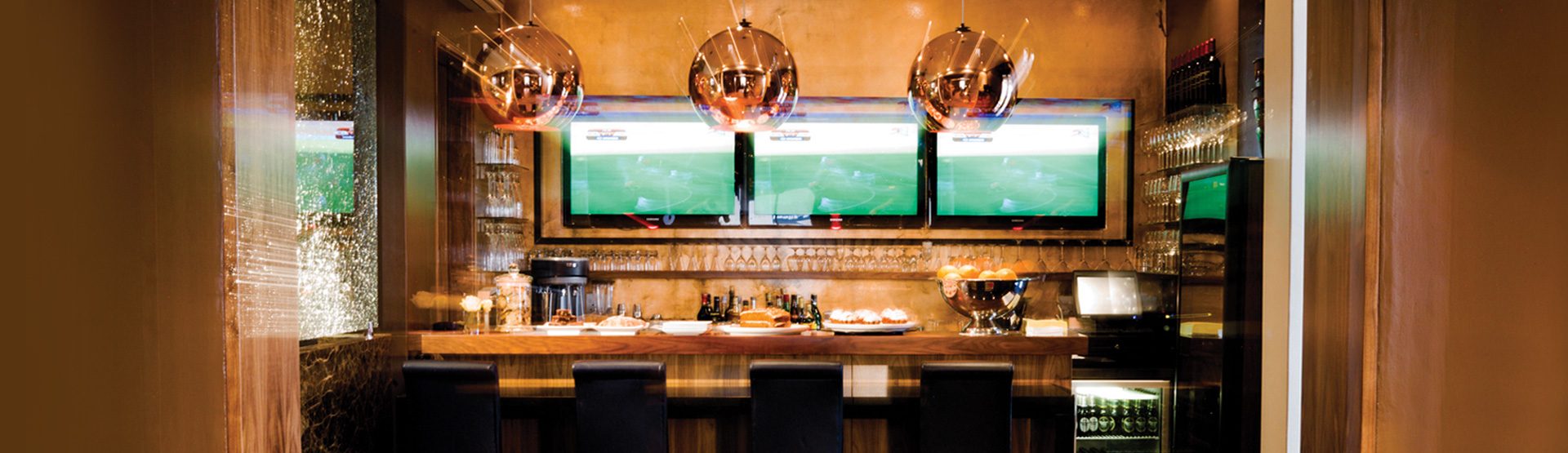
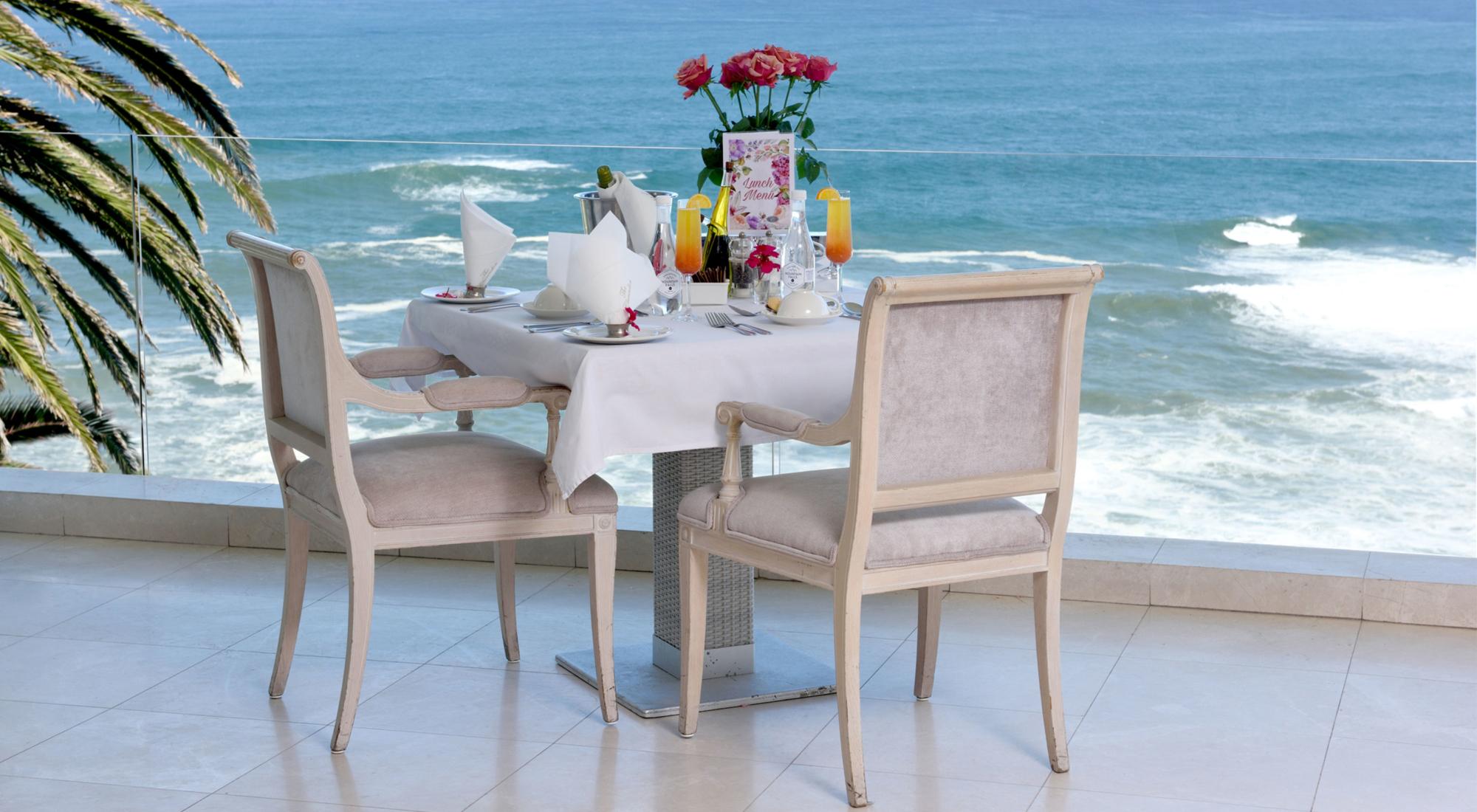
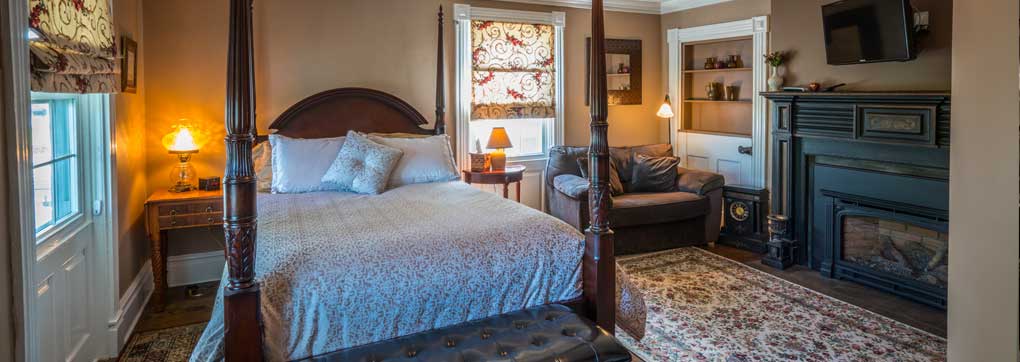
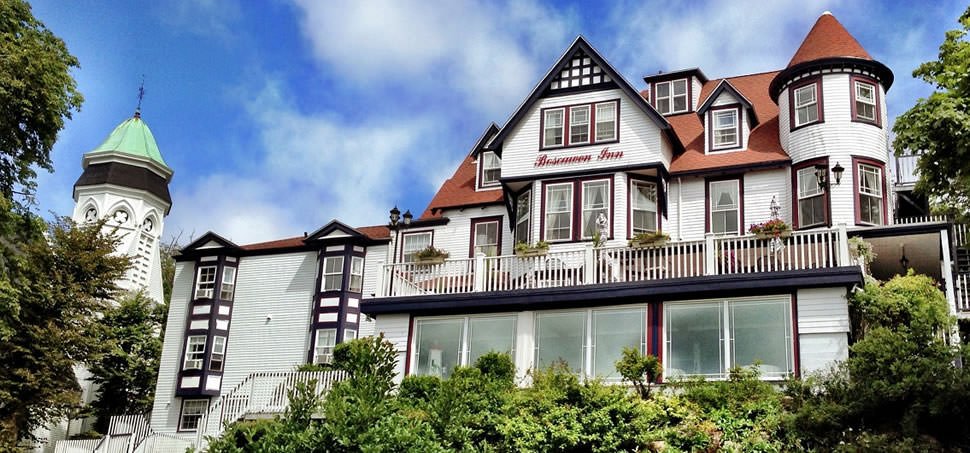
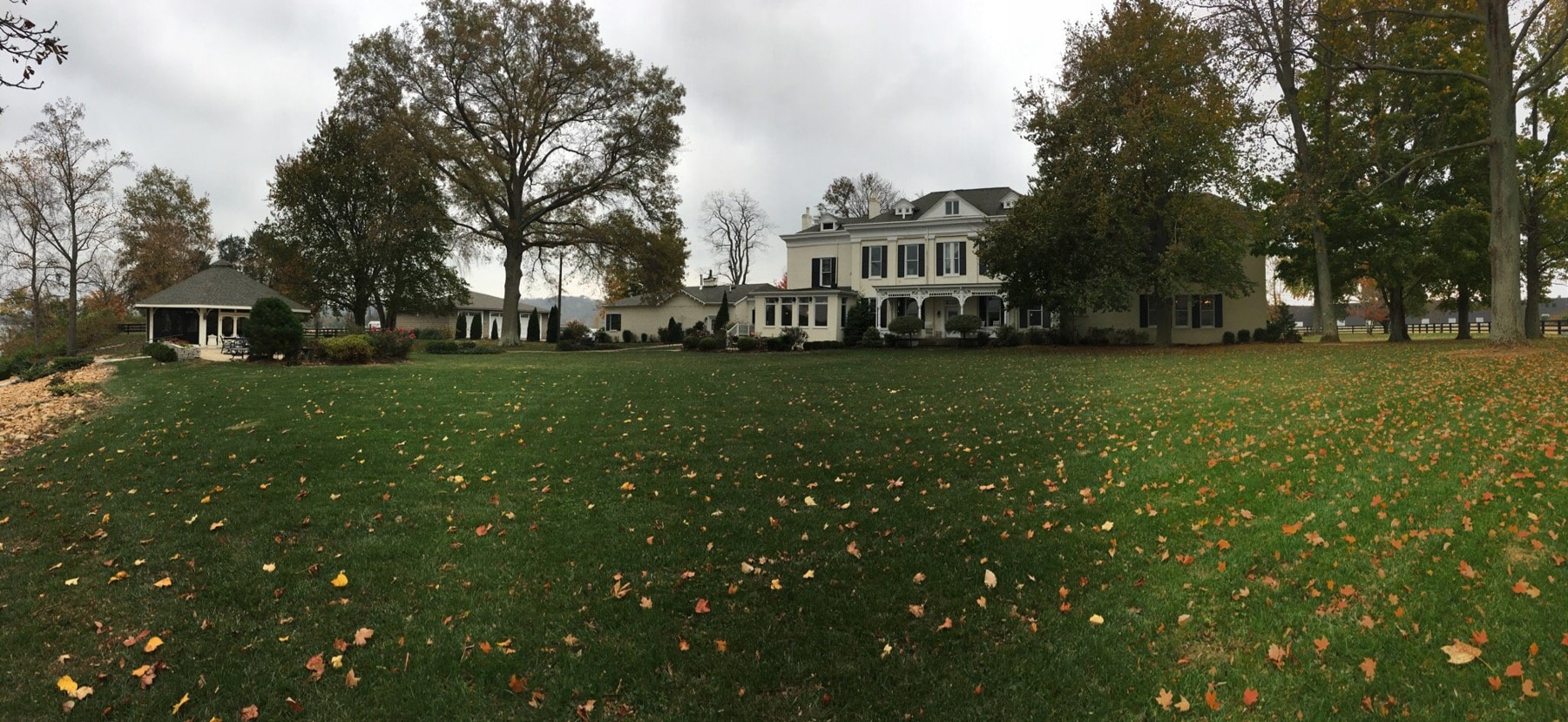
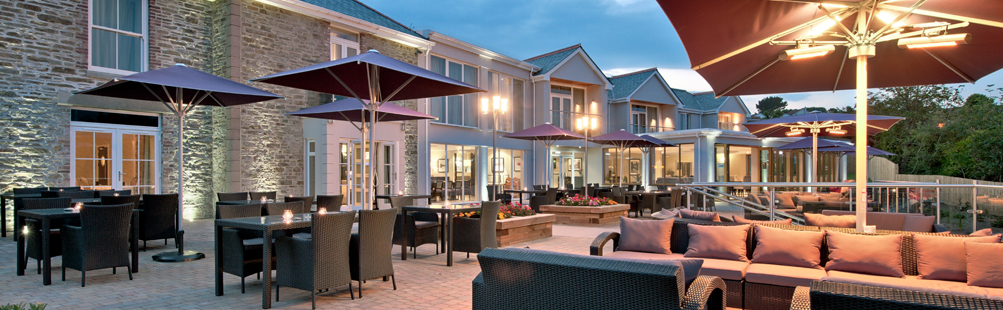
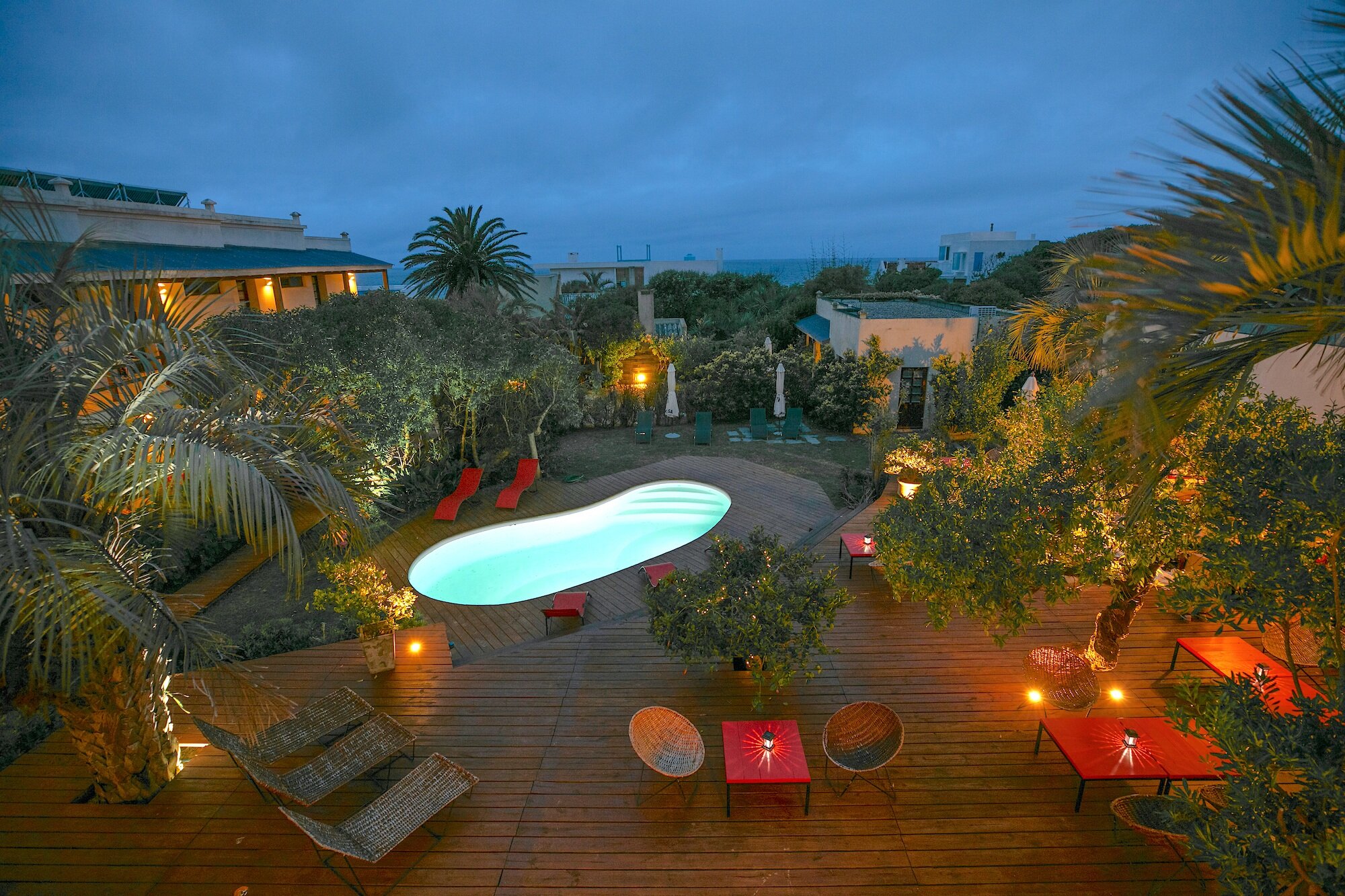
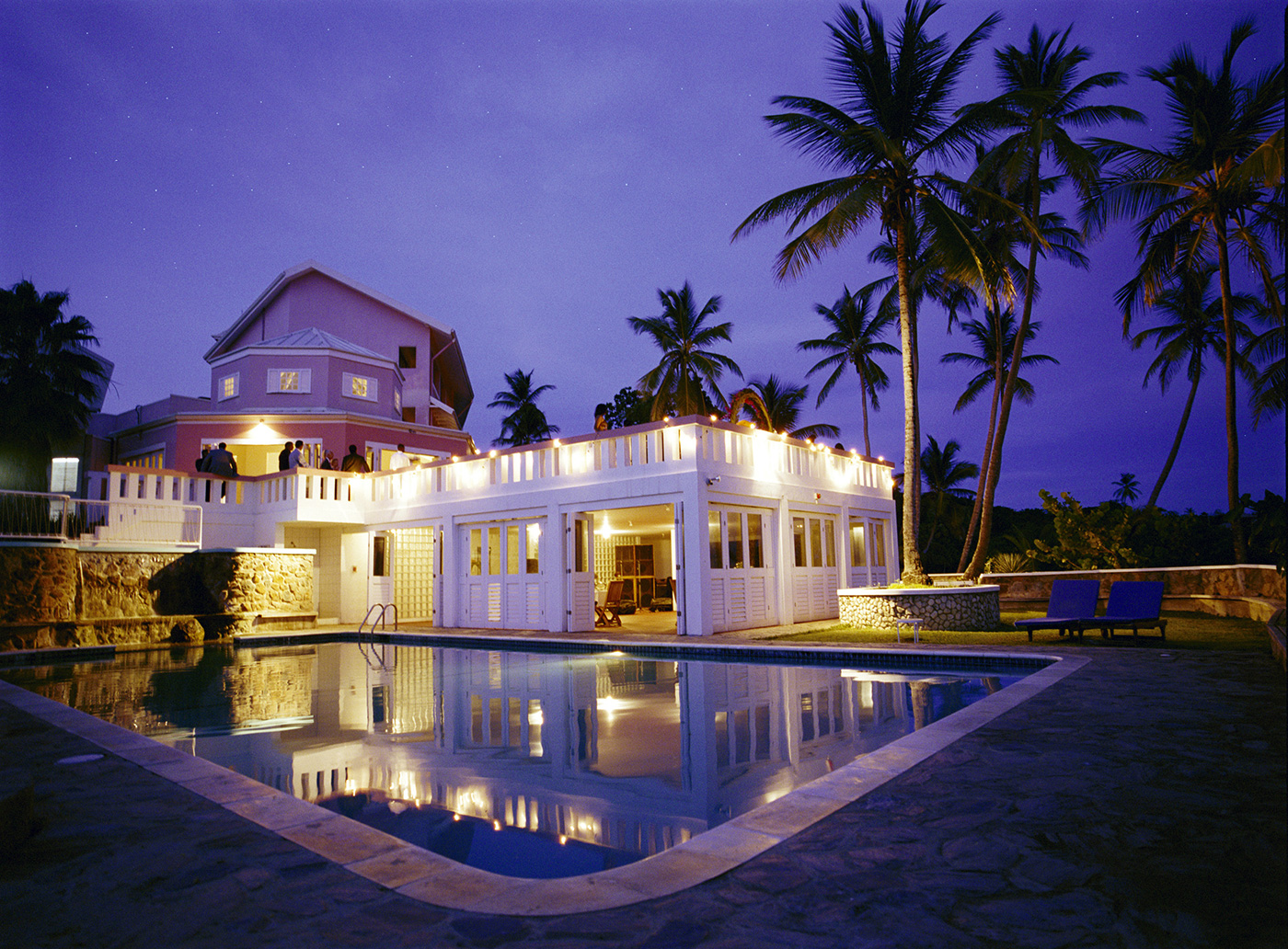
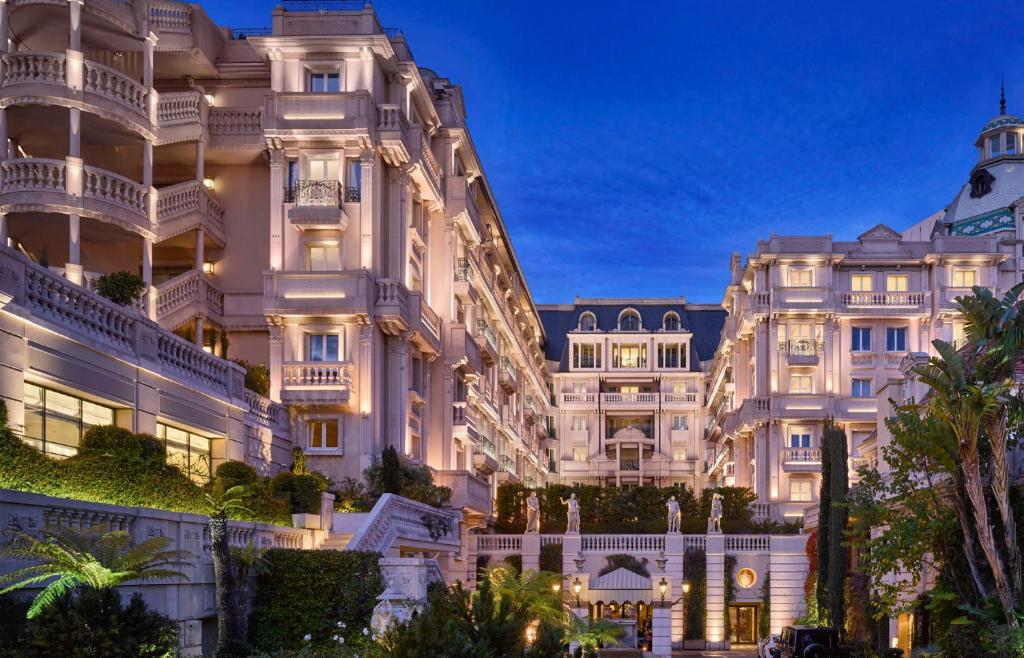
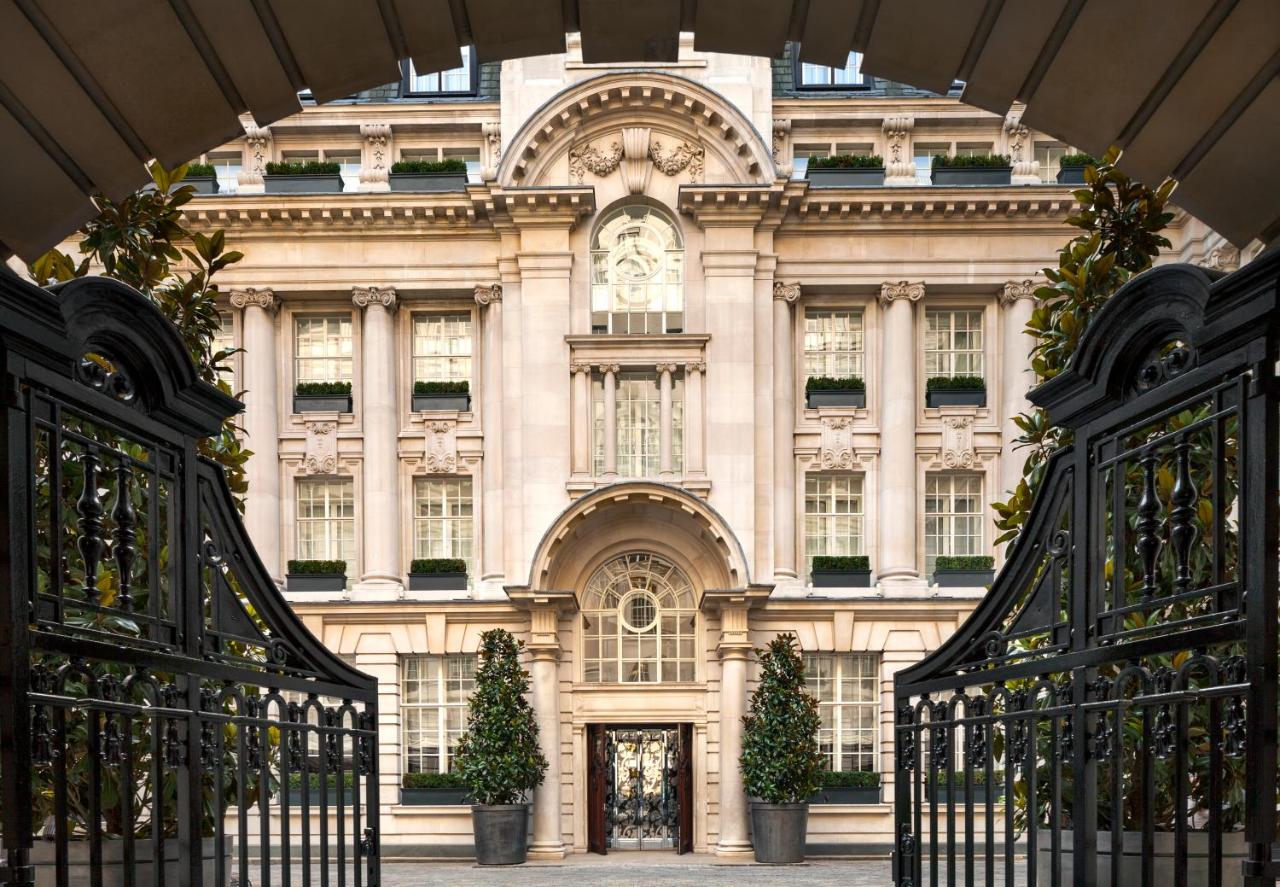
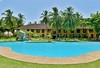
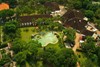
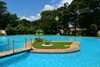
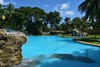
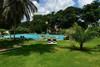
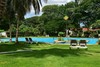
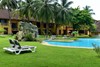
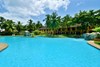
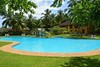
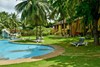
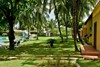
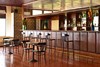
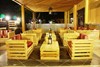
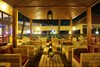
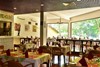
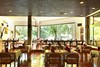
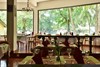
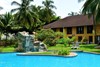
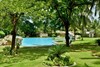
The hotel has several gardens with tropical trees where you will find a swimming pool with a sun loungers area in which to relax. There is also a restaurant, two bars and free car park.
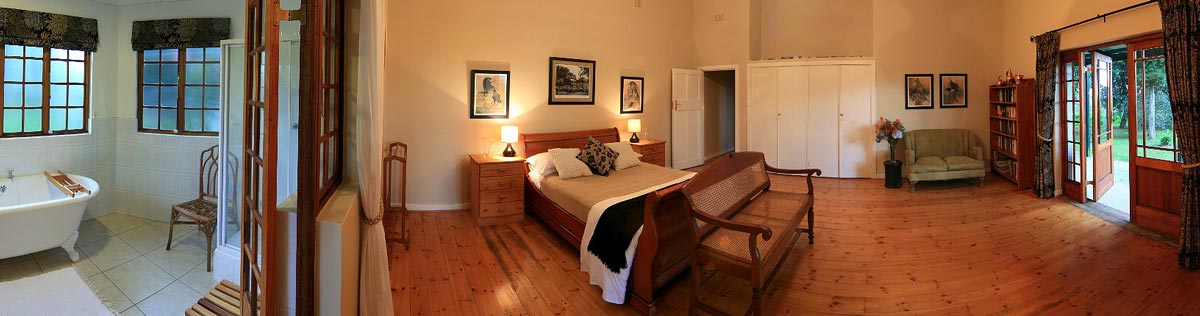
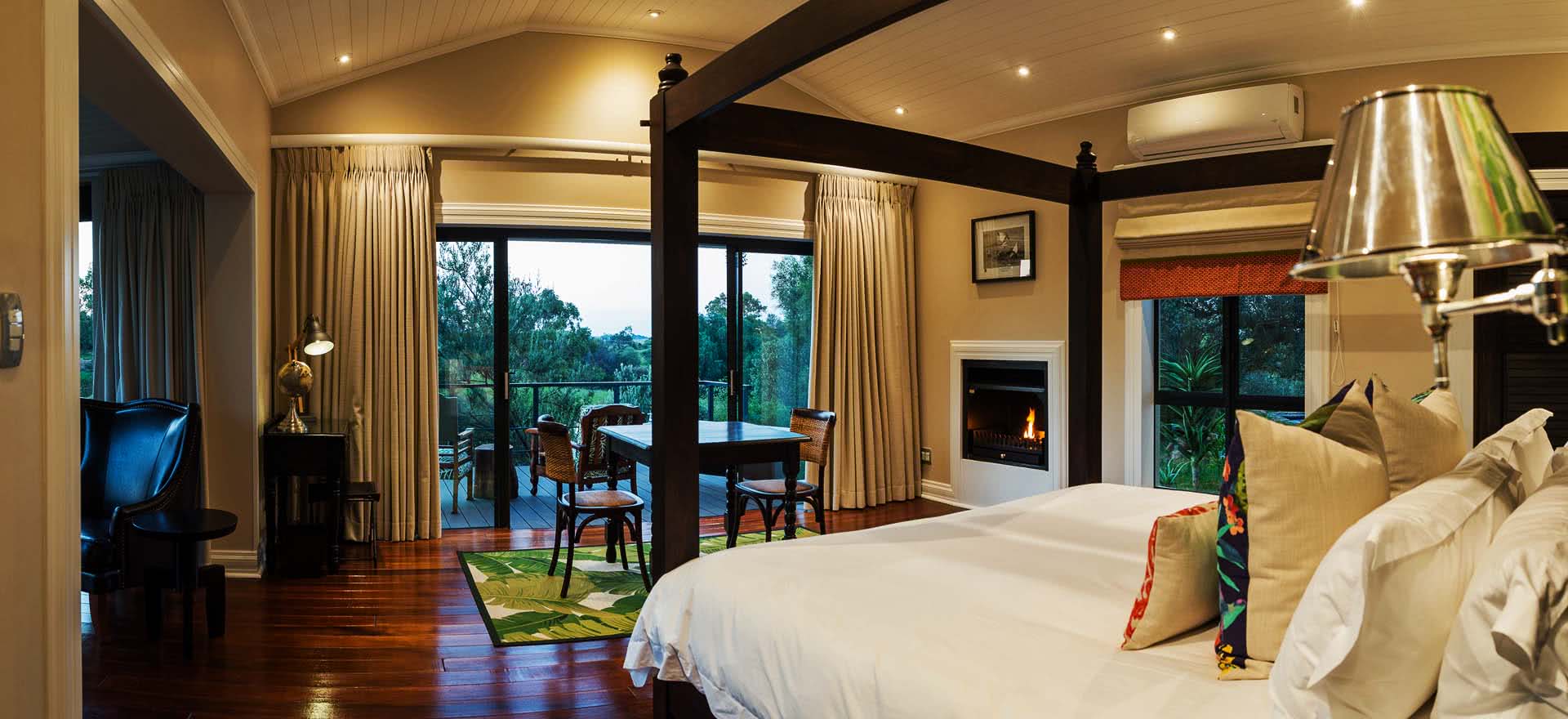
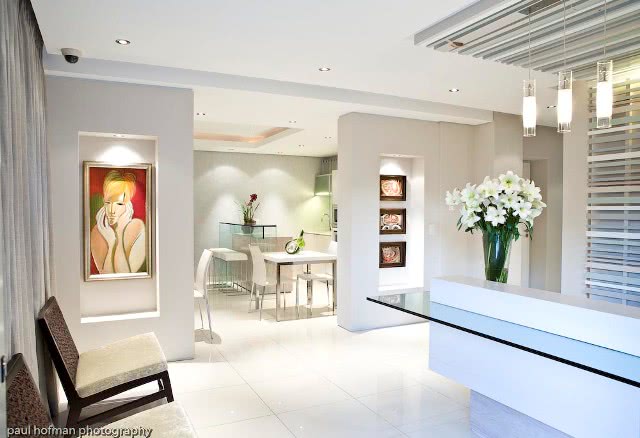
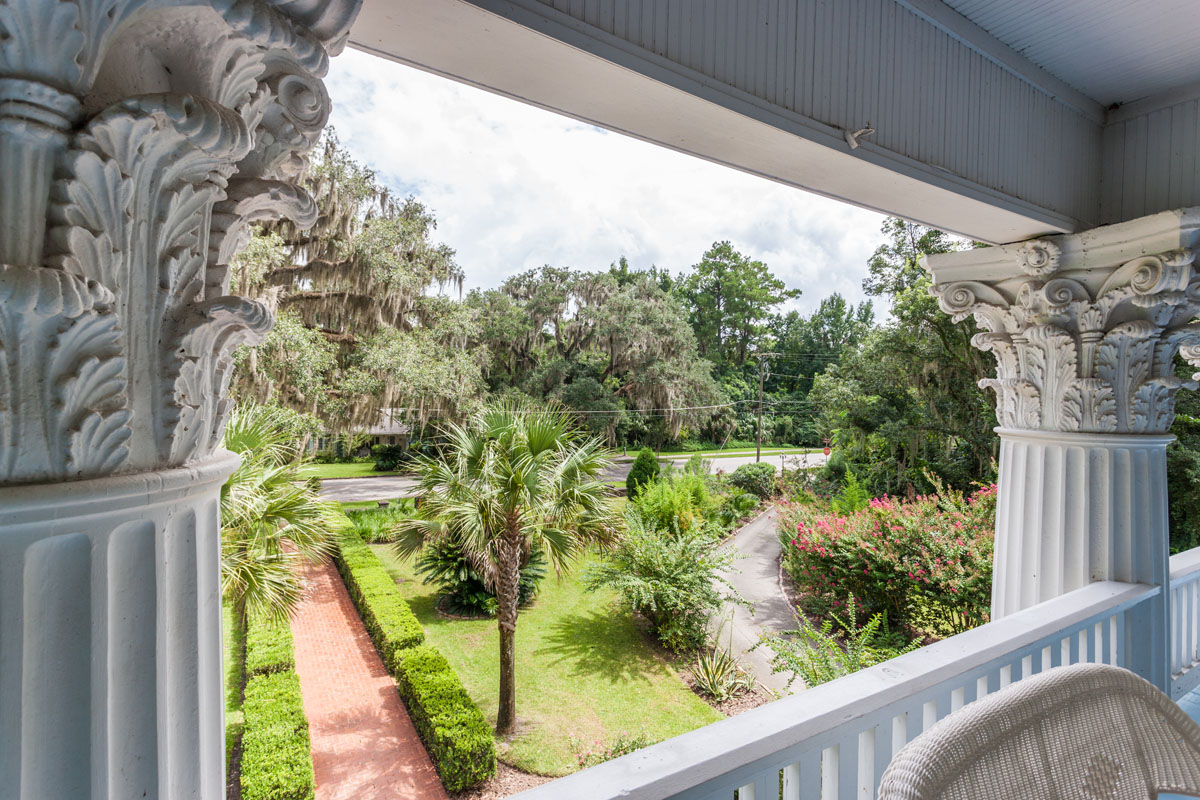
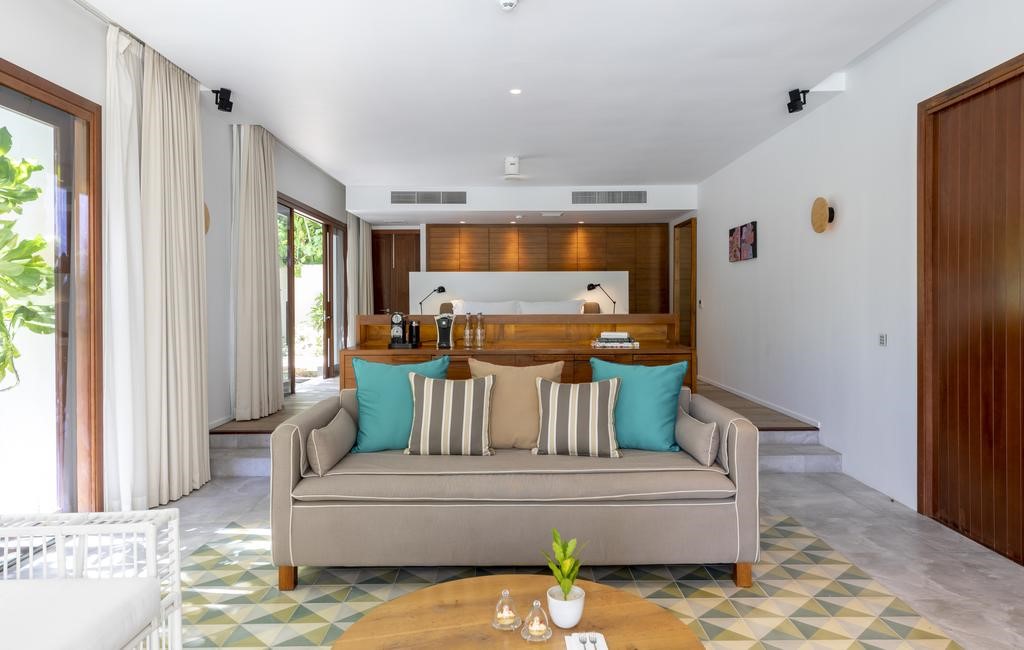
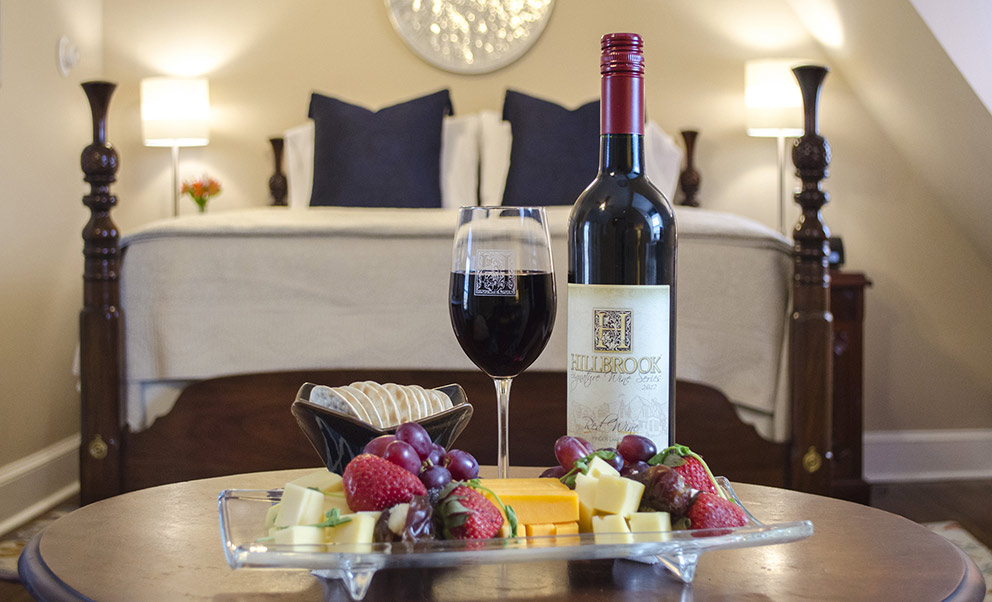
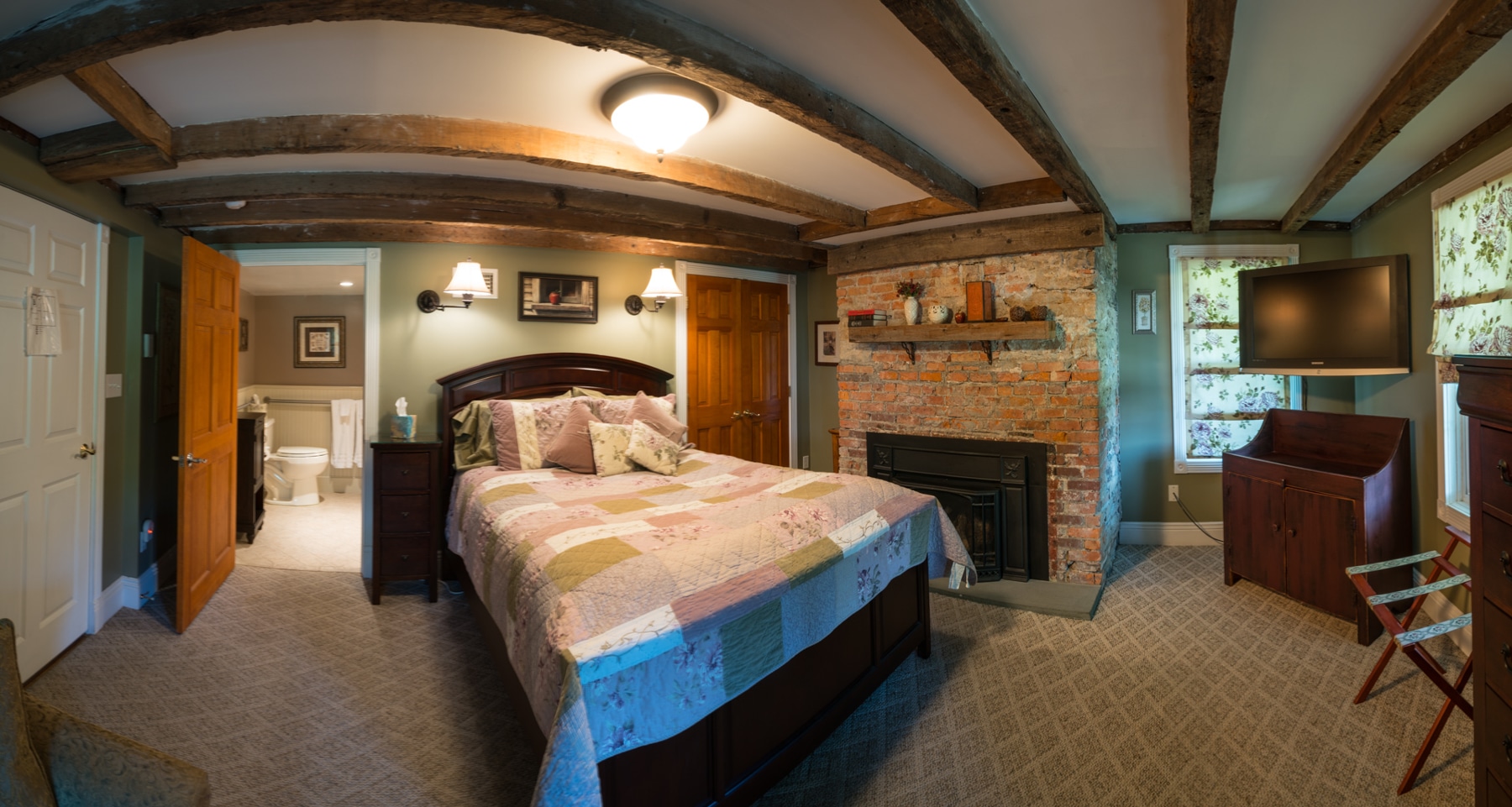
The rooms have direct access to the gardens with balconies and overlook the swimming pool or the sea and are equipped with Wi-Fi.








Cliff Jacobs (Nat Dpl Hotel Man (UJ). MPRE. GA Level 5 TEFL) Managing Principal / CEO Exquisite Hotel Consultants (Pty) Ltd Mobile: +27 (0) 84 413 1071 / +27 (0) 61 716 6951 Email: cliff@exquisitehotelconsultants.com Web: https://www.exquisitehotelconsultants.com © All rights reserved Terms and Conditions apply Scroll down to view our Hospitality Properties and Businesses for sale or lease or lease-to-buy or partnership arrangement or management agreement arrangement.