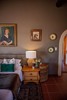
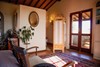
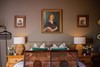
Our Taste of Tuscany...: for sale


Our Taste of Tuscany...

Koelenhof, Stellenbosch, Western Cape, South Africa

NEGOTIABLE

35 000 000 ZAR

Agent: Cliff Jacobs - Managing Principal Property Practitioner & CEO - Exquisite Hotel Consultants (Nat.Dpl.Hotel Man (UJ). M.P.R.E.)
Agent Cellphone: +27 (0) 84 413 1071 / +27 (0) 61 716 6951
Agent Office Number: +27 (0) 84 413 1071
Agent Email Address: cliff@exquisitehotelconsultants.com
Type: Guest House
Bedrooms: 5
Bathrooms: 5
Showers: 5
Parking: 20
Yield: Not Disclosed
TGCSA Rating: 4 Star


Stellenbosch

Stellenbosch (/ˈstɛlənbɒs/; Afrikaans: [ˈstælənˌbɔs]) is a town in the Western Cape province of South Africa, situated about 50 kilometres (31 miles) east of Cape Town, along the banks of the Eerste River at the foot of the Stellenbosch Mountain. The town became known as the City of Oaks or Eikestad in Afrikaans and Dutch due to the large number of oak trees that were planted by its founder, Simon van der Stel, to grace the streets and homesteads.

Stellenbosch is a popular tourist destination due to its history as the second oldest town in South Africa (dating back to 1679), its many historic buildings that are typical of Cape Dutch architecture, its location in the centre of many famous wine farms, and its variety of cafes, restaurants, boutiques and art galleries. The town is home to Stellenbosch University, one of South Africa's oldest universities, whose campus and buildings occupies large swathes of the town centre. Technopark Stellenbosch, a science park, is situated on the southern side of the town, and serves as a base for many large companies and startups, including Capitec Bank (South Africa's second largest retail bank).

Stellenbosch has its own municipality (incorporating the neighbouring towns of Pniel and Franschhoek), adjoining the metropolitan area of the City of Cape Town.

History

Pre-history

In 1899, Louis Péringuey discovered Paleolithic stone tools of the Acheulean type at a site named Bosman's Crossing near the Adam Tas Bridge at the western entrance to Stellenbosch. This indicates that human habitation of the area dates as far back as 1 million years. By 10,000 to 20,000 years ago, the population, assumed to have been ancestors of the San people, were established in the area.

Founding and early history

The town was founded in 1679 by the Governor of the Cape Colony, Simon van der Stel, who named it after himself – Stellenbosch means "(van der) Stel's Forest". It is situated on the banks of the Eerste River ("First River"), so named as it was the first new river he reached and followed when he went on an expedition over the Cape Flats to explore the territory towards what is now known as Stellenbosch. The town grew so quickly that it became an independent local authority in 1682 and the seat of a magistrate with jurisdiction over 25,000 square kilometers (9,700 sq mi) in 1685.

From the beginning, the population living in the town and its surroundings was highly mixed, consisting of European (Dutch, French, German) citizens, enslaved people, 15 individual free-blacks, and 16 indigenous Khoi and San people. A minority of these free-blacks were able to amass significant wealth, even owning farms and enslaved people and employing white servants. The indigenous Khoisan were never officially enslaved, but due to several factors, including colonial encroachment on their hunting and grazing lands, illness, and extermination by European hunting parties, they were gradually forced to submit to colonial rule despite widespread resistance. Many became labourers on farms, domestic workers, or wagon drivers. Life in early Stellenbosch society for the Khoi, San, and enslaved people was extremely cruel and characterised by violence, hard work, and strict discipline. Farming was the dominant industry of the town, and due to the massive size of the early land grants, European farmers depended on enslaved and Indigenous labour. The isolated nature of these farms, where most enslaved and Indigenous people lived and worked, meant that unified resistance action was difficult.

The Dutch were skilled in hydraulic engineering and they devised a system of furrows to direct water from the Eerste River in the vicinity of Thibault Street through the town along van Riebeeck Street to Mill Street where a mill was erected. Early visitors commented on the oak trees and gardens.

During 1690, some Huguenot refugees settled in Stellenbosch, grapes were planted in the fertile valleys around Stellenbosch and soon it became the centre of the South African wine industry.

In 1710, a fire destroyed most of the town, including the first church, all the Company property and twelve houses. Only two or three houses were left standing. When the church was rebuilt in 1723 it was located on what was then the outskirts of the town, to prevent a similar incident from destroying it again. This church has been enlarged a number of times since 1723 and is currently known as the "Moederkerk" (Mother Church).

Since the 1800s

The first school had been opened in 1683, but education in the town began in earnest in 1859 with the opening of a seminary for the Dutch Reformed Church. Rhenish Girls' High School, established in 1860, is the oldest school for girls in South Africa. A gymnasium, known as het Stellenbossche Gymnasium, was established in 1866. In 1874, some higher classes became Victoria College and then in 1918 University of Stellenbosch.

The first men's hostel to be established in Stellenbosch was Wilgenhof, in 1903. In 1905, the first women's hostel to be established in Stellenbosch was Harmonie . Harmonie and Wilgenhof were part of the Victoria College. In 1909, an old boy of the school, Paul Roos, captain of the first national rugby team to be called the Springboks, was invited to become the sixth rector of the school. He remained rector until 1940. On his retirement, the school's name was changed to Paul Roos Gymnasium.

With the manumission of enslaved people in 1838, the population of Stellenbosch's town centre increased as formerly enslaved people moved there, away from the isolated farmsteads. This small exodus formed the basis of the District's coloured community, and by 1850, they had established a neighbourhood and community which became known as ‘Die Vlakte’.

In the early days of the Second Boer War (1899–1902), Stellenbosch was one of the British military bases, and was used as a "remount" camp; and in consequence of officers who had not distinguished themselves at the front being sent back to it, the expression "to be Stellenbosched" came into use; so much so, that in similar cases officers were spoken of as "Stellenbosched" even if they were sent to some other place.

Apartheid and subsequent developments

The Group Areas Act of 1950 led to ‘Die Vlakte’ in central Stellenbosch being proclaimed a White Group Area in 1964. In the following decade, roughly 3,700 (mainly coloured people) either left or were later forced out of Central Stellenbosch, relocating or being settled to the urban periphery areas of Idas Valley and Cloetesville. Black people were forcibly removed to Kayamandi. Several homes, religious and educational buildings, and community centres were bulldozed. One remaining building which stands in what used to be a central street of 'Die Vlakte' is the Goejjatul Islam Mosque.

In post-Apartheid Stellenbosch and its surrounds, residential areas are still notably segregated: although the Group Areas Act was abolished in 1991, the economic and residential patterns it enforced have proven difficult to overcome. This continued residential segregation, soaring wealth inequality, the reputation of Stellenbosch as the ‘cradle of apartheid’, and several racial discrimination scandals related to the university all indicate how Stellenbosch continues to reckon with legacies of racism and discrimination in both its institutions and physical, social, and economic landscapes.

Population

At the time of the 2011 census, the population of the urban area of Stellenbosch was 77,476, living in 23,730 households, in an area of 20.9 square kilometres (8.1 sq mi). Roughly 63.8% of the residents spoke Afrikaans as their home language, 19.6% spoke isiXhosa, and 6.8% spoke English. 28.1% of the population identify as Black, 52.2% as Coloured, and 18.5% as White.

The Stellenbosch Municipality extends beyond the town of Stellenbosch itself to include rural areas, villages, and the town of Franschhoek. At the time of the 2011 census, the municipal population was 155,728, while by 2016 it was estimated to be 173,197. In 2017, the municipality estimated that the population in 2018 would increase to 176,523.

The 1936 census recorded a total population of 8,782 residents with 3,558 of them recorded as Coloured and 4,995 recorded as White.

Climate and geography

Stellenbosch is 53 km (33 mi) east of Cape Town via National Route N1. Stellenbosch is in a hilly region of the Cape Winelands, and is sheltered in a valley at an average elevation of 136 m (446 ft), flanked on the west by Papegaaiberg (Afrikaans: Parrot Mountain), which is actually a hill. To the south is Stellenbosch Mountain; to the east and southeast are the Jonkershoek, Drakenstein, and Simonsberg mountains. Die Tweeling Pieke (Afrikaans: The Twin Peaks) has an elevation of 1,494 m (4,902 ft); the highest point is Victoria Peak 1,590 m (5,220 ft). Jonkershoek Nature Reserve lies about 9 km (5.6 mi) east of Stellenbosch, and the Helderberg Nature Reserve is about 23 km (14 mi) south via provincial route R44. Just south of the Helderberg Nature Reserve is Strand, a seaside resort town. The soils of Stellenbosch range from dark alluvium to clay. This, combined with the well-drained, hilly terrain and Mediterranean climate, prove excellent for viticulture. Summers are dry and warm to hot, with some February and March days rising to over 40 °C (104 °F). Winters are cool, rainy and sometimes quite windy, with daytime temperatures averaging 16 °C (61 °F). Snow is usually seen a couple of times in winter on the surrounding mountains. Spring and autumn are cool, with daytime temperatures hovering around the early 20s.

Economy

Stellenbosch is home to the headquarters of several large and small companies, including major South African bank Capitec Bank, fast food chain Hungry Lion, the regional HQ of French dairy products group Lactalis, major private hospital group Mediclinic International, fiber network operator Herotel, and investment holding company Remgro.

Sport

Stellenbosch is a warm-weather training venue for cyclists, track and field squads, and triathletes. The Stellenbosch Sports Academy opened its doors in 2012 and hosts several rugby teams on a permanent basis, such as the Springbok Sevens and Western Province. It is also the home base of professional football club Stellenbosch FC who compete in the DStv Premiership.

Viticulture and winemaking

The Stellenbosch, Paarl and Franschhoek valleys form the Cape Winelands, the larger of the two main wine growing regions in South Africa. The South African wine industry produces about 1,000,000,000 litres of wine annually. Stellenbosch is the primary location for viticulture and viticulture research. Professor Perold was the first Professor of Viticulture at Stellenbosch University. The Stellenbosch Wine Route established in 1971 by Frans Malan from Simonsig, Spatz Sperling from Delheim, Neil Joubert from Spier and David van Velden from Overgaauw, known as Stellenbosch American Express® Wine Routes since 2002, is a world-renowned and popular tourist destination. This route provides visitors the opportunity to experience a wide range of cultivars and includes farms such as Warwick and JC Le Roux.

The region has a Mediterranean climate with hot dry summers and cool wet winters. Stellenbosch lies at the foot of the Cape Fold mountain range, which provides soil favourable to viticulture. Grapes grown in this area are mainly used for wine production, as opposed to table grapes. The region possesses a wide range of soils in the area, from light, sandy soils to decomposed granite. Stellenbosch Cabernet Sauvignon is beginning to get a good reputation as a fine wine.[38]

Stellenbosch University

Stellenbosch University is one of South Africa's leading universities. This institution has a history dating back to 1863 and has 10 faculties, including Engineering, Commerce, Science and Arts. The Department of Electrical and Electronic Engineering is the only university department in the southern hemisphere which has successfully built a communications satellite Sunsat which was launched in 2000 and orbited the Earth for three years.

The university currently has about 29,000 students. White students in 2014, namely 18,636, constitute 63.4% of all students enrolled. Most post-graduate courses are presented in English. The university council with the concurrence of the senate approved a new language policy on 22 June 2016 for implementation from 1 January 2017. The university has committed to introducing multilingualism by using the province's three official languages, namely Afrikaans, English and isiXhosa.


Contact agent
Key features

About us

In the late 1800s, the Moni Family from Lucca, Italy, went in search of better opportunities and heard about the goldfields of Johannesburg. They decided to move there to seek their fortunes. To cater to the growing number of Italian immigrants who followed them, the Monis established a grocery store that sold imported goods from Italy. Over time, the store evolved into South Africa's largest pasta manufacturer, Fatti's & Monis.

Valentino Mori arrived in South Africa to work for Luigi Fatti and his son, Bruno Mori eventually became a crucial figure in the wine trade. Initially, he joined the Fatti's Winery but later left to serve in the armed forces. Interestingly, Bruno did not return to work for Fatti's after the war because he had married Bianca Moni, Pietro Moni's daughter. This made it impossible for him to continue working for Fatti's. However, the two wineries merged in 1952, and Mori became responsible for the technical and financial management of Monis Wineries for many decades.

Eugene Mori, the son of Bruno and Bianca Mori, together with his wife Marilyn, bought a small holding in 1995 located just outside Stellenbosch in Devonvale. Their goal was to continue their family legacy by creating an Italian Style Agriturismo where guests could enjoy lodging and food made from the raw materials grown on the farm. They planted 300 olive trees and 2 hectares of vineyards to produce their own olive oil and Italian-style wine. Today, Casa Mori offers 5 B&B rooms, as well as Olive Oil, Wine, and Pasta for their guests to experience.

Eugene and Marilyn invite you to experience the warmth of their family home, where authentic Italian and South African hospitality come together. Enjoy delicious cuisine and heartfelt conversation in a cozy atmosphere, and create unforgettable memories with them.

Accommodation

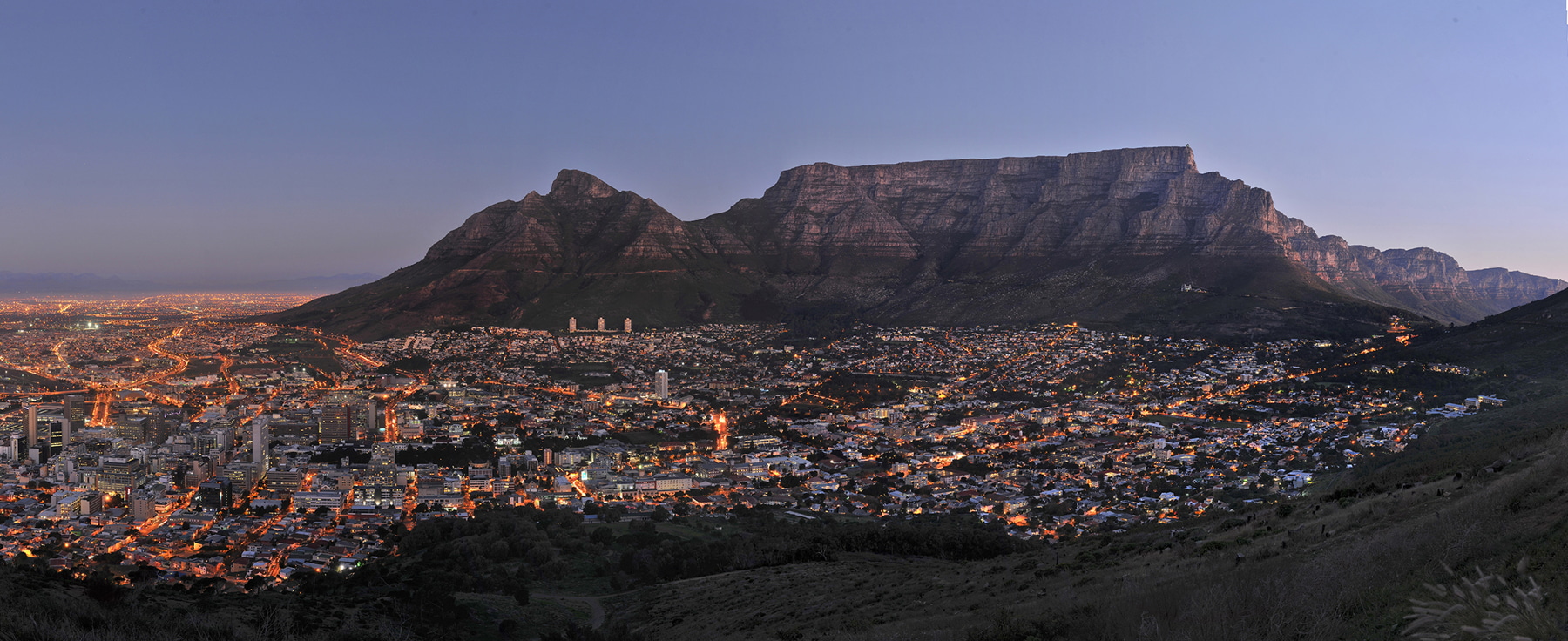
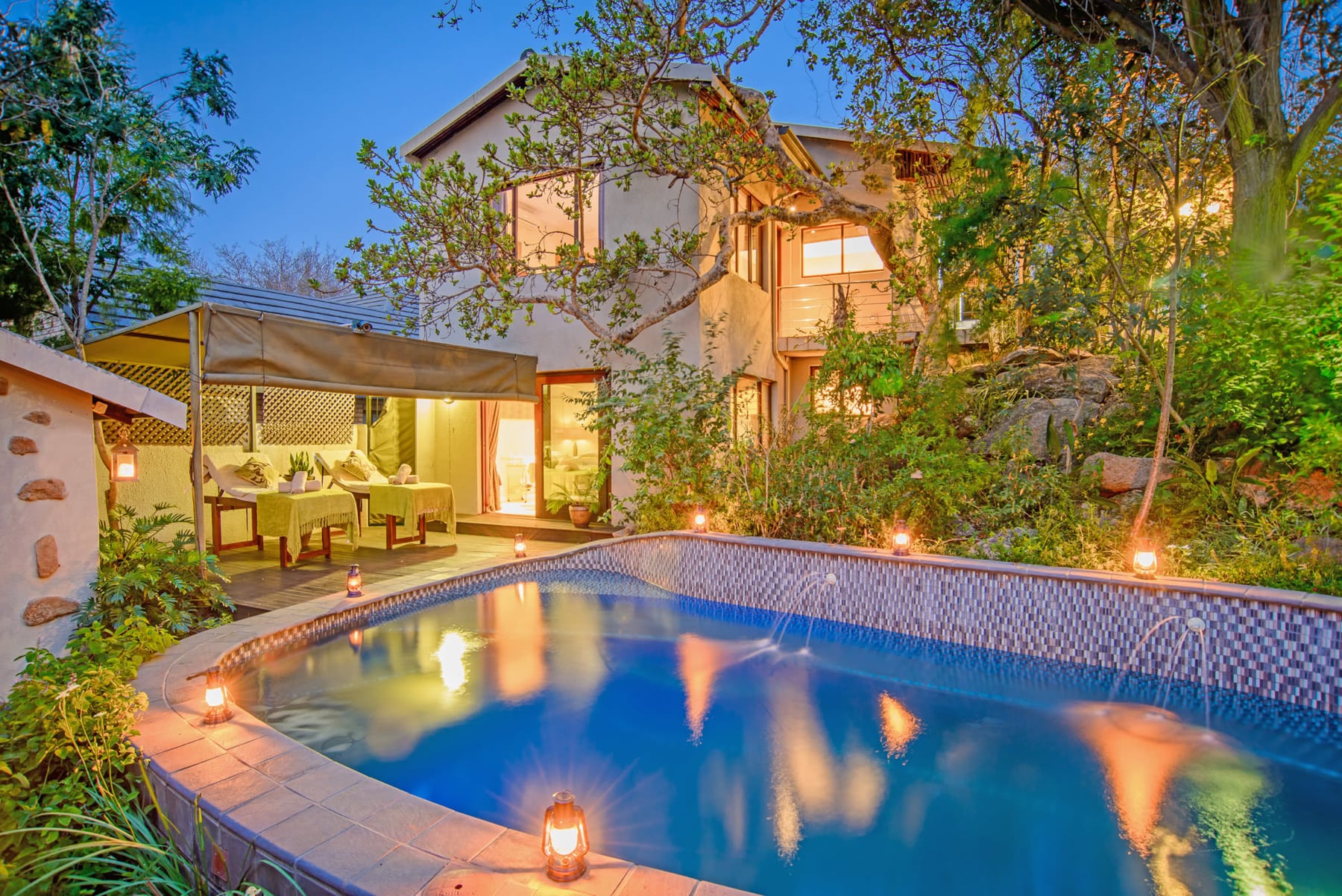
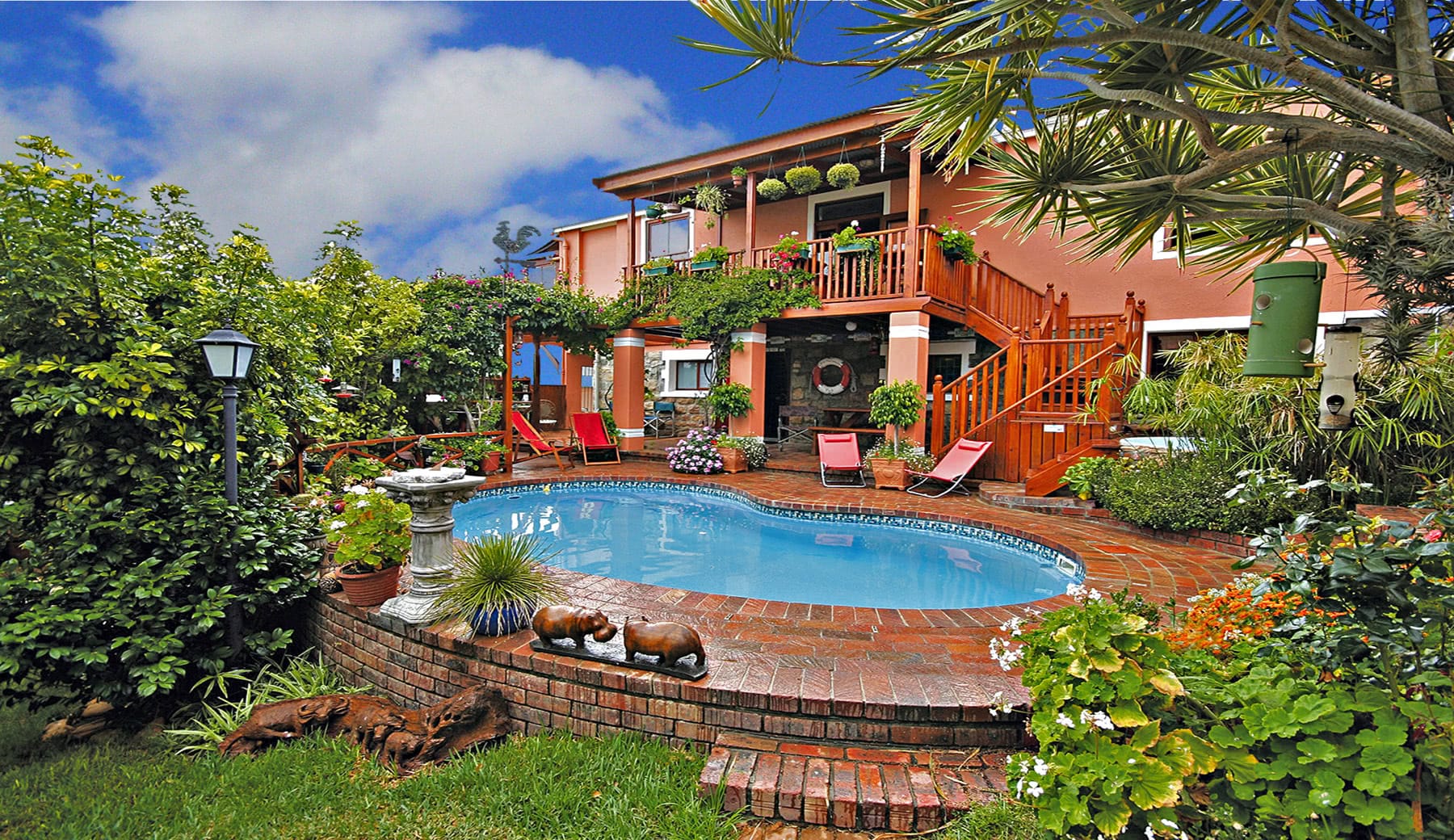
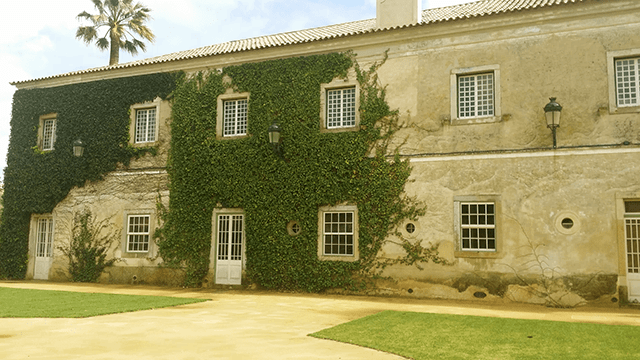
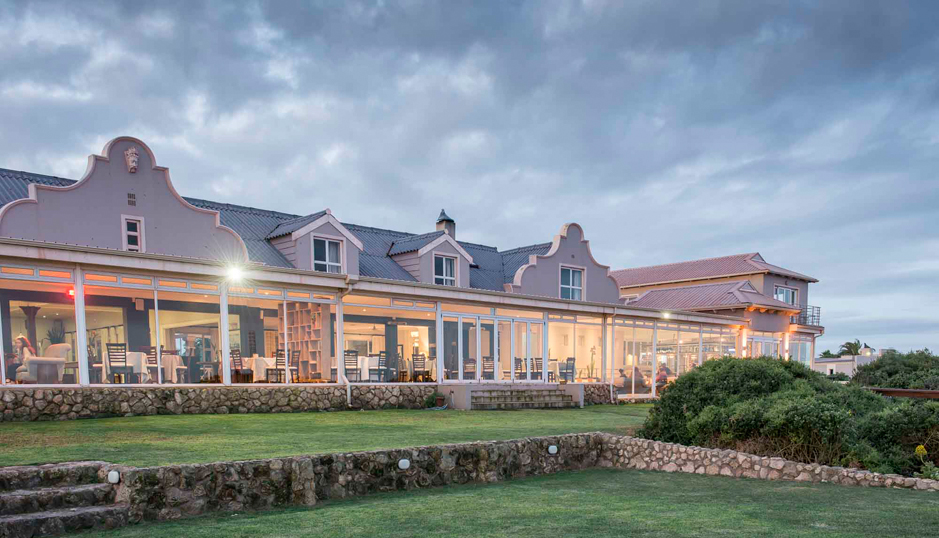
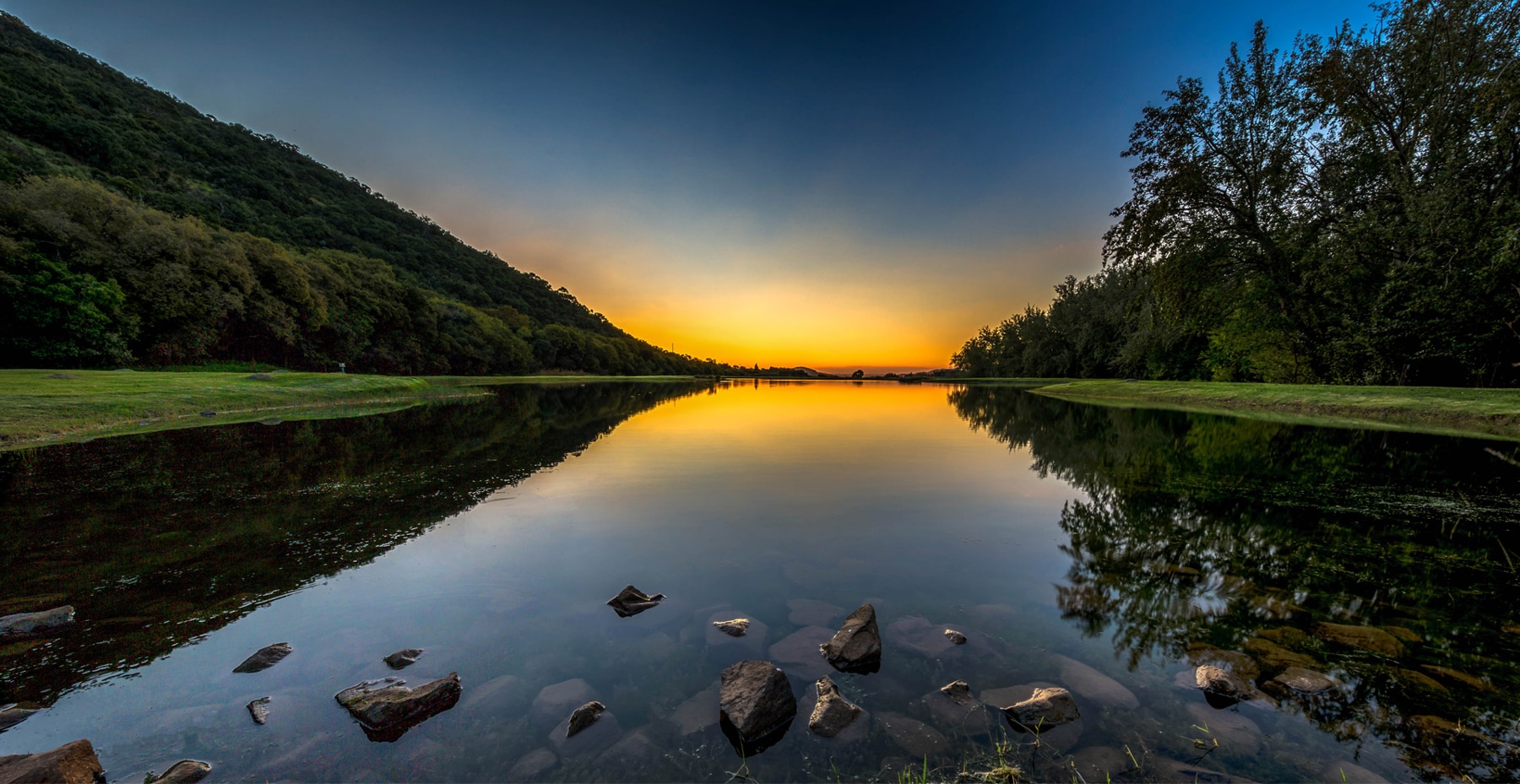
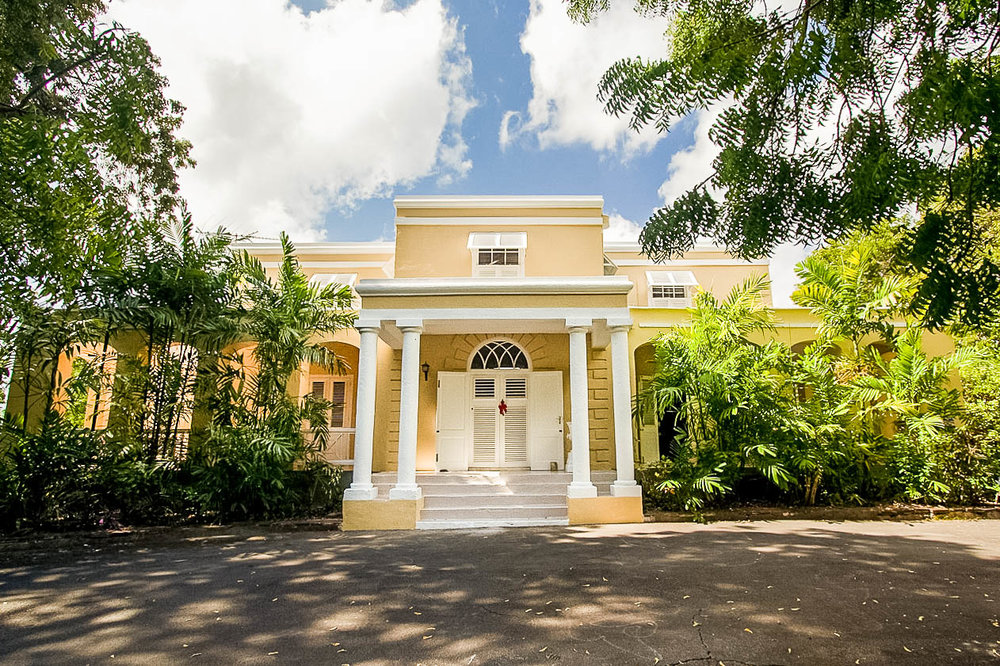
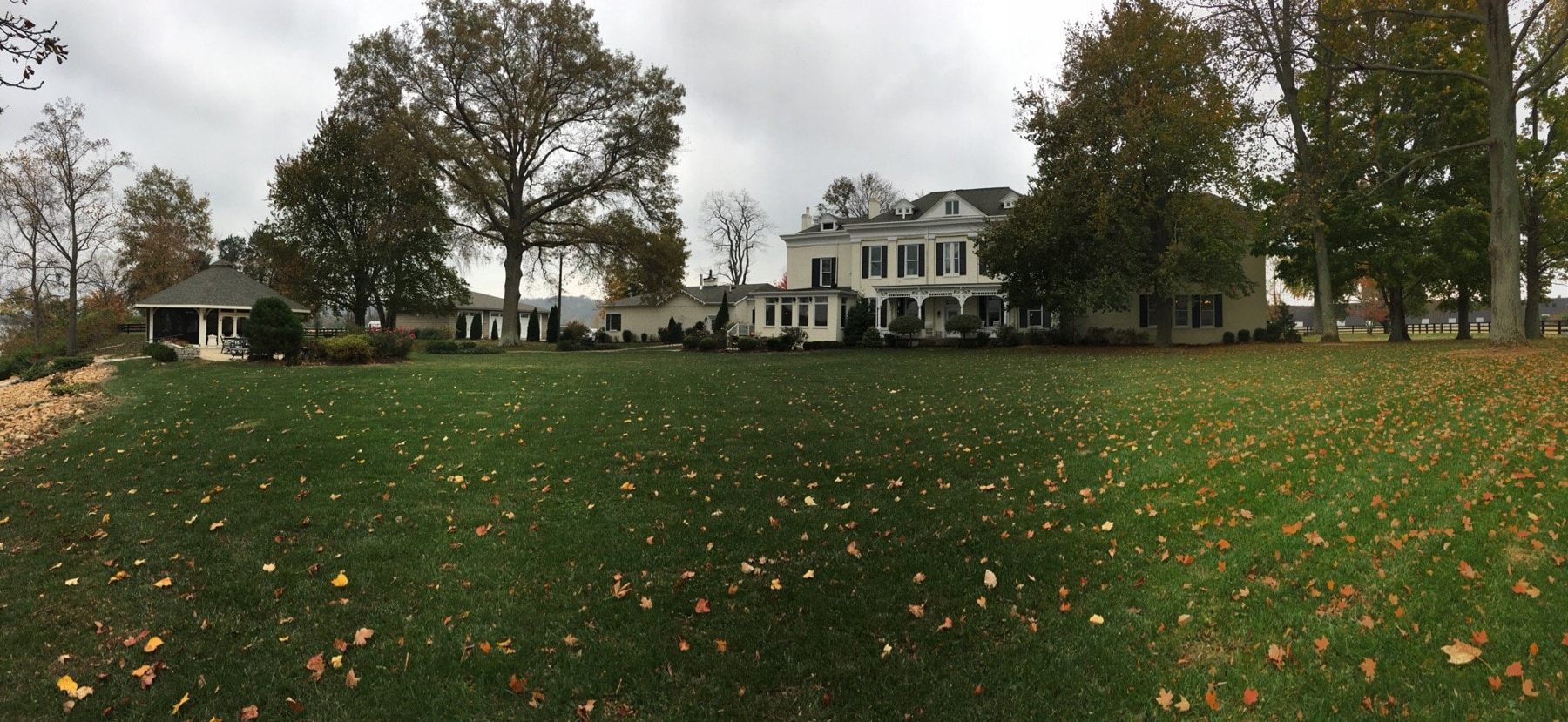
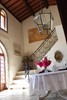
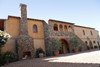
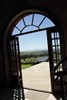
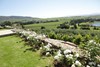
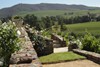
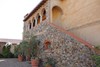
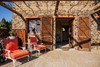
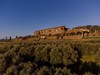
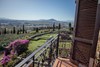
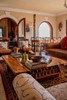
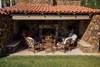
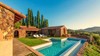
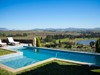
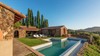
Experience the charm of our authentic Tuscan farmhouse, your perfect home away from home. Nestled just 15 kilometers from the picturesque town of Stellenbosch, our property offers breathtaking views of Table Mountain, as well as the lush Devonvale 18-hole Golf Estate, sprawling vineyards, and a serene olive grove.

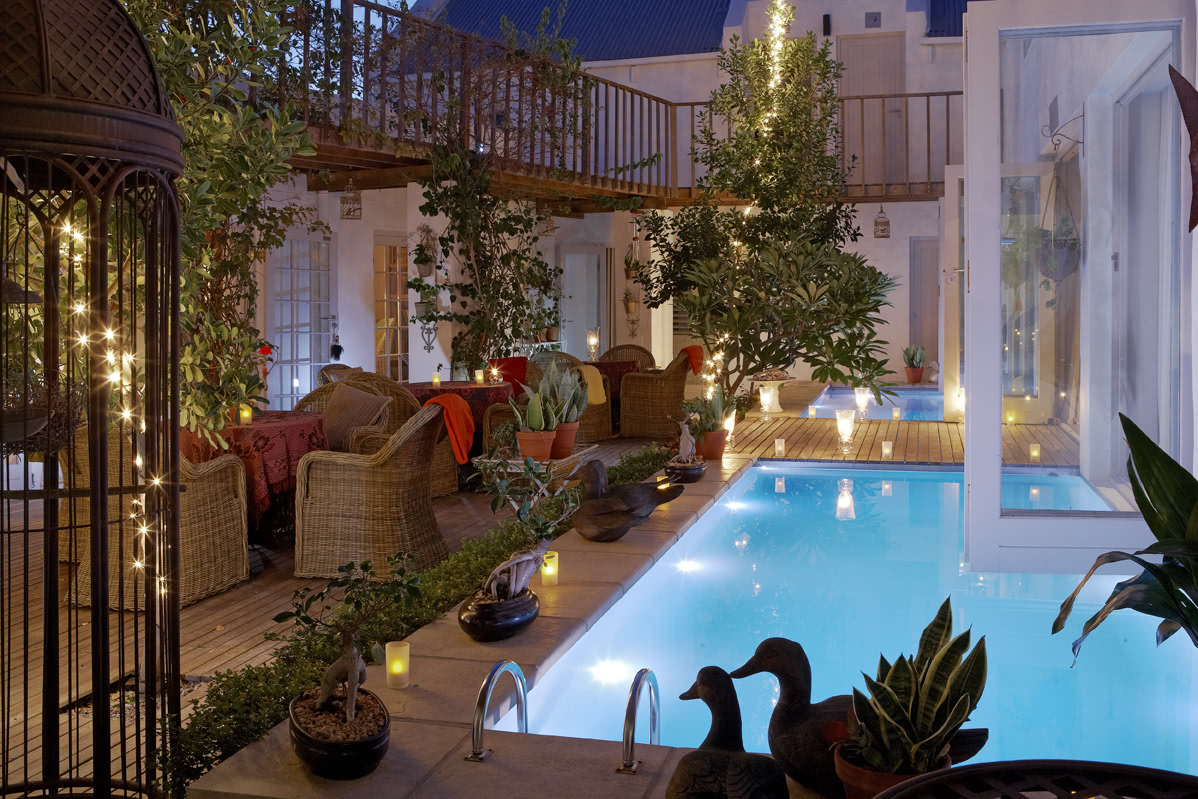
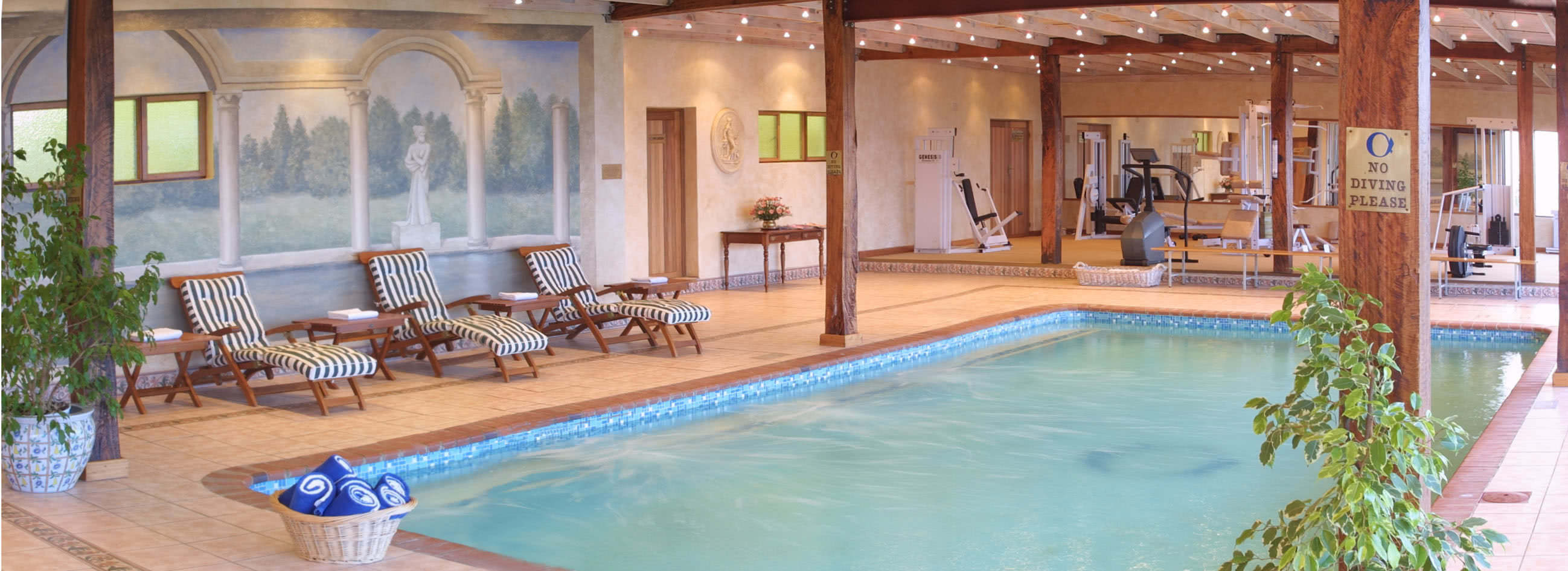
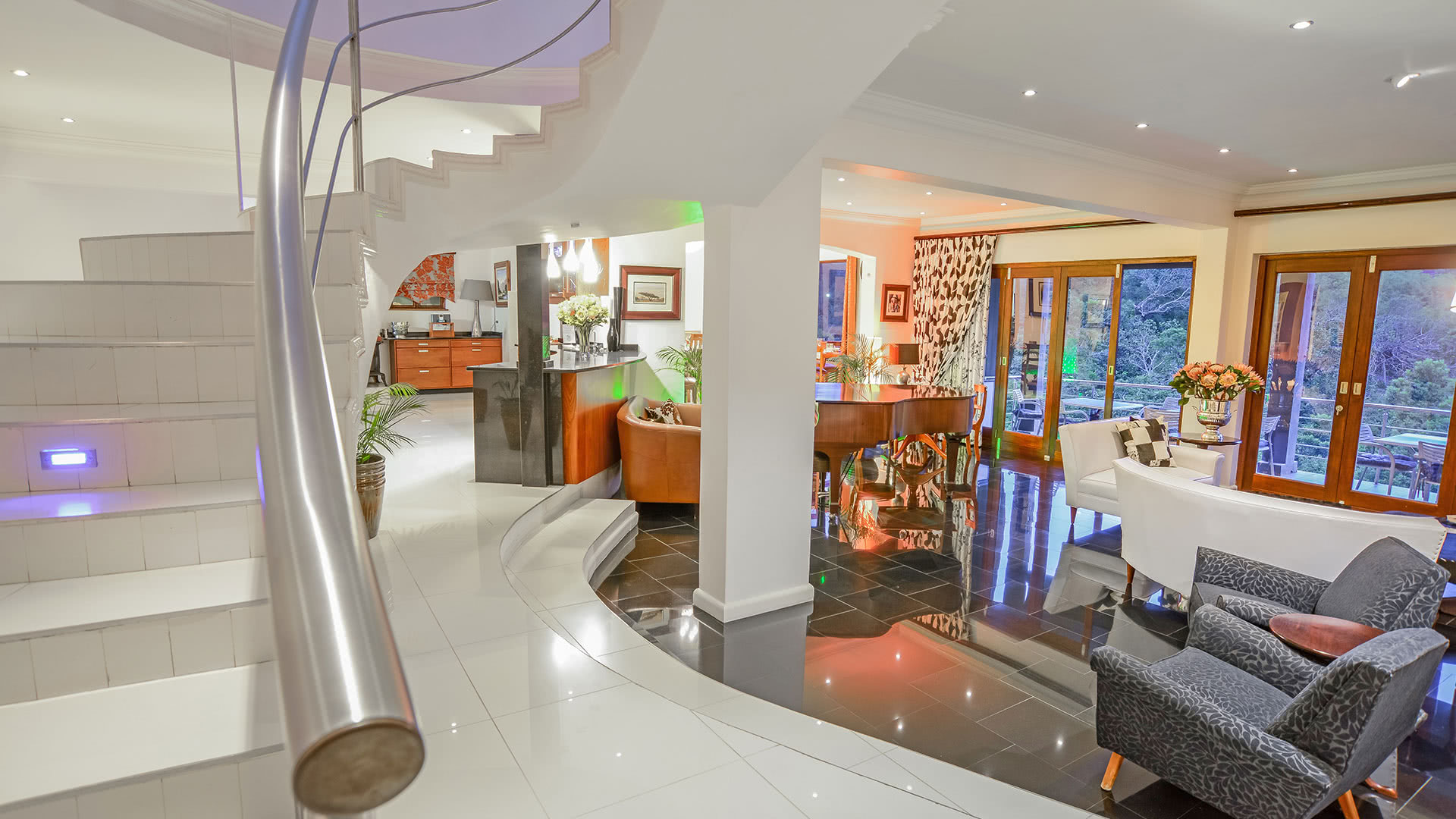
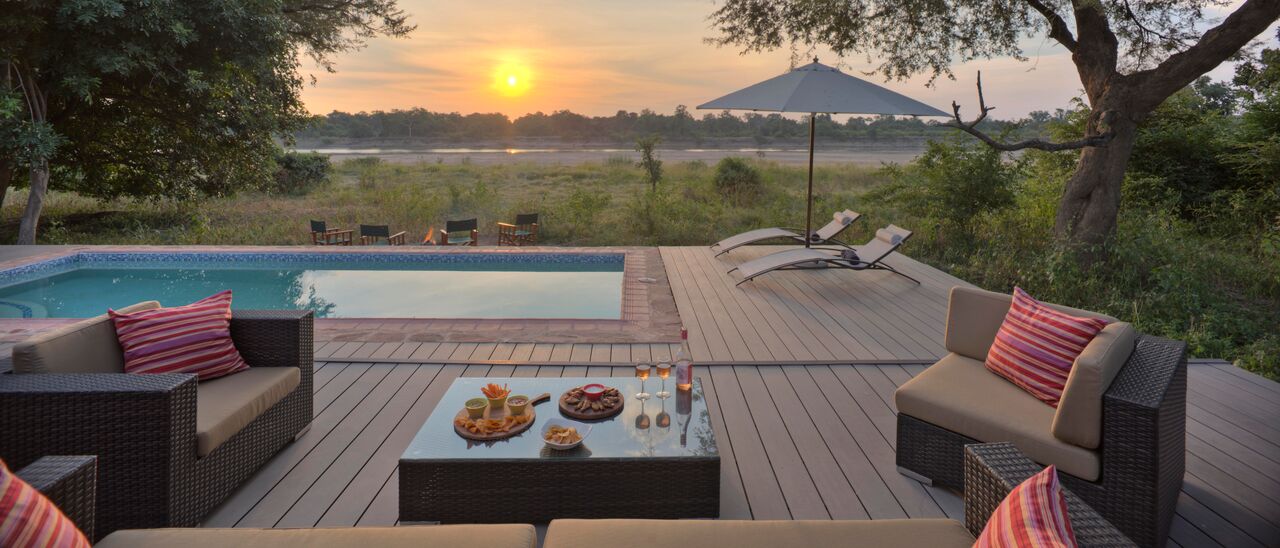
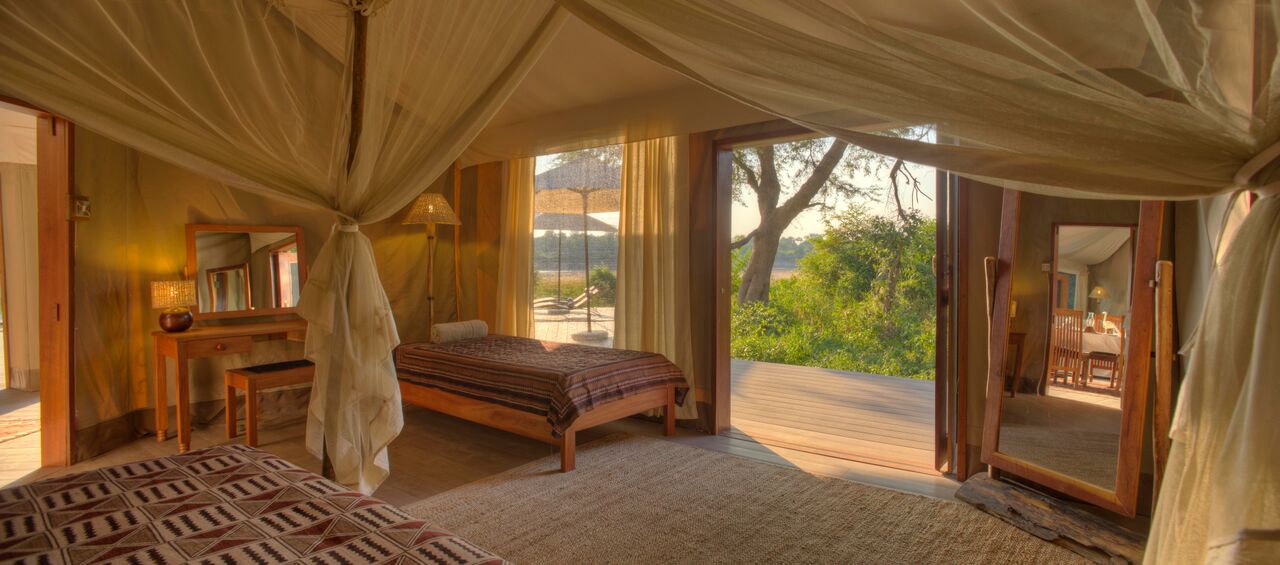
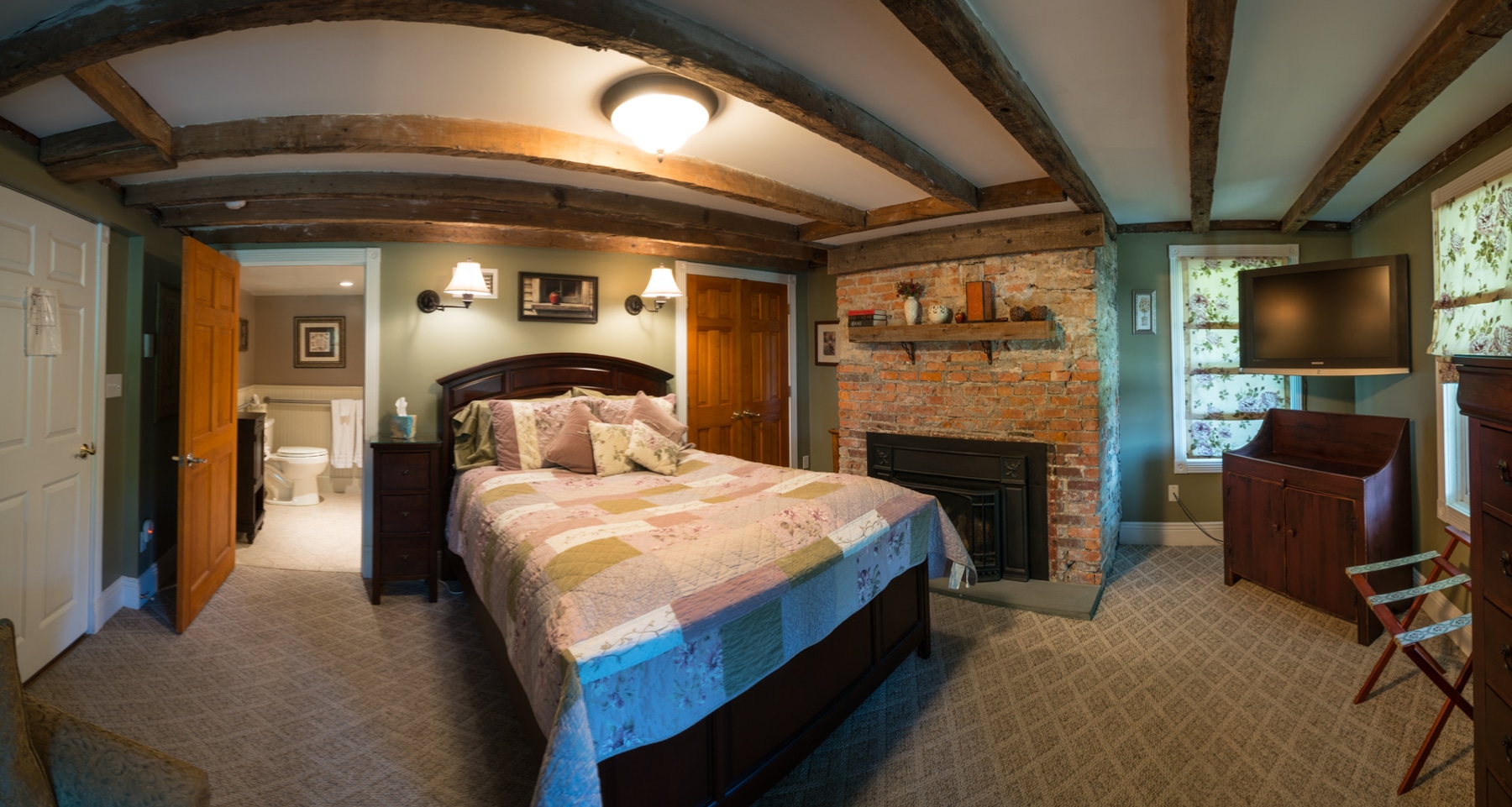
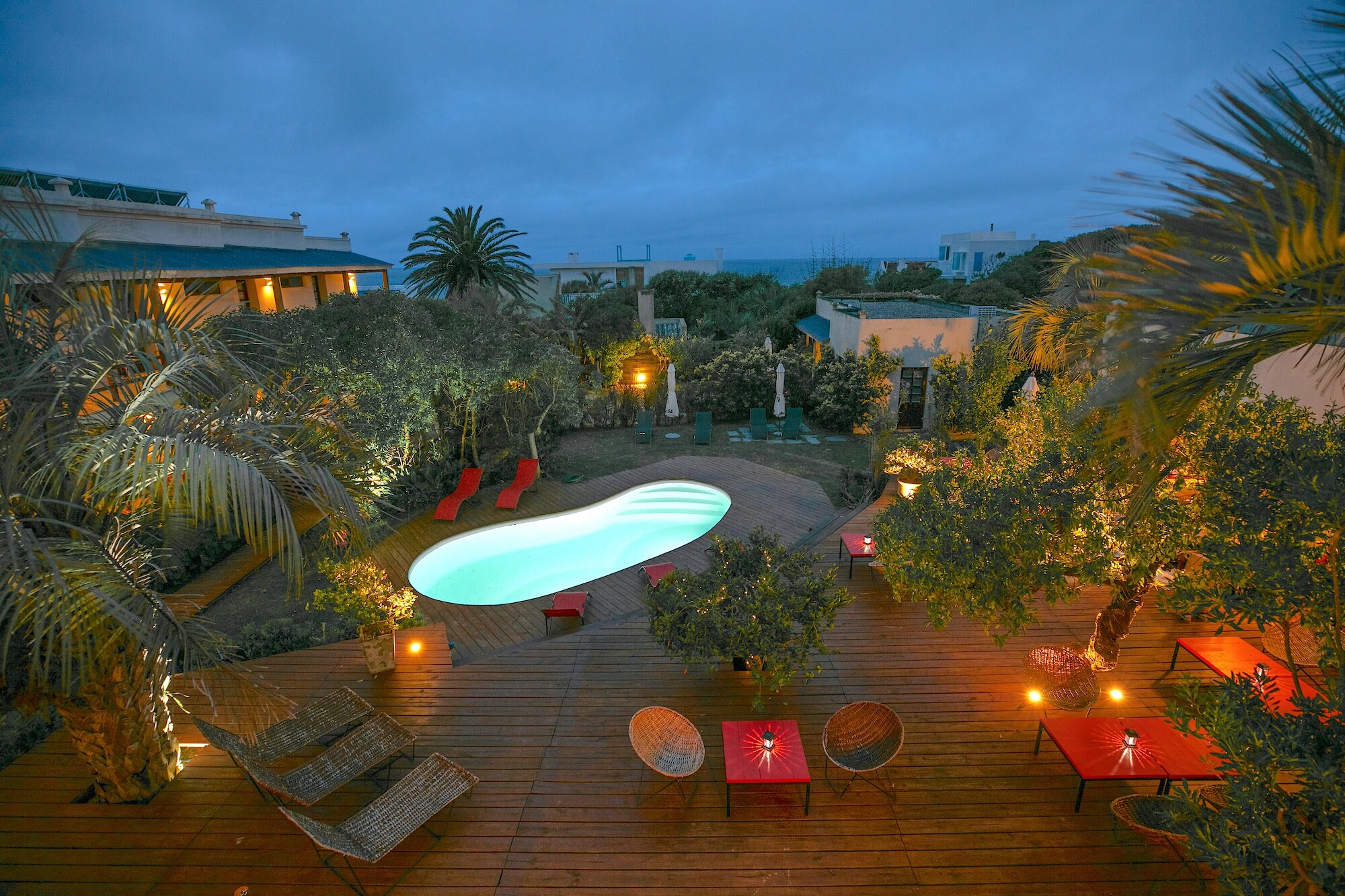
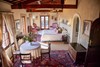
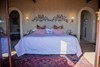
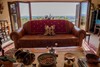
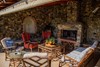
Our cozy Bed & Breakfast features five beautifully-appointed bedrooms, accommodating up to 10 guests comfortably. Each room is designed to provide a relaxing retreat after a day of exploring the stunning countryside. Guests can also enjoy our inviting swimming pool, perfect for unwinding on warm afternoons while soaking in the tranquil surroundings. Come and immerse yourself in the beauty and tranquility of this idyllic getaway.
Bianca Room
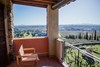
The Bianca room is named in honor of Bianca Olga Mori, the mother of Eugene Mori, and is situated on the ground level, providing direct access to a beautiful terrace. Guests can enjoy breathtaking views of Table Mountain, the scenic Bottleray Winelands, and the Devonvale Golf Course.

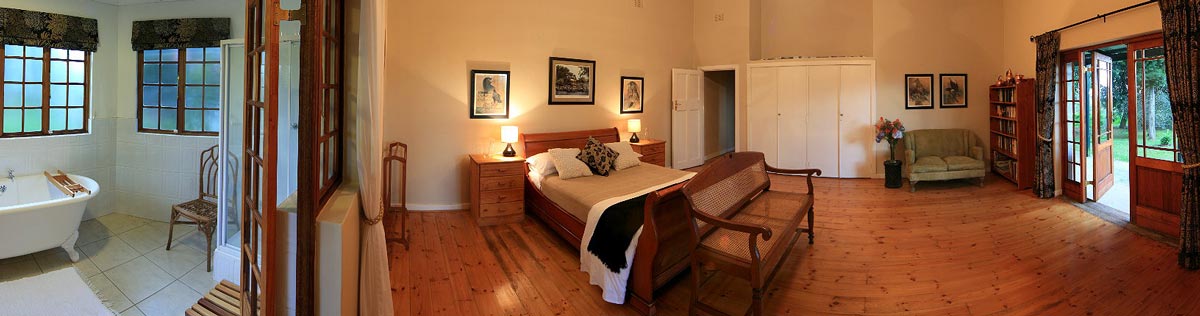
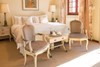
This room is equipped with two single beds that can be transformed into a king-sized bed, and it includes an ensuite bathroom featuring both a bath and a shower. The decor consists of elegant antique floral furnishings, creating a charming and inviting atmosphere for all visitors..
Bruno Room
The Bruno Room is named in honour of Bruno Herman Julian Mori, the father of Eugene Mori. Located on the ground level, it features direct access to a charming terrace with breathtaking views of Table Mountain, the Bottleray winelands, and the Devonvale golf course below.
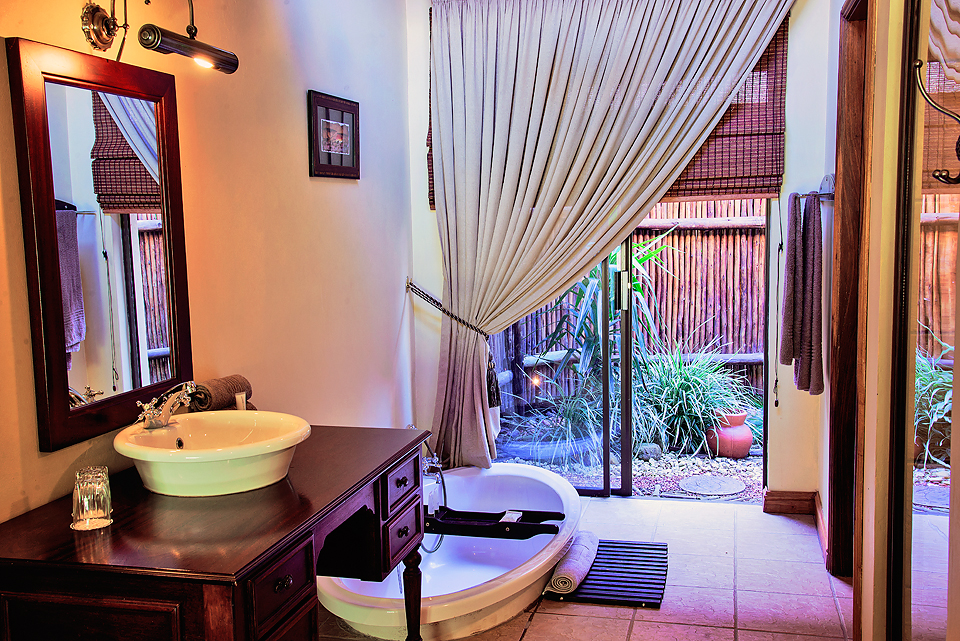
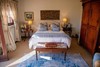
Inside, guests can enjoy a spacious King-sized bed and a serene ensuite bathroom with both a soaking tub and a shower. The room is adorned with dark wood antique furnishings that add a touch of timeless elegance, creating a cosy atmosphere for relaxation. Conveniently, the Bruno Room is situated right next door to the Bianca Room, both offering the same generous size, perfect for families or groups wanting to stay close.
Valentina Room
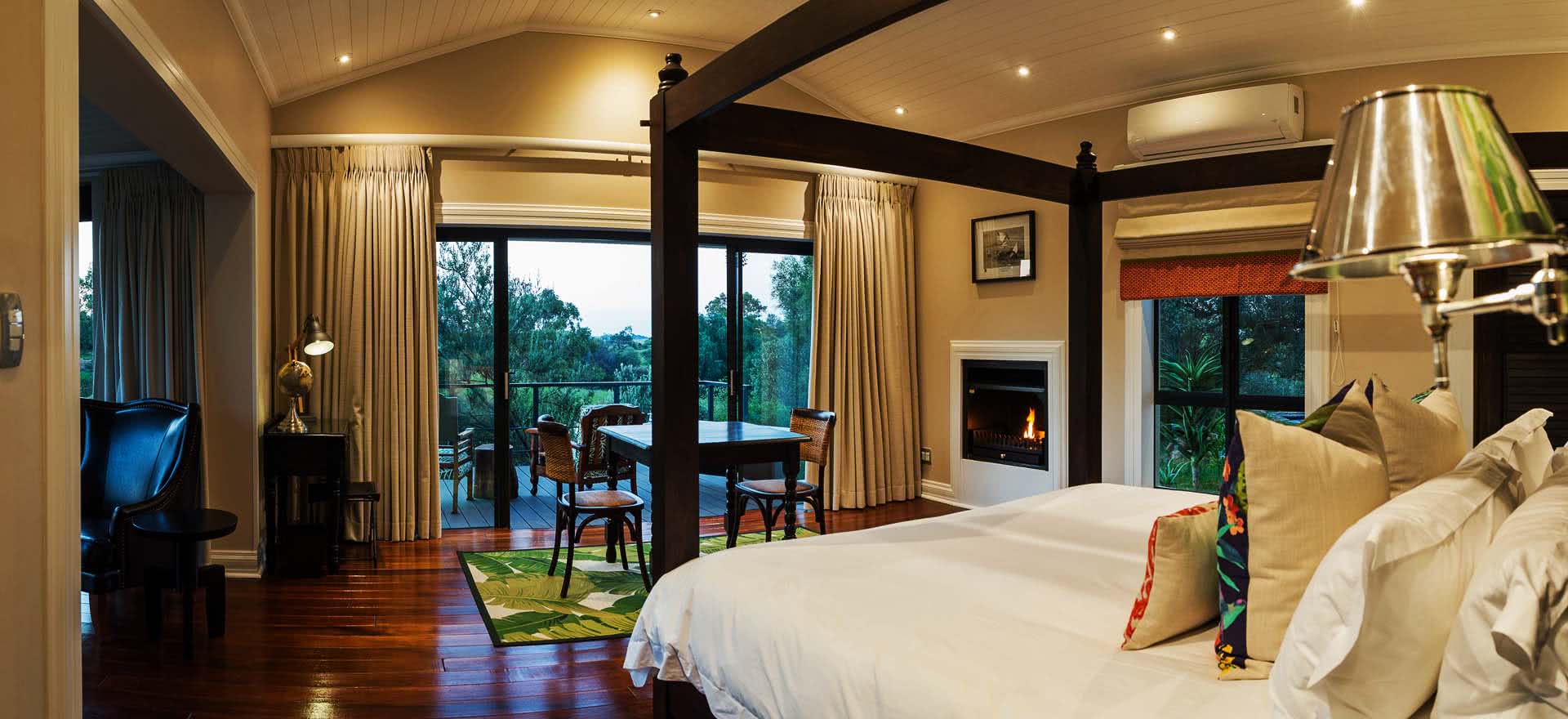
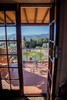
The Valentina Room is a beautiful suite located on the upper floor, named after Eugene and Marilyn's first grandchild, Valentina Mori Truter. It features two private balconies with stunning views—one overlooking the Simonsberg mountains and winelands, and the other showcasing Table Mountain.
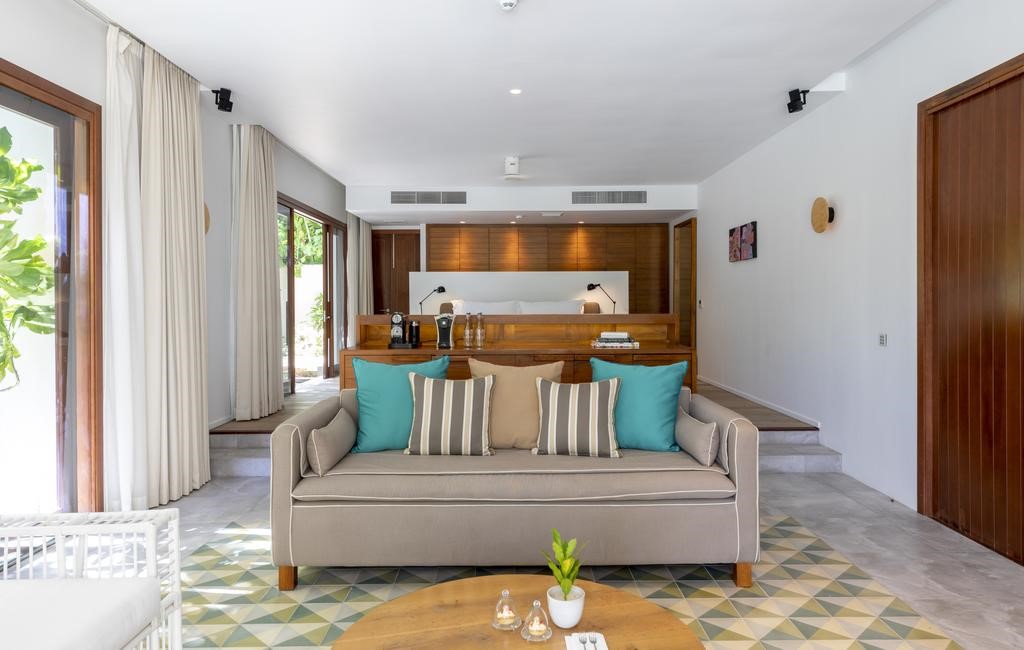
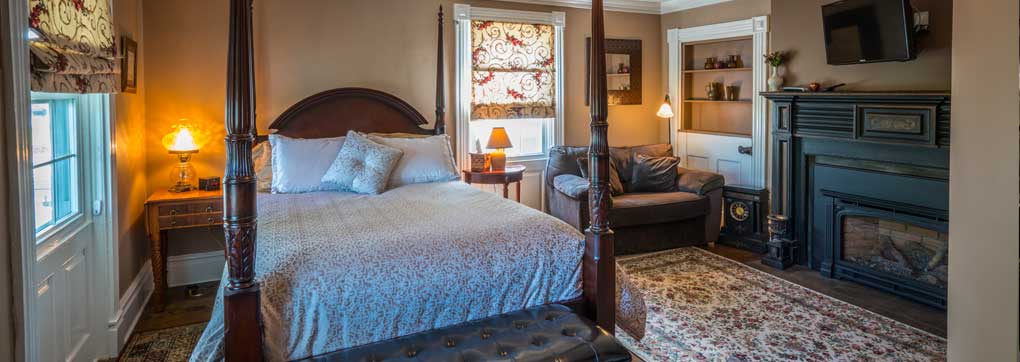
Inside, you’ll find an extra-length king-size bed for a restful night's sleep, along with an en-suite bathroom that includes twin basins, a spacious shower, and a Spa bath for relaxation. The elegantly decorated room combines modern and antique furnishings, creating a welcoming atmosphere.

Located conveniently near the Alexander Room and above the Bruno and Bianca Rooms, this information should help when booking the right room.
Molly Room
The Molly Room, named after Molly Weddell, the mother of Marilyn Mori, is located on the ground level and is a separate unit from the main house. It boasts its own deck with direct access to the pool and offers stunning views of Table Mountain, the Bottleray winelands, and the Devonvale golf course.

Inside, you'll find a spacious queen-size bed and an en-suite bathroom featuring a luxurious walk-in shower and twin basins. The room is equipped with air conditioning for added comfort and is decorated with elegant antique furnishings, creating a cozy retreat for guests.
Alexander Room
The Alexander room pays tribute to Marilyn and Eugene Mori's first grandson. Located on the upper floor, this elegant bedroom features a private balcony with stunning views of the winelands and Table Mountain. Inside, you'll find a luxurious king-sized bed and an open ensuite bathroom equipped with a modern basin, spacious shower, and toilet.

Blending contemporary and antique furnishings, the Alexander room offers a unique and inviting ambience, making it an ideal retreat for those seeking tranquillity amidst natural beauty.
Wine
Join us on a delightful journey through our exquisite selection of Italian-inspired wines, curated by winemaker Bruno Julian and his father, Eugene Mori. Nestled on nearly 2 hectares of picturesque vineyard land, our estate is a vibrant tapestry of thoughtfully selected grape varieties. We take great pride in our traditional winemaking practices and our deep appreciation for the unique terroir of the Bottelary Hills region, characterised by its gravel, clay, and koffieklip soils, all shaped by the refreshing maritime winds from the north-west in winter and the invigorating south-easterlies in summer.

Our vineyard boasts a diverse array of grape varieties, including the sun-kissed Sangiovese, known for its lively fruit flavours; the rich and full-bodied Cabernet Sauvignon; the bold and spicy Shiraz; the aromatic floral notes of Viognier; and the velvety Malbec, celebrated for its smooth texture. Notably, Sangiovese takes centre stage, being elegantly transformed into sparkling MCC bubbles and a crisp, refreshing rosé. We also create delicate blends of Sangiovese and Cabernet, showcasing the versatility and unique characteristics of each grape.

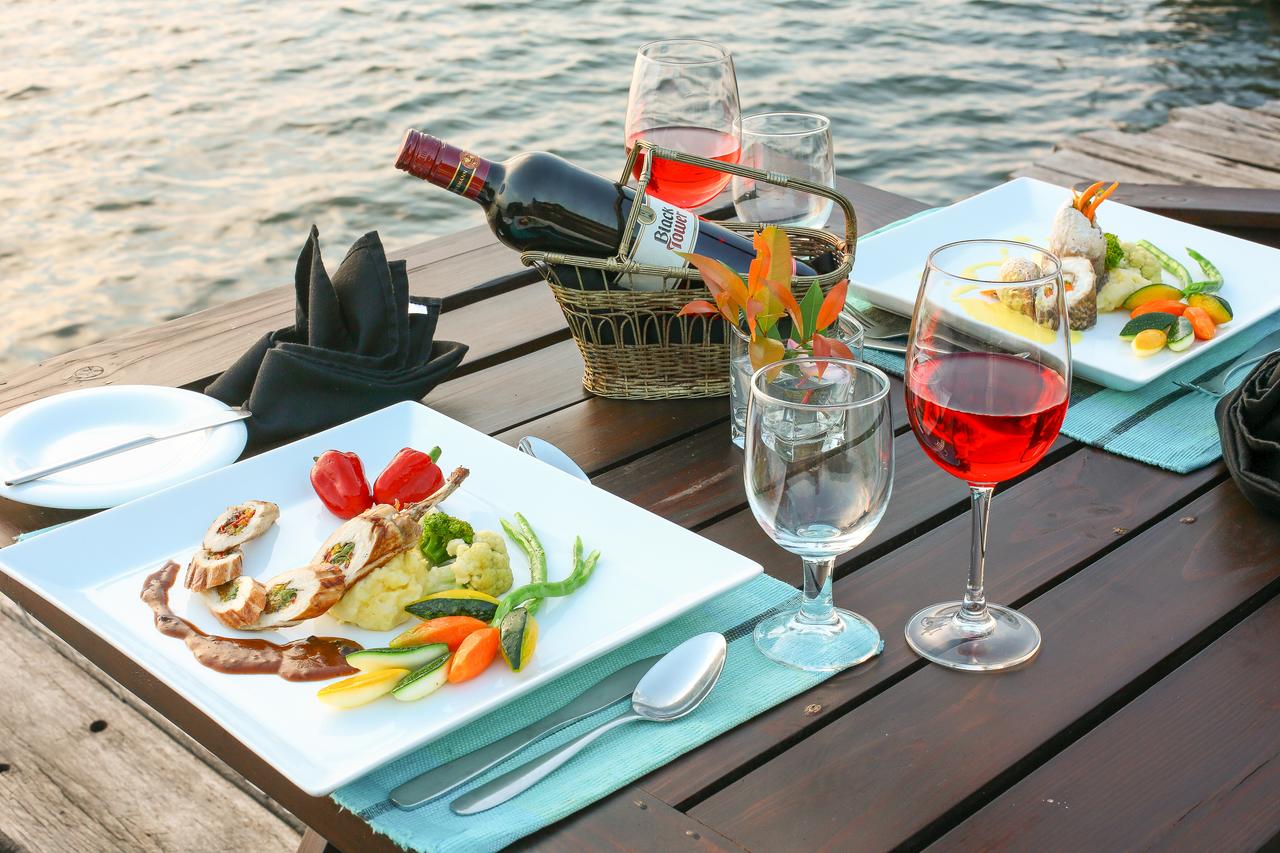
In addition to our innovative offerings, we are excited to announce the upcoming release of our pure Shiraz and Cabernet wines, which promise to captivate wine enthusiasts with their bold and dynamic flavour profiles.  A highlight of our collection is the esteemed **Roberto**, a masterful blend primarily crafted from Sangiovese grapes. This variety provides an elegant structure and vibrant acidity, creating a wine that is both approachable and sophisticated. Complemented by Cabernet Sauvignon, known for its rich berry flavours and full-bodied presence, this blend achieves a harmonious balance, offering a complex tasting experience that evolves with every sip. The **Roberto** is an exceptional expression of our vineyard’s terroir, pairing beautifully with a wide range of dishes, making it a versatile choice for any dining occasion.

Discover the passion and craftsmanship behind our wines and let us welcome you to explore the best of what Eugene Mori and Son Winery has to offer.
Our Pasta...
Our treasured family recipe, passed down through generations from our beloved Nonna, embodies the rich culinary heritage of our culture. Located in the scenic Winelands, we take pride in creating premium handcrafted pasta. Each batch is meticulously made by hand—without the use of electric mixers or dye cutters—using only the highest quality ingredients such as imported Italian Durum wheat, authentic "00" flour, and fresh farm eggs. This dedication ensures exceptional flavour and texture in every bite.

We offer a delightful assortment of both fresh and dried pasta, meticulously shaped into classic cutting styles—Fettuccine and Reginelle. The process of creating our dried pasta is a labour of love; we hang each strand by hand and allow it to air dry naturally. This slow drying method is essential, as it enhances the pasta's quality and locks in the flavours, resulting in a superior product that elevates any meal.

Our flavoured pasta range showcases the vibrant tastes of our local harvest, predominantly sourced from our own Farm Garden. We take pride in offering an array of delectable options, including:
  • Fettuccine al’uovo (traditional plain),\
  • Fettuccine agli spinaci (infused with fresh spinach),
  • Fettuccine alle olive (enhanced with rich dried black olives),
  • Fettuccine al peperoncino (spiced with red chili pepper),
  • Fettuccine al limone e pepe nero (zesty lemon and black pepper),
  • Fettuccine al nero di seppia (distinctive squid ink).

Each variety is crafted to bring a unique flavour profile to your dining experience, inviting you to savour the essence of our family tradition and the bountiful ingredients of our land).

Our Olive Oil - Olio D'Olivia

Our farm is home to 300 thriving olive trees, comprising two esteemed varieties: Frantoio and Leccino. Each season, our dedicated team meticulously handpicks the olives to ensure only the highest quality fruit is selected for processing. Within 12 hours of harvest, the olives are transformed into oil using state-of-the-art equipment, reflecting our commitment to excellence.
We pride ourselves on utilizing a cold-pressing method, which involves processing the olives without heating above 27°C. This careful technique not only preserves the natural flavors but also retains more of the olives' essential nutrients, resulting in a superior product.

Our boutique-style production allows us to yield approximately 700 liters of exquisite olive oil every two years. This careful, small-scale approach enables us to maintain the integrity and uniqueness of our oils, ensuring that each bottle captures the essence of our farm and the rich traditions of olive oil production.
COLOUR: The oil has a bright lime green appearance and even though it’s unfiltered it has fantastic clarity.
AROMA: Has a fresh cactus character finishing with grassy to peppery spice aromas.
PALATE: Showing a true olive character, elegant nutty mouth feel with a lingering pepper finish.

This oil is best served over your favourite salad, pasta, In soups, drizzled over warm crusty breads, fish & meats.

INVESTMENT OPPORTUNITY
CMA CASA MORI ACCOMMODATION
CMA 1
CMA 9602
CMA 9868
CMA 9872
CMA 5726
CMA 5943
CMA 6278
CMA 7395
CMA 5183
CMA 5239
CMA 5245
CMA 5815
CMA 6667
CMA 7505
CMA 7957
CMA 7968
CMA 8017
CMA 8047
CMA 8058
CMA 8077
CMA 8078
CMA 8058
CMA 8104
CMA 8255
CMA 8691
CMA 8399
CMA 8606
CMA 8636
CMA 8691
CMA 8718
CMA 8721
CMA 8732
CMA 8778
CMA 8814
CMA 0949
CMA 0988
CMA 0997
CMA 1010
CMA 1013
CMA 1722
CMA 1763
CMA 3483
CMA 6622
CMA 0341
CMA BOTTOM IMAGE
CMA 4
CMA 0273
CMA 0600
CMA 0622

Cliff Jacobs (Nat Dpl Hotel Man (UJ). MPRE. GA Level 5 TEFL)
Managing Principal / CEO

Exquisite Hotel Consultants (Pty) Ltd
Mobile: +27 (0) 84 413 1071 / +27 (0) 61 716 6951

Email: cliff@exquisitehotelconsultants.com

Web: https://www.exquisitehotelconsultants.com

© All rights reserved

Terms and Conditions apply

Scroll down to view our Hospitality Properties and Businesses for sale or lease or lease-to-buy or partnership arrangement or management agreement arrangement.


All rights reserved. © 2014 - 2026 Exquisite Hotel Consultants.


NEWSLETTER SUBSCRIBE

Sign up for regular property updates.